![Keep older woman plating tempeh grain bowl kitchen counter[1]](https://www.grayingwithgrace.com/wp-content/uploads/2026/05/KEEP-older_woman_plating_tempeh_grain_bowl_kitchen_counter1-e1779362353354.jpg)
You’ve heard the buzz about plant-based eating — maybe from your doctor, an adult child, or a magazine cover at the checkout line. And part of you is genuinely curious.
But then you look at the produce aisle, think about your medications, your one-person kitchen, and the roast chicken recipe you’ve been making for 40 years — and the whole thing feels like it was designed for someone half your age with a full Sunday afternoon and a food processor.
Here’s what most plant-based content skips entirely: making this shift after 60 is genuinely different. Not impossible — different. And once you understand what’s actually different, the path forward gets a lot clearer.
This isn’t a sales pitch for veganism. It’s an honest look at the real barriers, the real shortcuts, and why you don’t have to go all-in to see real benefits.
The Protein Gap Is Real — Here’s How to Close It Without Exotic Meal Prep
Here’s what most plant-based guides don’t mention: your protein needs don’t go down after 60. They often go up.
Muscle maintenance becomes harder as you age. Staying strong directly supports balance, mobility, and independence — which means protein isn’t optional. It’s foundational.
The honest truth is that many common plant-based meals — beautiful roasted vegetables, colorful salads — are not adequate protein sources on their own. Swap out your protein without a plan, and fatigue follows within weeks.
But three specific foods close the gap efficiently, without complicated cooking:
The Three Foods to Lean On
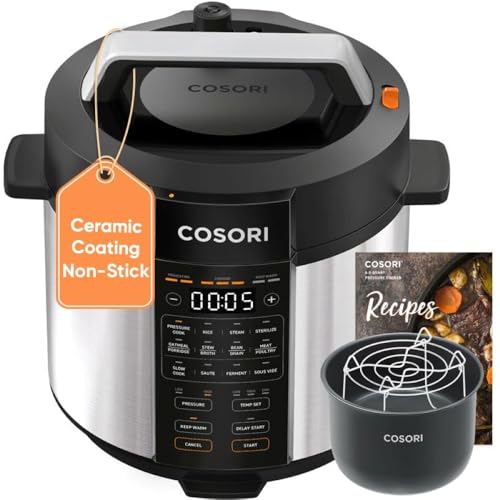
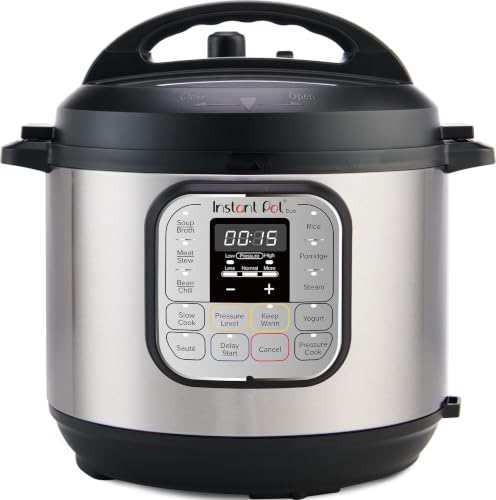
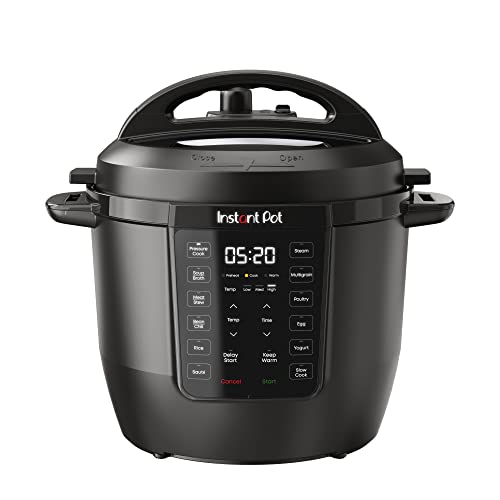
- Lentils: One cup of cooked lentils delivers around 18 grams of protein. They cook in under 25 minutes, blend into soups and pasta sauces without changing the texture, and batch-cook beautifully for the week. An Instant Pot or electric pressure cooker makes this even faster and more hands-off — ideal when you’re cooking for one.
- Edamame: Ready-to-eat from the freezer bag. No cooking, no prep, no recipe required. A cup delivers about 17 grams of protein and works as a snack, a salad topper, or a quick side.
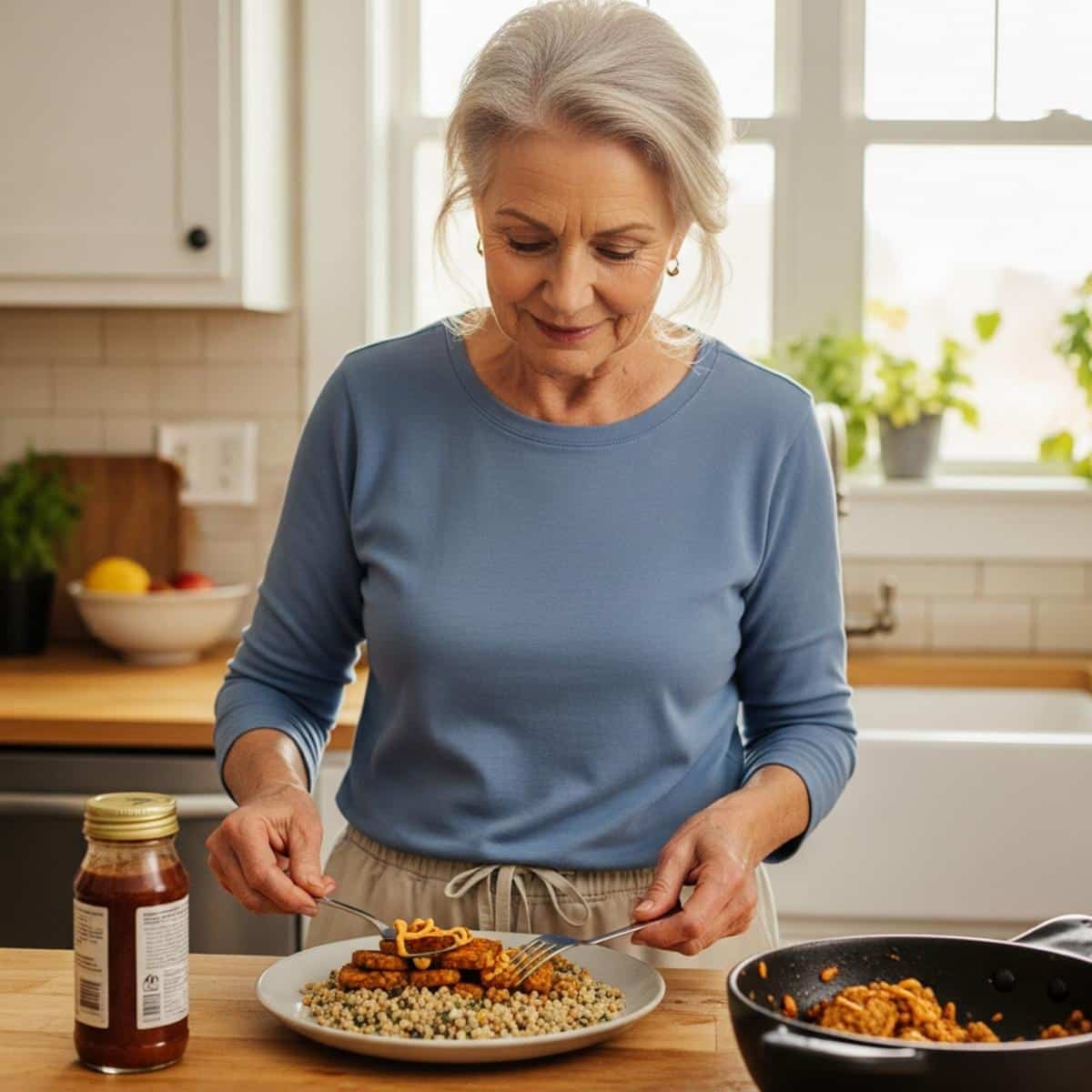
- Tempeh: Firm, satisfying texture that holds up to sautéing, slicing, or crumbling. It absorbs seasoning well and doesn’t require culinary skill to use well.
Before making changes to your diet, talk with your doctor or registered dietitian about your specific protein needs — especially if you’re managing a chronic condition or taking medications.
Action step: Identify one meal per day where you could swap in one of these three foods without overhauling the whole dish.





The 50/50 Plate Swap — No Full Commitment Required
The biggest psychological barrier to plant-based eating isn’t the food. It’s the identity shift.
“Going plant-based” sounds like a declaration. A before-and-after. Something you either do or don’t do.
But that framing is the problem — not the food itself.
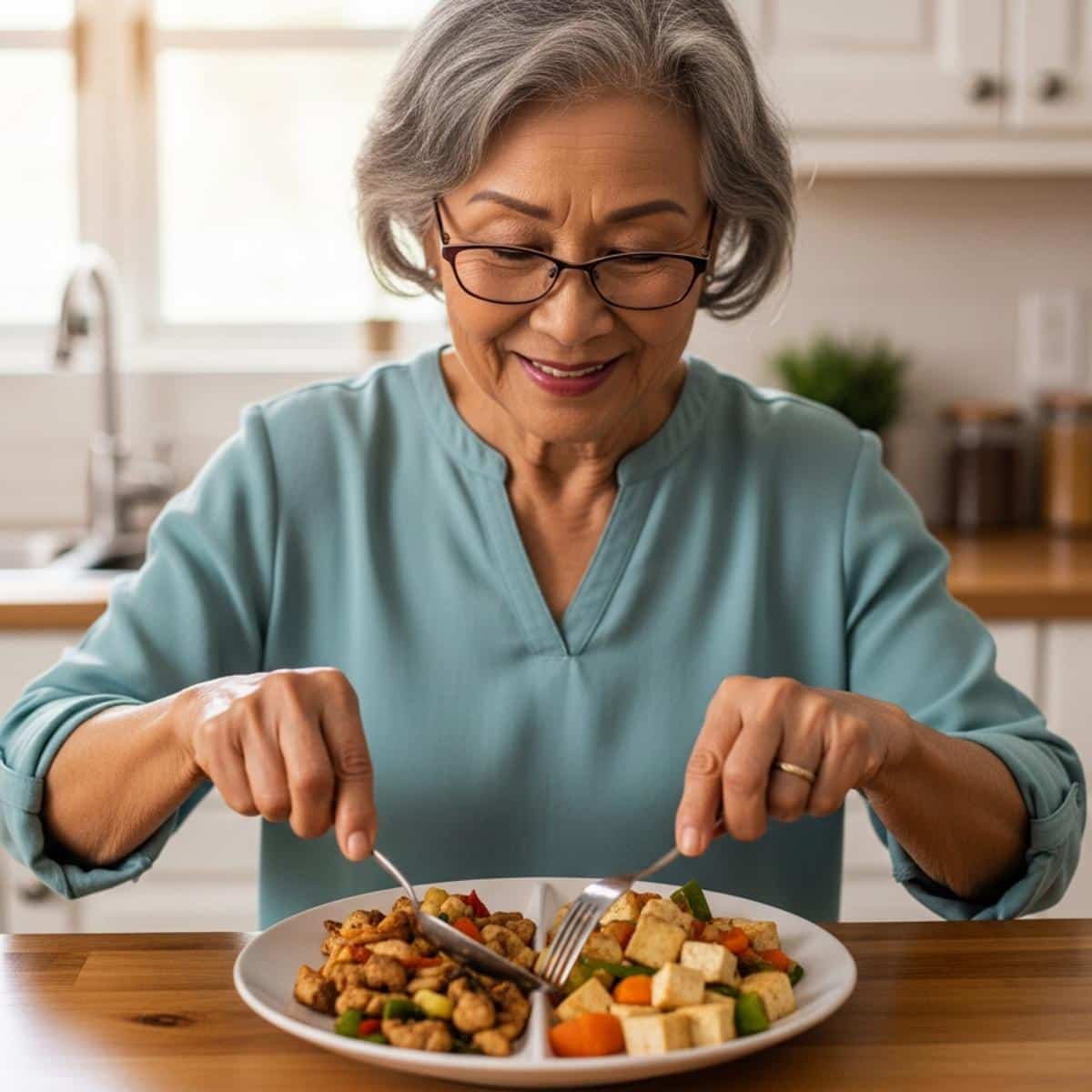
The 50/50 approach removes the pressure entirely. You keep the meal structure familiar. You simply swap half the plate.
What This Looks Like in Practice
- Pasta with meat sauce becomes pasta with lentil bolognese
- A chicken stir-fry becomes half chicken, half cubed tofu
- A lunch sandwich keeps the bread and toppings but swaps the protein for hummus or white beans
- A grain bowl keeps the rice but replaces the meat with seasoned chickpeas
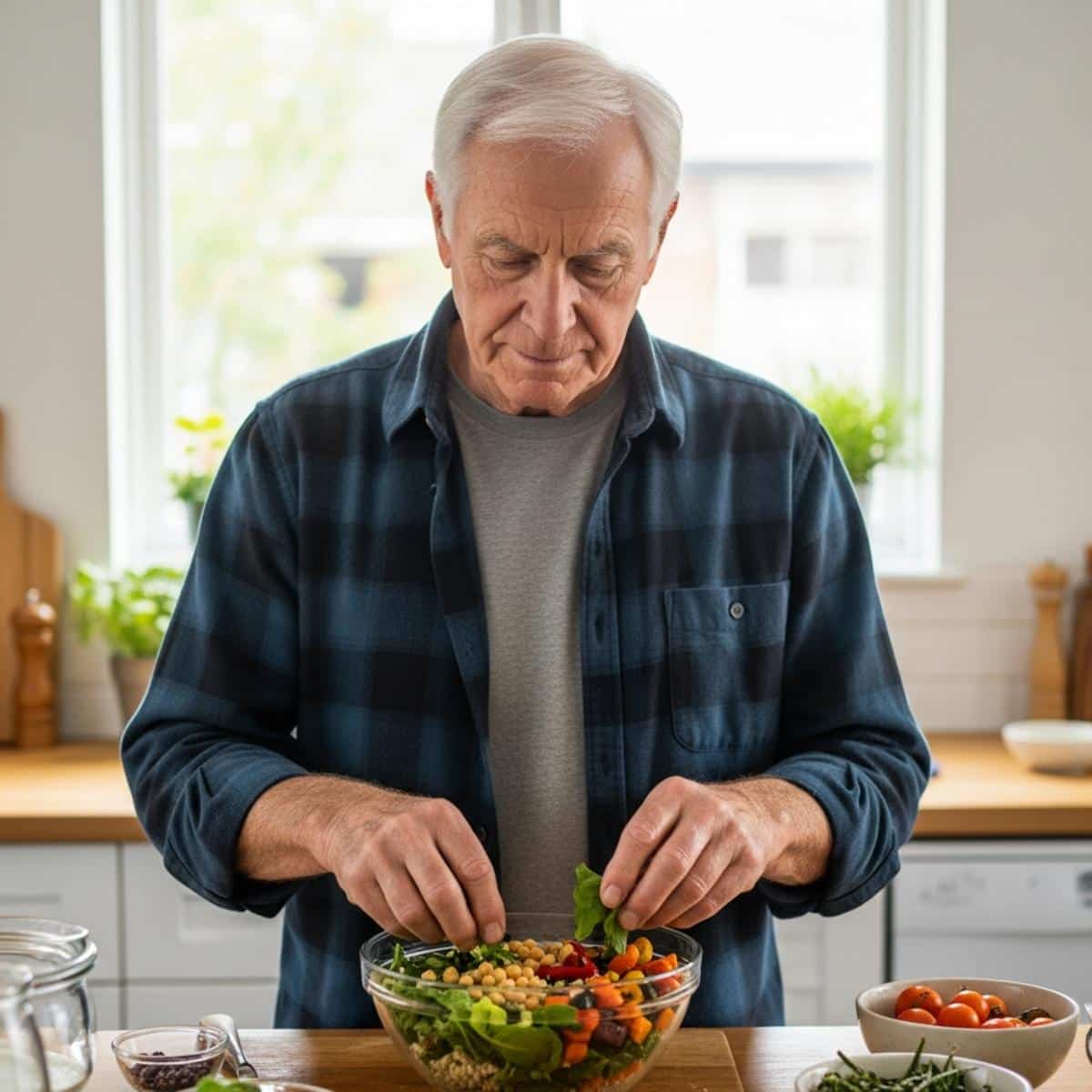
This approach works especially well when you’re cooking for one. You’re not batch-cooking an entirely new cuisine. You’re adjusting what you already make.
And partial plant-based eating still delivers meaningful benefits. Managing what you eat connects directly to your energy levels, and even modest dietary shifts support heart health, digestion, and weight management over time.
A partial shift done consistently outperforms a dramatic overhaul abandoned quickly. Every time.
Action step: Pick one meal you eat most days. Identify a simple plant-forward swap for half of it — just one meal, just half.
Ready-Made Shortcuts That Require Zero Cooking Skill
Cooking from scratch every day isn’t realistic for everyone. That’s not a character flaw — it’s a Tuesday.
The plant-based food industry has genuinely improved over the last decade. There are convenient, shelf-stable, and refrigerated options that make plant-forward eating accessible without any real cooking investment.
Ready to discover more practical strategies for healthy, vibrant aging? Subscribe to our newsletter for expert-tested tips and product recommendations designed specifically for older adults.
Categories Worth Keeping on Hand
- Canned and packaged lentil soups: Amy’s Kitchen makes several with clean ingredient lists. Heat and eat in under three minutes.
- Frozen grain bowls: Pre-portioned, balanced, and designed for one person. Trader Joe’s and Target’s Good & Gather line both carry solid options.
- Pre-seasoned tempeh: Ready to slice and pan-fry in under five minutes — no marinade or prep required.
- Refrigerated plant-based meal kits: Companies like Purple Carrot and Sunbasket offer portion-controlled options with minimal prep time, designed for people who want variety without the research.
Using these isn’t cheating. It’s a smart, sustainable bridge while you build new habits.
Action step: Add two or three ready-made plant-based items to your next grocery run as a low-commitment experiment.

What the Label Doesn’t Tell You — Sodium, Fillers, and the One Supplement to Ask Your Doctor About
Not all plant-based packaged foods are as healthy as they appear on the front of the package.
Here’s what most plant-based guides don’t mention about navigating the label:
The Sodium Problem
Many plant-based packaged foods compensate for flavor with high sodium — and after 60, sodium management matters more for blood pressure and cardiovascular health.
A practical guideline: look for sodium under 600mg per serving. If sodium appears in the first five ingredients, keep looking.
The Filler Issue
Some plant-based products use corn syrup, modified starches, or cheap fillers to bulk up the product. A quick ingredient scan — just the first five items — tells you most of what you need to know.
The B12 Reality
This is the one nutritional gap that deserves a direct conversation with your doctor.
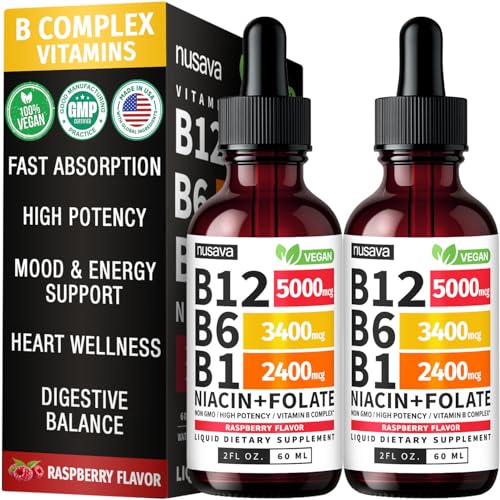
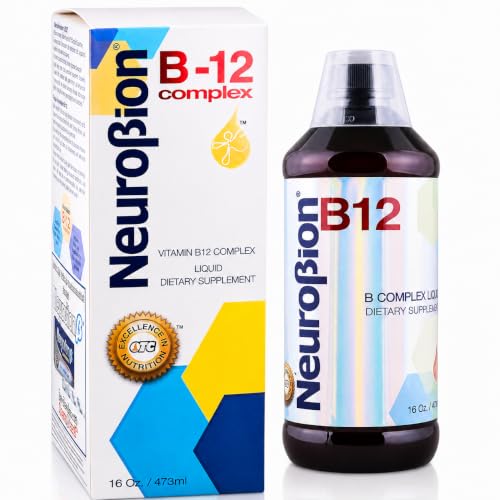
Plant-based eating significantly reduces B12 intake. And B12 deficiency is already more common in older adults because absorption changes with age. Vitamin B complex supports energy, nerve function, and cognitive clarity — and a liquid B complex can be easier to absorb than standard capsules for some older adults.
Don’t assume. Ask your doctor whether supplementation makes sense for your situation before making significant dietary changes.
Medication interactions are another reason that conversation matters — certain plant-based foods and supplements can affect how medications are absorbed or metabolized.
Action step: Check the sodium content on one plant-based product in your pantry this week. Just one. It builds the habit.





Simple Protein-Forward Meal Templates That Take Under 10 Minutes
You don’t need a plant-based cookbook. You need three templates you can repeat without thinking.
Templates beat recipes because they’re flexible. You’re not locked into exact ingredients. You’re working within a familiar framework — and that reduces decision fatigue significantly. Decision fatigue is a real factor in sustainable habit change — the fewer choices you have to make, the more consistently you follow through.
The Three Templates
Breakfast Template (no cooking required beyond boiling water):
Base (oats or whole grain toast) + plant protein (nut butter, hemp seeds, or edamame) + fruit
Lunch Template (under 5 minutes):
Base (canned lentil soup or pre-cooked grain pouch) + greens (pre-washed bag) + simple topping (avocado, seeds, or jarred roasted peppers)
Dinner Template (under 10 minutes, minimal cleanup):
Base (frozen grain blend or quick-cook rice) + protein (tempeh or canned chickpeas) + sauce (store-bought, not homemade)
These templates are intentionally designed to repeat without boredom. Keeping your kitchen stocked with tools that make prep faster and safer means you’re more likely to actually use them.
For people cooking for one, variety doesn’t have to come from new recipes. It comes from rotating which protein and topping you use within the same framework.
Action step: Try the breakfast template tomorrow morning. Just that one. See how it feels.
You Don’t Have to Go All-In to Move Forward
Going plant-based after 60 doesn’t mean starting from scratch, giving up the meals you love, or committing to a lifestyle overhaul overnight.
It means making room — gradually, practically, on your terms — for foods that support the energy, strength, and health you want for this chapter.
You’ve navigated far more complex changes than a new approach to Tuesday’s lunch. A partial shift done consistently matters. A 50/50 plate matters. Knowing which three foods to lean on matters.
Protecting your independence starts with small decisions that add up — and what you eat is one of the most accessible levers you have.
Pick one thing from this article to try this week — one template, one ready-made product, one 50/50 swap. Then come back and share how it went in the comments. Your experience might be exactly what another reader needs to take their own first step.
And before making significant dietary changes — especially around supplements like B12 — take a few minutes to talk with your doctor or registered dietitian. That conversation is part of the shortcut, not a detour around it.
![Keep older woman hands wrapped around coffee mug armchair[1]](https://www.grayingwithgrace.com/wp-content/uploads/2026/05/KEEP-older_woman_hands_wrapped_around_coffee_mug_armchair1-e1779362196840-450x300.jpg)

![Keep older woman enjoying butternut soup elegant[1]](https://www.grayingwithgrace.com/wp-content/uploads/2026/05/KEEP-older_woman_enjoying_butternut_soup_elegant1-e1778616351599-450x300.jpg)