Your doctor can prescribe pills for blood pressure, mood, and cognitive support. But there’s one intervention that delivers measurable results in all three areas — and it costs nothing.
It’s called nature exposure. And the research behind it is far more specific than “go get some fresh air.”
If you’ve always felt better after spending time outside, science is finally catching up to what you already knew. What I find genuinely exciting about this research is that the minimum effective dose is far lower than most people expect — and the benefits are real regardless of your fitness level or mobility.
Daily Nature Time Checklist for Seniors: 7 Simple Wins
Download our free guide to the essential bank settings and security measures that shield older adults from fraud—no technical knowledge required, just straightforward steps you can implement today.
What the Research Actually Shows About Nature and Your Health

Let’s be specific about what we’re talking about — because these aren’t soft, feel-good benefits.
Research published in environmental health and public health journals points to five measurable categories of benefit from regular nature exposure:
1. Vitamin D and bone health
Sunlight exposure triggers vitamin D synthesis in the skin, which plays a direct role in bone density, immune function, and mood regulation. Many older adults are deficient — and getting outside is one of the most natural ways to address it.
2. Cortisol reduction
Time in natural environments — even passive exposure — measurably lowers cortisol, the body’s primary stress hormone. Lower cortisol means reduced inflammation, better sleep, and improved immune response.
3. Blood pressure improvement
Studies on “green exercise” and passive nature exposure have consistently shown reductions in systolic blood pressure. Scandinavian public health programs have actually begun prescribing nature time as part of cardiovascular care.
4. Cognitive benefits
Regular nature exposure is linked to slower cognitive decline, improved sustained attention, and better short-term memory recall — all of particular relevance for older adults concerned about staying sharp.
5. Mood and depression
Natural light and green space have measurable effects on depressive symptoms. The research here is consistent enough that “ecotherapy” is now being studied alongside traditional therapeutic approaches.
These are the same outcomes doctors prescribe medications to achieve. Nature delivers them as a side effect of simply stepping outside.
The Minimum Effective Dose: How Much Outdoor Time Do You Actually Need?
Here’s the part that surprises most people: the research-supported threshold for measurable benefit is genuinely low.
Studies suggest that as little as 20–30 minutes of nature exposure several times per week produces measurable physiological changes — including the cortisol reduction and blood pressure improvements mentioned above.
And the type of exposure matters less than you might think.
- Active outdoor time (walking, gardening, gentle movement) produces stronger results
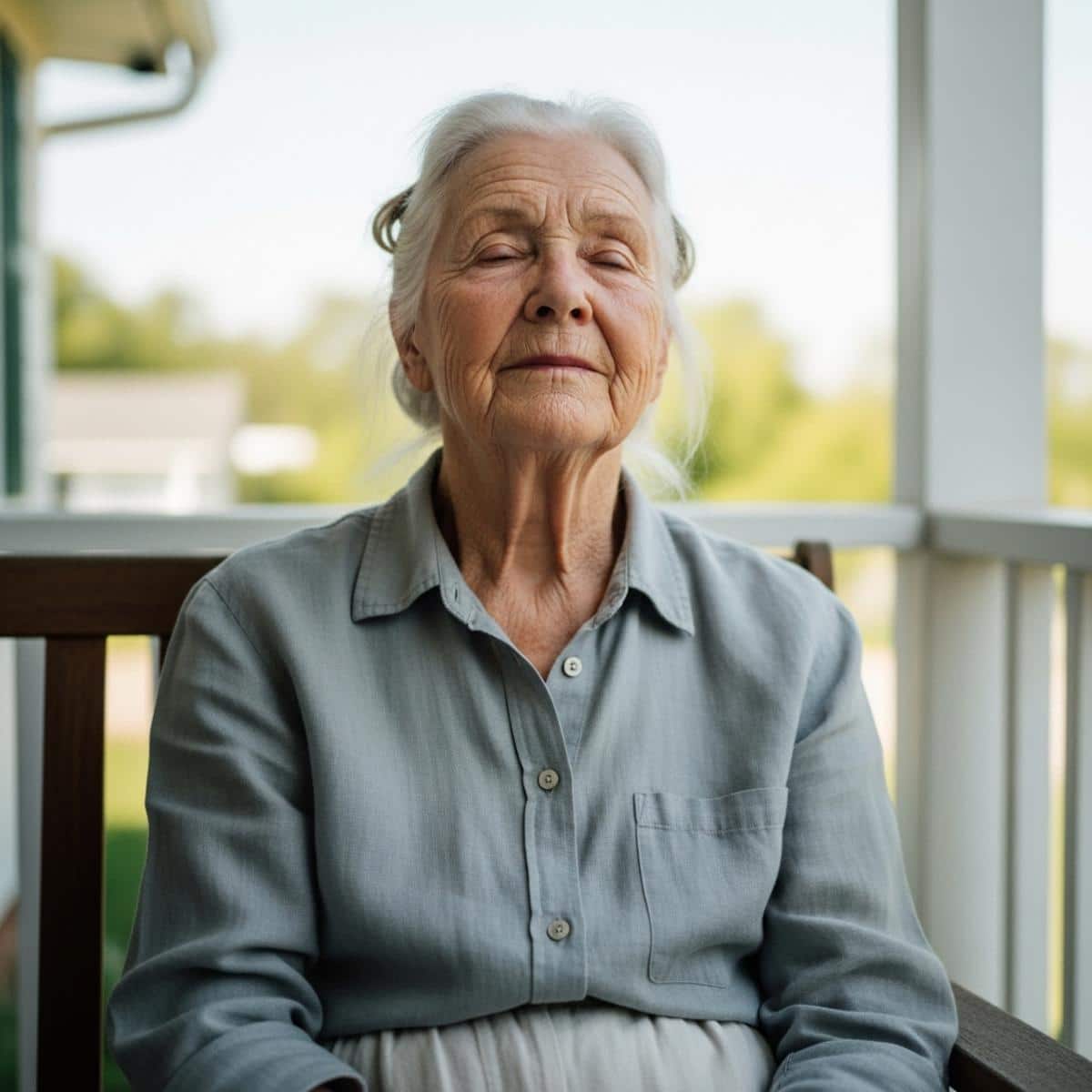
- Passive exposure (sitting on a porch, watching a garden from a chair) still produces real, measurable benefits
- Consistency outperforms duration — regular short exposures beat occasional long ones every time
Think about two different people:
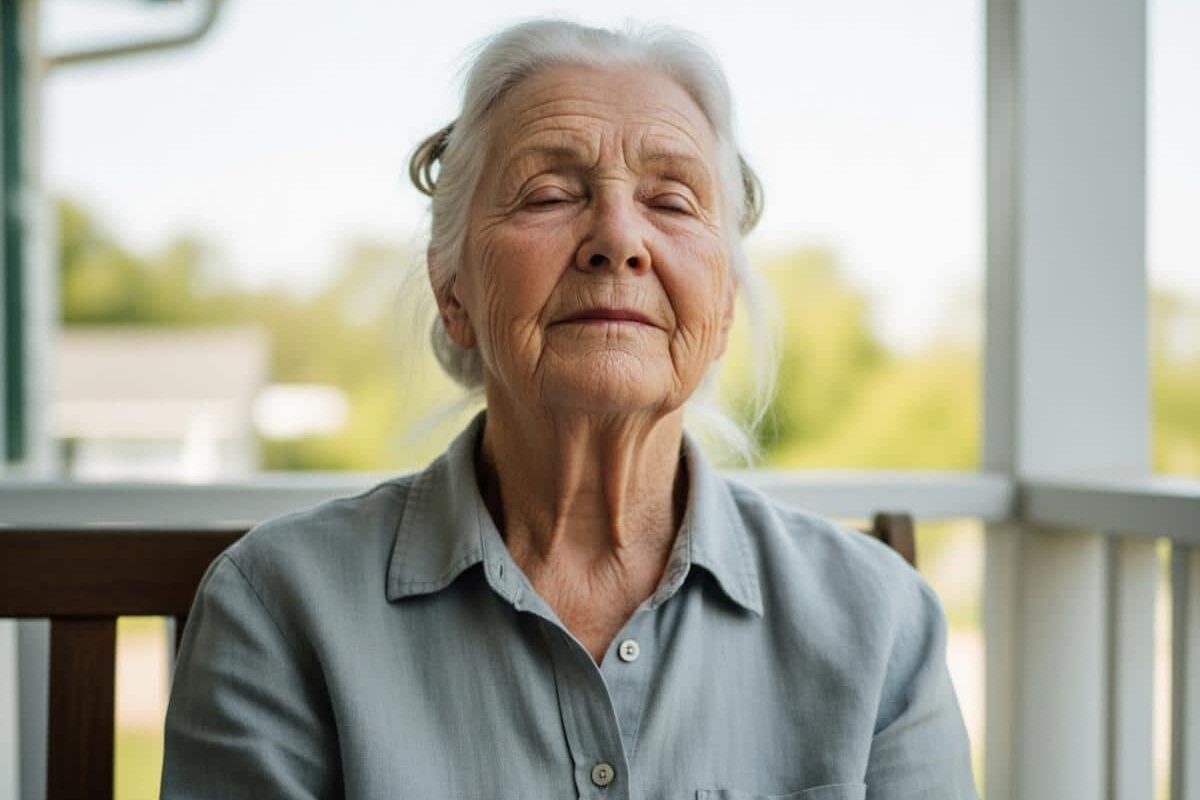
One feels she can’t benefit because she can no longer walk a trail. Another spends 20 minutes every morning on her porch with coffee, watching the birds.
The research says the second person is already accessing meaningful health benefits — no trail required.
You don’t need to earn nature’s benefits with physical effort. The minimum threshold is low by design. That’s not a compromise — that’s what the science actually shows.
Your action step: Identify one realistic daily outdoor window you could protect consistently. Even 20 minutes, several days a week, is enough to start.
This kind of intentional daily routine pairs well with other small habits that support independence — like the simple strategies that reduce fall risk and keep you moving confidently at home.
What If Getting Outside Is Hard? Nature Still Works From Your Window
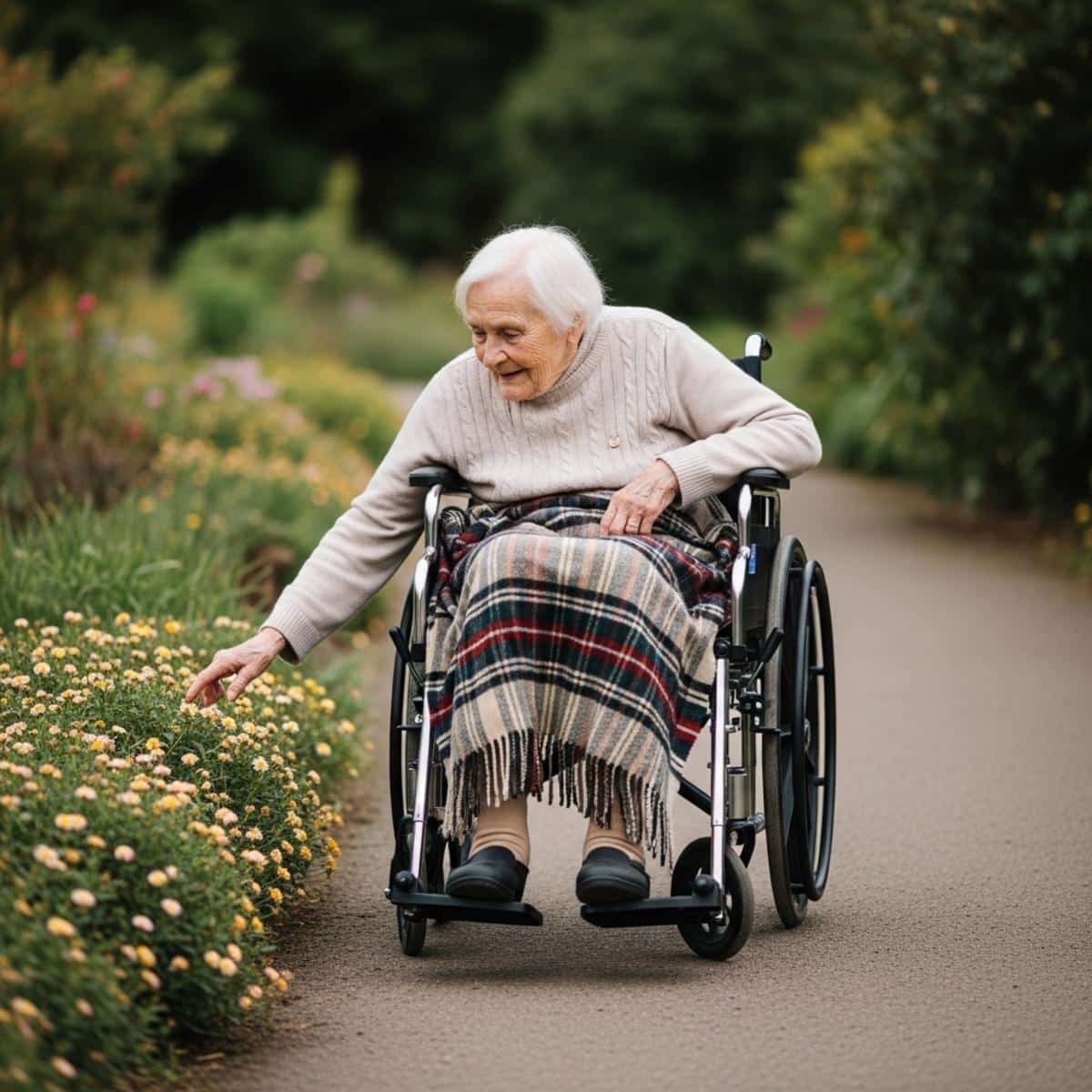
Limited mobility, harsh winters, or health challenges don’t eliminate access to nature’s benefits. They just call for a different approach.
Here’s what the research supports for indoor and near-indoor nature access:
Restorative views work
Studies show that simply viewing nature through a window produces measurable stress reduction and mood improvement. A chair positioned near a garden-facing window is a legitimate nature intervention.
Bird feeders create a daily ritual
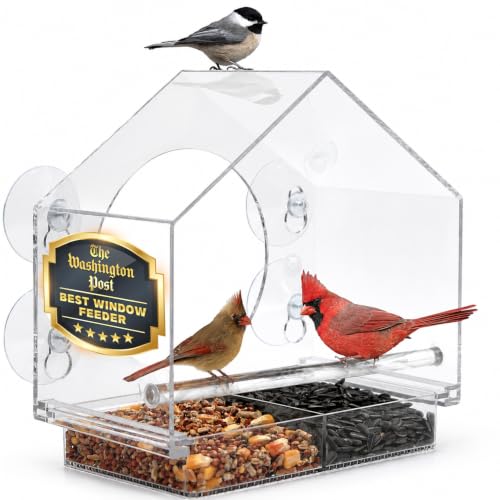
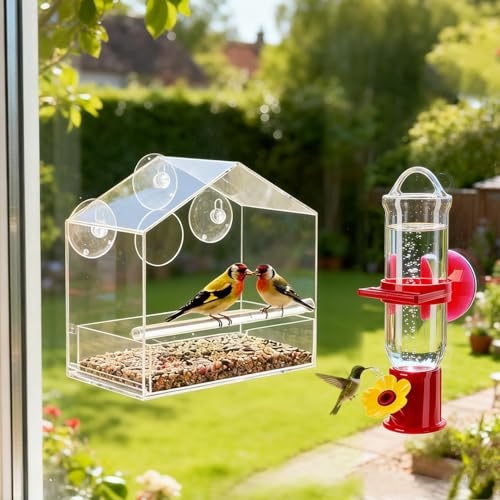
A window bird feeder — including suction-cup mounted styles that require no outdoor installation — attracts birds to your direct line of sight and creates a consistent, engaging daily nature connection. This is one of the simplest high-return additions you can make. A solar-powered bird feeder with a camera takes this a step further, streaming live bird activity directly to your phone or TV.




Indoor herb gardens engage multiple senses
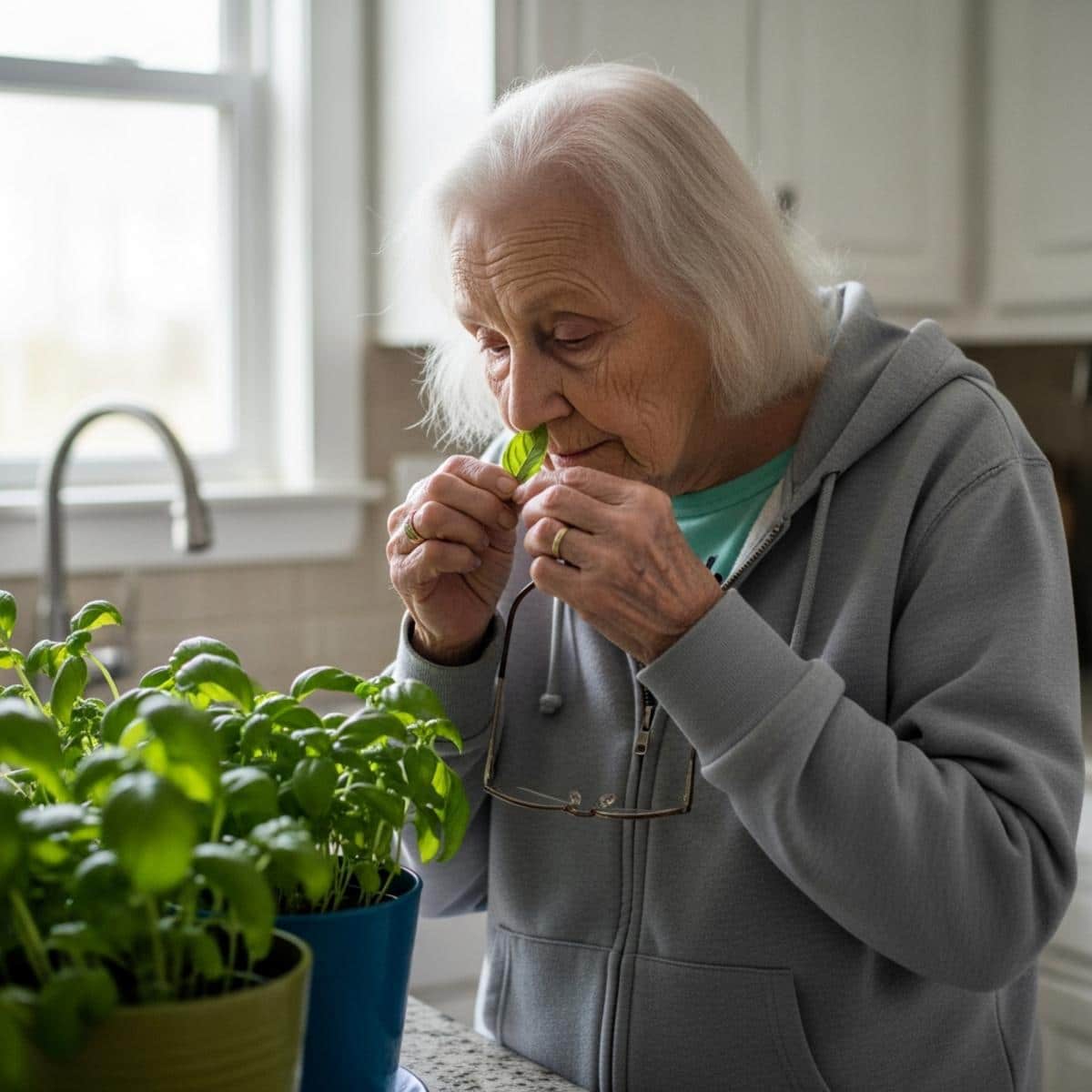
Touch, scent, and the process of tending living plants activate overlapping sensory and cognitive pathways. A small countertop herb garden provides meaningful nature contact even when going outside isn’t possible.





Sensory gardens and raised bed kits
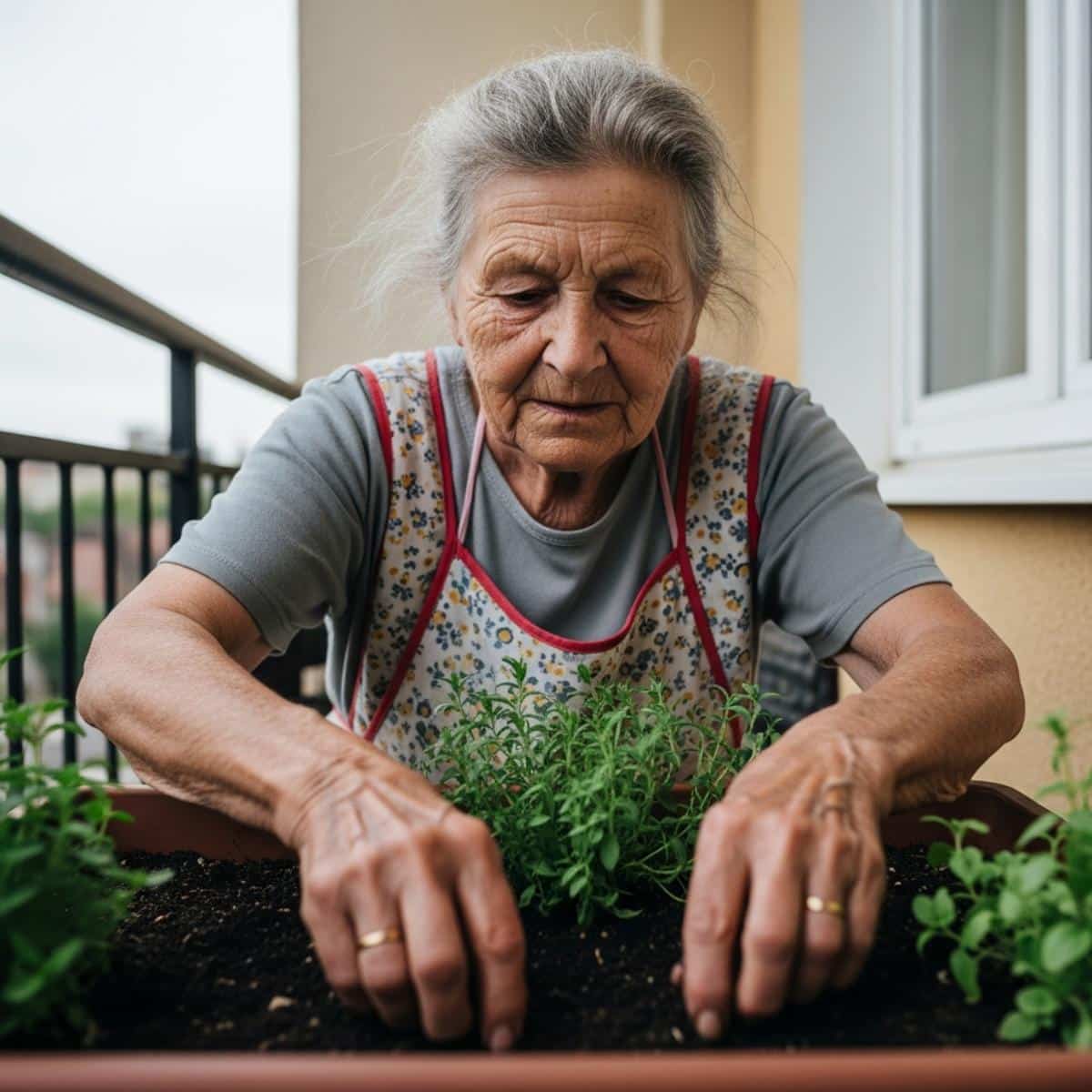
For those with a small patio or balcony, raised bed container gardens bring the full experience of soil, plants, and seasonal change within reach — no bending or long walks required.
Nature sounds have documented effects
Nature sound environments — rain, birdsong, flowing water — have measurable impacts on stress and relaxation. A quality nature sound machine can bring this into your bedroom or living space, particularly useful during winter months when seasonal mood shifts affect many older adults.


Want more practical, research-backed strategies for living well as you age? Subscribe to the Graying With Grace newsletter for trusted tips and tools designed specifically for older adults and the people who care for them.
Nature doesn’t require a trail. It requires presence and intentional attention — and that’s available to almost everyone.
Your action step: Identify one indoor or near-indoor nature touchpoint you could add or expand this week.
Why Doctors Are Especially Interested in Nature for Seniors With Early Cognitive Decline
Of all the research areas I find compelling about nature and aging, the cognitive findings stand out most.
Here’s the framework researchers use: Attention Restoration Theory proposes that natural environments give the prefrontal cortex — the part of the brain responsible for sustained attention, decision-making, and working memory — a genuine rest that urban or screen-based environments don’t provide.
After even a brief period in a natural setting, attention performance measurably improves.
For older adults, the research gets even more specific:
- Regular green space exposure is linked to slower progression of cognitive decline in large observational studies
- Nature walks specifically improve short-term memory recall compared to urban walks of the same length and effort
- Sensory engagement with nature — birdsong, the texture of soil, the smell of plants — activates different neural pathways than screen-based stimulation, providing a form of cognitive variety that the brain appears to genuinely need
This is particularly relevant for caregivers supporting a loved one with mild cognitive impairment. Nature time may be one of the lowest-cost, lowest-risk cognitive support strategies available — and it pairs naturally with other evidence-based approaches like reminiscence and sensory engagement.
This isn’t about reversing cognitive decline. It’s about giving the brain regular rest and stimulation that supports whatever capacity is present. That’s worth prioritizing — and worth sharing with a family member or care team.
The Bonus Benefit Nobody Talks About: Nature Is Even Better With Company
Here’s something the research shows that rarely makes the headlines: group nature activities produce greater stress reduction than solitary nature time.
When movement, nature, and social connection happen together, you’re addressing three major health risk factors simultaneously — and the effects compound each other.
Social isolation carries real health consequences for older adults, and combining outdoor time with companionship is one of the most efficient health investments you can make.
Community nature programs worth exploring:
- Accessible trail programs through local parks departments (many offer paved or gentle-grade paths)
- Botanical garden memberships with guided tours and senior programming
- Arboretum volunteer and visitor programs
- Master gardener groups that welcome people at every skill and mobility level
- Senior walking clubs organized through community centers or faith communities
- Community garden plots that offer fresh air, movement, and regular social contact in one place
You may also already have something close at hand. Inviting a neighbor, friend, or family member to share your morning porch time or a short neighborhood walk adds the social dimension without requiring a schedule overhaul.
Your action step: Look up one local nature program — botanical garden, accessible trail, or community garden — this week. One search, five minutes.
Daily Nature Time Checklist for Seniors: 7 Simple Wins
Download our free guide to the essential bank settings and security measures that shield older adults from fraud—no technical knowledge required, just straightforward steps you can implement today.
Start Where You Are — The Research Supports That
Nature exposure is one of the most well-researched, widely accessible, and genuinely cost-free health interventions available to older adults.
You don’t need a perfect plan, a new fitness routine, or cooperative weather to start.
You need a window, a porch, a bird feeder, or a short walk around the block — done consistently. That’s the research-supported path to real benefit.
Even staying connected with people who matter to you gets easier when it’s built around a shared outdoor ritual rather than a formal obligation.
What does your current connection with nature look like? Is there one small step you could take this week — even from your living room window?
Share it in the comments below. And if someone you know has been spending too much time indoors, send this their way. It might be exactly what they needed to hear.