Here’s something worth sitting with for a moment: your doctor tells you to “just take a walk,” and somewhere in the back of your mind, you think – is that really enough?
After decades of working hard, staying disciplined, and taking your health seriously, being handed a prescription that simple can feel almost dismissive. Surely staying healthy after 65 requires more effort than a stroll around the block.
Here’s what the research actually shows: walking is one of the most effective senior workouts available – and the gap between how simple it sounds and how powerful it is may be the most important health insight you’re underestimating right now.
This article breaks down exactly what walking does for your body, how to build a habit that sticks, and what gear makes every walk safer and more enjoyable for the long haul.
Daily Walking Habit Checklist for Adults Over 65
Download this printable Daily Walking Habit Checklist and eliminate the confusion about how to start and maintain a safe walking routine—with clear step-by-step guidance for gear, habit-building, safety, and progress tracking all in one place.
Walking Does More for Your Body Than Most People Realize
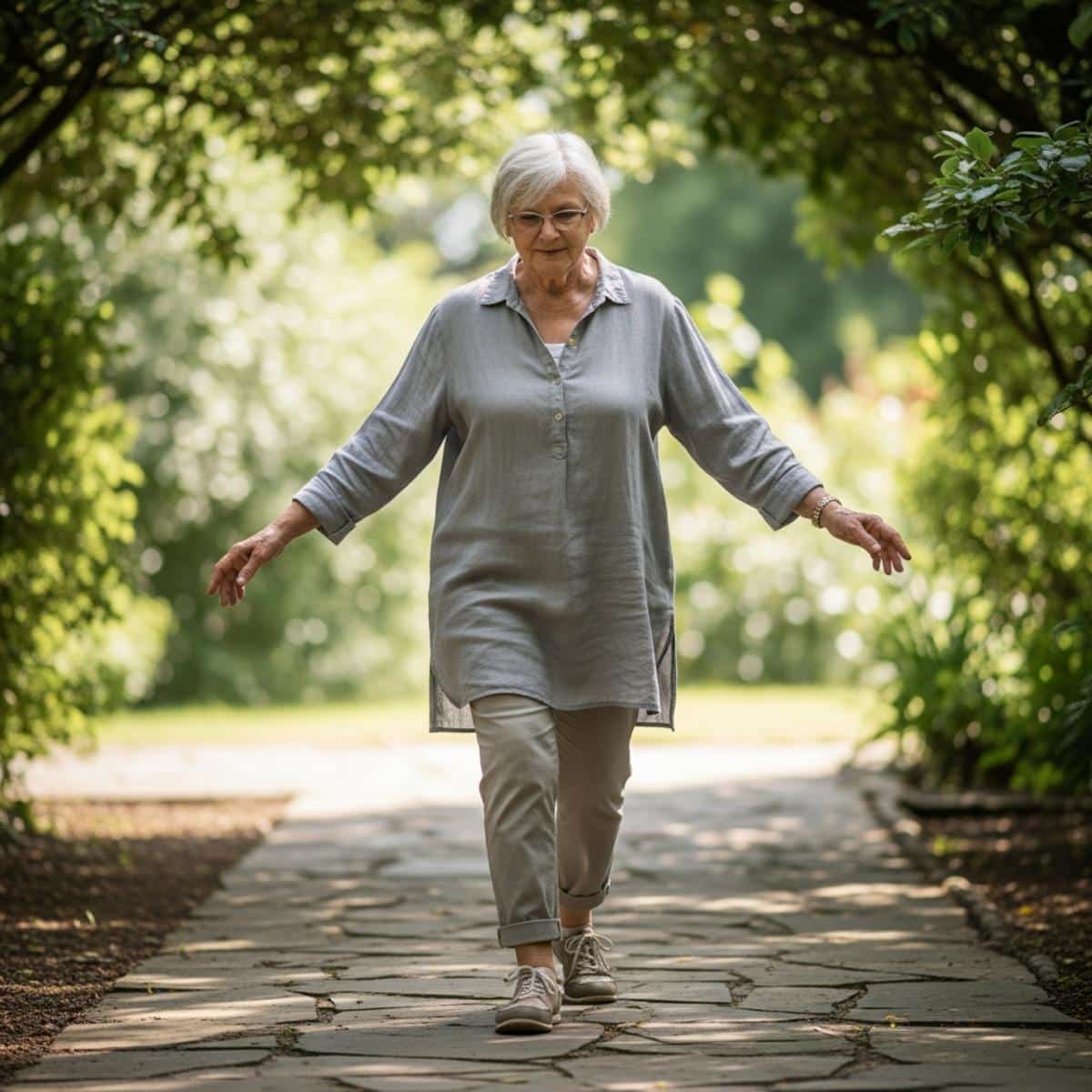
Walking isn’t casual movement dressed up as exercise. It’s a full-body workout that simultaneously supports cardiovascular health, balance, bone density, circulation, and brain function – without placing excessive stress on aging joints.
Here’s what’s actually happening when you walk regularly:
- Cardiovascular health: Brisk walking strengthens your heart and improves circulation in your legs naturally, reducing blood pressure and lowering the risk of heart disease over time.
- Bone density: Walking is weight-bearing movement, which signals your bones to maintain density. This matters enormously after 60, when bone loss accelerates. Regular walking combined with a morning stretching routine addresses two of the most critical fall-readiness factors at once.
- Balance and stability: Every step requires subtle coordination between your muscles, joints, and nervous system. Consistent walking trains that system – and balance training is one of the most overlooked fall prevention strategies for older adults.
- Cognitive function: Walking to prevent cognitive decline isn’t wishful thinking. Studies consistently show that regular aerobic movement like walking improves memory, reduces brain fog, and lowers the risk of cognitive decline.
This isn’t what you do when you can’t do “real” exercise. This is what strategically healthy people do because it works.
You Don’t Need an Hour – You Need a Habit
One of the biggest reasons people don’t walk consistently is the all-or-nothing mindset: if I can’t do 45 minutes, it’s not worth it.
That’s the trap. And it’s costing you real health benefits.
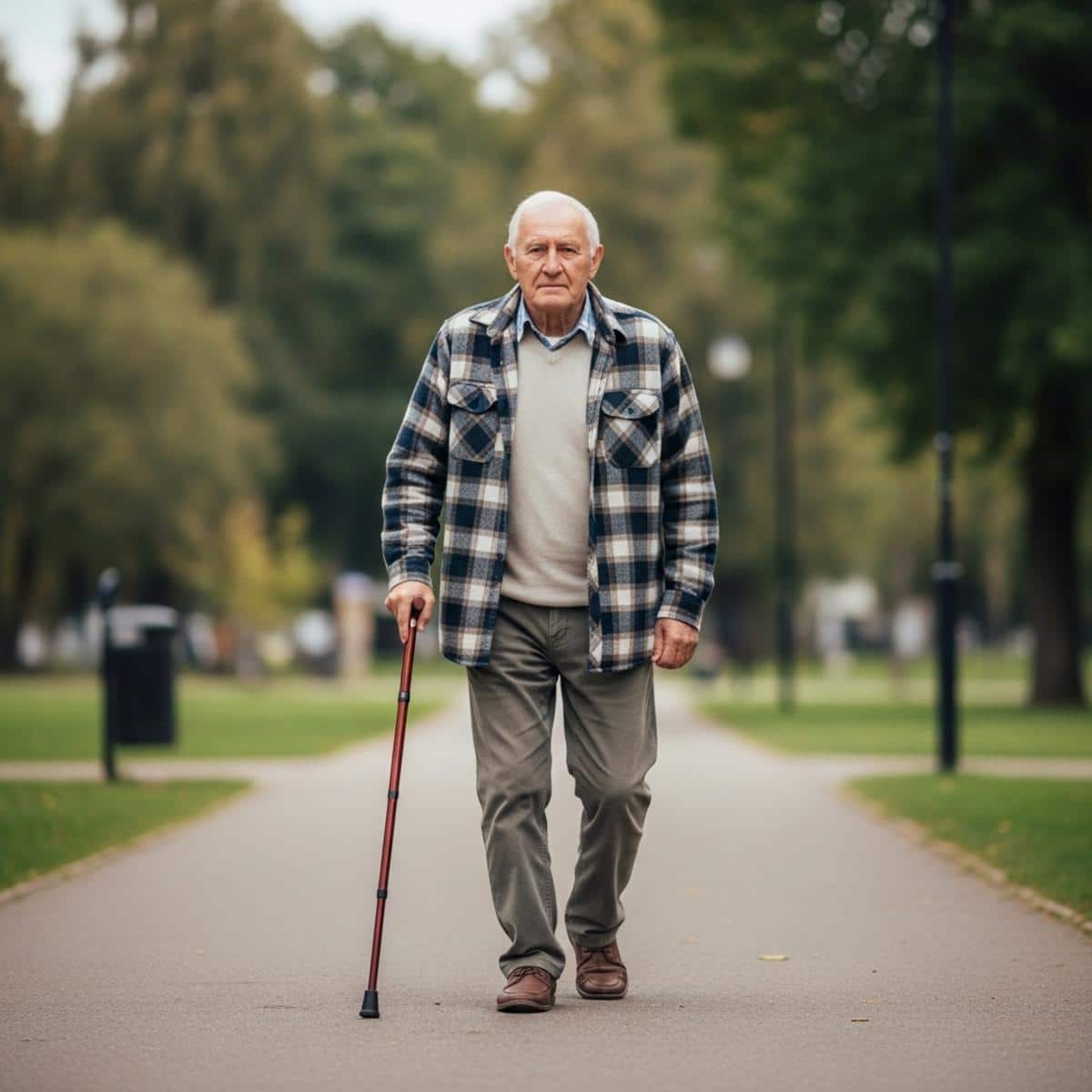
Researchers have found that short, consistent movement breaks – sometimes called “movement snacks” – accumulate into meaningful daily activity. A 10-minute walk after breakfast, a 10-minute loop after lunch, and a short evening walk adds up to 30 minutes of purposeful movement without requiring a single blocked-out hour.
How many steps should a 70-year-old aim for? Forget the 10,000-step benchmark – that number was never based on research. A realistic, health-supporting range for most older adults is 6,000 to 8,000 steps per day. For those starting from a sedentary baseline, even 3,000 to 4,000 steps is a meaningful starting point.
Is walking enough exercise after 65? Yes – with two conditions: consistency and intentionality. A 10-minute walk you actually take is worth more than a 45-minute session you keep postponing.
Here’s how to build the habit:
- Identify two or three natural “walking windows” in your day – after meals is one of the easiest anchors.
- Start shorter than you think you need to. Five minutes beats zero.
- Protect those windows like appointments.
Staying physically active also directly supports your independence at home – and that connection between daily movement and long-term autonomy is one of the most compelling reasons to take your walking habit seriously.

The Right Gear Makes Every Walk Safer and More Enjoyable
You don’t need to spend a lot to walk well. But a few targeted investments make a real difference in how long you’ll keep walking – and how much you’ll enjoy it.
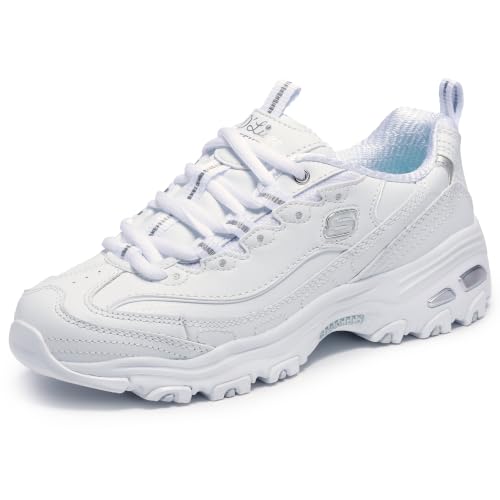
Footwear comes first. The single most important gear decision a senior walker can make is their shoes. Look for walking shoes with a wide toe box, firm heel counter, adequate arch support, and non-slip outsoles. If you have wider feet, invest in best walking shoes for seniors with wide feet specifically – wearing shoes that don’t fit properly creates foot fatigue, alters your gait, and increases fall risk over time.




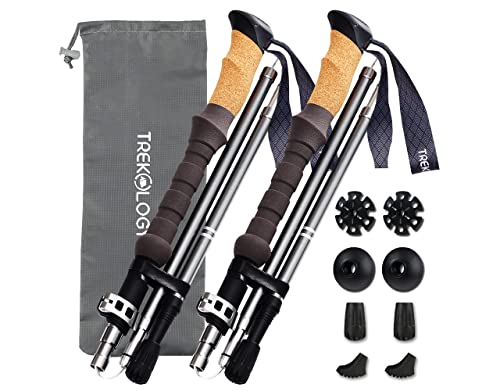
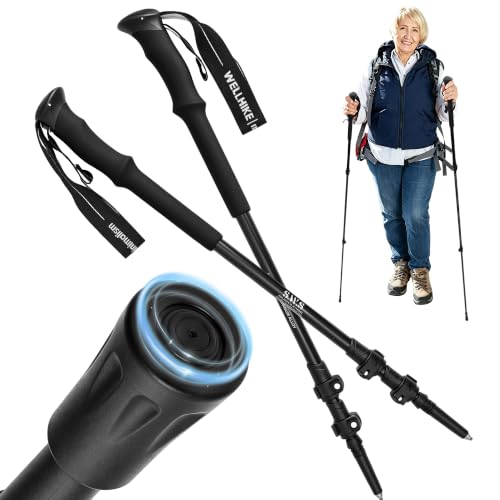
Walking poles improve more than stability. Best lightweight walking poles for seniors do two things most people don’t expect: they reduce the load on knees and hips on inclines, and they engage your upper body, turning your walk into a more complete workout. If you’re dealing with mild balance concerns or walking on uneven terrain, poles are worth every penny.



Insoles extend the life of your walk. For anyone managing knee, hip, or foot discomfort, best insoles for senior walkers can redistribute pressure, reduce joint strain, and make longer walks comfortable enough to sustain. This matters most if you’re managing any foot or lower body issues that affect how you move through public spaces.

Visibility gear matters too. If you walk in the early morning or after sunset, a simple clip-on light or reflective vest is a low-cost safety upgrade worth having.
Want more practical, tested strategies for staying active and independent as you age? Subscribe to the Graying With Grace newsletter – expert guidance delivered straight to your inbox, every week.
Good walking gear isn’t an indulgence. It’s what allows you to keep walking for years to come.
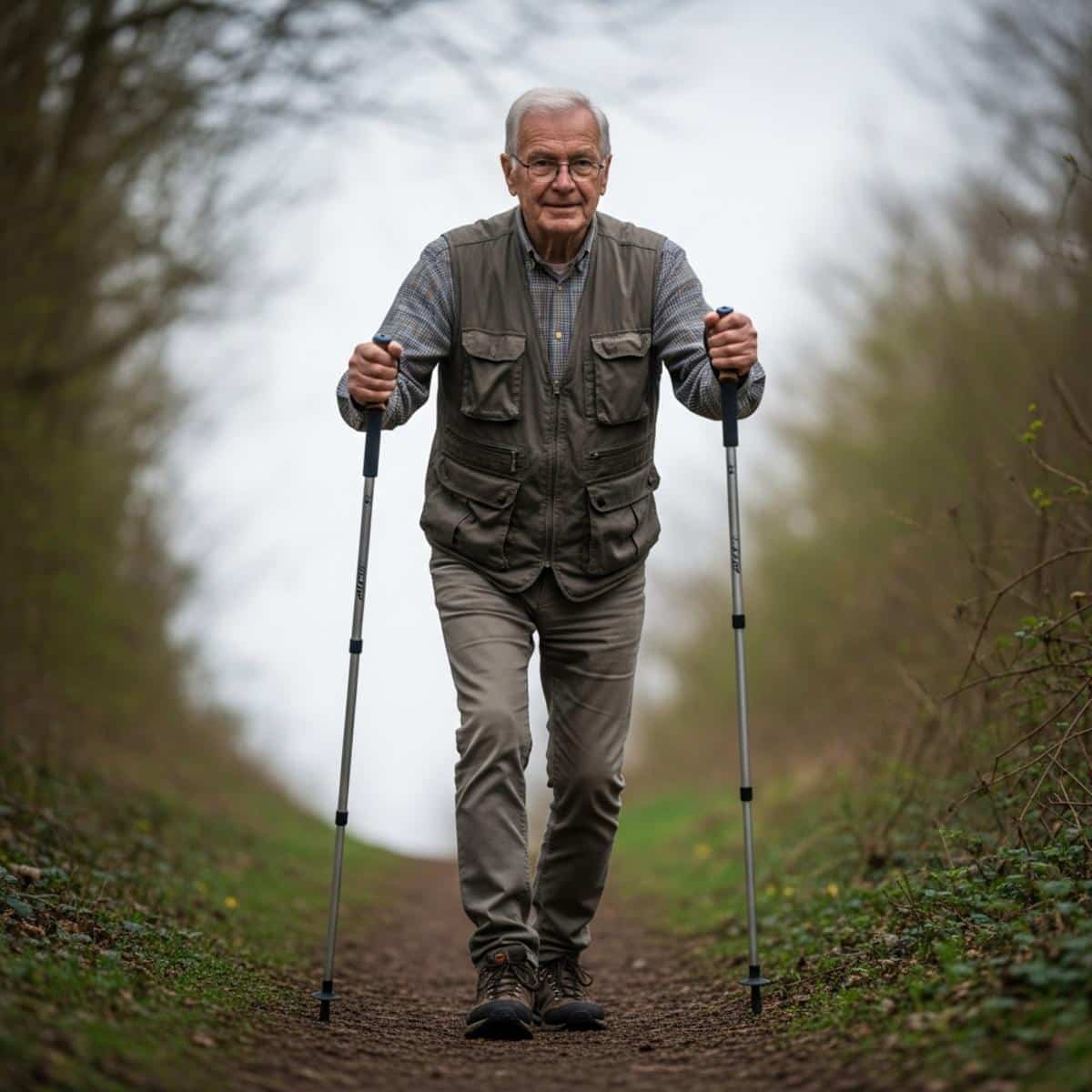
Tracking Your Steps Turns Intention Into Progress
There’s something quietly motivating about seeing your movement in numbers.
Tracking steps does two things: it reveals how active you already are (often more than you realize), and it gives you a simple target to build toward. When you’re three minutes from home and you’re 400 steps short of a daily goal, you take the long way back. That’s the power of awareness.
You don’t need a complicated smartwatch or an app with a steep learning curve. Best simple pedometers for older adults are clip-on or wrist-based devices with large displays and one-function operation – they count steps, show distance, and give you a clear daily number without requiring a tutorial.
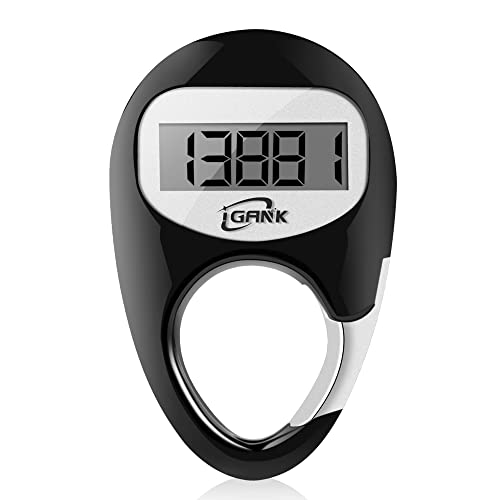


Start with one week of baseline tracking before you set any goals. See what you’re actually doing. Then add 500 steps to that number and make that your first target. Build from there.
Tracking isn’t about judgment. It’s about awareness – and awareness gives you something real to grow.
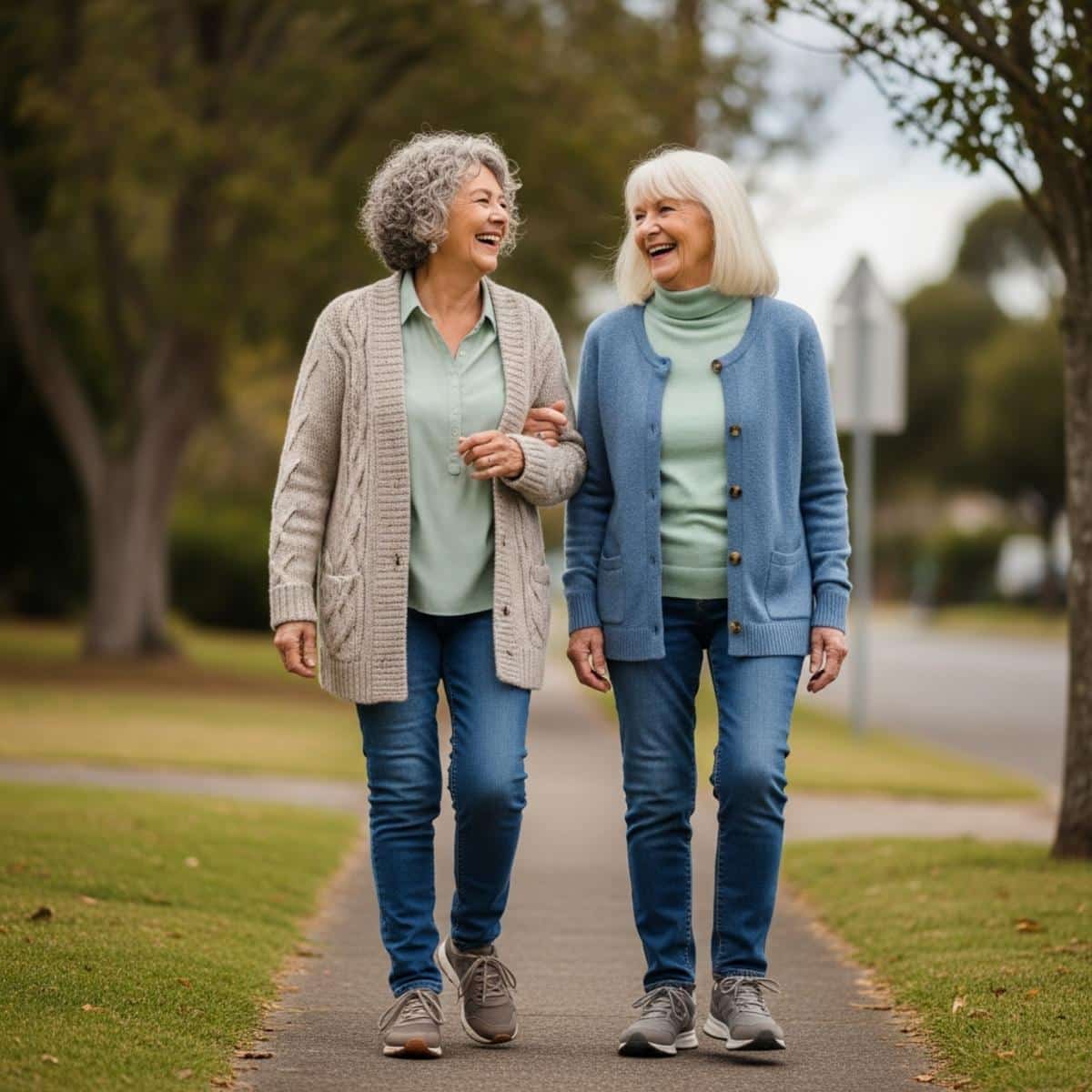
Walking With a Companion Turns Exercise Into Something You Look Forward To
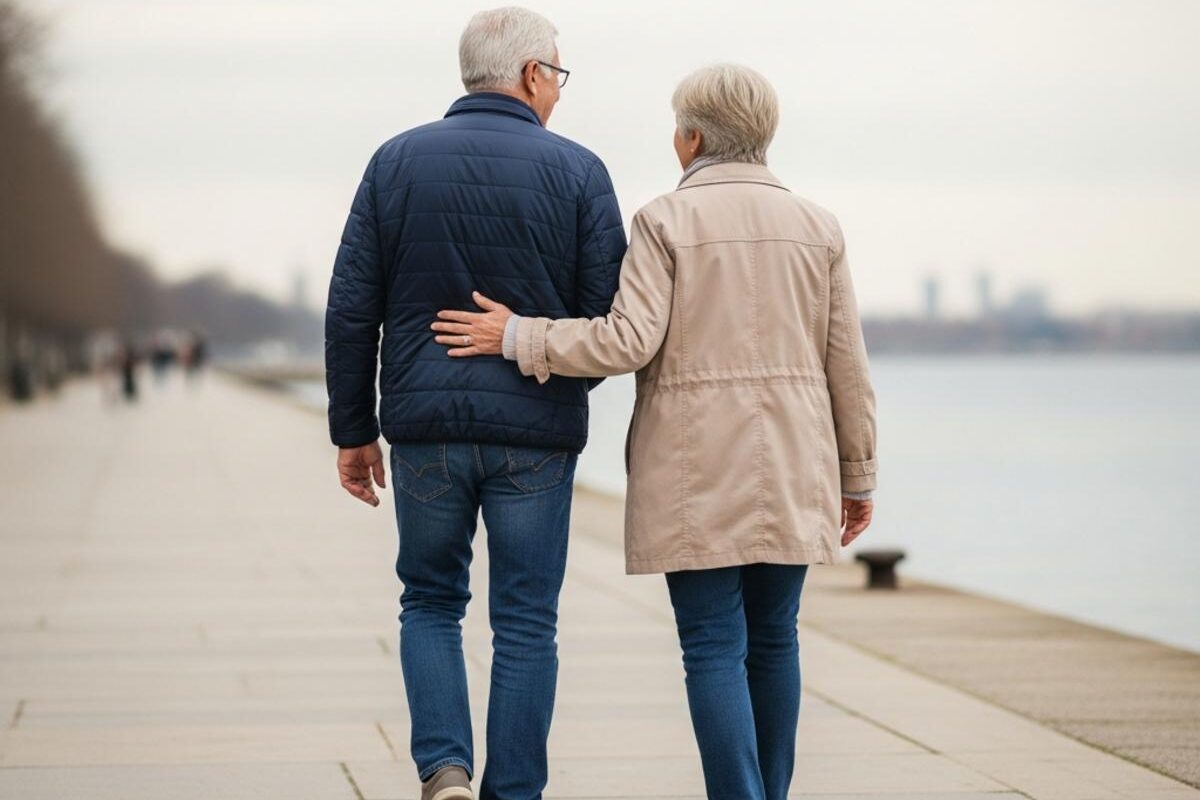
Here’s the honest difference between walking and most gym-based senior workouts: walking can happen with someone you genuinely enjoy being around.
The social dimension of walking isn’t a nice bonus. Social connection is as important for longevity as physical activity – and a walking habit that delivers both simultaneously is compounding your investment with every step.
A few ways to add a companion to your walking routine:
- Invite a neighbor or friend for a regular morning walk. Three mornings a week with a consistent partner creates accountability and something to look forward to. You’re far less likely to cancel on another person than on yourself.
- Walk your dog – or a neighbor’s. Dogs create some of the most reliable walking schedules in existence. If you don’t have one, offer to walk a neighbor’s pet.
- Use audio companions for solo walks. A podcast, audiobook, or music playlist transforms a 20-minute solo walk into a dedicated enjoyment window. The walk becomes the reward, not the obligation.
This is the answer to the walking versus gym debate for older adults: the gym has advantages, but it rarely offers real conversation, fresh air, and a neighbor who genuinely looks forward to seeing you.
The best senior workout is the one you’ll actually do consistently – and a walking companion makes that decision easy.
Daily Walking Habit Checklist for Adults Over 65
Download this printable Daily Walking Habit Checklist and eliminate the confusion about how to start and maintain a safe walking routine—with clear step-by-step guidance for gear, habit-building, safety, and progress tracking all in one place.
Start With One Small Change This Week
Walking isn’t a fallback plan. It’s backed by real research, it’s accessible to almost everyone, and it addresses some of the most critical health priorities for adults over 65 simultaneously – cardiovascular health, bone density, balance, cognitive function, and social connection.
You don’t need to overhaul your routine. You need a consistent habit, the right pair of shoes, and ideally someone to walk with.
Pick one thing this week: an extra 10 minutes added to a walk you already take, a new route that adds a gentle incline, or a text to a friend asking if they want to walk together on Thursday morning.
Then share what you’re committing to in the comments below. Your answer might be exactly what someone else needs to read today.