That first cup of coffee in the morning is practically sacred. The warmth, the ritual, the quiet moment before the day begins — and then the thought creeps in: Is this making my joints worse?
If you’ve been managing arthritis and wondering whether caffeine is working against you, you’re asking exactly the right question. The answer, though, is far more nuanced — and more reassuring — than most people expect.
This article covers what current research actually shows about caffeine and arthritis, reveals some hidden caffeine sources that genuinely surprise most people, and offers a simple self-audit approach so you can make an informed decision on your own terms.
Caffeine and Arthritis: Your At-a-Glance Reference Guide
Download our free financial security checklist to identify and close the specific vulnerabilities in your accounts that leave older adults exposed to fraud—no financial jargon required.
What Does the Research Actually Say About Caffeine and Arthritis?

Here’s what the research does not say: that moderate coffee consumption definitively worsens arthritis for most people.
The science is genuinely mixed. Some studies have found associations between very high caffeine intake and certain markers related to rheumatoid arthritis — but “very high” in most of that research means well above what most older adults consume daily. On the other end, coffee contains hundreds of compounds beyond caffeine, including antioxidants called polyphenols, and some research suggests these compounds may actually have modest anti-inflammatory properties.
The critical distinction researchers emphasize: separating caffeine’s effects from the effects of the full beverage is scientifically complex. Coffee is not just caffeine.
What most researchers do agree on is this: excessive intake combined with inadequate hydration creates a more meaningful concern than caffeine alone.
So the better question isn’t “should I quit coffee?” — it’s “how much am I actually consuming, and am I drinking enough water alongside it?” That shift in framing changes everything.




The Real Culprit Behind Caffeine and Joint Discomfort Is Often This

For many older adults, the joint discomfort associated with caffeine use has less to do with caffeine’s direct chemical effects and more to do with what caffeine can trigger: mild, chronic dehydration.
Caffeine has a mild diuretic effect. When total fluid intake doesn’t compensate — and for many older adults, it doesn’t — joints can feel the difference. Cartilage depends on adequate hydration to stay cushioned and lubricated. When you’re even mildly underhydrated consistently, stiffness tends to increase.
Here’s the part worth noting: the sense of thirst diminishes naturally with age. That means you can be meaningfully dehydrated without feeling thirsty. This is why the same two cups that caused no problem at 45 may feel different at 72 — not because coffee changed, but because hydration patterns and physiological responses have shifted.
This connects directly to what I’ve observed working with older adults: many people who report coffee-related joint stiffness aren’t drinking enough water throughout the rest of the day. When they start pairing each cup with a full glass of water, they often notice meaningful improvement — without giving up a single cup.
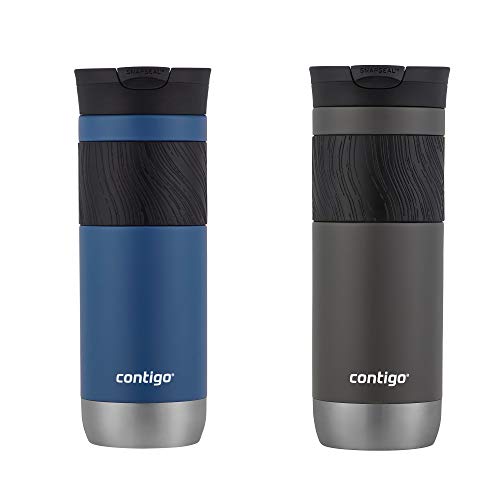
A practical adjustment: space your coffee out rather than drinking multiple cups in a short window, and match each cup with a glass of water. It sounds almost too simple, but it works for many people. Some older adults find that using an insulated water bottle they can keep at their side all day makes consistent hydration far easier to maintain.
If joint stiffness is disrupting your daily routine, balance and fall prevention strategies are also worth exploring — stiffness and instability often compound each other.
The Hidden Caffeine Sources Most Seniors Never Suspect
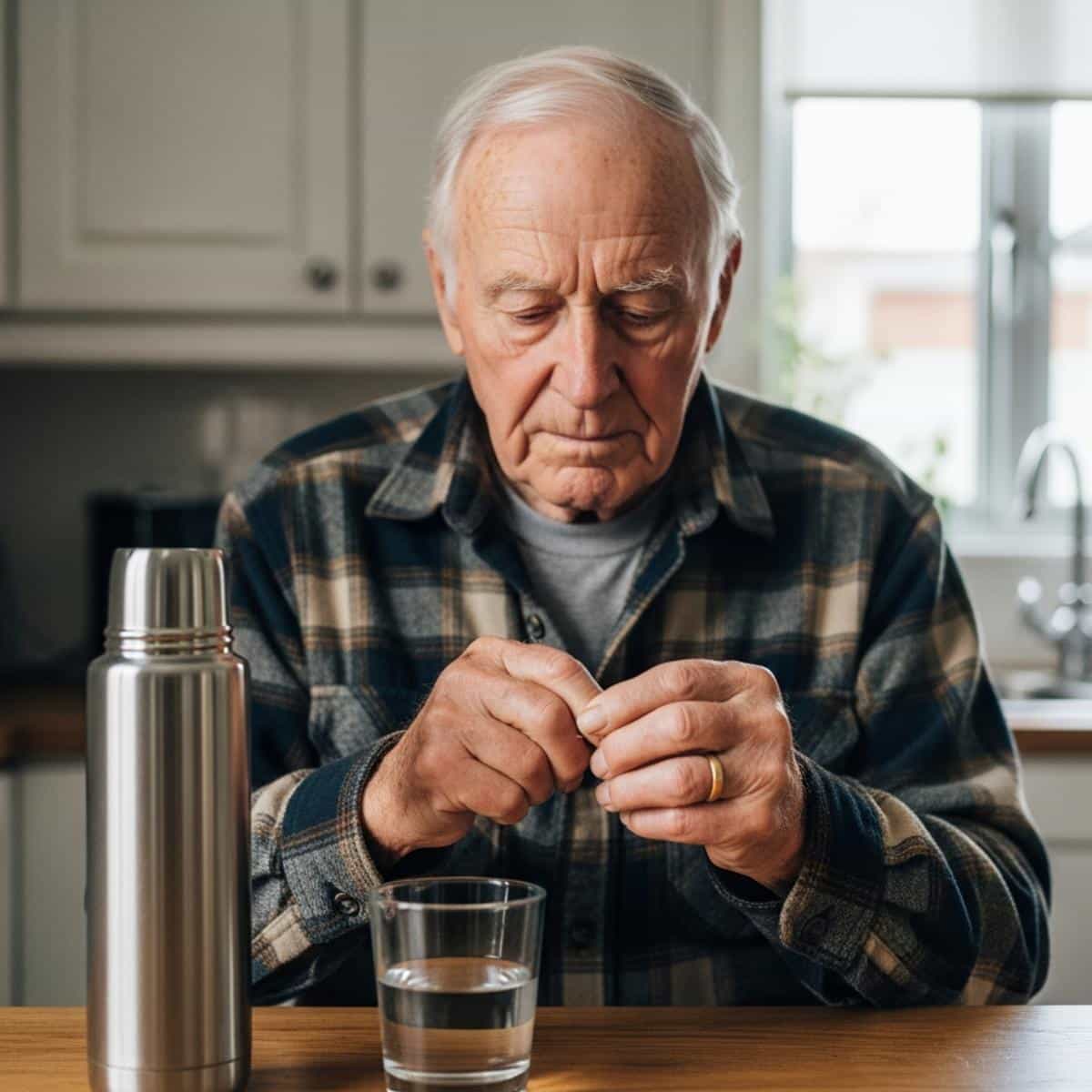
This is the section that surprises almost everyone I share it with.
Many older adults are consuming significantly more caffeine than they realize — not because they’re drinking extra coffee, but because caffeine hides in products they’d never associate with a cup of coffee.
Here are the sources most people overlook:
- Over-the-counter pain relievers — This one matters most for arthritis specifically. Excedrin contains approximately 65mg of caffeine per tablet. Some headache and migraine medications available without a prescription contain similar amounts. If you’re taking these for arthritis-related discomfort, you may be adding a meaningful caffeine dose you’re not counting.
- “Light” or “gentle” teas — Certain green teas marketed this way still contain real caffeine. Matcha contains significantly more than standard green tea. Even some herbal blends with green tea listed as an ingredient carry caffeine.
- Decaf coffee — Not caffeine-free. A typical decaf cup contains 10–25mg of caffeine. If you’ve switched to decaf thinking you’ve eliminated it, you may be surprised.
- Dark chocolate and chocolate-based products — Protein bars, meal replacement shakes, and cocoa-based supplements often contain meaningful caffeine amounts.
- Kombucha — Many older adults have adopted this for gut health, which is a great instinct. However, kombucha is made from tea and contains caffeine — typically 15–30mg per serving.
- Pre-workout or “active seniors” supplements — Some products marketed toward active older adults contain caffeine as an energy-support ingredient, sometimes without obvious labeling.
This list isn’t designed to alarm you. It’s designed to give you an accurate picture — because if you’re trying to understand whether caffeine is affecting your joints, you need to count all of it, not just the coffee cups.



Want more practical, research-backed guidance for living well with arthritis and aging confidently? Subscribe to the Graying With Grace newsletter for trusted tips and product recommendations designed specifically for older adults.
The three-day caffeine audit: For three days, write down every food, beverage, and over-the-counter product you consume. No app required — a notepad works perfectly. At the end, total up your caffeine sources across all categories. Most people are genuinely surprised by what they find. This single exercise gives you real information to work with instead of guessing.
If you’re managing multiple OTC medications alongside supplements, a daily pill organizer with tracking sections can help you see exactly what you’re taking each day — including any caffeine-containing pain relievers — so nothing gets counted twice or accidentally doubled.
How to Cut Back on Caffeine Gradually — Without the Withdrawal Headaches
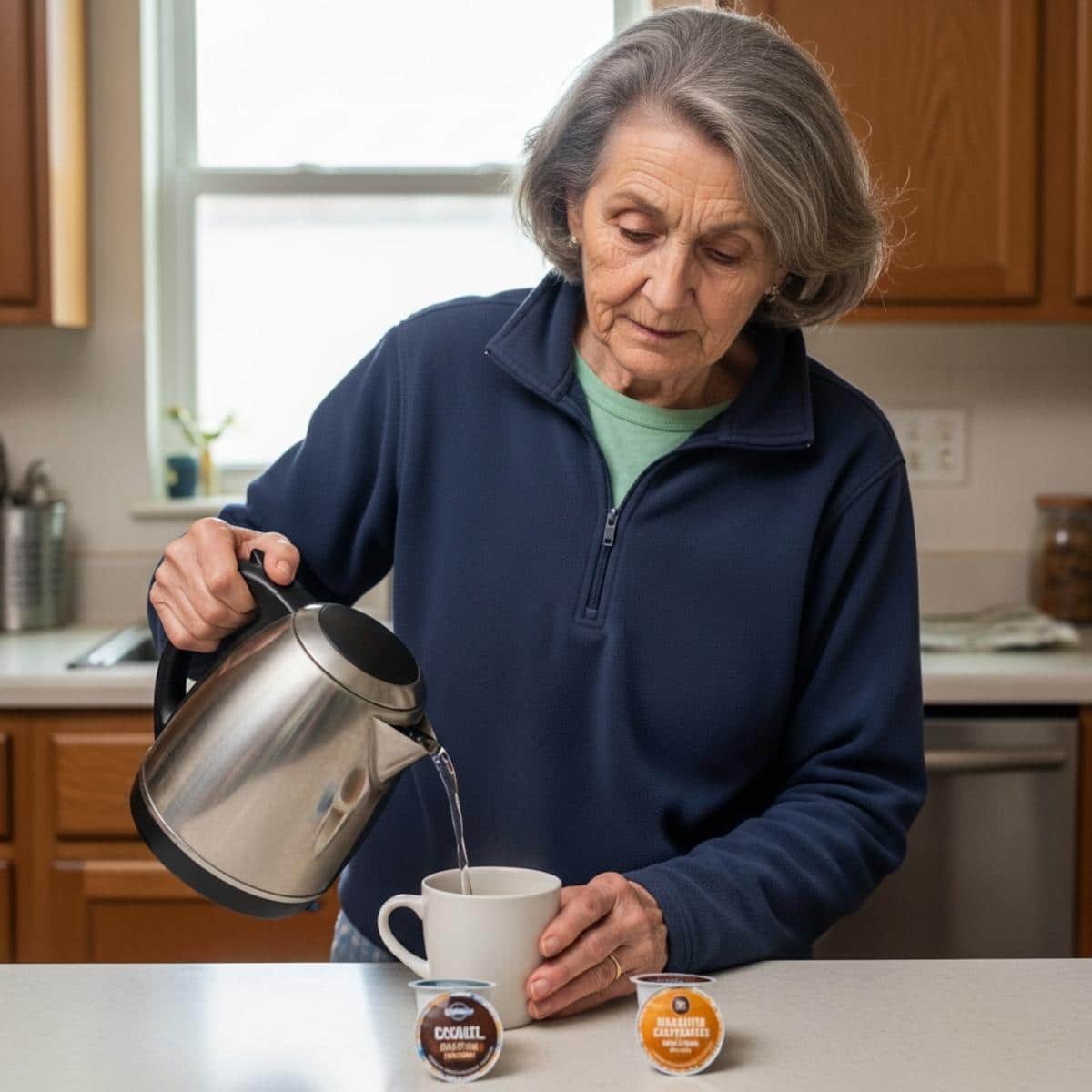
If your three-day audit reveals you’re consuming more than you realized and you’d like to reduce, here’s the critical piece of advice: do not stop abruptly.
Caffeine withdrawal is real. Headaches, fatigue, and irritability can start within 12–24 hours of cutting off caffeine cold turkey, and they can last several days. For older adults managing existing health conditions, that kind of disruption is worth avoiding entirely.
A gradual two-week reduction approach:
- Week One: Replace one caffeinated cup per day with a lower-caffeine or half-caffeinated alternative. Make no other changes.
- Week Two: Reduce by one additional cup or serving, and begin substituting non-caffeinated options in those slots.
- Ongoing: Assess how your joints feel. If symptoms have improved, you have useful data. If there’s been no change, caffeine may not have been the primary factor.
As a general reference point, many health professionals consider 200–300mg of caffeine per day a reasonable range for most older adults — roughly two to three standard cups of coffee. That’s not a hard rule, and individual responses vary, but it gives you a practical benchmark.
One important note: if you’re taking OTC pain relievers that contain caffeine — like Excedrin — and you’re trying to reduce your overall intake, talk to your pharmacist before switching products. Some medications work differently than others, and a pharmacist can help you identify alternatives that don’t carry the caffeine load.
For those already managing a complex medication and supplement routine, understanding what goes into your daily regimen is part of taking charge of your own health — and it applies to caffeine-containing products just as much as prescriptions.
Caffeine-Free Alternatives Worth Trying — and When to Loop in Your Doctor

Caffeine and Arthritis: Your At-a-Glance Reference Guide
Download our free financial security checklist to identify and close the specific vulnerabilities in your accounts that leave older adults exposed to fraud—no financial jargon required.
Reducing caffeine doesn’t have to mean giving up the ritual — the warmth, the quiet moment, the mug in your hands. There are genuinely satisfying alternatives worth trying.
Alternatives that deliver without the caffeine:
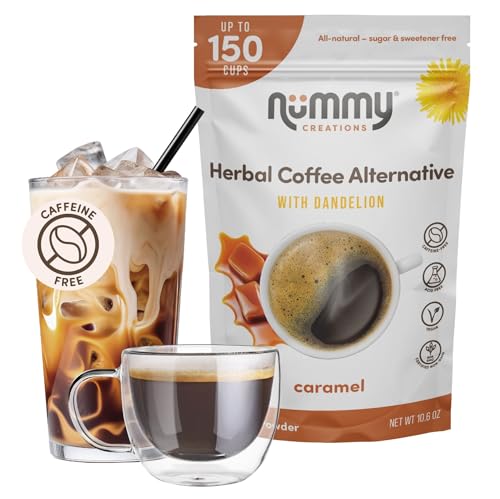
- Chicory root coffee — Brews like coffee, tastes remarkably similar, completely caffeine-free. Contains inulin, which supports gut health as a natural prebiotic.
- Dandelion root coffee — A roasted, earthy alternative with a slightly different flavor profile. Worth trying if you enjoy darker roasts.
- Golden milk — A warm turmeric-based drink that has become popular among older adults interested in natural joint support. Turmeric contains curcumin, which has been studied for anti-inflammatory properties.
- Rooibos tea — Naturally caffeine-free, slightly sweet, and rich in antioxidants. One of the most satisfying replacements for those who enjoy a warm evening drink.
- Ginger tea — Warming and flavorful, with some evidence supporting ginger’s role in reducing inflammation.
If you find alternatives you enjoy, that’s a genuine win. If you try them and confirm that your moderate coffee habit is perfectly fine, that’s useful information too. Either way, you’re making an informed choice — which is exactly the point.


When to talk to your doctor:
Certain situations genuinely call for a direct conversation with your physician rather than self-adjustment:
- If you’re taking methotrexate, certain biologics, or any medication where the prescribing information includes notes about stimulant interactions
- If your arthritis symptoms seem to shift noticeably — better or worse — in direct correlation with your caffeine intake
- If you experience heart palpitations, unusual fatigue, or sleep disruption alongside your current caffeine habits
- If you’re unsure whether a supplement you’re taking (especially those marketed for energy or focus) contains caffeine
Your doctor is the right person to ask about the intersection of caffeine and any specific medications you’re taking. That conversation doesn’t have to be complicated — a simple question at your next appointment is enough to get clarity.
The Bottom Line on Caffeine and Arthritis
The research on caffeine and arthritis does not require you to give up your morning coffee. What it does suggest is that total intake, hidden sources, and hydration habits matter more than most people realize.
A simple three-day caffeine audit, pairing your coffee with adequate water throughout the day, and being aware of what’s in your OTC pain relievers can make a real, measurable difference in how your joints feel — without eliminating anything you love.
You don’t need to follow a rule. You need better information. And now you have it.
Did any of the hidden caffeine sources on this list surprise you? Have you tried a caffeine-free alternative you’d actually recommend? Share your experience in the comments — your insight might be exactly what someone else needed to read today.