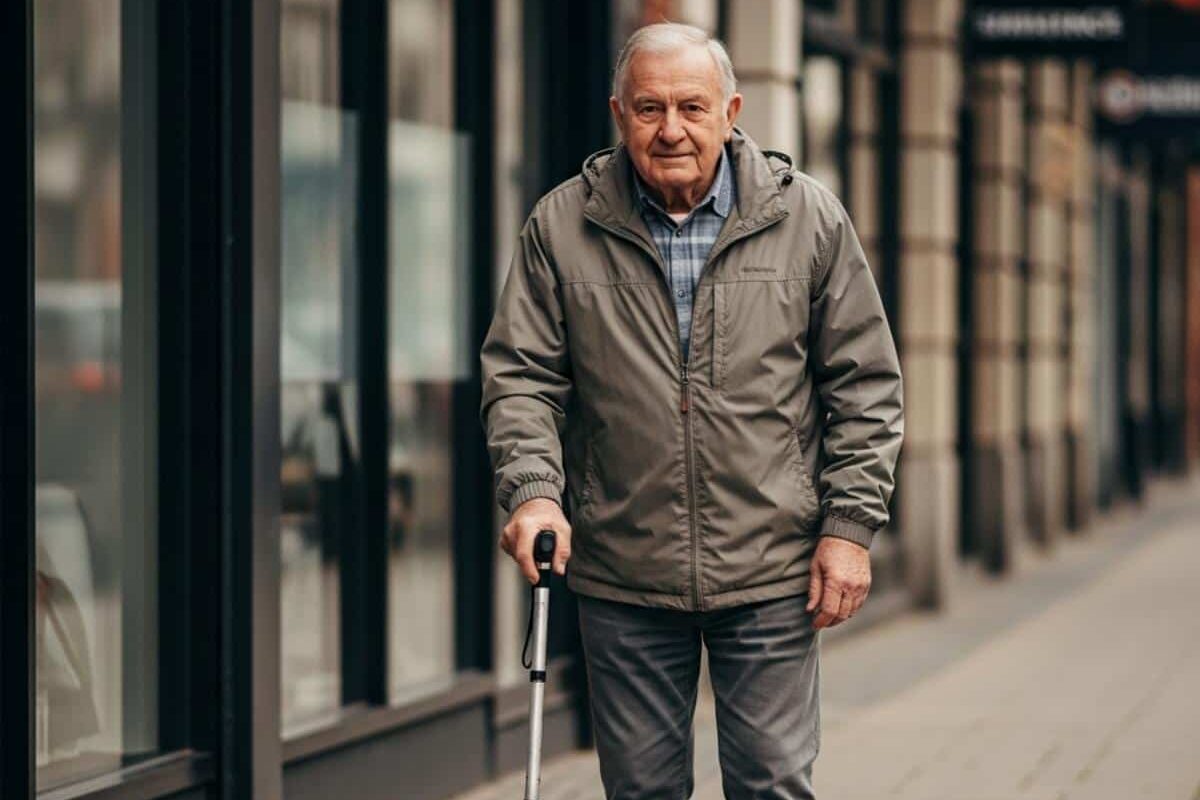
Picture a busy Saturday morning at the grocery store.
The floors near the entrance have just been mopped.
A cart is blocking the mat.
Someone is rushing past with a full basket.
In that moment, most people walk right through without a second thought — but that entry, in the first five seconds, is where falls happen most often.
Most fall prevention content focuses on the home — grab bars, loose rugs, bedroom lighting. But confident, independent older adults spend much of their time out in the world. Stores, parking lots, and restaurants present a different category of risk that rarely gets addressed.
What follows is a 6-point public safety system — a set of simple habits that takes seconds to apply and works anywhere you go. This isn’t about going out less. It’s about going out smarter.
Public Safety Checklist: Go Anywhere With Confidence
Download this practical, printable checklist to master six everyday safety skills that let you move confidently through grocery stores, restaurants, parking lots, and anywhere else—without fear of falls or accidents.
Point 1: The Entry Scan — Your First 5 Seconds Matter Most
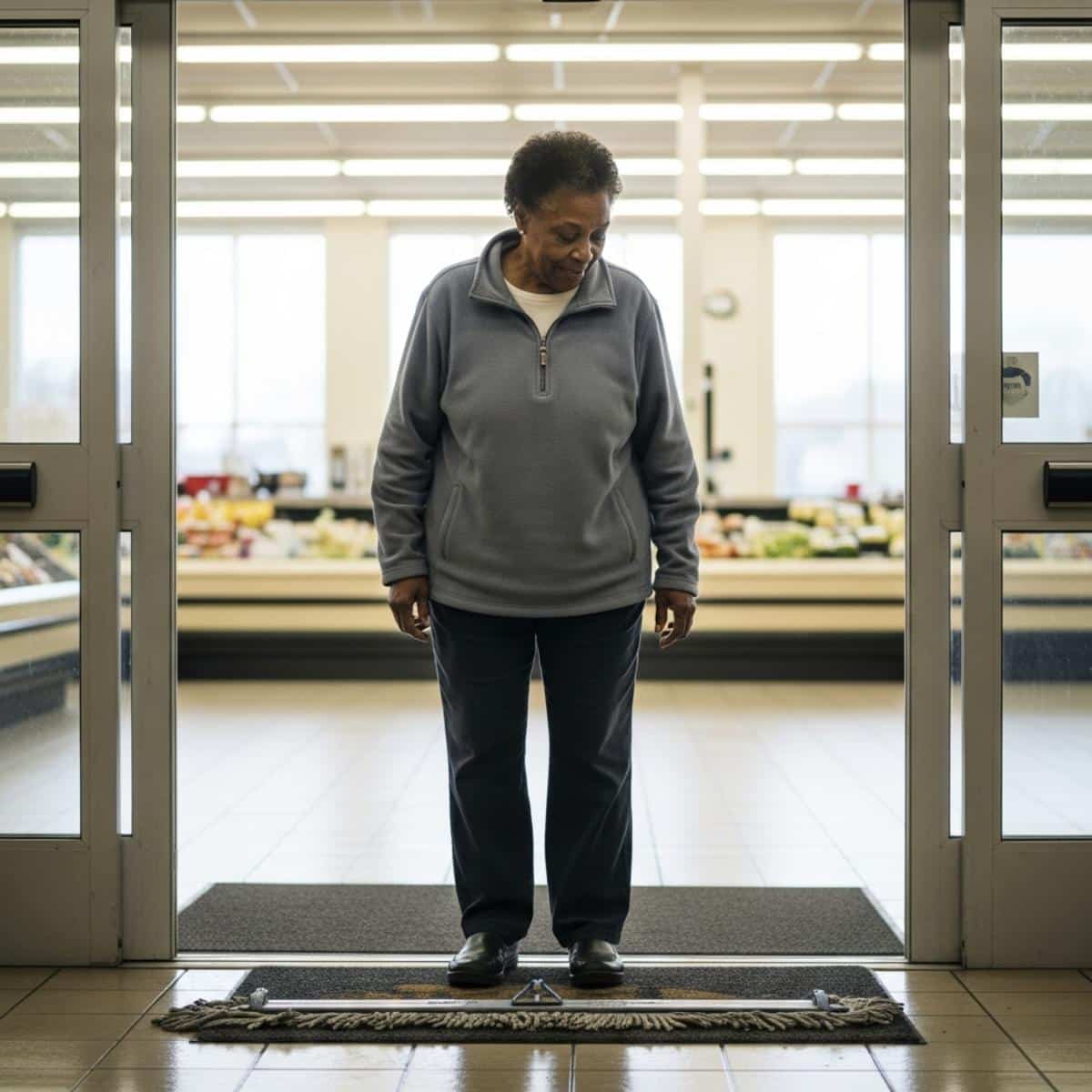
The moment you walk through any public entrance is when your risk is highest — and when most people are least alert.
Every transition from parking lot to store, from outdoor sidewalk to indoor lobby, involves three simultaneous changes: surface texture, lighting level, and sometimes temperature. On a cold day, that temperature shift creates condensation on smooth tile floors that is nearly invisible from standing height.
The three-element entry scan takes about three seconds:
- Floor surface — Is it tile, mat, or polished concrete? Is it wet near the door?
- Lighting change — Did the light just shift significantly? Give your eyes a moment to adjust.
- Foot traffic direction — Which way are people moving? Where is the clear path?
One thing I’ve observed over two decades working with older adults: “Caution Wet Floor” signs are almost always placed after someone notices a hazard — not before you reach it. You can’t rely on them as your early warning system.
The entry scan isn’t hesitation. It’s the same situational awareness a careful driver uses at an intersection. Experienced people do it automatically.
Action point: Starting this week, pause at every public entrance — just briefly — and run the three-element scan before committing to a path.
Point 2: The Grocery Cart Strategy
A standard grocery cart, used correctly, functions as a rolling stability aid — without drawing attention or requiring any mobility device.
Most older adults either grip the cart too loosely (using it only for carrying) or lean on it too heavily (which shifts the cart unpredictably). The right approach is somewhere between: hands resting lightly on the bar, elbows slightly bent, walking upright rather than leaning forward into the cart.
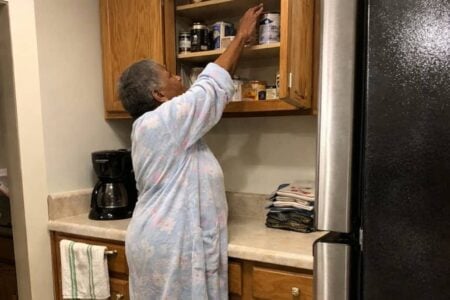
The one move most people miss: When reaching for an item on a high or low shelf, reposition your feet first. Don’t just extend your arm while your feet stay planted. Step toward the shelf, get your center of gravity over the item, then reach. Reaching with extended arms while your feet stay planted is one of the most common grocery store fall mechanics I’ve seen.
This principle connects directly to balance training habits that protect you from falls — the same body mechanics apply whether you’re in a physical therapy session or the cereal aisle.
Action point: Next time you grocery shop, practice repositioning your feet before every shelf reach. It takes about one trip to make it feel natural.


Point 3: Parking Lot Navigation
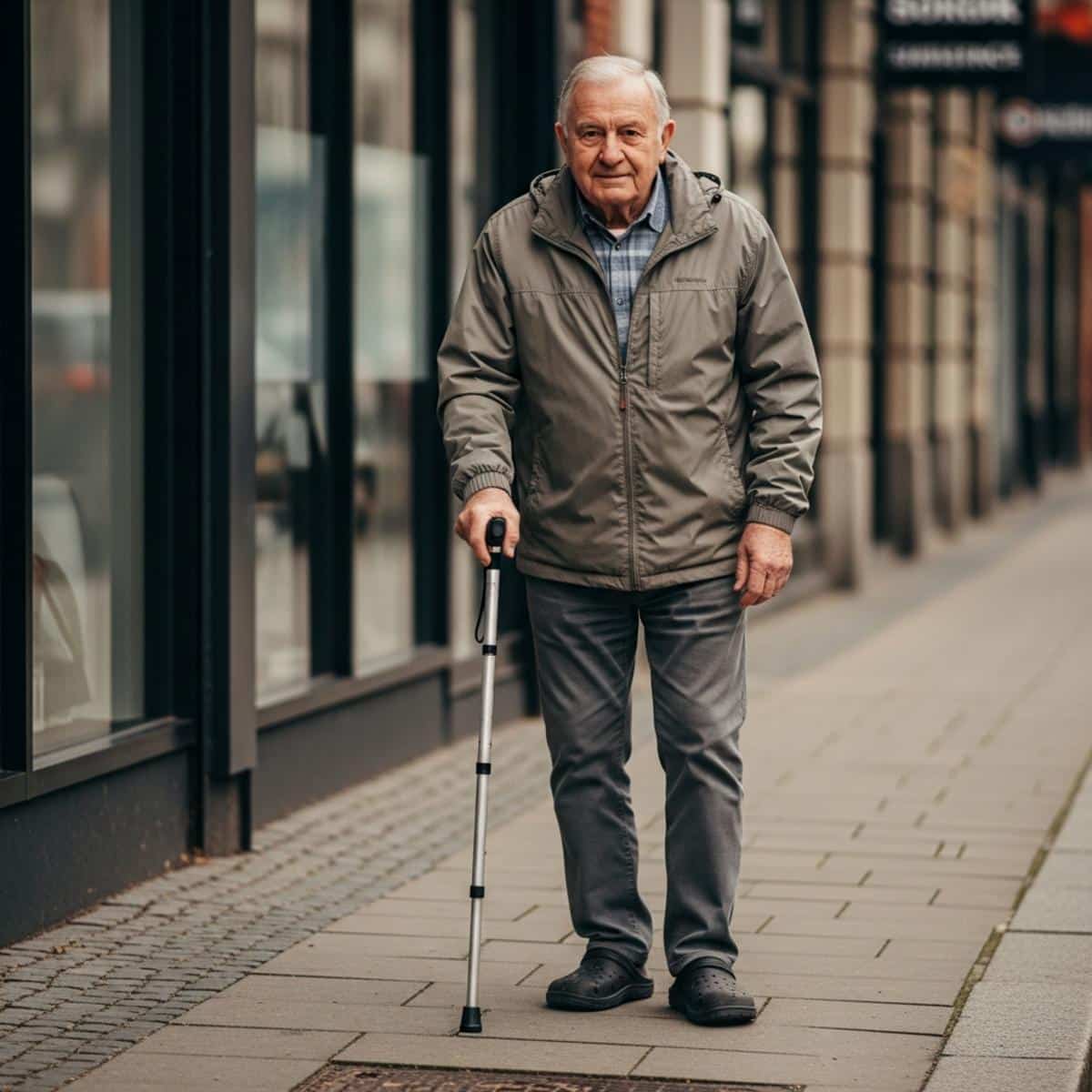
Parking lots are one of the most underestimated fall environments for older adults — uneven surfaces, painted lines that become slippery when wet, and inconsistent lighting all combine in an open space where there’s nothing to hold.
Choose your spot deliberately:
- End-cap spaces give you one open side with no car door swinging into you
- Well-lit areas matter more than proximity to the entrance
- Avoid spaces between large trucks or SUVs — they block your sightlines and require navigating around blind corners
The back-in habit: Backing into a parking space means you exit facing forward, with full visibility of oncoming traffic and surface conditions. It’s a technique professional drivers use in unfamiliar locations for exactly this reason.
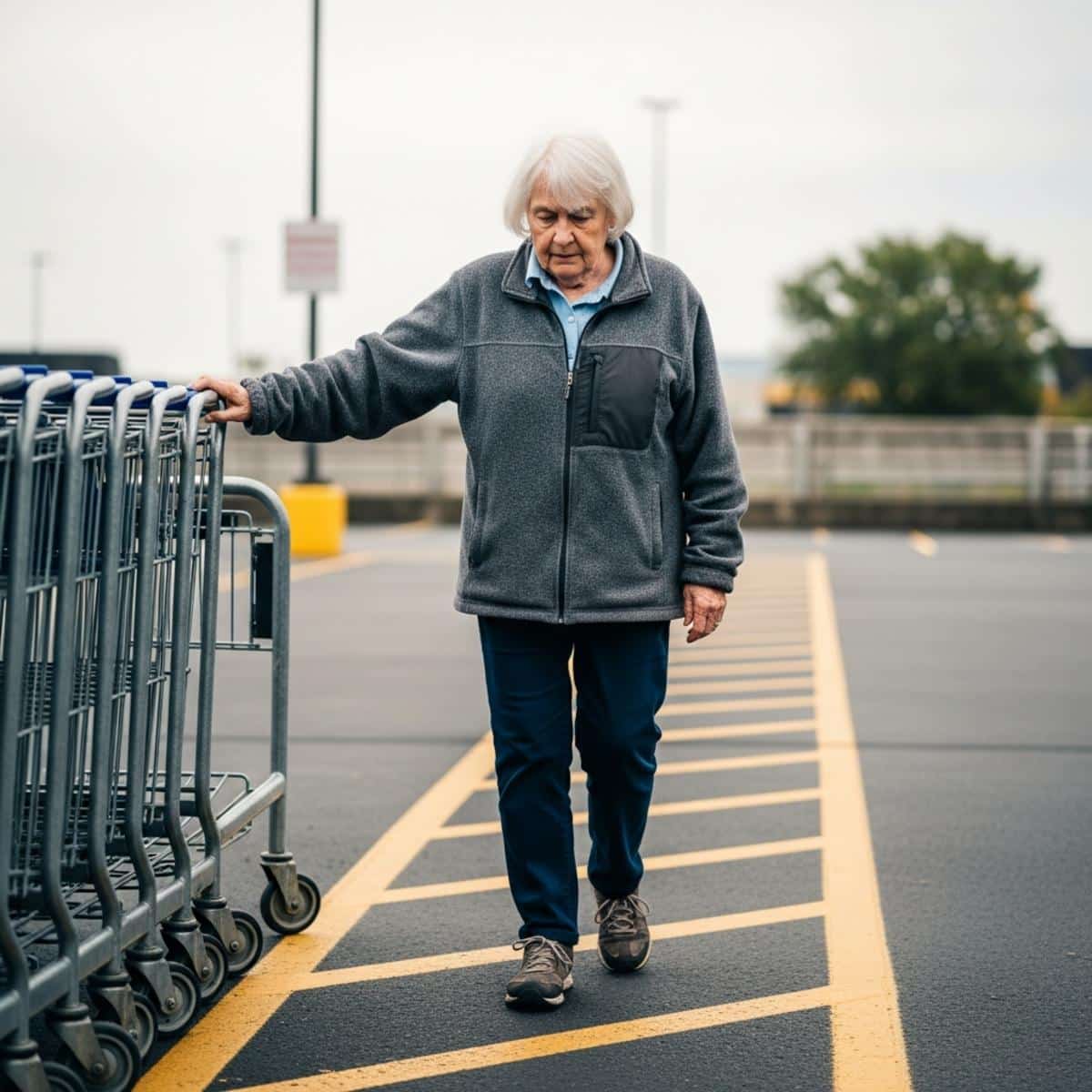
Use cart corrals as waypoints: In a large parking lot, cart return corrals are stable, fixed structures placed at regular intervals. Walking toward the next corral gives you a destination anchor across open pavement — and something to steady yourself against if needed.
Surface reading in parking lots:
- Wet painted lines (crosswalks, parking dividers) are significantly more slippery than unpainted pavement
- Blacktop that looks slightly different in patches often means uneven surface or a filled crack — step carefully
- Shaded areas of any outdoor lot stay wet and sometimes icy long after sun-exposed areas have dried
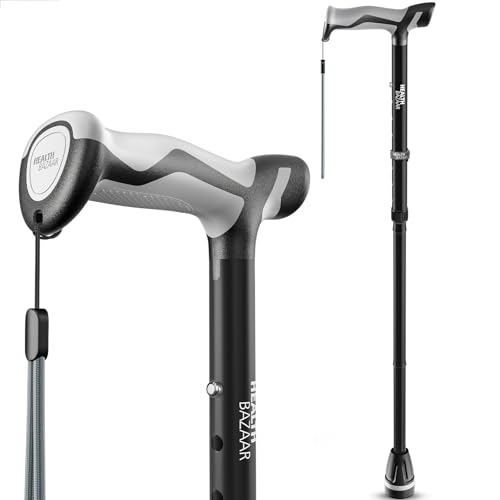
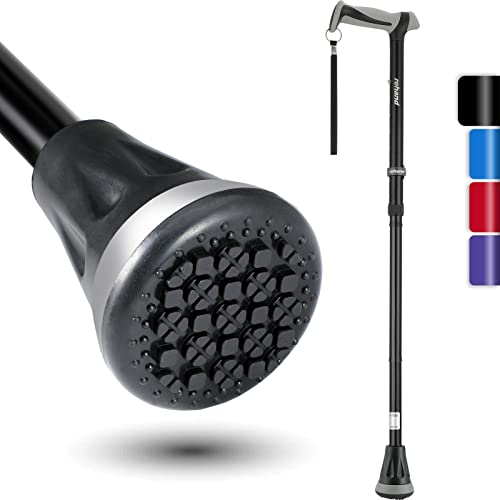
Some older adults I’ve worked with keep a lightweight, collapsible walking cane in their tote bag or car — not for constant use, but available when surfaces are uncertain. A folding travel walking stick takes up almost no space and provides genuine confidence on wet or uneven ground without requiring full-time use.
Action point: Identify one change to your parking routine this week — whether it’s choosing end-cap spaces, practicing the back-in, or simply reading the surface before your first step.


Want more practical strategies for staying safe, independent, and active as you age? Subscribe to the Graying With Grace newsletter for expert-tested tips and product recommendations designed specifically for older adults.
Point 4: Restaurant Safety — Chairs, Booths, and Entry Steps
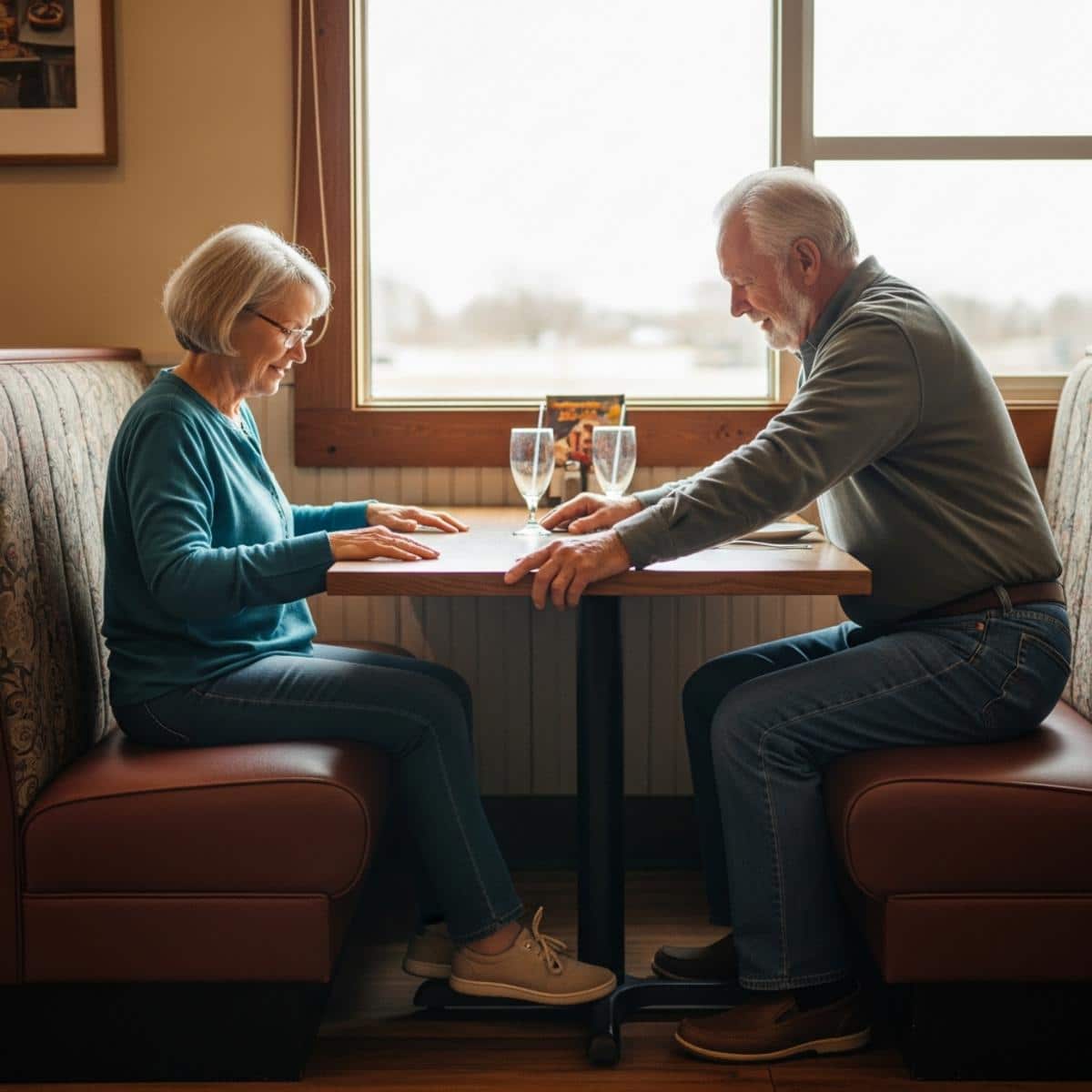
Restaurants present several overlooked fall risks — and knowing how to navigate them quietly turns a potential problem into a non-issue.
The three chair types to avoid:
- Low-slung chairs without arms — getting up from these requires significant quad strength and forward momentum that can end badly on a hard floor
- Chairs with wheels or casters — common at newer, trendier restaurants; they roll when you try to push up from them
- Chairs on outdoor or uneven surfaces — legs catch on pavers, gravel, or decking gaps
How to request a booth without awkwardness: When the host greets you, simply say: ‘Could we get a booth if one’s available? I find them more comfortable.’ That’s it. No explanation needed. Restaurants seat people in booths constantly — this request draws zero attention.
Booths offer a fixed back, stable seating surface, and no chair to slide or tip. Same restaurant, same meal, significantly different risk profile.
Entry step awareness: Many restaurants have one or two entry steps that are poorly lit, unmarked, or finished in the same material as the surrounding floor. Before you walk through the entrance, glance down. This is where the same surface-reading skills that protect you outdoors apply inside.
One more thing: When a server brings drinks to your table, the floor around you often gets wet from condensation or small spills. Glance down before you stand. It takes one second.
Action point: Use the booth request script at your next restaurant visit. Notice how easy it is.
Point 5: Stairs, Escalators, and the Right-Side Rule
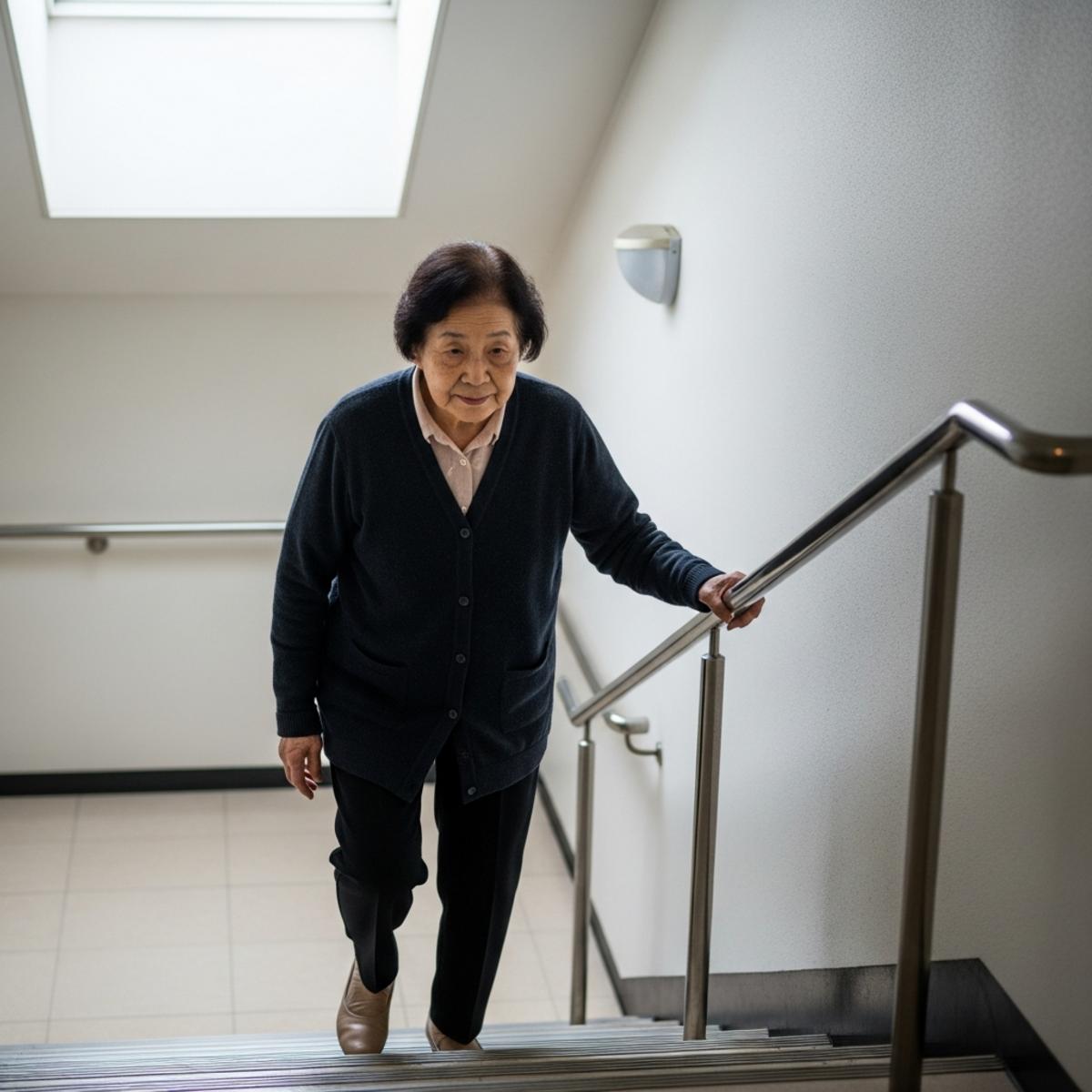
Vertical transitions in public spaces are where hesitation becomes dangerous. A clear framework removes the hesitation entirely.
The escalator decision: Choose the elevator over the escalator when you’re carrying bags in both hands, when your energy is lower than usual, or when you feel any uncertainty about foot placement timing. There’s no virtue in the escalator.
When you do use an escalator:
- Lead with your dominant foot, placing it parallel to the moving step — not diagonal
- Keep one hand on the rail from the moment you board
- The exit is higher risk than the entry — look forward, not down, and let the step carry your foot to flat ground before stepping off
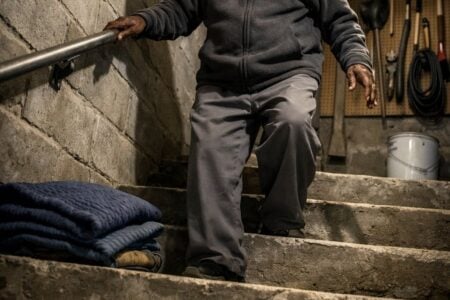
The right-side, handrail-side rule: In virtually every U.S. public building, the right side of a staircase has a handrail. Always position yourself on the right. Always use the rail.
The stronger leg rule:
- Going up stairs: lead with your stronger leg
- Going down stairs: lead with your weaker leg (it bears less load at the bottom of each step)
Using handrails isn’t a sign of unsteadiness. It’s the same technique taught to hikers, construction workers, and athletes. It’s the smart use of what’s available — and it connects directly to the everyday home safety habits that keep falls from happening in the first place.
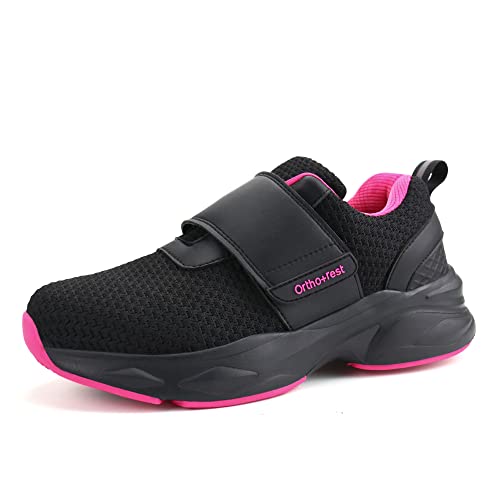
For public stairs and escalators where grip is important, some older adults find that lightweight non-slip grip gloves provide extra confidence in cold weather when hand sensitivity is reduced. Supportive walking shoes with non-slip soles are foundational equipment for anyone spending regular time in varied public environments.
Action point: Practice the escalator foot placement technique at a low-traffic time — a weekday morning — so it’s automatic before you need it under pressure.



Point 6: Weather Surface Reading — See the Risk Before You Step
The ability to read a surface visually before committing your weight to it is a learnable skill — and it may be the most valuable habit in this entire system.
What to look for:
- Black ice looks like a wet surface but reflects light differently than standing water. It has a subtle, flat shine rather than the glossy sheen of liquid. If a surface looks wet but the surrounding area is dry, treat it as ice.
- Glossy lobby tile near building entrances is almost always more slippery when wet than it appears. Light-colored, high-polish tile near entry mats is a consistent hazard.
- Shaded concrete stays wet long after rain stops and long after sunny sections have dried. A walkway that looks fine from the parking lot may have a shadow-soaked patch right at the ramp.
- Painted surfaces — crosswalk stripes, parking lot lines, outdoor steps with painted edges — become dramatically more slippery when wet.
The pause-and-plant technique: Transfer your weight onto your front foot first before fully committing your back foot. This simple habit catches a slip before it becomes a fall. Your front foot tests the surface; your back foot stays planted until you know it’s safe.
Seasonal timing to remember: In early fall and late spring, overnight temperatures can dip just below freezing even when daytime feels mild. Morning surfaces — especially shaded ones — may have a light frost that burns off by mid-morning. If you’re heading out before 9 a.m. in shoulder seasons, surface reading matters more, not less.
On frosty mornings, a pair of ice cleats for slippery morning surfaces can add grip, and the same article covers de-icers that are gentle on concrete.
This connects to the broader principle behind checking your home exterior for seasonal hazards — the same awareness applies the moment you leave your property.
Action point: For the next two weeks, consciously practice surface reading every time you approach a public entrance. Within two weeks, it becomes automatic.
Public Safety Checklist: Go Anywhere With Confidence
Download this practical, printable checklist to master six everyday safety skills that let you move confidently through grocery stores, restaurants, parking lots, and anywhere else—without fear of falls or accidents.
You Don’t Have to Go Out Less — You Go Out Smarter
The six points — the entry scan, grocery cart mechanics, parking lot navigation, restaurant seating awareness, stair and escalator technique, and surface reading — aren’t restrictions. They’re the tools that let you go anywhere with confidence.
Staying safe in public spaces is a skill, not luck. The same intelligence and accumulated experience that makes you good at everything else in your life applies here.
Pick one point from this system and start using it this week. Then come back and tell me in the comments: which tip surprised you most? Which one do you already use without realizing it? The most useful insights often come from people who’ve been navigating the world wisely for decades — and that’s exactly who reads this.
For more on protecting your independence at home and in the world, this guide to what happens to your brain and body in an unsafe environment and these specific steps for what to do immediately after a fall are worth your time.