
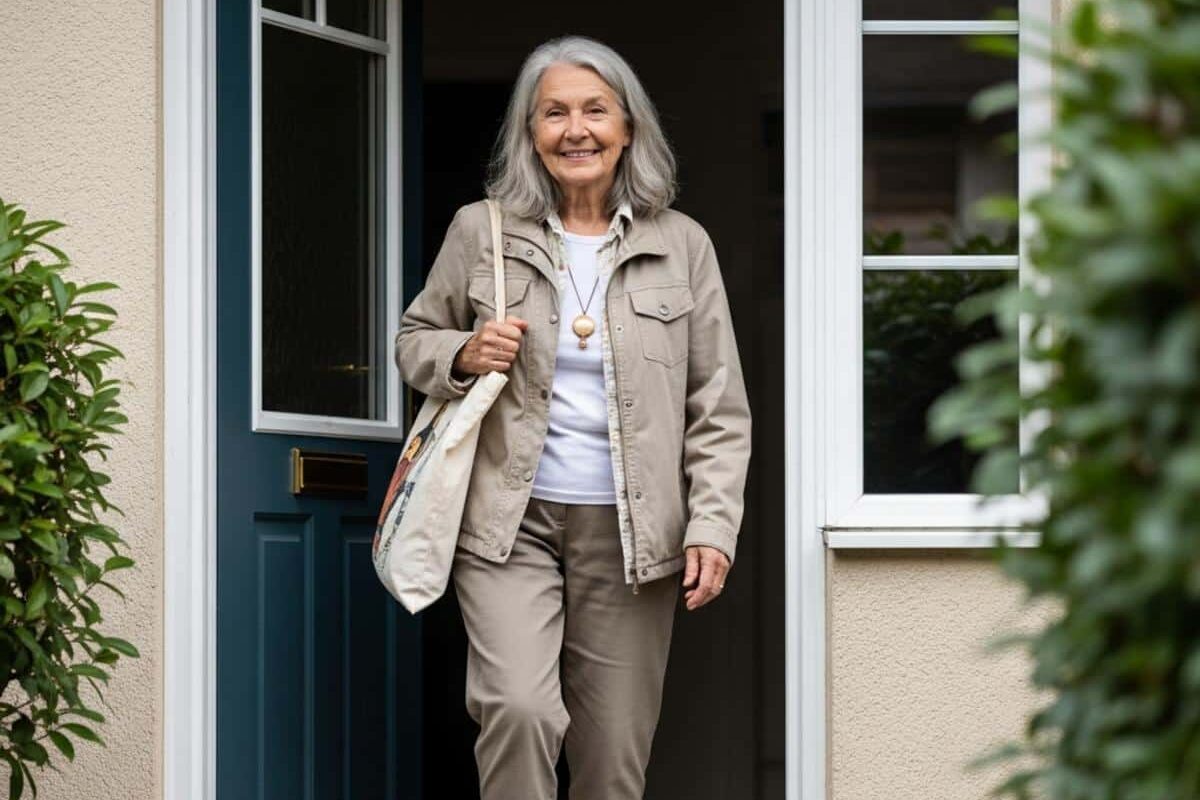
There’s a moment many older adults recognize immediately.
A daughter starts handling the grocery order. A son takes over the bill payments. Each gesture feels kind. But something quietly shifts – not in the body, but in the mind.
If you’ve felt that subtle erosion and couldn’t quite name it, this is for you. And if you’re a caregiver who genuinely wants what’s best for your parent, this is for you too – because what the research shows about independence may change how you think about helping.

How to Talk to Family and Keep Your Independence
Get word-for-word scripts that help you stay in control of your life decisions while keeping family relationships clear and respectful—no more miscommunication or unwanted pressure.
The Psychological Benefits of Staying in Control Are Bigger Than You Think
Most conversations about aging in place focus on physical safety. Ramps. Grab bars. Fall prevention. Those things matter – but they’re not the whole story.
The deeper case for independence is psychological.
When older adults maintain control over their daily decisions – what they eat, when they leave the house, how they manage their home – they experience measurably higher life satisfaction, lower rates of depression, and stronger cognitive engagement. This isn’t anecdotal. It’s a well-documented pattern I’ve seen consistently across two decades of working with older adults.
After retirement, many of the external roles that anchored identity – professional, provider, community leader – fall away. What remains is the texture of daily life: your routines, your choices, your home on your terms.
When those things stay yours, you stay yourself.
Consider two older adults with similar physical health. One manages her own schedule, handles her finances, and navigates her neighborhood independently. The other has had those tasks gradually absorbed by well-meaning family members. The difference in their daily energy, sense of purpose, and emotional resilience is striking – even when their physical health is identical.
Independence isn’t stubbornness. It’s one of the most powerful things you can do for your mental and emotional health.
Reflection point: Which daily decisions and routines do you currently own? Which ones have you quietly handed over – not because you needed to, but because it felt easier to let someone else take over?
What Happens When Well-Meaning Help Goes Too Far
There’s a concept in psychology called learned helplessness. It describes what happens when people repeatedly have tasks done for them: they begin to believe – genuinely believe – they are incapable of doing those things themselves.
In older adults, this pattern is linked to increased depression, reduced physical activity, and faster cognitive decline. It doesn’t require neglect or poor intentions to develop. It develops through kindness applied in the wrong direction.
Here’s the pattern I see most often:
- A caregiver steps in once to help with something
- It goes smoothly, so they do it again
- It becomes the new normal
- The older adult stops expecting to do it themselves
- Gradually, they stop believing they can
This is the hidden cost of over-assistance. Not dramatic. Not sudden. Just a quiet narrowing of what a person believes they’re capable of.
The contrast matters: a caregiver who takes over grocery shopping entirely is solving a logistical problem but creating a psychological one. A caregiver who goes along, helps where genuinely needed, and lets their parent navigate the store keeps that person engaged, capable, and in control of something meaningful.
Understanding what actually causes seniors to withdraw from daily activities can help families recognize when help is becoming harm.
Helping someone do less is not always helping them. Sometimes the most loving thing is to step back.
For caregiver readers: Do a simple audit. Which tasks are you doing for your loved one that they could still do themselves – even if it takes longer, or looks different than it used to?
Want more practical guidance on supporting independence without overstepping? Subscribe to our newsletter for expert-tested strategies designed specifically for older adults and the families who love them.

How the Right Home Modifications Support Independence Instead of Replacing It
Aging in place successfully isn’t about making a home look like a care facility. It’s about removing the specific friction points that would otherwise force you to ask for help you don’t want to need.
There’s an important distinction here:
- Modifications that enable independence remove barriers so you can keep doing things yourself
- Modifications that signal incapability – imposed rather than chosen – can quietly reinforce the wrong message
A grab bar in the shower isn’t a symbol of decline. It’s a tool that means you don’t need to call your daughter every time you want to bathe safely. That’s independence, not the loss of it.
Knowing which bathroom danger zones carry the highest fall risk is the first step toward making targeted changes that matter.
Small, well-chosen adjustments extend independent living by years without transforming the character of a home:
- Suction cup or wall-mounted grab bars in the bathroom keep you safe without requiring any structural changes
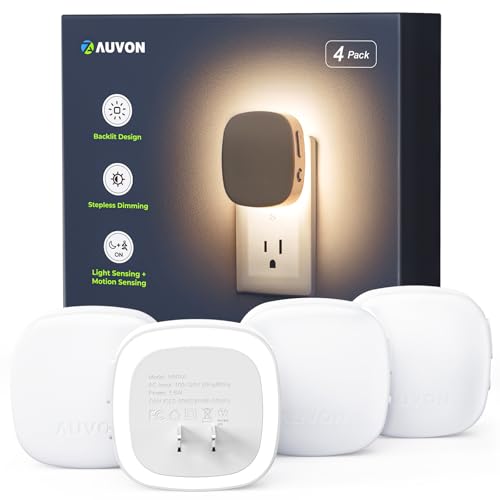
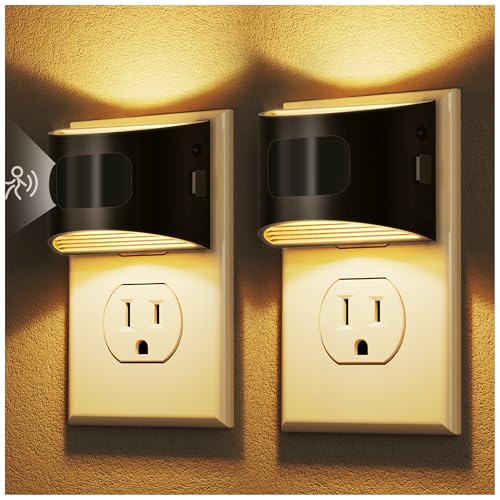
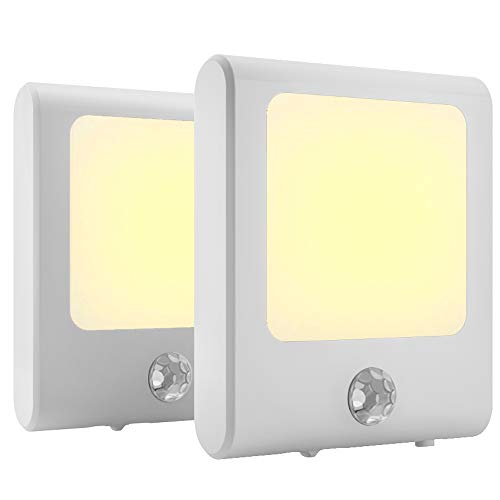
- Motion-activated lighting along nighttime paths removes a real hazard without requiring anyone to remember to turn lights on
- Voice-controlled smart home devices like Amazon Echo let you manage timers, reminders, calls, and information without picking up a phone
- Personal emergency response systems mean that if something does go wrong, you can handle it yourself – without needing someone in the house with you
The older adult who makes thoughtful, proactive modifications ahead of any crisis continues living on her own terms. The one who waits until a fall forces change often finds the transition feels like loss of control rather than protection of it.
The bedroom is one of the highest-risk areas for nighttime falls – and a few low-cost changes there can make an enormous difference in confidence and safety.
Action point: Identify one or two areas of your home where a small modification would reduce your reliance on others – and make that change on your own timeline, before someone else suggests it.


How to Talk to Your Family About Preserving Your Independence
These conversations often go sideways for a predictable reason: adult children focus on risk, older adults focus on identity, and neither side feels heard.
Your daughter sees a potential fall. You see your home, your life, your routine. Both perspectives are real. But they’re talking past each other.
The first thing worth naming clearly – to yourself and to family – is the difference between accepting help and surrendering control. These are not the same thing.
Accepting help means: “I’d like you to drive me to this appointment.”
Surrendering control means: “You decide what appointments I go to.”
One is a choice. The other is a handover. You get to decide which one is appropriate and when.
Here’s practical language that works in these conversations:
- “I appreciate that you’re concerned. Here’s what I actually need help with – and here’s what I want to keep managing myself.”
- “I’m open to making some changes at home. I’d like to be the one to choose what those changes are.”
- “When you take over without asking, even with good intentions, it makes me feel like you’ve stopped trusting my judgment. That’s not what either of us wants.”
If you’re navigating a parent’s resistance to certain kinds of help, understanding the psychology behind that resistance can reframe the entire dynamic.
For families who want to stay connected without creating surveillance dynamics, tools like the MemoryBoard – a family communication display that shows messages and reminders without requiring the older adult to operate a smartphone – can bridge the gap between connection and privacy.
Advocating for your own independence is not being difficult. It’s being clear about what you need to thrive.
Action point: Identify one specific area where you want to maintain control. Write down one or two clear sentences you could say to family that communicate that boundary with confidence and warmth.





Tools and Habits That Extend Independent Living Without Requiring Constant Help
The best tools for aging in place share one quality: they quietly eliminate the gaps where dependence would otherwise creep in.
They don’t require caregiver involvement to work. They don’t announce themselves as assistive devices. They just make it easier to keep doing life on your own terms.
The older adults I’ve seen maintain independence the longest share a common approach: they don’t wait for a crisis to make adjustments. They look at their daily routines honestly and ask, “Where is this getting harder? What would keep me doing this myself?”
Proactively strengthening balance – one of the most overlooked aspects of staying independent at home – is one of the highest-return investments an older adult can make.
A few categories worth considering:
- Simplified voice assistants (Amazon Echo or similar) handle reminders, timers, calls, music, and information requests without requiring you to find your phone or ask someone else
- Personal emergency response systems give you a direct line to help in any situation without needing anyone present in the home
- Grip and dexterity tools in the kitchen – jar openers, electric can openers, ergonomic utensils – keep cooking independently viable longer
- Motion-sensor nightlights along bathroom paths remove one of the most common overnight hazards without any ongoing effort
Social engagement belongs on this list too. Staying connected to community – whether through faith groups, hobby circles, or regular family contact – sustains the cognitive vitality and sense of purpose that make independent living worth fighting for.
Action point: Name one daily task that has become slightly more effortful. Spend five minutes this week exploring whether a simple tool or habit change would let you keep doing it yourself.






How to Talk to Family and Keep Your Independence
Get word-for-word scripts that help you stay in control of your life decisions while keeping family relationships clear and respectful—no more miscommunication or unwanted pressure.
The Real Case for Staying Independent
Aging in place is not just a living arrangement. It’s a declaration that your life is still yours.
The research is clear: older adults who maintain control over their daily decisions experience better mental health, stronger cognitive resilience, lower rates of depression, and – consistently – a deeper sense of meaning and purpose. Not because independence is easy, but because it is theirs.
Your desire to stay in charge of your own life is not stubbornness or pride. It is one of the wisest, most health-protective choices you can make.
And for the caregivers reading this: supporting that independence – even when stepping back feels counterintuitive – is one of the most genuinely loving things you can do. The goal was never to do things for your parent. It was to make sure they could keep doing life for themselves.
When families understand what’s actually at stake in these decisions – not just safety, but identity and mental health – the conversation changes.
What’s one thing you do to protect your own independence? Or one small change you’re going to make this week? Share it in the comments – your experience might be exactly what someone else needs to hear today.





![Keep older woman reviewing photo album armchair[1]](https://www.grayingwithgrace.com/wp-content/uploads/2026/05/KEEP-older_woman_reviewing_photo_album_armchair1-1-e1778623130749-450x300.jpg)


