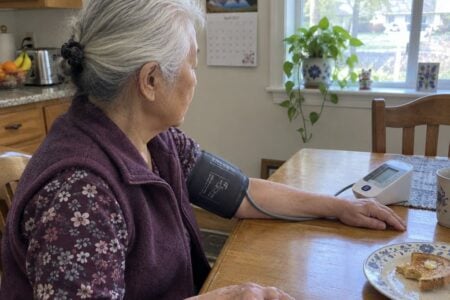
You walk out of your annual physical, paperwork in hand, having been told your numbers look “pretty good” or “a little elevated — just keep an eye on it.”
You nod. You drive home. And somewhere between the parking lot and the front door, you realize you have no clear idea what you’re actually tracking — or why it matters.
That’s not carelessness. That’s just never having been given the right frame.
There are five numbers that paint a far clearer picture of long-term health and vitality than most men over 60 realize. Four show up on standard lab panels. One — the most surprising — you can check yourself at home this afternoon.
Understanding these numbers isn’t about becoming anxious about your health. It’s about showing up to every appointment as an informed participant rather than a passive observer. That shift changes everything.

The Men Over 60 Health Numbers Checklist: Your Personal Baseline Tracker
Download this simple tracking checklist to establish your personal health baseline and catch warning signs early—so you can have smarter conversations with your doctor and take control of your long-term vitality.

Why Most Men Over 60 Leave the Doctor’s Office Without the Full Picture
The Gap Between Data and Understanding
Your annual physical generates real data. The problem is that most of it gets handed over with almost no context for what it means specifically for men in their 60s and beyond.
“Normal range” on a lab printout is calibrated to a broad population — not to a 68-year-old man who runs four days a week and sleeps six hours a night.
Trends Beat Snapshots Every Time
A single reading tells you where you are today. A pattern of readings over time tells you where you’re headed — and that’s the information worth having.
The goal here isn’t to replace your doctor’s judgment. It’s to arrive at your next appointment with intelligent questions and a baseline of your own. That’s not hypochondria. For a man who thinks in systems, that’s just good engineering.
Here are the five numbers worth tracking — and the one that will likely stop you mid-sentence.

Number 1 — Systolic Blood Pressure (The Silent One)
What the Top Number Actually Tells You
Blood pressure readings give you two numbers. For men over 60, the top number — systolic pressure — is the more meaningful one.
Systolic pressure measures the force your heart exerts against artery walls with each beat. As arteries naturally stiffen with age, this number tends to climb — even in men who are otherwise healthy and active.
What the Ranges Mean for Men Over 60
- Under 120: Optimal
- 120–129: Elevated — worth watching
- 130–139: Stage 1 high — worth a conversation with your doctor
- 140 and above: Stage 2 high — warrants prompt medical attention
Here’s the nuance most men never hear: a single reading in a clinical environment can be artificially high due to stress, caffeine, or simply being in a medical office. One number tells you almost nothing. A pattern of numbers tells you everything.
The Action That Actually Matters
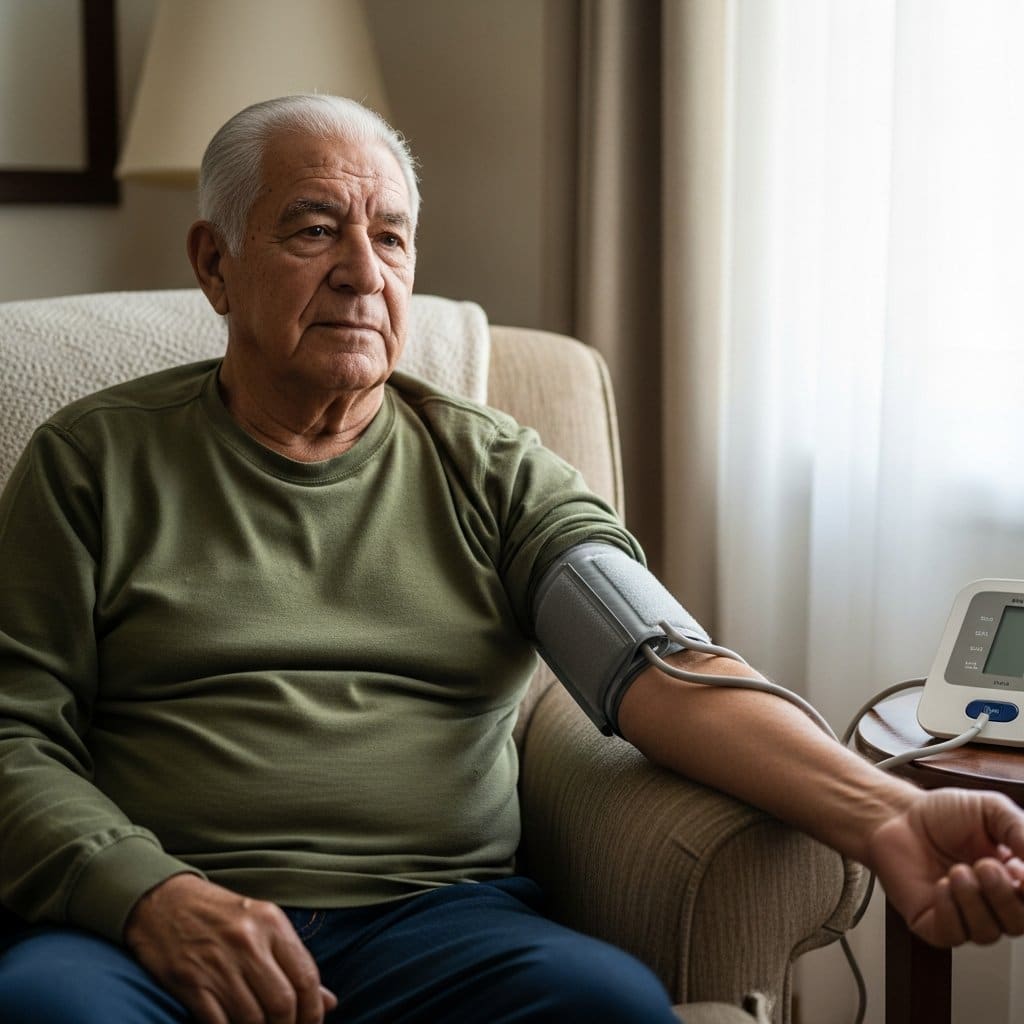
Check your blood pressure at home two to three times per week, at the same time of day, and log the results to bring to your next appointment. An upper-arm blood pressure monitor designed for home use offers clinical-grade accuracy that wrist models often can’t match.

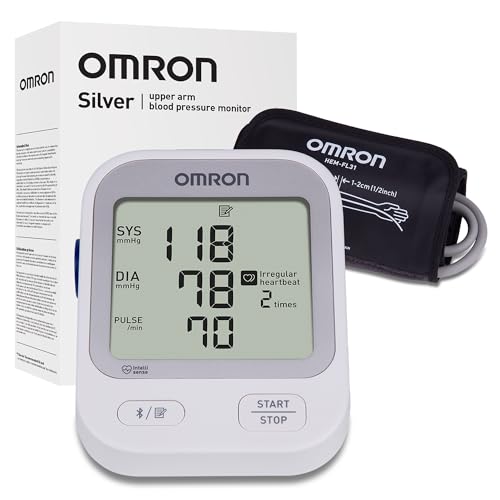
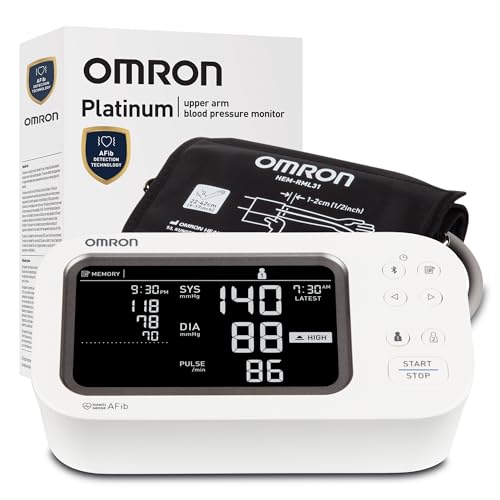
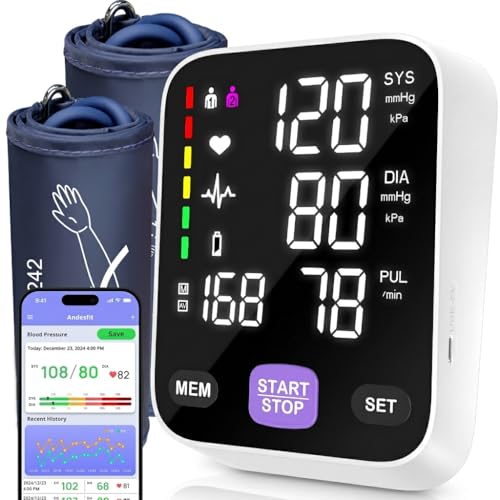


The trend over several weeks is the information your doctor actually needs — and that you now have the tools to provide.
Number 2 — Fasting Glucose (The One That Sneaks Up on You)
Why This Number Deserves More Attention
Fasting glucose measures how much sugar remains in your bloodstream after you haven’t eaten for at least eight hours. It’s one of the earliest indicators of metabolic disruption — and prediabetes in men over 60 frequently has no noticeable symptoms until it’s already progressed.
Reading the Ranges
- Under 100 mg/dL: Normal
- 100–125 mg/dL: Prediabetes range — worth a direct conversation
- 126 mg/dL and above: Diabetes threshold — requires medical attention
Here’s what the printout won’t tell you: a borderline result isn’t a diagnosis. It’s early information — exactly the kind of signal that’s easiest to act on when caught before it becomes harder to manage.
What Affects This Number Beyond Diet
Activity level, sleep quality, stress hormones, and body composition all influence fasting glucose. Men who are otherwise fit and active can carry elevated glucose without realizing it. That’s precisely why asking for this specific number at every physical — and tracking trends over time — matters.
Want more practical, expert-tested guidance for staying healthy and independent after 60? Subscribe to our newsletter for tips and tools designed specifically for older adults: Join here
Going Deeper Between Annual Visits
Some health-conscious older adults use a home glucose monitor — not because they’ve been diagnosed with anything, but because understanding how food, sleep, and activity affect their metabolic health between appointments is genuinely useful information.


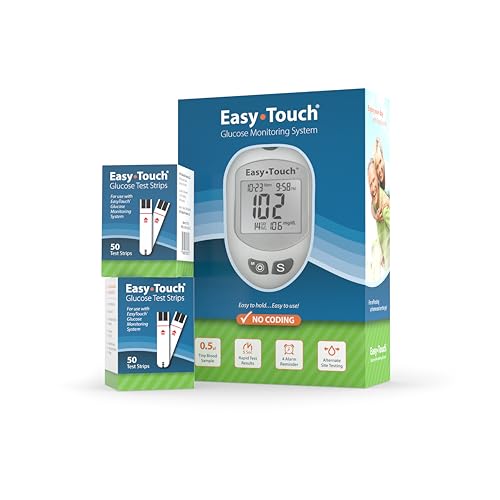
That kind of proactive awareness is the difference between guessing and knowing.

Number 3 — Grip Strength (The One That Predicts Almost Everything Else)
The Number Most Men Have Never Thought to Track
Here’s what the research actually shows: grip strength is one of the most thoroughly validated predictors of 10-year longevity in men — and almost nobody is tracking it.
That’s not a gimmick. It’s a finding replicated across dozens of large-scale studies. Grip strength functions as a proxy for overall muscle mass, neurological integrity, cardiovascular health, and metabolic resilience — all measured simultaneously in a single squeeze.
Why It Works as a Longevity Marker
Your hands are downstream of everything. Strong grip requires functioning motor neurons, adequate muscle tissue, good circulation, and sound metabolic health. When those systems decline, grip follows. When grip declines, the research shows the downstream consequences for longevity are measurable and significant.
What Good Grip Strength Looks Like for Men Over 60
General benchmarks suggest dominant-hand grip strength of 35–45 kilograms or higher is associated with better health outcomes for men in their 60s, though context matters. The more important signal is your personal trend over time — not a single comparison to a population average.
How to Establish Your Baseline
You don’t need a lab to check this one. A hand dynamometer — a simple grip testing device used in clinical settings — is available for home use and costs less than most supplements. Hand grip strength trainers and adjustable grip strengtheners designed for older adults let you both test and progressively build functional grip strength at home.


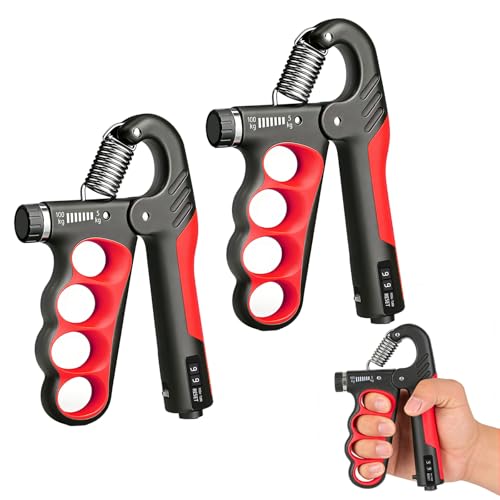

Measure monthly. Log the results. Watch what happens when you add targeted grip and forearm work to your routine.
The Encouraging Reality
Grip strength responds well to training at any age. This isn’t just a marker to observe — it’s one you can meaningfully move, starting this week.
Your grip isn’t just about opening jars. It’s a window into your body’s functional reserve — and it’s one of the few longevity markers you can actually improve.
The Men Over 60 Health Numbers Checklist: Your Personal Baseline Tracker
Download this simple tracking checklist to establish your personal health baseline and catch warning signs early—so you can have smarter conversations with your doctor and take control of your long-term vitality.
Number 4 — Waist Circumference (Not What You Weigh — Where You Carry It)
Why the Scale Misses the Point
Total body weight tells you relatively little about health risk for men over 60. Where fat is distributed — specifically around the abdomen — tells you far more.
Abdominal fat, particularly visceral fat that accumulates around internal organs, is metabolically active in ways that subcutaneous fat isn’t. It drives insulin resistance, elevates inflammatory markers, and is independently associated with cardiovascular risk — even in men who are otherwise within a “healthy” weight range.
The Number Worth Knowing
Research consistently identifies a waist circumference above 40 inches (102 cm) in men as a threshold associated with elevated health risk. This is a starting point for a conversation with your physician — not a verdict — but it’s worth tracking.
What Active Men Often Miss
Here’s what surprises many active older men: waist circumference can increase even when your weight stays exactly the same. As muscle mass shifts and body composition changes with age, fat can redistribute toward the abdomen without the scale moving at all. That’s why this specific measurement matters.
How to Measure It Correctly
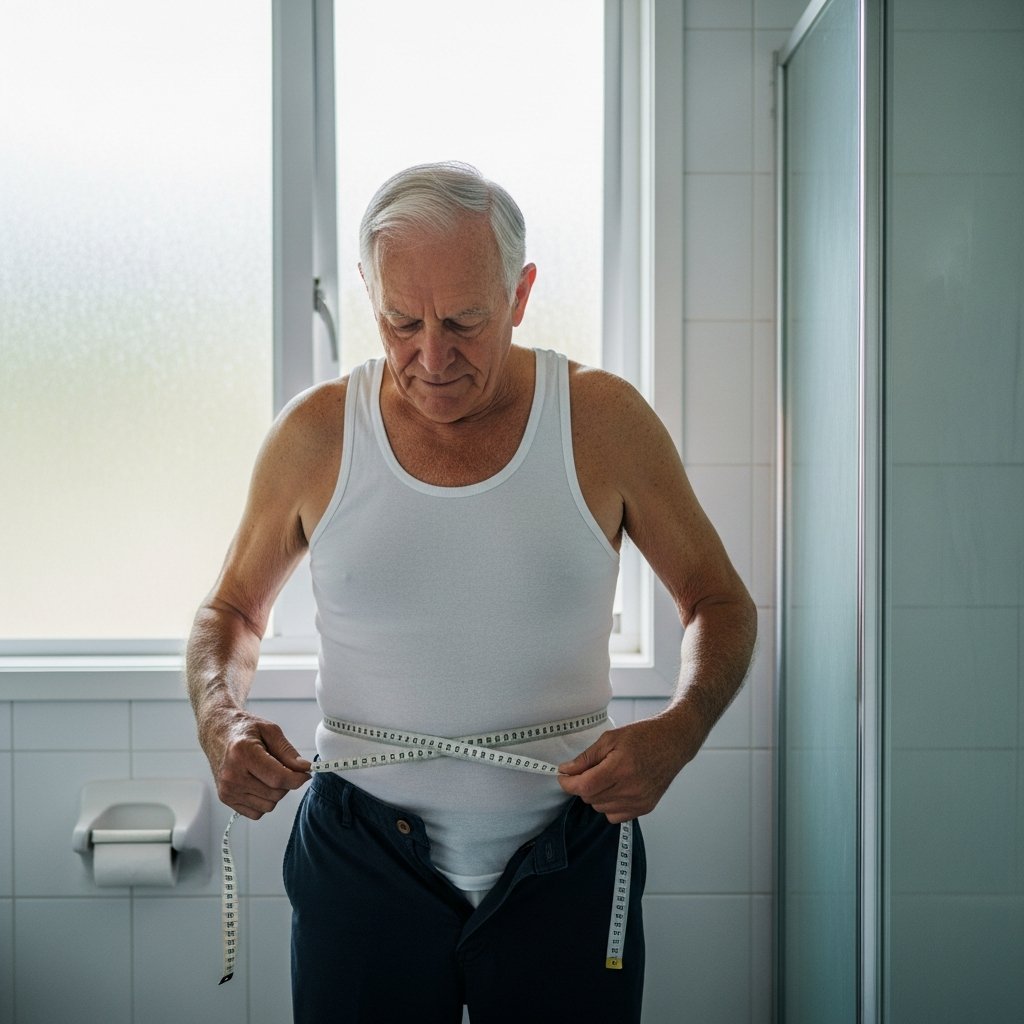
Use a soft tape measure at the same time of day, at the same point approximately one inch above your hip bone, taken at the end of a normal exhale. Log it monthly alongside your other metrics.
A smart scale that measures body fat percentage, visceral fat estimates, and muscle mass gives you a far more complete picture of what’s actually changing in your body than weight alone.


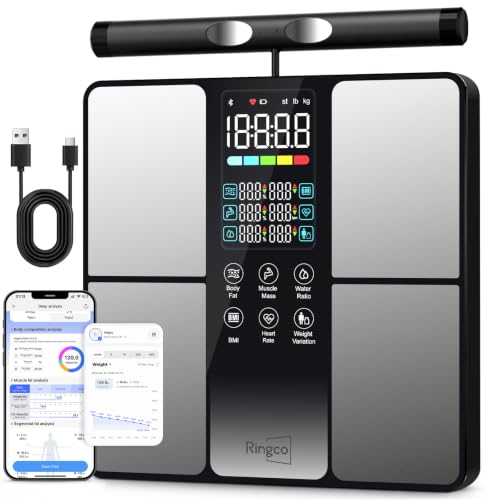
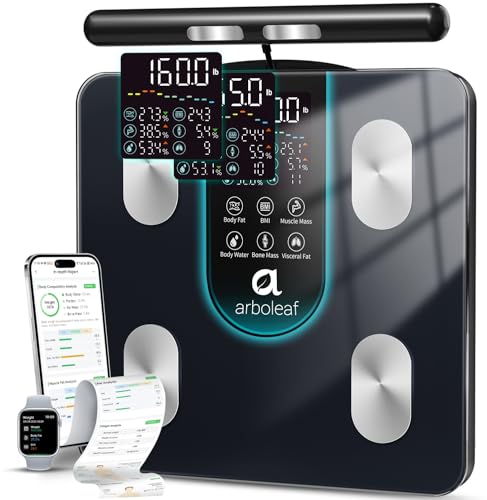
A $5 tape measure and a consistent habit will tell you more than the scale ever could.
Number 5 — Sleep Hours (The One Nobody Takes Seriously Enough)
The Myth Worth Correcting First
Many men over 60 believe they simply need less sleep than they used to. That belief is not supported by the research.
Men over 60 generally need 7–9 hours of quality sleep per night. Consistently sleeping fewer than 6 hours is associated with elevated cortisol, impaired glucose regulation, reduced testosterone, increased blood pressure, and compromised muscle recovery.
Sleep Doesn’t Just Affect One Number — It Affects All Four
Think of sleep as the amplifier for everything else on this list. Poor sleep raises blood pressure. It impairs glucose metabolism. It accelerates muscle loss — which directly affects grip strength. And it promotes abdominal fat accumulation even when diet and exercise haven’t changed.
Men who work hard at their health through exercise and diet while consistently sleeping six hours are undermining everything else they’re doing. Sleep isn’t rest from health — it’s where health is built.
Quality Matters as Much as Quantity
If you’re spending 7.5 hours in bed but waking two or three times a night, feeling unrefreshed in the morning, or crashing hard in the early afternoon, sleep quality — not just duration — may be the real issue. That distinction is worth raising with your physician.
The Simple Tracking Step
Track your actual sleep hours honestly for two weeks before your next appointment — not time in bed, but time genuinely asleep. Bring that log to your physician. It’s information most doctors rarely receive and genuinely need.
If you’re exploring mobility and safety improvements at home to support better nighttime rest and reduced fall risk, resources like our guide to fall prevention for older adults can help you create an environment that supports both safety and sleep.
Putting It All Together: Your Personal Health Baseline
These five numbers — systolic blood pressure, fasting glucose, grip strength, waist circumference, and sleep hours — give you a more complete picture of long-term health and vitality than most annual bloodwork panels provide on their own.
Together, they form a personal baseline worth returning to regularly, not just once a year.
You’ve spent a career solving complex problems by understanding systems. Your health is just another system worth understanding — and these five metrics are where that understanding starts.
The One Action Worth Taking This Week
Pick one number from this list and establish your personal baseline this week. Just one.
Maybe it’s checking your blood pressure at home for the first time with real consistency. Maybe it’s measuring your waist circumference before your next appointment. Maybe it’s testing your grip strength today and finally putting a number to something you’ve never tracked.
For men who prefer to stay physically active and engaged, our guides on choosing the right fitness tracker and safe exercise bike options can help you layer smart monitoring into an active lifestyle that’s already working for you.
And if you’re thinking about sharing this with someone else — a father, a brother, a friend who deserves better information than “keep an eye on it” — the mobility aids and best shoes for fall prevention guides here offer practical support for staying independent and active while you track what matters.
Which of these five numbers surprised you most? And which one are you starting with this week? Drop your answer in the comments — your experience might be exactly what someone else needs to read today.