
It’s day four. Your parent is in assisted living. You made this decision carefully, lovingly, and after months of agonizing over it. Then your phone rings.
They’re crying. They want to come home. And now you’re lying awake at 2 a.m. wondering if you made a terrible mistake.
Here’s what I want you to hear right now: what you’re feeling does not mean something has gone wrong. What your parent is experiencing does not mean the decision was wrong. This moment — the doubt, the guilt, the desperate urge to fix it — is one of the most common things families go through after an assisted living move-in.
This article will walk you through what the first 30 days actually look like, what’s normal, what genuinely warrants concern, and what you can do (and stop doing) to help your loved one land well.
The first 30 days have a predictable emotional arc. And understanding it changes everything.
First 30 Days in Assisted Living Family Monitoring Checklist
Download our free guide to speaking up with confidence and clarity—learn the exact phrases and strategies that help older adults, caregivers, and families communicate what matters most without frustration or misunderstanding.
The Adjustment Curve Is Real — And Week Two Is Usually the Hardest
Most families brace hard for move-in day. They prepare for tears at the door, the long drive home, the hollow feeling that follows. What they don’t prepare for is what comes after the adrenaline fades.
Care professionals who work with new residents consistently observe a 30-60-90 day adjustment arc. Early days bring disorientation. The middle weeks often bring a crash. Gradual settling follows — but rarely on a clean, upward slope.
Here’s the pattern I see most often: some residents initially seem fine. They’re curious about their new environment, engaged with staff, even positive on the phone. Then, somewhere around days seven to fourteen, something shifts.
The novelty has worn off. Family visits are spacing out. The new environment is no longer new — it’s just where they live now. That’s when the emotional weight sets in.
Week two is often the hardest week of the entire transition. Not move-in day. Week two.
Knowing this changes how you read what you’re seeing. If your parent hits a hard stretch around day ten, that’s not a warning sign — it’s a milestone. It means the transition is progressing exactly as it should.
Some families find that staying connected through brief, low-pressure check-ins — a quick video call or a short phone conversation — helps bridge the gap between visits without overwhelming a parent who is still finding their footing. The goal is warm presence, not extended contact that recreates home and slows integration.
Adjustment is not linear. Some days will feel like progress. Some will feel like setbacks. Both are expected, and neither one is the whole story.

What Looks Like a Red Flag But Usually Isn’t
This is where families get into the most trouble in the first month: misreading normal adjustment behaviors as evidence that something is wrong.
Here are the behaviors that alarm families — and are almost always textbook signs of adjustment grief:
- Complaints about the food — common, expected, and often unrelated to the actual food
- Saying ‘I want to go home’ — one of the most universal expressions of grief during any major life transition
- Complaints about staff — frequently reflects a need for control more than an actual problem with care
- Withdrawing from activities — typical in the early weeks, especially for introverted or private individuals
- Tearful phone calls — often means your parent trusts you enough to be honest; this is actually a good sign
For many older adults, expressing dissatisfaction is how they process what they can’t fully articulate. When someone feels powerless in a new environment, complaint is often the only voice they have left. Listening with empathy — without rushing to rescue — is usually the most helpful response you can give.
Here’s a simple question to ask yourself when you get a difficult call: Is this a complaint, or is this a change?
Complaints about the Tuesday casserole? That’s processing. Changes in physical health, significant cognitive shifts, or signs of genuine deterioration? That warrants a conversation with the care team.
The behaviors that do warrant attention look different:
- Unexplained physical changes or new health concerns
- Refusal to eat that persists beyond a few days
- Rapid cognitive decline that isn’t typical for their diagnosis
- Isolation that deepens rather than gradually easing
- Any credible report of mistreatment
If you’re navigating the larger question of whether assisted living was the right call at all, this checklist of signs that indicate it’s time for a transition can help you separate your grief from the evidence in front of you.

What to Do During Visits — And What Accidentally Makes Things Harder
The most loving instincts families bring to visits in the first 30 days are sometimes the ones that slow adjustment down the most.
More visits are not always better. Long, frequent visits in the first month can reinforce the sense that home is still where life happens — making it harder for your parent to invest in their new community. The goal isn’t to recreate home during visits. It’s to help them build something here.
What helpful visits look like:
- Arriving calm and settled, not visibly anxious
- Addressing a staff member by name in front of your parent
- Noticing something positive in the space — a piece of art, a garden view, something in their room they’ve arranged
- Encouraging one small connection: ‘Did you meet anyone at dinner?’
What unhelpful visits look like:
- Asking ‘Do you want to come home?’ — this plants a seed and reopens a door that needs to close
- Arriving with visible worry on your face — your parent reads your emotions before you say a word
- Doing activities during visits that recreate home rather than encouraging integration
- Making promises you can’t keep: ‘We’ll see how it goes’ or ‘This doesn’t have to be permanent’
When you get a tearful phone call, your steadiness is the most powerful thing you can offer. If you seem frightened, they feel frightened. If you seem calm and confident, it gives them permission to begin settling in.
Respond with empathy, not rescue: ‘I hear you. I know this is hard. I’m going to come see you [specific day]. You’re not alone in this.’ Then hold that line.
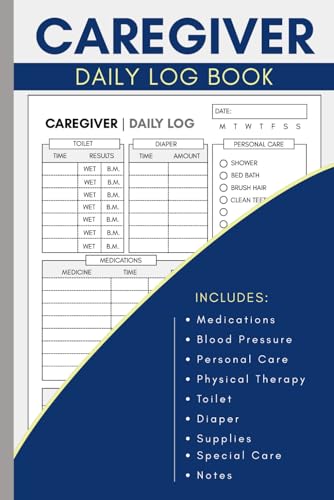
Some adult children find it helpful to keep a simple notebook tracking staff names, observations from each visit, and questions to bring to the care team — so they’re not relying on memory during an emotionally charged time. Having those notes also helps you spot patterns rather than reacting to individual hard days.





If you’re carrying guilt about the decision itself, it’s worth reading about what senior care centers actually do — the full picture of what your loved one now has access to can help reframe what ‘care’ actually means in this environment.
Navigating a parent’s transition is one of the hardest things a family goes through. Subscribe to our newsletter for compassionate, practical guidance designed specifically for adult children and family caregivers.

How to Work With Staff — Not Around Them
The care team is your most important partner during the first 30 days. How you build that relationship now will shape every interaction that follows.
The people worth knowing by name in the first two weeks:
- Direct care staff on the primary shift — the aides who help your parent with daily routines see more than anyone
- The social worker or resident services coordinator — their job is exactly this transition
- The charge nurse or care coordinator — your point of contact for health-related concerns
Introduce yourself to two or three direct care staff members by name in the first two weeks. This single step changes the dynamic of every conversation that follows. Staff who know you as a partner, not a monitor, will tell you more.
When you do raise a concern, the framing matters. ‘I’ve noticed she seems quieter than usual — have you seen anything similar?’ lands completely differently than ‘I need to know why she’s being ignored.’ One builds the relationship. One puts people on the defensive.
Manage the family group chat carefully. When siblings or extended family members are amplifying anxiety based on secondhand information from a single phone call, someone needs to be the steadying voice. That’s often the adult child who is most present. Share what you know, acknowledge what you don’t, and resist the urge to escalate before you’ve spoken directly with the care team.
For guidance on the bigger picture of how to spot signs of genuine decline versus normal adjustment in a parent, understanding the difference between environmental stress and actual deterioration can help you ask better questions.
Also, if your parent’s social isolation concerns you, remember that connection doesn’t happen on a timeline you control. What research shows about the health effects of loneliness in seniors is a useful reminder of why consistent, low-pressure contact matters more than intensive visits.

The 30-Day Check-In: Three Questions That Tell You What You Actually Need to Know
At the end of the first month, you need an honest framework for assessing how the transition is actually going — separate from day-to-day emotional noise.
Ask your loved one:
- Is there one person here whose name you know?
- Is there anything about your daily routine that feels familiar or comfortable yet?
- What’s been the hardest part?
You’re not looking for a glowing report. You’re looking for the smallest signs of investment — a name, a routine, a preference.
Ask the care team:
- Have you seen any changes — positive or negative — over the past two weeks?
- Is she participating in meals consistently?
- Have you observed her interacting with other residents at all?
Ask yourself:
- Am I evaluating this based on what I’m observing, or based on my own guilt and grief?
- Has anything changed — in either direction — since week one?
- Am I seeing a pattern, or reacting to a bad day?
Write your answers down. Seeing them on paper reduces the emotional distortion that comes from processing all of this in real time. Patterns become visible. Progress becomes real.
Most families at the 30-day mark, when they evaluate honestly, are seeing early signs of settling — even if the overall picture is still hard. That’s not the finish line. It’s a checkpoint that shows you the direction of travel.
First 30 Days in Assisted Living Family Monitoring Checklist
Download our free guide to speaking up with confidence and clarity—learn the exact phrases and strategies that help older adults, caregivers, and families communicate what matters most without frustration or misunderstanding.

You Made This Decision Out of Love — Now Stay Steady
The first 30 days in assisted living are almost universally harder than families expect. That difficulty is not evidence that something is wrong. It’s evidence of how much this transition matters — to your parent, and to you.
You made this decision carefully, with your loved one’s safety and wellbeing at the center. The most important thing you can do right now is stay steady. Your presence, your calm, and your consistency are caregiving tools — just as real and just as powerful as anything that happens inside those walls.
If you’re also thinking about how to stay meaningfully connected between visits, understanding what quality time actually looks like with an aging parent can help you make those moments count without adding pressure to either of you.
And if you’re in the middle of the first month right now, or just beginning to prepare for a move — share where you are in the comments. Ask your questions. Tell us what’s been hardest. Your experience is exactly what another family needs to hear.