
Most caregivers wipe down the wheelchair seat after a meal and consider the job done.
But here’s what’s easy to miss: the wheels just rolled through a bathroom floor, the armrests haven’t been disinfected in weeks, and the cushion is quietly holding onto moisture and odor that you can’t always see.
Wheelchair cleaning rarely shows up on any caregiver training checklist – but it absolutely should. The wheelchair is one of the most-touched, most-traveled pieces of equipment in a person’s daily life. What lives on its surfaces directly affects skin health, infection risk, and comfort.
This article breaks down exactly what to clean, how often, and what to use – so you can feel confident you’re genuinely protecting the person in your care, not just tidying up. There’s a right way and a wrong way to approach this, and knowing the difference takes only a few minutes to learn.
Wheelchair Cleaning and Safety Checklist for Caregivers
Download this print-ready checklist and build a simple daily, weekly, and monthly routine that protects skin health, prevents infection, and catches small problems before they become expensive repairs.

Why Wheelchair Hygiene Matters More Than Most Caregivers Realize
A dirty wheelchair isn’t just unpleasant – it’s a genuine health risk for someone who spends hours in contact with it every day.
Think about where the wheels travel: bathroom floors, outdoor pavement, medical office hallways, grocery store aisles. Every surface leaves something behind on those wheels and casters. That contamination doesn’t stay on the wheels – it transfers.
High-touch points like armrests, push handles, and brakes become collection points for bacteria and allergens. The cushion traps moisture from prolonged contact, and that trapped moisture is one of the primary contributors to pressure sore development. Someone sitting in that chair for six or more hours a day has very little margin for error when it comes to skin integrity.
There’s also an important distinction most caregivers don’t think about: a wheelchair that looks clean and one that actually is are two completely different things.
Reframing this matters. Cleaning the wheelchair is part of the care plan – not a bonus task for a slow afternoon. It belongs on the same priority level as medication management or repositioning.
For a deeper look at how home environment affects the people in your care, this article on what happens to a senior’s brain and body when their home isn’t safe puts the stakes in clear perspective.

How Often Should a Wheelchair Be Cleaned?
Wheelchair cleaning isn’t a one-time event. It follows a tiered schedule of daily, weekly, and monthly tasks that keep the chair safe without overwhelming you.
Here’s how to think about it:
Daily Tasks (5 minutes or less)
- Wipe down high-touch surfaces – armrests, push handles, brakes, and joystick if it’s a powered chair – with disinfectant wipes formulated for medical equipment
- Spot-clean the seat surface and cushion cover as needed after meals or personal care
Weekly Tasks (10-15 minutes)
- Clean seat upholstery with an appropriate cleaner for the material
- Wipe down the full frame
- Clean footrests thoroughly
- Inspect the cushion for moisture, odor, or visible soiling
Monthly Tasks (20-30 minutes)
- Deep-clean wheels and casters
- Remove and wash the cushion cover if it’s machine-washable
- Check seat upholstery and padding for wear
- Run through the maintenance checklist in the final section of this article
The difference between a caregiver who cleans reactively – only when something looks visibly dirty – and one who follows a simple tiered schedule is significant. The reactive approach leads to embedded odor, degraded cushion material, and mechanical problems that compound quietly until they become real safety issues.
A five-minute daily habit prevents a two-hour deep-clean crisis. Write the three tiers on a sticky note and keep it with your cleaning supplies.
Keeping disinfectant wipes formulated for medical equipment within arm’s reach is the simplest way to make the daily habit stick – one wipe across the armrests and push handles takes less than a minute.




Want more practical caregiving guidance like this? Subscribe to our newsletter for expert-tested tips and trusted product recommendations designed to make caregiving a little easier every week.

The Right Way to Clean Wheels, Casters, and the Frame
The wheels and casters collect more contamination than any other part of the wheelchair – and most caregivers skip them entirely.
Here’s a practical approach:
Wheel rims and push rims
- Wipe with a damp cloth and mild disinfectant solution
- Avoid soaking – excess moisture accelerates rust on metal components
- Dry thoroughly after cleaning
Casters
- Use a stiff-bristled brush to remove hair, debris, and buildup from around the axle
- This is a monthly task, but if the casters are visibly collecting debris more quickly, move it to weekly
- Tangled casters that can’t roll freely affect maneuverability and can create a fall risk during transfers
The frame
- Metal frames can be wiped with a disinfectant solution; diluted bleach (approximately 1:10 ratio) can be used on metal and hard plastic surfaces, but use it carefully
- Bleach can degrade rubber components, upholstery, and foam padding – always check the manufacturer’s guidance before using bleach near soft materials
- Plastic components respond well to mild soap and water followed by a disinfectant wipe
A practical tip for accessing casters: tilt the chair carefully back or use a stable surface to prop the footrests, giving you clear access to the underside without straining.
A wheelchair cleaning kit – one that keeps brushes, microfiber cloths, and appropriate cleaning solutions together – makes this process faster and prevents the common mistake of reaching for whatever household cleaner is nearby, some of which can cause real damage to wheelchair materials.




For caregivers also managing home environment safety, the article on the 7 bathroom danger zones every senior should know covers complementary safety habits worth building alongside your equipment care routine.

Cushion Care and Odor Prevention
The wheelchair cushion is the highest-contact surface for the person using the chair – and one of the most neglected when it comes to cleaning.
Cushion hygiene directly affects skin integrity. Moisture trapped between the cushion and skin creates the conditions for pressure sore development. Odor that becomes embedded in the cushion material is a sign that moisture has already penetrated past the surface – and at that point, surface cleaning alone won’t solve it.
By cushion type:
- Foam cushions: Remove the cover and spot-clean the foam with a mild soap and water solution. Never submerge foam. Allow it to dry completely before replacing the cover – a damp cushion is worse than a dirty one.
- Gel cushions: Wipe the outer surface and cover with a disinfectant wipe or damp cloth. Check the manufacturer’s guide for specific instructions – some gel cushions have sealed covers, others don’t.
- Air cushions: Wipe the surface with a mild disinfectant. Check valves and seams regularly for integrity during your monthly maintenance pass.
On covers:
A removable, machine-washable cushion cover is the single most effective defense you have against cushion degradation. If the cushion in your care situation doesn’t have one, a replacement cushion cover is an inexpensive addition that will extend the life of the cushion and make weekly hygiene much more manageable.
Always keep a spare cushion cover on hand so the cushion is never left uncovered while the original is being washed. An uncovered cushion in direct contact with skin – even for a few hours – eliminates the protection you’ve been working to maintain.


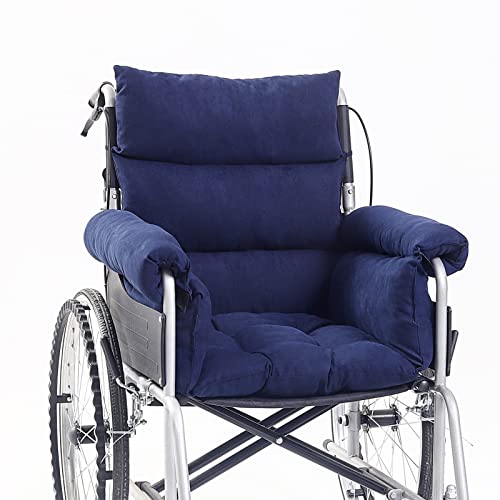


For context on how skin breakdown connects to broader care decisions, the article on wheelchair accessible home modifications addresses the full picture of creating a safe environment for wheelchair users.
Wheelchair Cleaning and Safety Checklist for Caregivers
Download this print-ready checklist and build a simple daily, weekly, and monthly routine that protects skin health, prevents infection, and catches small problems before they become expensive repairs.

A Simple Wheelchair Maintenance Checklist to Extend the Chair’s Life
Every cleaning session is also an opportunity to catch minor mechanical issues before they become safety problems.
Use this monthly checklist – it takes under ten minutes and can prevent equipment failures during transfers or outings:
Monthly Maintenance Check:
- Brakes – Test both brakes for firm engagement. If the chair moves when the brakes are set, contact your wheelchair supplier for adjustment.
- Tires and wheels – Check for wear, cracks, or loss of air pressure (if pneumatic). Inspect push rims for damage.
- Armrest pads and footrest pads – Look for cracks, tears, or compression that could create pressure points against skin.
- Upholstery and seat – Check for fraying, torn seams, or areas where padding has compressed unevenly.
- Frame and hardware – Look for loose bolts, cracks in welds, or any component that moves when it shouldn’t.
If you notice a cracked footrest pad during your monthly check, replacing it before it contacts skin directly is the outcome a good maintenance habit delivers. That two-minute observation prevents a wound care issue.
When to contact a professional: any brake issue, wheel alignment concern, or structural problem with the frame should go to a rehab equipment specialist or the wheelchair supplier – not a general handyman. This equipment supports transfers and mobility, and the safety tolerance is low.
For caregivers managing the broader physical and emotional demands of this role, the article on the dignity conversation in caregiving is worth reading alongside the practical guides.
Building a System You Can Actually Sustain
Wheelchair hygiene is one of the highest-impact, lowest-cost things you can do to protect the health and comfort of the person in your care.
A consistent routine – daily wipes on high-touch surfaces, weekly seat and cushion cleaning, monthly deep maintenance and inspection – takes very little time once it becomes habit. The investment is small. The protection it provides is significant.
You don’t need special training or expensive equipment to do this well. The right supplies, a simple schedule, and clarity on what actually matters makes this entirely manageable – whether you’re a professional caregiver with fifteen years of experience or a family member who stepped into this role last month.
Start with one tier this week. If the daily wipe-down isn’t happening yet, that’s where to begin. If that’s already in place, add the weekly cushion inspection. Build from there.
And if you have wheelchair cleaning tips that have worked well in your own caregiving situation, share them in the comments – the most practical knowledge in this field comes from caregivers who are doing the work every day.
For caregivers also looking at the bigger picture of supporting independence and wellbeing, the article on the real reason seniors who stay independent live better offers a grounding perspective on why this kind of careful, consistent care matters so much.