Nobody tells you about this part of caregiving.
You love your parent deeply. You’ve rearranged your schedule, your home, and sometimes your whole life to be there for them. But then comes the moment — maybe it’s a wet cushion on the couch, or stripping sheets at 2 a.m. for the third time that week — when you realize you weren’t prepared for this particular challenge.
Incontinence is one of the most common realities in senior caregiving, and one of the least talked about. It affects a huge portion of older adults, and yet so many family caregivers are left to figure it out quietly, on their own, without anyone handing them a practical roadmap.
I want to change that.
Being prepared for incontinence management at home isn’t something to feel embarrassed about. It’s one of the most caring, thoughtful things you can do — for your loved one’s comfort and dignity, and for your own sanity as a caregiver.
The right incontinence management products don’t just clean up messes. They prevent them, contain them, and protect everyone involved.
Save this list — it’s a practical checklist you’ll want to come back to.
The Home Incontinence Preparedness Checklist: Everything a Family Caregiver Needs to Have in Place
Get the complete five-product system every family caregiver needs to manage incontinence with confidence—no more figuring it out in crisis, no more exhaustion, just practical preparation that protects your home and preserves your loved one’s dignity.

Why the Right Products Change Everything for Home Incontinence Care
Here’s what I’ve learned from working with older adults and their families: managing incontinence at home doesn’t have to mean constant cleanup, ruined furniture, or an atmosphere of quiet shame.
The right supplies shift the entire experience.
Instead of reacting to accidents after they happen, you’re protecting against them before they do. Instead of rushing to strip a mattress or scrub upholstery, you’re doing a quick pad swap and moving on with your day. That difference — between reactive and proactive — is what separates an exhausting caregiving situation from a manageable one.
Incontinence is a normal part of many caregiving journeys. It doesn’t define your loved one, and handling it well doesn’t require clinical expertise. It requires the right toolkit.
Here are the five items I recommend keeping on hand.

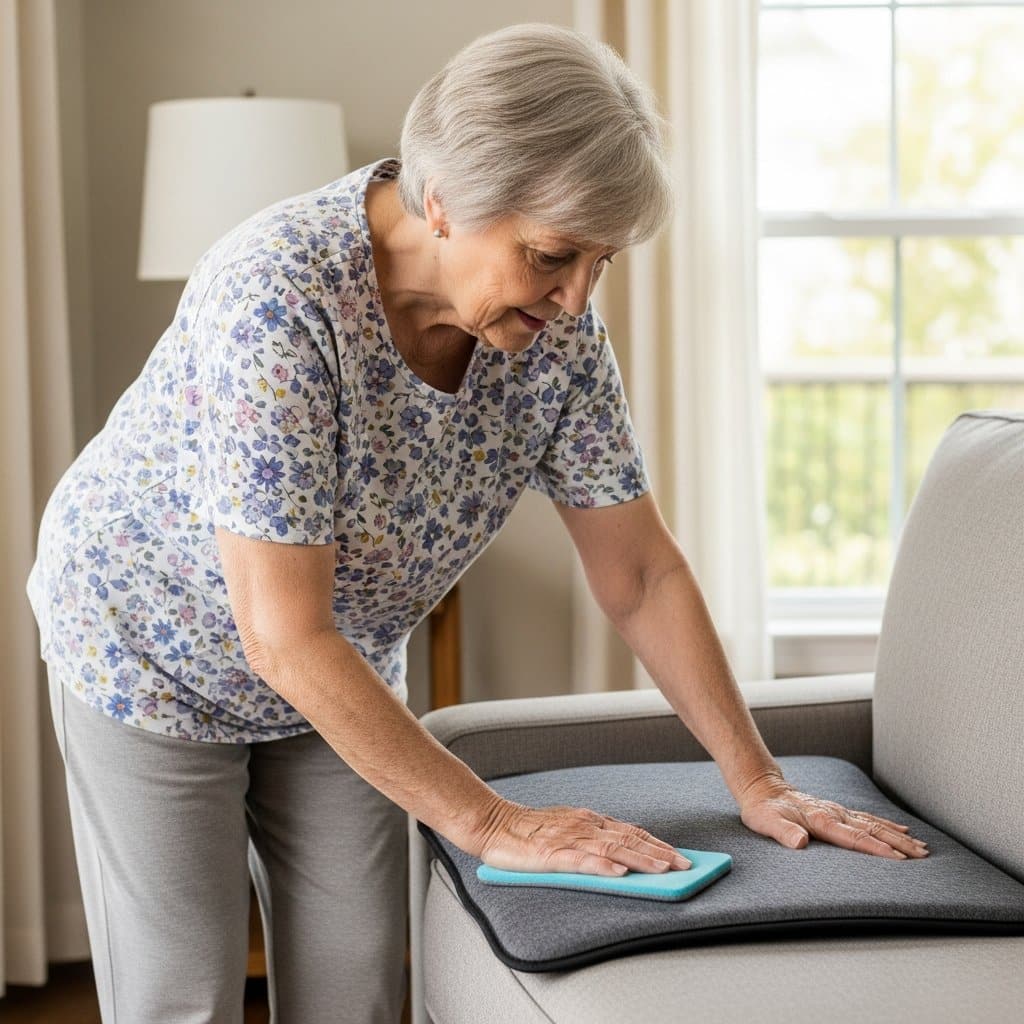
Product #1: A Reusable Waterproof Chair Pad

Why a Waterproof Chair Pad Belongs in Every Caregiver’s Home
One of the first things incontinence affects — and one of the last things caregivers think to protect — is upholstered furniture.
Fabric absorbs odors. Cushion stains are nearly impossible to fully remove. And a favorite recliner or living room chair can be permanently damaged after just a few accidents. Replacing upholstered furniture is expensive. Preventing the damage is not.
A reusable waterproof chair pad is one of the most practical and cost-effective tools in your caregiving arsenal. Unlike disposable options, reusable pads are made to be washed repeatedly without losing their protective barrier — which means you’re not constantly restocking supplies or spending money on single-use products week after week.
What to Look For
- A soft top layer that feels comfortable against skin, not clinical or crinkly
- A waterproof backing that doesn’t make noise when your loved one shifts in their seat
- A versatile size that works across chairs, recliners, sofas, and even car seats
The best part? A well-placed chair pad sits discreetly on a seat without drawing any attention to itself. Your loved one gets protection without feeling like the problem is on display.
This is especially helpful for seniors who spend most of their day seated, those with limited mobility who can’t always move quickly, or anyone who has been quietly resisting protective clothing.


A reusable waterproof chair pad is where I’d suggest most caregivers start — it protects a loved one’s favorite spot in the home without making anyone feel self-conscious about it. If you’re not sure which one to pick, here are the best waterproof chair pads for elderly people we looked at.

Product #2: Absorbent Bed Pads for Incontinence


Why Nighttime Is When Caregivers Need the Most Support
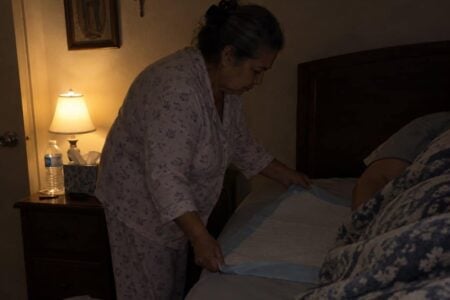
If you’ve ever been woken up at 2 a.m. to strip a bed, you already know: nighttime incontinence is one of the most exhausting parts of home caregiving.
It’s not just the physical labor of washing sheets. It’s the disrupted sleep — for both you and your loved one. It’s the emotional weight of the moment. It’s doing it again two nights later.
Absorbent bed pads (sometimes called chux or underpads) sit between your loved one and the mattress, absorbing moisture before it reaches the sheet and mattress below. They don’t replace a mattress protector, but they dramatically reduce the number of full sheet changes you’ll need to do each week.
Disposable vs. Reusable: What Works Best
- Disposable pads are convenient for travel or lighter use, but the cost adds up quickly with regular use
- Reusable pads are far more economical for daily or nightly use — they wash well and hold up to repeated laundering
What to Look For
- High absorbency rating for overnight protection
- A soft, quilted surface that feels comfortable against skin
- A pad that stays in place through the night without bunching or shifting
For seniors with heavier nighttime incontinence, layering a bed pad on top of a waterproof mattress protector gives you two levels of defense — and dramatically cuts down on late-night interventions.
Keeping absorbent bed pads for incontinence

![Chucks Pads Disposable [100-Pack] Adult Incontinence Underpads 23"x36"](https://m.media-amazon.com/images/I/51XAhcMAO5L._SL500_.jpg)


stocked and ready means fewer disrupted nights — and a more sustainable caregiving situation for everyone in the household.
Subscribe to our newsletter for more tips: Join here

Product #3: Incontinence Briefs for Seniors
The First Line of Defense — and the Most Personal
Incontinence briefs are the product closest to the person — which means choosing them well matters more than almost any other item on this list.
A well-fitted brief is the first line of defense. It manages leakage before it reaches clothing, furniture, or bedding. When it fits correctly and absorbs effectively, it gives your loved one the confidence to move through their day without fear of an accident.
That confidence is not a small thing.
Getting the Fit Right
- Pull-up style works well for seniors who can still manage some self-care and prefer a more underwear-like fit
- Tab-style briefs are easier for caregivers to change when mobility is limited
- Sizing matters significantly — a brief that doesn’t fit well won’t protect well
Choosing the Right Absorbency Level
Not all briefs are created equal. Absorbency comes in light, moderate, and heavy levels. Choosing the right one based on your loved one’s actual needs — rather than defaulting to the heaviest option — keeps skin healthier and makes wearing them more comfortable.
Where possible, involve your loved one in choosing their own products. Having some say in what they use preserves autonomy and reduces the embarrassment that often comes with this transition.


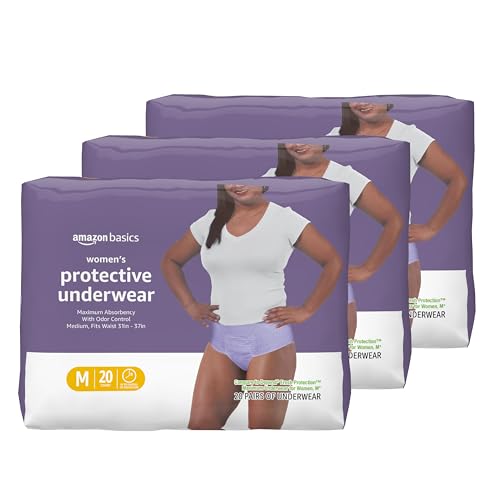


Incontinence briefs for seniors work best when combined with the other protective layers on this list — they’re foundational, not standalone.
You can also pair them with fall-prevention strategies at home, since rushing to the bathroom is one of the most common causes of falls. For more on that topic, I’ve put together a detailed fall prevention checklist that walks through common hazards room by room.
Product #4: A Waterproof Mattress Protector
The Investment Most Caregivers Wish They’d Made Sooner
Of all the products on this list, a waterproof mattress protector is the one I hear about most often from caregivers who say, “I wish I’d done this before the first accident.”
A mattress cannot be laundered. Once moisture penetrates a mattress — especially repeatedly — it creates a hygiene problem that no amount of cleaning fully resolves. And replacing a quality mattress is a significant expense.
A waterproof mattress protector fits over the mattress like a fitted sheet and stays there permanently, creating a full-coverage barrier beneath everything else.
How It Differs From a Bed Pad
This is a question that comes up a lot:
- A mattress protector stays fitted to the mattress and provides complete surface coverage — it’s a permanent layer
- A bed pad sits on top and gets changed more frequently as a first-absorbing layer
Both serve different purposes. Together, they provide the strongest possible protection for nighttime incontinence.
What Separates a Good Protector From a Poor One
- Breathability — a good protector doesn’t trap heat or make sleeping uncomfortable
- A quiet waterproof barrier — no crinkle sound that disrupts sleep every time your loved one moves
- A secure fit — it shouldn’t shift, bunch, or come untucked overnight
A waterproof mattress protector for elderly
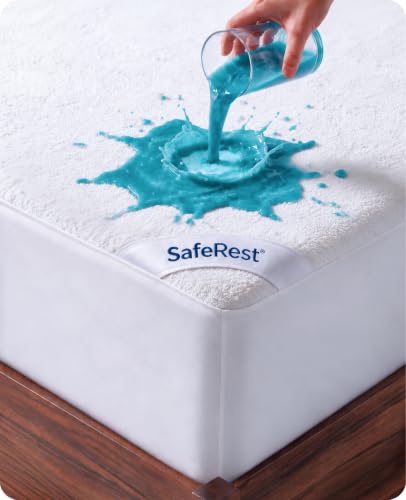


is a one-time investment that eliminates one of the most costly and permanent consequences of nighttime incontinence. It’s simply not worth waiting on.
For seniors dealing with disrupted sleep beyond incontinence — including hip discomfort or pressure pain — I also recommend looking at whether an adjustable bed could help with their specific comfort needs.

Product #5: A Portable Commode for Home Use


The Underused Tool That Reduces Accidents Before They Start
Here’s a reality that often gets overlooked in incontinence conversations: many accidents aren’t about incontinence in the medical sense. They’re about timing and distance.
Your loved one feels the urge. The bathroom is down the hall, or on another floor, or the mobility challenge of getting there quickly is simply too great. By the time they arrive — or try to — it’s too late.
A portable commode placed near the bedroom or main living area solves a timing and distance problem without requiring any home renovation.
Where to Place It
- Next to the bed for nighttime use — this is the highest-value placement for most families
- In a room away from the primary bathroom for daytime convenience
- In any situation where the main bathroom is difficult to access quickly
What to Look For
- Stable construction with appropriate weight capacity
- Adjustable height to match your loved one’s mobility needs
- Easy-to-clean surfaces — this matters more than most product descriptions acknowledge
- Armrests for safe transfer support
A portable commode also reduces fall risk significantly. Rushing down a hallway in the middle of the night is one of the most common settings for senior falls — eliminating that rushed trip eliminates a real danger.
Introducing this product requires some sensitivity. Frame it as a safety and convenience tool, not a sign of decline. In my experience, once a senior realizes how much easier it makes their nights, the initial resistance usually fades quickly.
A portable commode for home use


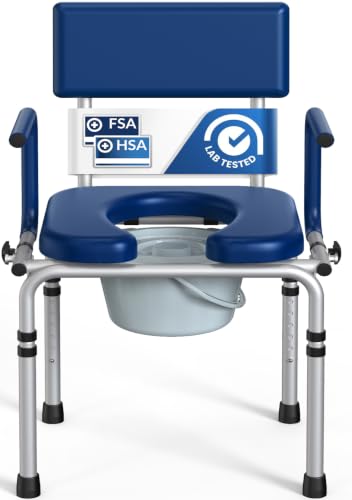


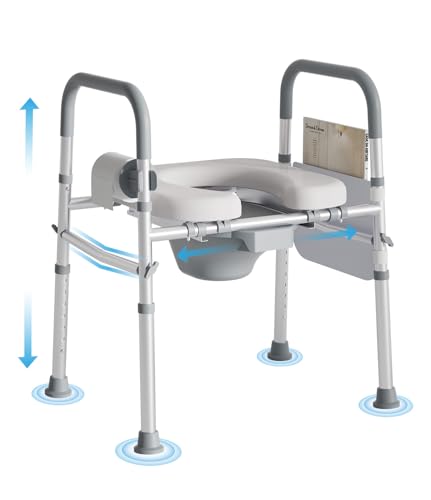

is one of the most underused but genuinely effective tools for reducing incontinence accidents at home — especially for seniors with limited mobility.
For more on mobility tools that support independence and safety at home, I have a full guide to choosing the right mobility aids for seniors that’s worth bookmarking.
The Home Incontinence Preparedness Checklist: Everything a Family Caregiver Needs to Have in Place
Get the complete five-product system every family caregiver needs to manage incontinence with confidence—no more figuring it out in crisis, no more exhaustion, just practical preparation that protects your home and preserves your loved one’s dignity.
You’re More Prepared Than You Think
Managing incontinence at home is absolutely doable — especially when you approach it as a system rather than a series of crises.
These five products work together:
- A reusable waterproof chair pad — protects furniture and preserves dignity during seated time
- Absorbent bed pads — reduces nighttime disruption and guards the mattress from above
- Incontinence briefs — the foundational first layer of protection throughout the day
- A waterproof mattress protector — a permanent, one-time layer that protects a major investment
- A portable commode — reduces accidents before they start by closing the distance to relief
You don’t have to start with all five at once. If you’re just beginning to navigate this, pick one or two items that address your most immediate challenge and build from there. Most caregivers find that even one of these products makes a noticeable difference.
Being prepared isn’t admitting defeat. It’s one of the most practical, loving things you can do — for your parent’s comfort and dignity, and for your own wellbeing as the person showing up for them every day.
If one of these products has made a difference in your own caregiving experience, I’d love to hear about it in the comments below. Your experience could be exactly what another caregiver needs to read today.
Looking for more ways to make home caregiving safer and more manageable? Browse our bathroom safety products guide, explore tips for improving bedroom safety and accessibility, or learn more about night lights that reduce fall risk after dark.