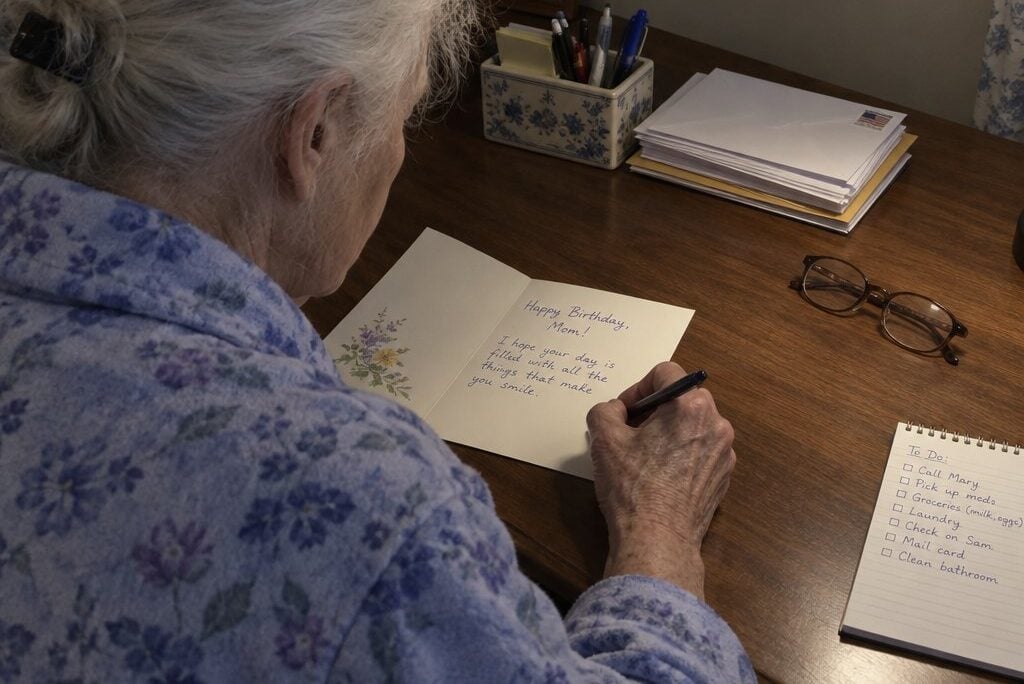
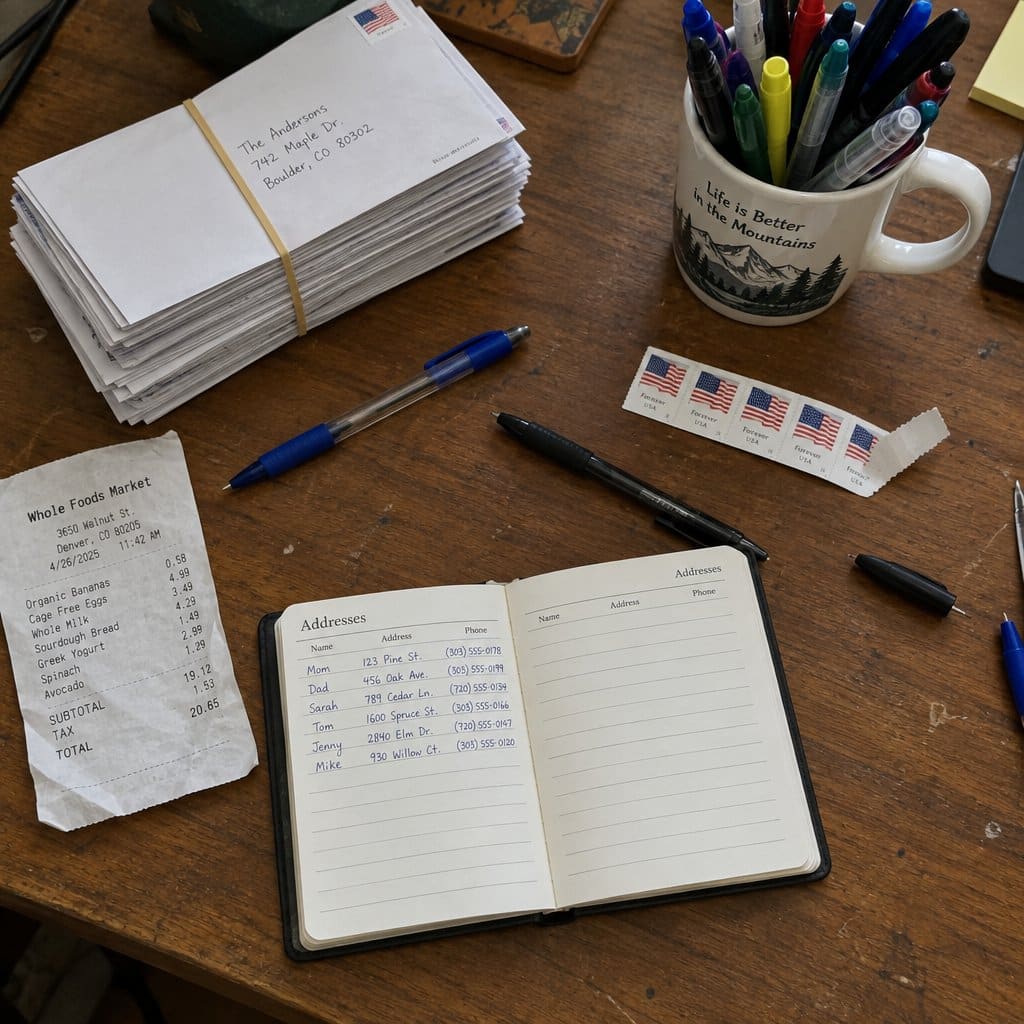
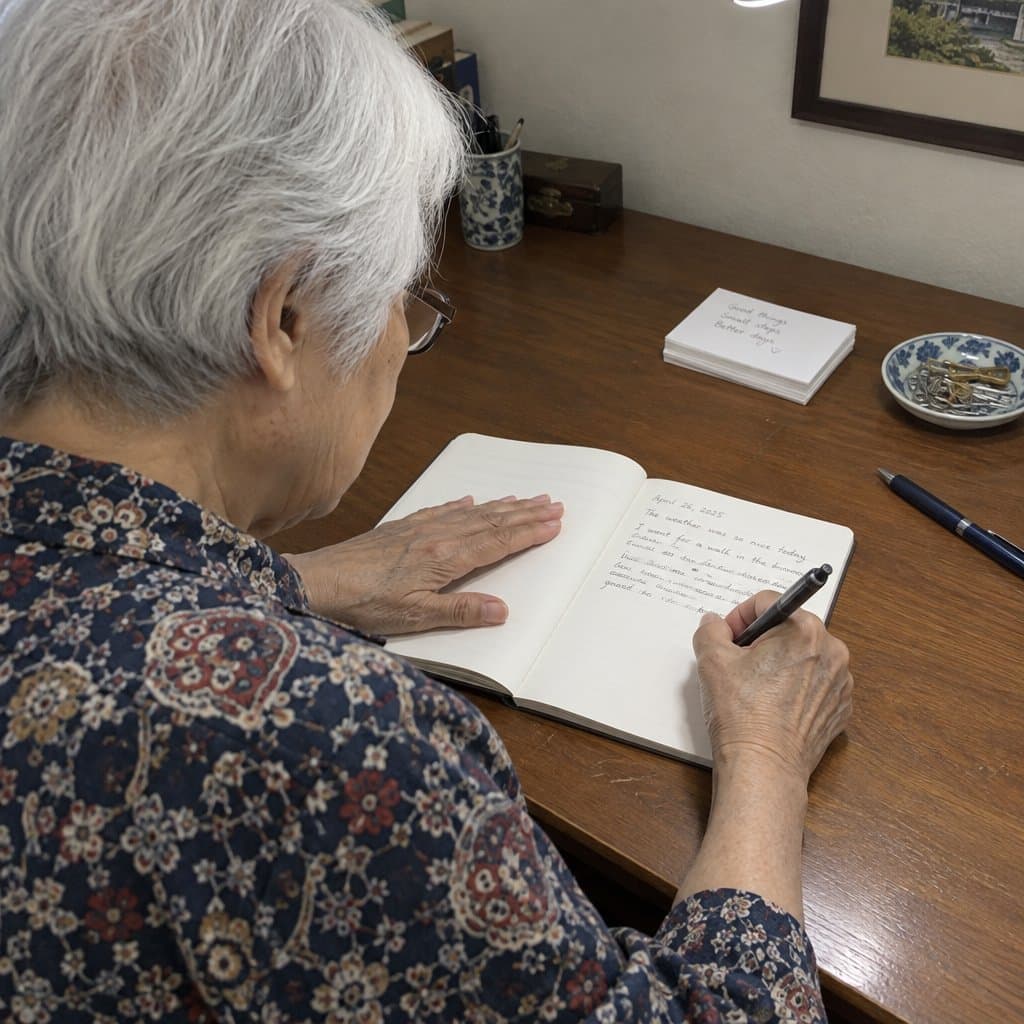
You sit down to write a birthday card to your granddaughter. The pen skips halfway through her name. The notebook slides toward the edge of the desk. You squint to re-read the address you copied down last week because the light isn’t quite reaching the page. What should feel like one of the nicer moments of your day starts to feel like a small battle.
Writing things down by hand is a real system. It works. It’s personal, it’s reliable, and for plenty of people it works better than any app or reminder notification ever will. The goal here isn’t to talk you out of it or suggest a digital replacement. The goal is to fix the setup so the habit itself stays effortless.
What I’ve found, after looking at this carefully, is that a small handful of targeted tools — five, to be specific — remove every common friction point that makes handwriting harder than it should be. Not a desk renovation. Just a kit that works together.
Handwriting Desk Setup Checklist
Download this five-part checklist to identify and fix the exact friction points in your handwriting setup—so you can write with ease, without hand fatigue or frustration, and keep the habit going strong.
Start With the Pen — Because a Pen That Skips Ruins Everything




Why Most Everyday Pens Work Against You
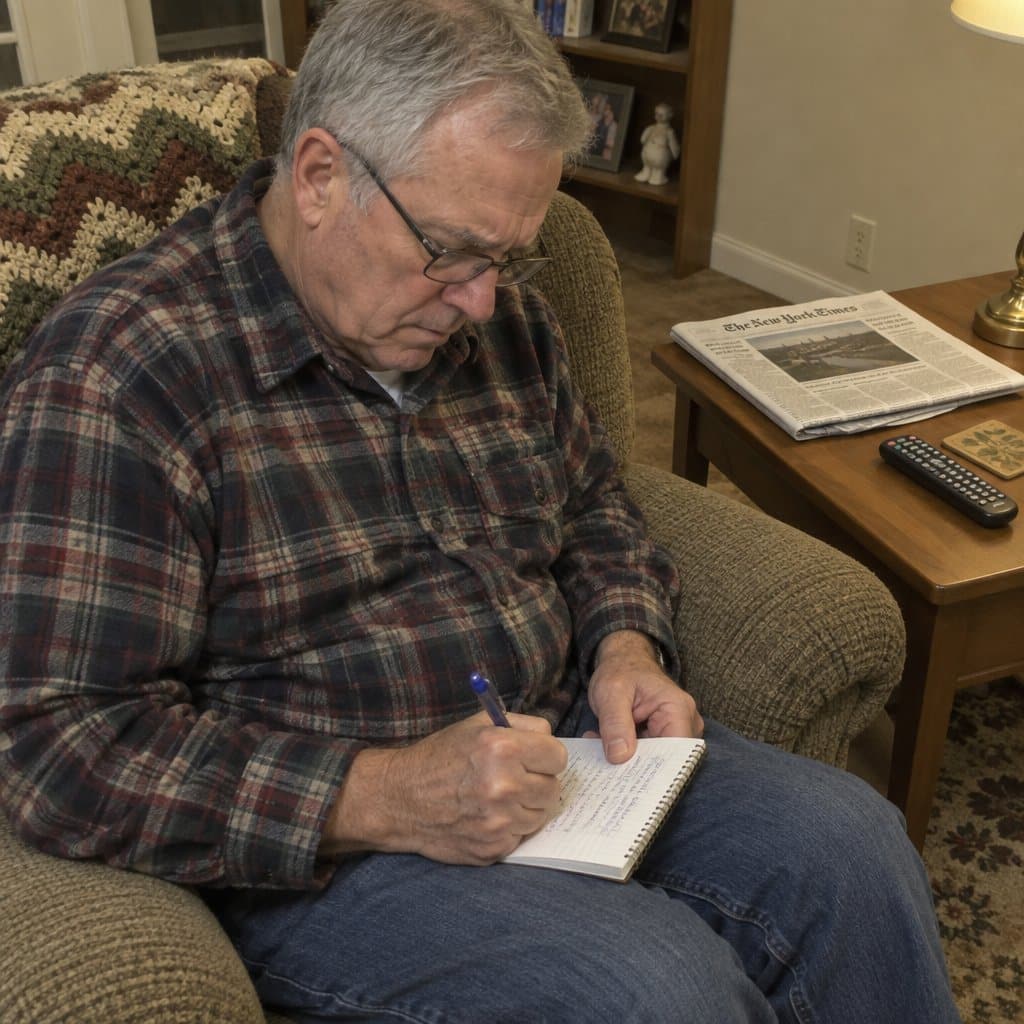
Standard ballpoint pens require you to press the ink into the page. That pressure — sustained over even a short writing session — adds up. If your hand feels tired sooner than it used to, or if you’re gripping tighter than feels comfortable, the pen itself is often the culprit, not your hand strength.
What Gel Ink Actually Does Differently
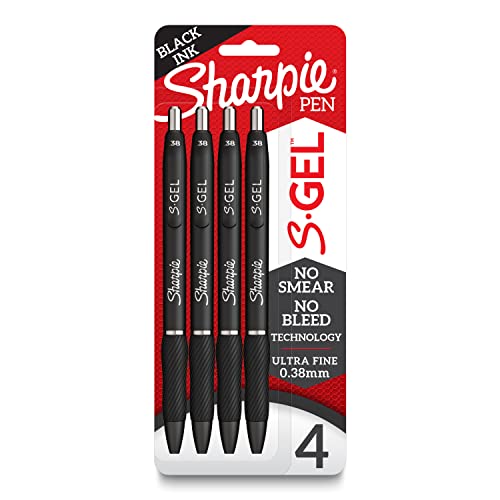
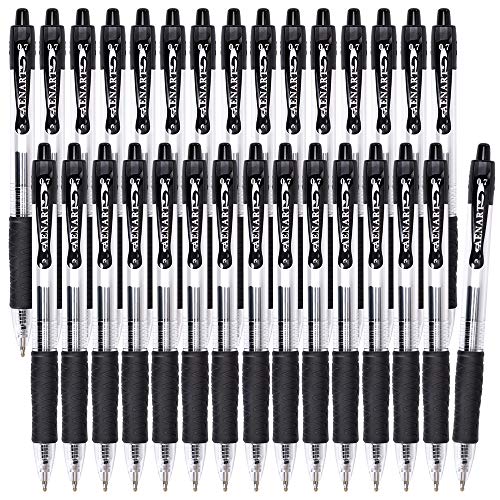
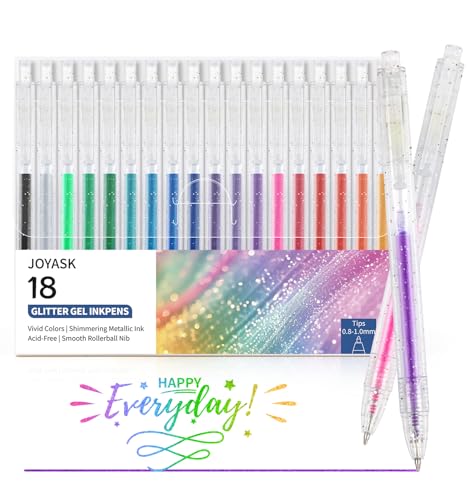
Gel pens flow with the pen’s movement rather than requiring you to push ink out. The result is a noticeably lighter touch, less grip tension, and a smoother line from the first stroke. No dry starts, no pressing down harder when the ink skips — just consistent flow across the page.
Retractable vs. Capped: Which One to Choose
If you write throughout the day — a note here, a list there, a card in the afternoon — retractable gel pens are the practical choice. No cap to fumble with, no cap to lose behind the desk organizer. Click, write, click again. It’s a small thing that removes a small interruption every single time.
A Note for Left-Handed Writers
For anyone whose writing hand drags across fresh ink, quick-drying gel ink matters more. Look for gel pens specifically noted as fast-drying — the difference between a smeared sentence and a clean one is usually just the ink formulation.
Switching pens is not a minor upgrade. The right pen makes handwriting feel the way it’s supposed to feel. The wrong one makes it feel like effort.





Choose a Notebook That Actually Lies Flat
The Problem With Most Notebooks
Spiral-bound books bend awkwardly when you open them past the halfway point. Hardcover journals resist lying flat in the first third of the book. Paperback notebooks curl at the edges and require one hand to hold the page down — which means only one hand is free to write.
For anyone with reduced grip strength, that’s not a minor inconvenience. It’s a setup that works against you from the first line.
What “Lay Flat” Binding Actually Means
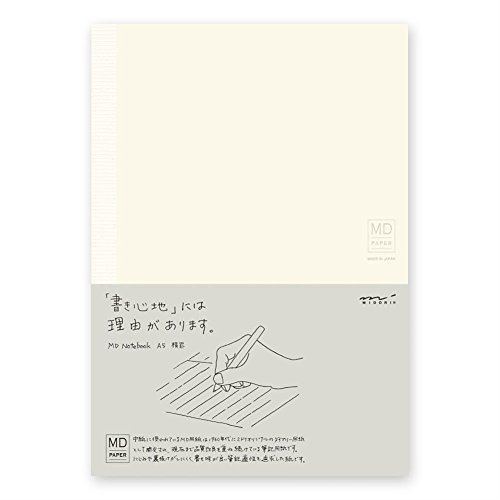
A lay-flat or open-flat notebook stays open on its own at any page, from the first sheet to the last. The writing edge is fully accessible from margin to margin. You’re not fighting the book — you’re just writing in it.
Size and Paper Weight: Two Details That Matter
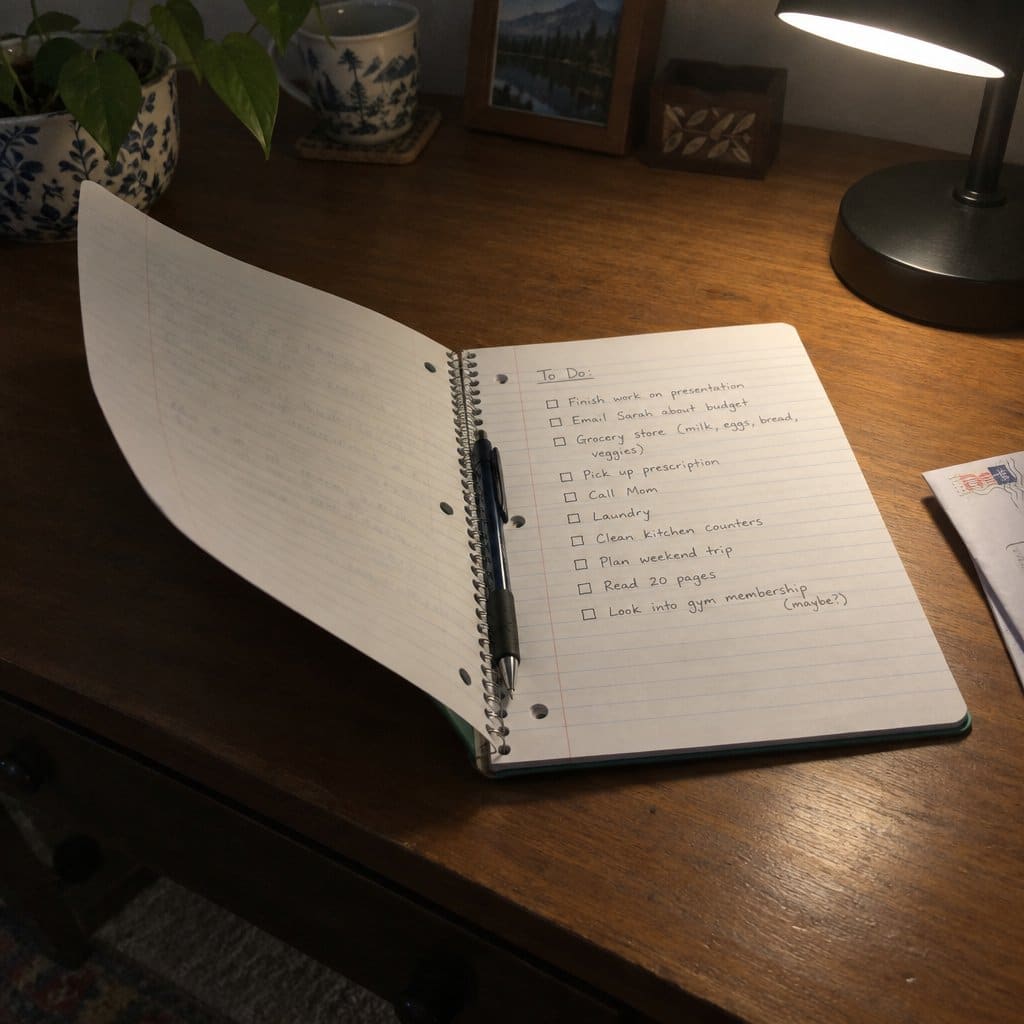
A notebook large enough to write full sentences without cramping your handwriting, but not so large it crowds the desk surface, hits the practical sweet spot. And thicker paper — 80gsm or above — prevents gel ink from bleeding through to the next page, which means yesterday’s grocery list doesn’t ghost through today’s to-do column.
Left-Handed Writers, Again
Lay-flat notebooks are especially valuable here. No spiral digging into the heel of the writing hand. The page stays open and flat without any extra effort.
A notebook that behaves is not a luxury. It’s a basic condition for writing to feel easy rather than awkward.





Light the Surface So You Can Actually See What You’re Writing



The Shadow Problem With Overhead Lighting
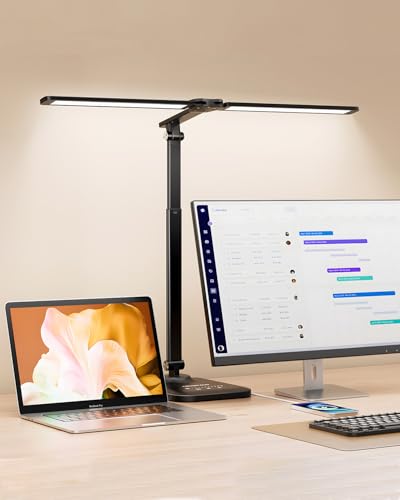
Overhead room lighting casts shadows directly over your writing hand and the page beneath it. It’s the most common complaint I hear from people who write at a table or in a chair that wasn’t set up specifically for desk work. The room feels adequately lit — but the page isn’t.
This is a lighting placement problem, not a vision problem. And it has a straightforward fix.
What to Look for in a Task Lamp
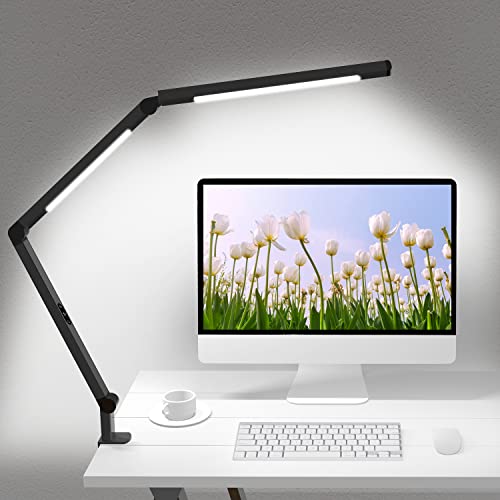
A good desk lamp for reading and writing has a few non-negotiable features:
- Adjustable brightness levels — not just on/off, but a range so you can match the light to the time of day
- Warm and cool light options — warm light is easier on the eyes for extended writing; cool light is better for precision tasks
- A flexible neck or adjustable arm — so you can direct the light exactly where it’s needed without repositioning the whole lamp
- A stable, weighted base — a lamp that tips when you reach past it defeats the purpose
Why LED Specifically
LED task lamps last significantly longer than incandescent bulbs, produce no heat at the writing surface, and maintain consistent brightness without flicker. For sustained close work like handwriting, flicker-free light reduces eye strain noticeably over time.
Where to Position It
Place the lamp on the opposite side from your writing hand. If you write with your right hand, the lamp goes to your left — so your hand doesn’t block the light as it moves across the page. That single placement change eliminates most shadow complaints immediately.
Eye strain from writing isn’t just about aging vision. It’s often about inadequate task lighting. A good lamp solves what eye drops can’t.
Subscribe to our newsletter for more tips: Join here




Give Your Address Book Its Own Spot
The Lookup-and-Write Problem
The address book lies flat on the desk beside your stationery. You look down at it, find the address, look back up at the envelope, write a few words, look down again to confirm the zip code, look back up. Every time your eyes travel that distance, you lose your place — especially with bifocals or progressive lenses, where the focal adjustment takes a moment.
It’s a small friction. But it happens on every single card or letter you write, and it adds up to a process that feels more tedious than it should.
The Fix: A Book Stand on the Desk
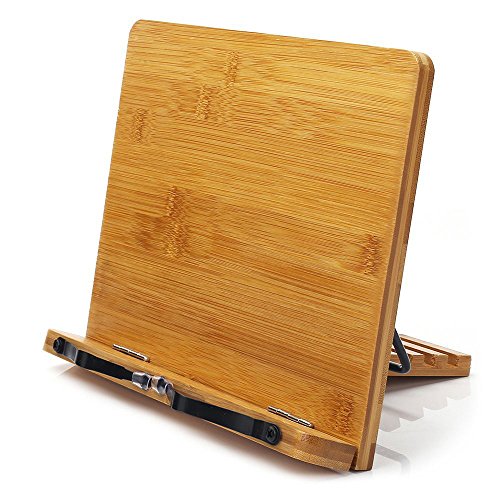
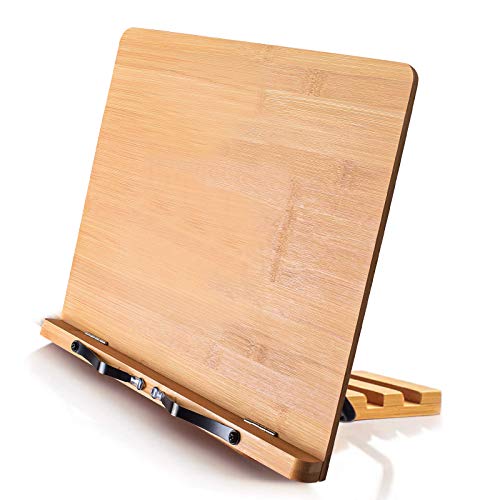
A small book stand or address book holder props the book open at the right page, angled so you can read it without bending forward. Your eyes move horizontally — glance right, read the address, glance back to the envelope — instead of repeatedly traveling up and down. The address book stays open without a hand holding it. The page doesn’t drift.
What It Works For Beyond Addresses
The same stand holds a recipe card while you make a shopping list. A printed phone list. A reference sheet with account numbers. Any document you refer to repeatedly while writing. It’s a writing desk tool, not just a kitchen gadget — and once it’s on the desk, you’ll wonder why the book was ever lying flat.
What to Look for in a Desk Book Stand
- Adjustable angle — different documents and different writing positions need different tilt settings
- Wide enough to hold a standard address book fully open without bending the spine
- Stable enough to turn a page without the whole stand shifting
This one addition removes more back-and-forth friction than almost anything else on this list.



Keep the Surface Clear So the Habit Stays Easy


The Invisible Cost of a Cluttered Desk
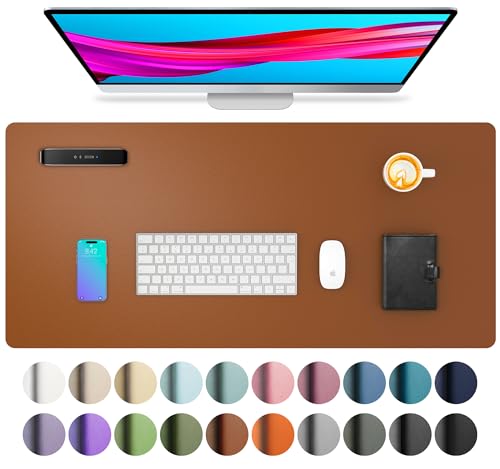
It doesn’t feel like a big deal to move a few things before you sit down to write. But those two minutes of locating the pen, clearing a space for the notepad, and finding the stamps add up over time into a habit that quietly erodes. When sitting down to write requires a setup ritual, people start skipping it — not because they don’t want to write, but because the friction got there first.
What a Desk Organizer Actually Does
A basic desk organizer gives every item a defined home: pens in one compartment, notecards in another, stamps and return address labels in a third. Nothing is buried. Nothing needs to be moved to reach something else. Everything is where you expect it to be, every time.
That predictability is the point. When the tools are visible and accessible, the habit happens. When they require a search, the habit erodes.
What to Look for
- Compartments sized for what you actually use — not oversized catch-alls that let small items rattle around
- A footprint that fits your available desk space — measure before ordering
- Easy to clean surface — a pen cap left uncovered can leave marks
- Stable enough that removing one item doesn’t tip the whole thing
The Stamps and Labels Detail
If you send cards or letters regularly — and if you’re reading this, there’s a good chance you do — keeping a small supply of stamps and return address labels in the organizer removes one more reason to delay. Everything you need to complete a piece of correspondence is in one spot, ready to go.
Organizing the writing surface isn’t about tidiness for its own sake. It’s about making sure there’s no friction between the moment you want to write and the moment you start.


Handwriting Desk Setup Checklist
Download this five-part checklist to identify and fix the exact friction points in your handwriting setup—so you can write with ease, without hand fatigue or frustration, and keep the habit going strong.
The Kit, Pulled Together
Five items. A retractable gel pen that flows without pressure. A lay-flat notebook that stays open without a hand holding it. An LED task lamp that lights the page instead of your hand. A book stand that keeps the address book at eye level. A desk organizer that puts everything where you expect it.
None of these items is transformative on its own. Together, they remove every common friction point that makes handwriting feel harder than it used to.
Your preference for writing things down by hand isn’t a limitation to work around. It’s a reliable, personal system that’s worth a small investment in the right tools. And staying mentally engaged through writing — whether that’s letters to grandchildren, to-do lists, or personal notes — is one of the genuinely worthwhile hobbies that keep older adults sharp and connected.
If you’re setting up or refreshing a space at home, it’s also worth thinking about how the writing area fits into the broader room. A well-lit, organized surface is easier to navigate — and that matters beyond just comfort. Thoughtful home setup is part of fall prevention and home safety too, especially when a clear, clutter-free surface means fewer things to knock over or trip on in low light.
And if you’re shopping for someone else — an aging parent or a grandparent whose writing desk you’ve noticed is getting harder to manage — this five-item kit makes a genuinely thoughtful, practical gift. It’s the kind of thing that shows you paid attention to how they actually spend their time. You’ll find more ideas like it in our gift guides for older adults and our roundup of inexpensive gifts that still show you care.
What’s on your writing desk right now? Is it the pen that’s making things harder? The lighting? The clutter? Share what you’re working with — or what’s already working well — in the comments below. Someone else reading this might find exactly the answer they needed in what you write.