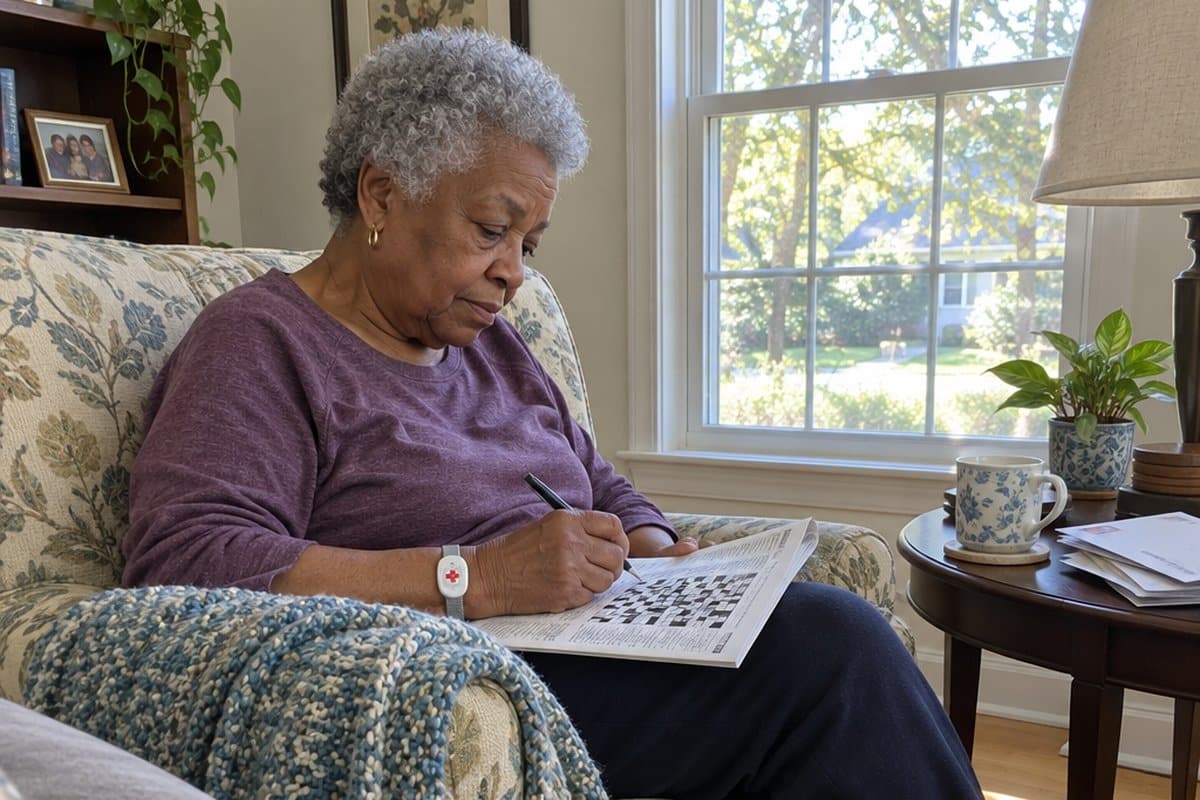
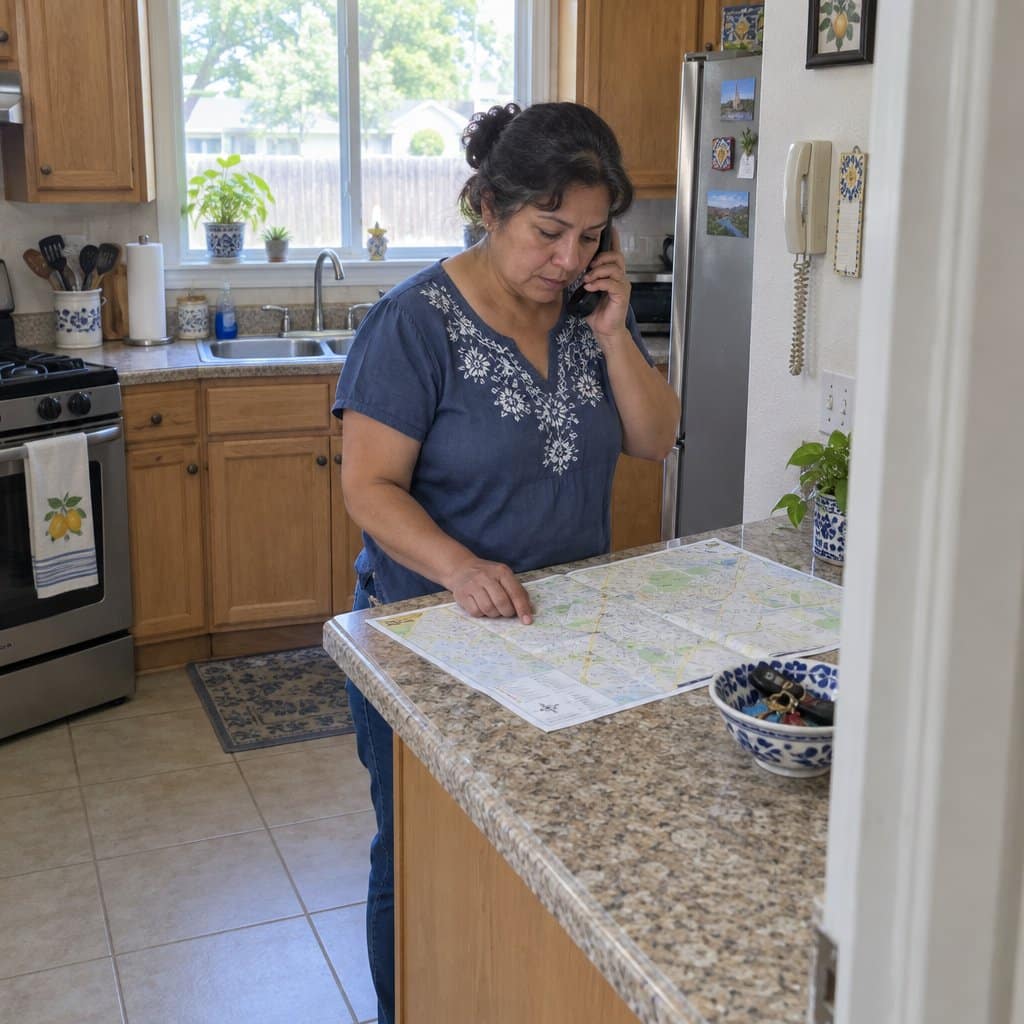
You finally buy a dementia medical ID bracelet, fasten it on your mother's wrist, and find it on the kitchen counter two days later. If the ID isn't on the wrist, who does it help?
I know asking a parent to wear one can feel awkward, and you're not the first to feel stuck.
Here is what you'll find below: the one thing most shopping guides put last, a quick guide to what to engrave, and a short list of other steps to put in place around the bracelet.
Dementia ID Bracelet Clasp Cheat Sheet
Choose the right dementia ID bracelet clasp for your loved one—so it stays on the wrist where it actually helps, without creating daily frustration for either of you.
An ID That Gets Taken Off Tells No One Anything
Engraving gets all the attention. Name, number, diagnosis, which words fit.
But a bracelet in a drawer or on a counter identifies no one.
Why Bracelets End Up on the Counter
If your mother keeps taking her bracelet off, it's not stubbornness. A clasp that's easy to open is easy to open, even without thinking about it.
There are other reasons too. The band may feel strange against her skin. It may be unfamiliar, and she may not recognize why it's there.
Families I've talked with over the years often describe the same pattern. The bracelet goes on in the morning, comes off by afternoon, and nobody notices until it's needed.
The Rule I'd Start With
Here's what I'd check first, before any wording or style:
Choose the clasp first. Then choose the engraving.
That isn't overthinking. It's the most practical decision you'll make, because a bracelet only works while it's on.
Clasp Types Compared: What Works and What to Watch For
Different clasps solve different problems. The best clasp for a dementia bracelet is the one that fits both the wearer and the person fastening it.
Four Common Styles
- Simple one-hand snap or slide clasps: Easy for you to fasten, but also easy for the wearer to open.
- Stretch or slip-on bands: No clasp to fight with. They can slip off over the hand, though, and they don't suit every wrist.
- Two-hand clasps: They take two coordinated hands to open, so absent-minded removal is less likely.
- Tamper-resistant or locking styles: Harder to remove, but you may need a tool or some practice to open them yourself.
If you're shopping for a tamper-resistant medical ID bracelet, remember that "harder to remove" also means harder for you on a rushed morning.
A Two-Hand Clasp Example
The Divoti Dementia Medical ID Bracelet is the two-hand-clasp example I'd point you to. It suits someone who tends to fiddle with or remove a one-hand clasp, and a caregiver who can fasten it for them each day.
I haven't handled it myself, so I'm describing it by its clasp type and who that kind of clasp fits. If you want to see how it stacks up against other Divoti styles, I laid that out in this Divoti medical ID bracelet comparison.
A medical ID bracelet with a two-hand clasp is a good place to start if the simple clasps keep coming undone.


The Downside to Know
A two-hand clasp can be harder for a caregiver with arthritic or tired hands. And a person who is determined to remove a bracelet may still manage.
It's a barrier, not a guarantee. Fasten it a few times and check the fit before you rely on it.
My simple rule: pick the hardest clasp the person can't open but you can fasten easily every day.
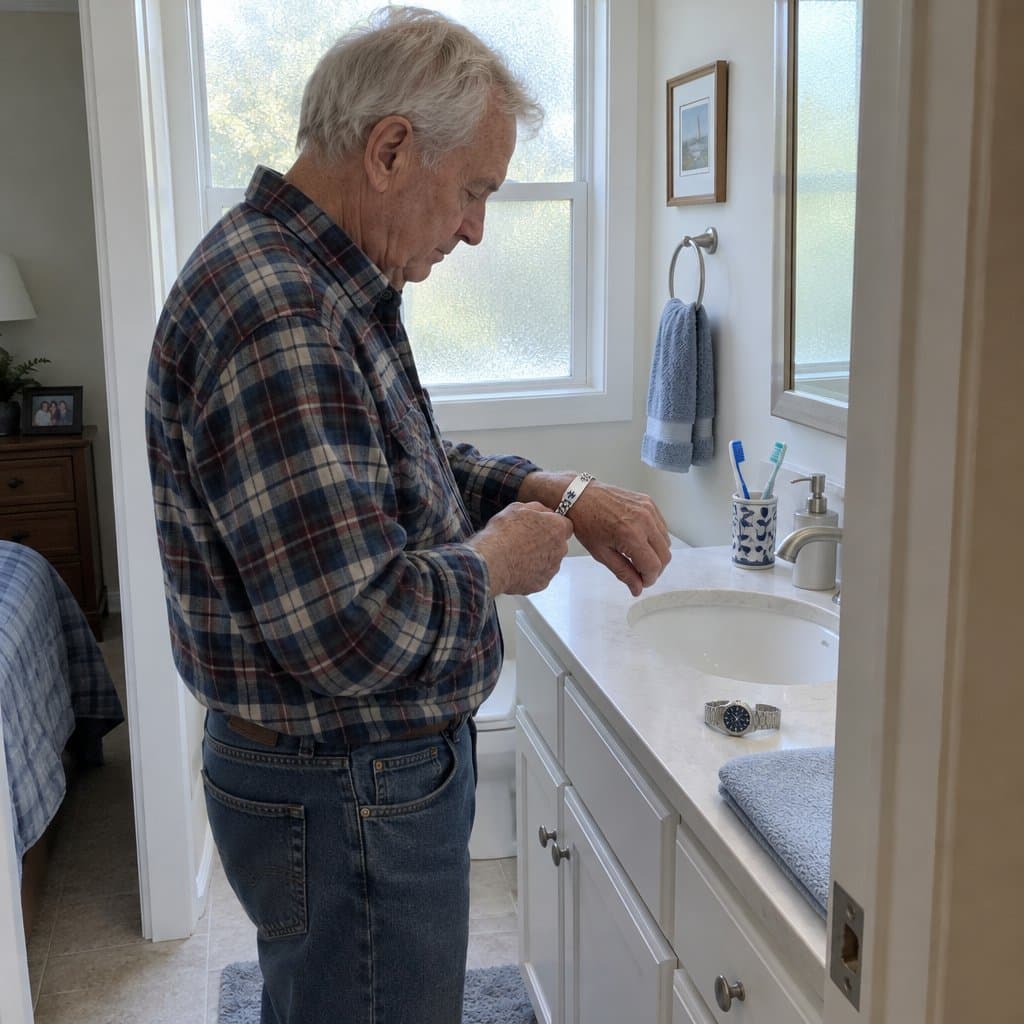
What to Engrave on a Dementia ID Bracelet
Does a person with dementia need a medical ID? I'd say yes, because it gives a stranger or first responder something to act on when she can't explain who she is.
That stranger has a few seconds, not minutes. So keep it short.
What Information Goes on a Medical ID Bracelet
- Name: The one she answers to.
- A plain statement: "Dementia" or "Memory impairment."
- Two phone numbers: Your number first, then a backup.
- Key medical needs: Allergies or conditions your family chooses to include.
Use clear, large-print wording that's easy to read at a glance. Leave out anything your family isn't comfortable sharing.
Ask her doctor, or check local guidance, about which medical details belong on it. I can't give clinical advice on that part.
The engraving is short on purpose. Its job is to get the right call made quickly. If you want to go further on how responders look for information, I cover it in what first responders find when you can't speak.
A Backup for Days the Bracelet Is Off
A medical ID wallet card covers the times the bracelet is off or she's wearing different clothes. Tuck it where she already keeps things, like a purse or coat pocket.


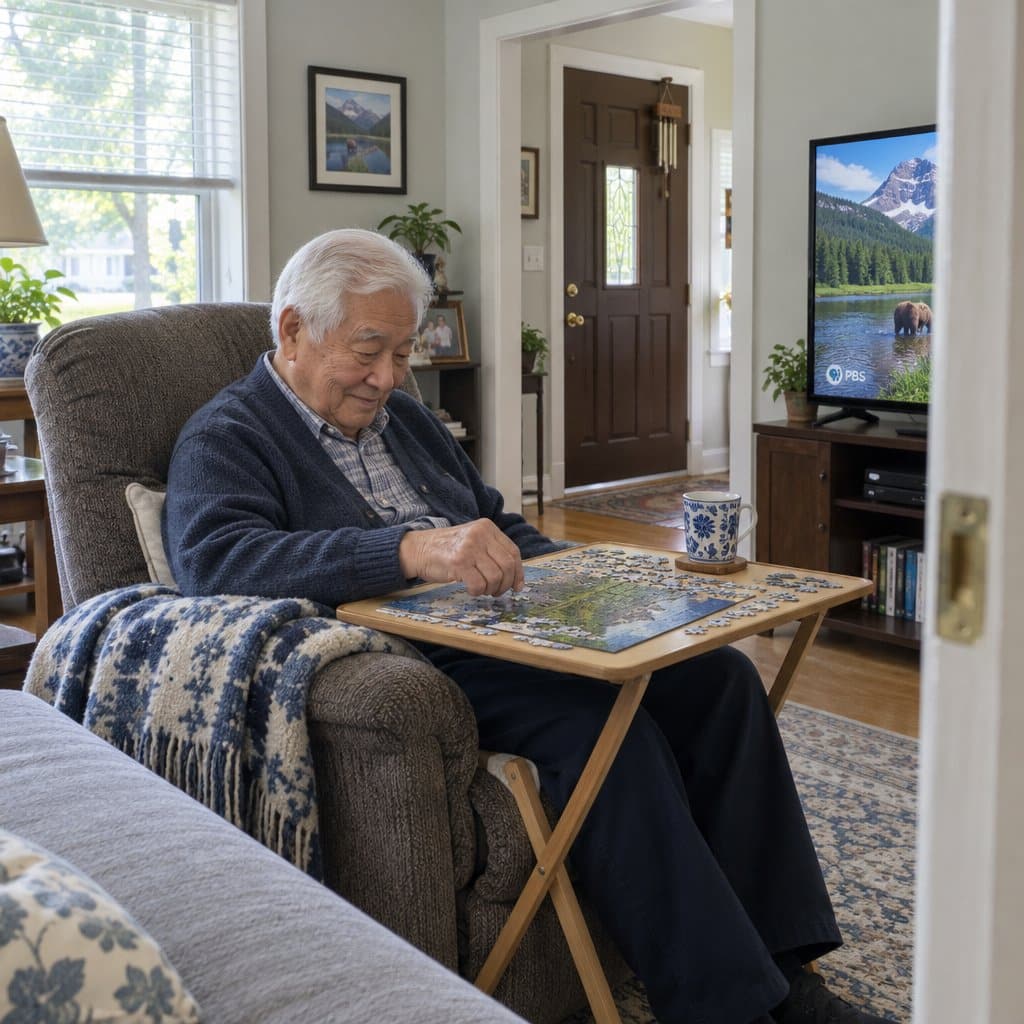
How to Help Your Loved One Keep It On
Wearing habits matter as much as the hardware.
Start Calmly
Skip the big conversation and the "you might get lost" message. Just introduce it the way you'd introduce a new watch.
Then tie it to something she already does:
- Fasten it after the morning shower.
- Put it on when she puts on her watch or other jewelry.
- Check the skin now and then for rubbing or redness.
When It Keeps Coming Off
It's okay if the first bracelet doesn't stick. That tells you something about what to try next.
- Try a different clasp style.
- Try the other wrist.
- Try a different time of day.
- Keep the wallet card and a recent photo as backups.
- Tell family, neighbors and the care team.
Try it for a week and watch when it comes off. That pattern will tell you more than any product description.
The Feelings Behind It
For some families, the bracelet makes the diagnosis feel real. That's normal, and it doesn't mean you're giving up.
If you're still working through that, how caregivers handle dementia denial with compassion may help. You know your mother best.
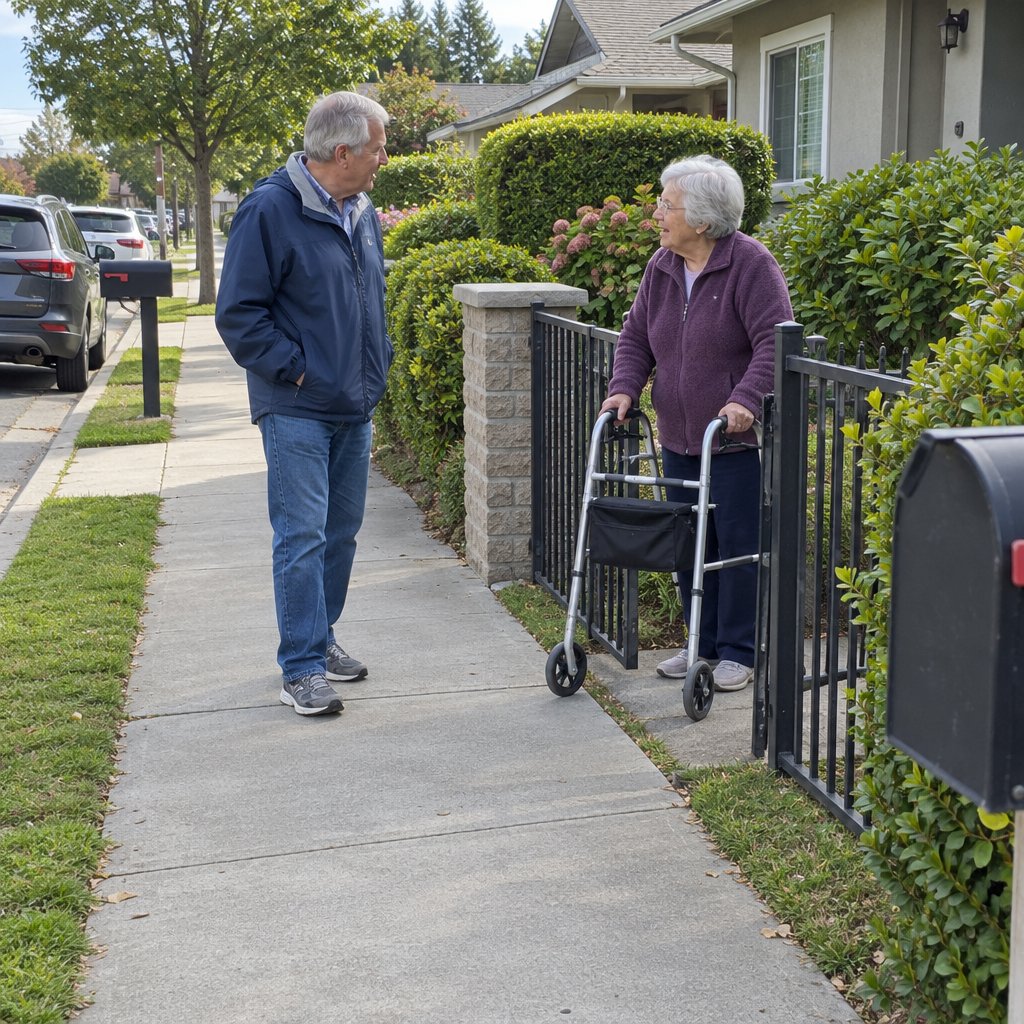
The Bracelet Is One Layer: Pair It With Door Security
An ID on the wrist covers the case where she gets out anyway. Other steps lower the chance of that happening unseen.
One layer won't cover everything, and that's okay. Think of dementia wandering prevention tips as a few simple layers working together.
Keeping Her From Leaving Unseen
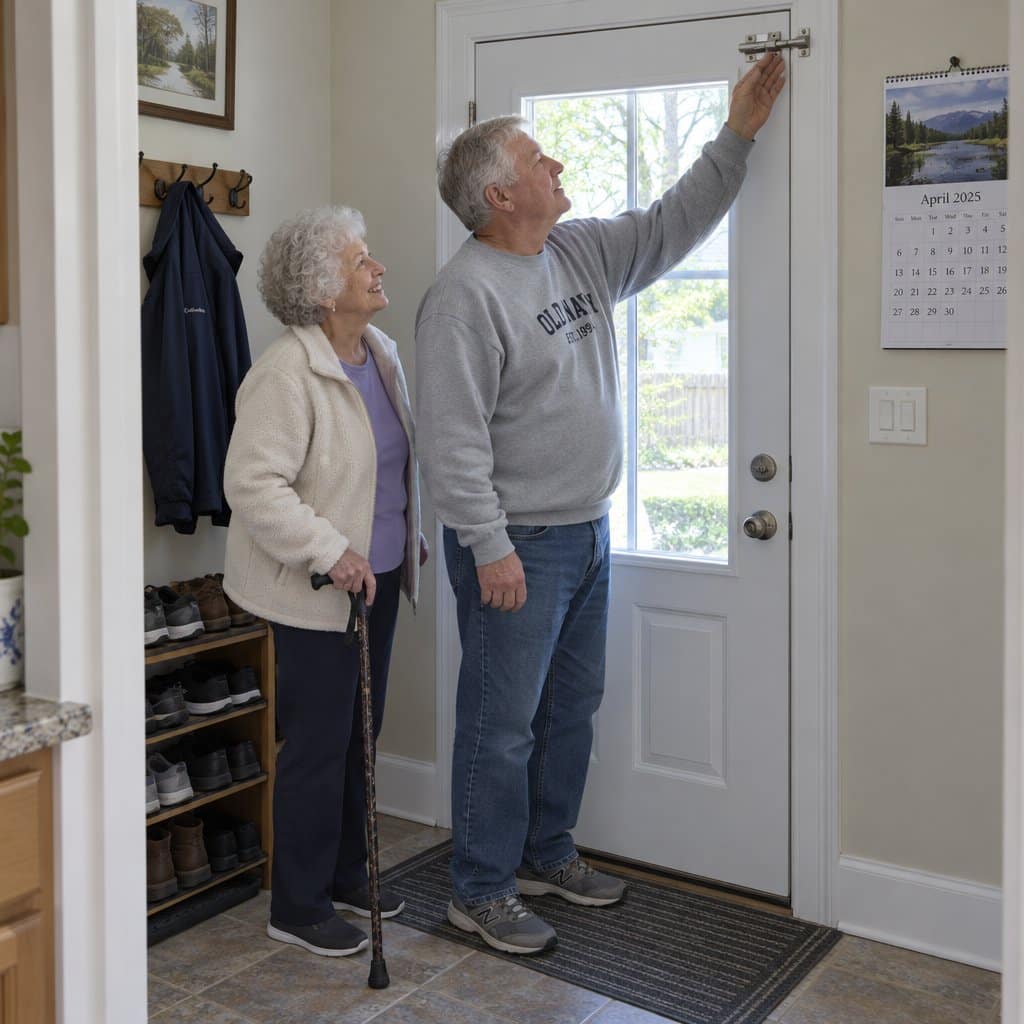
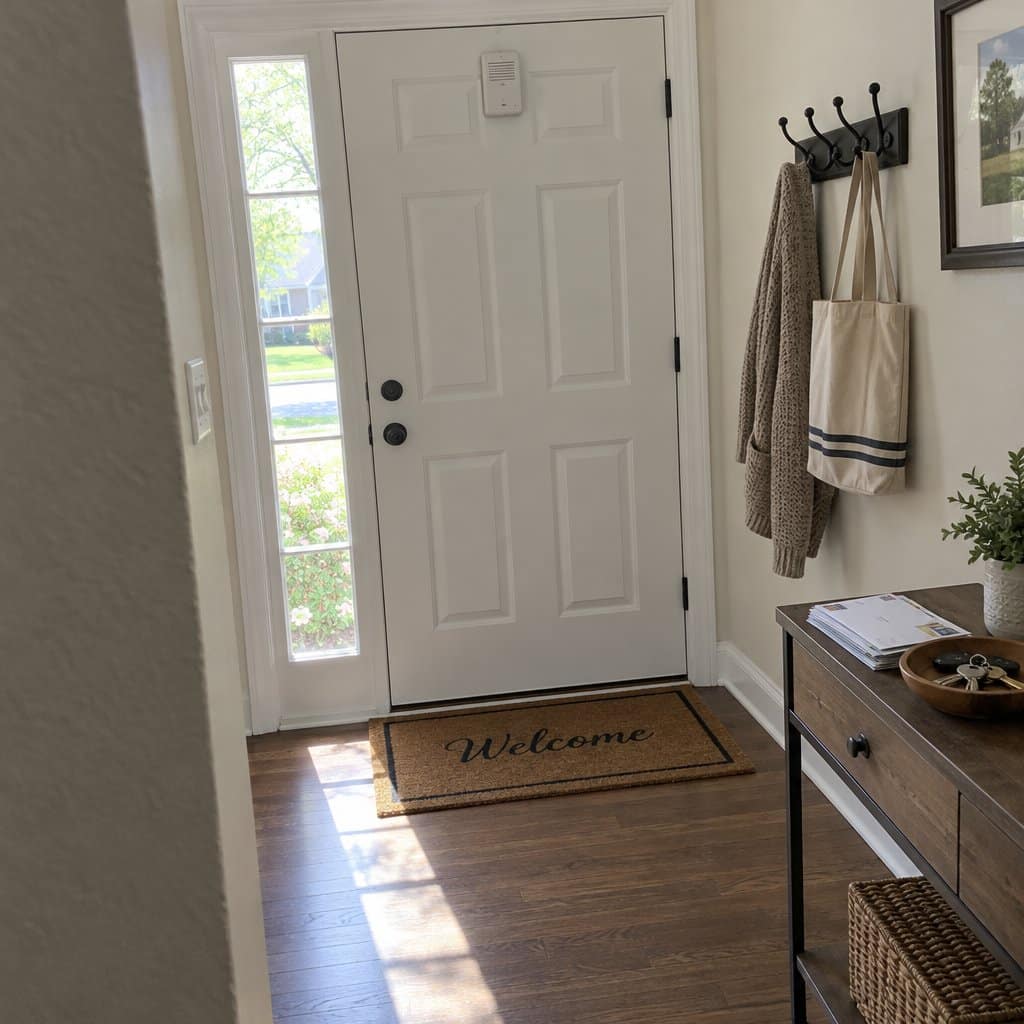
If you’re wondering how to stop a person with dementia from leaving the house unnoticed, start at the doors.
Door alarms for dementia patients give you an alert without locking anyone in, so they suit families who want to know, not restrict. An alarm won’t catch every exit, so keep a backup such as regular check-ins, especially at night.
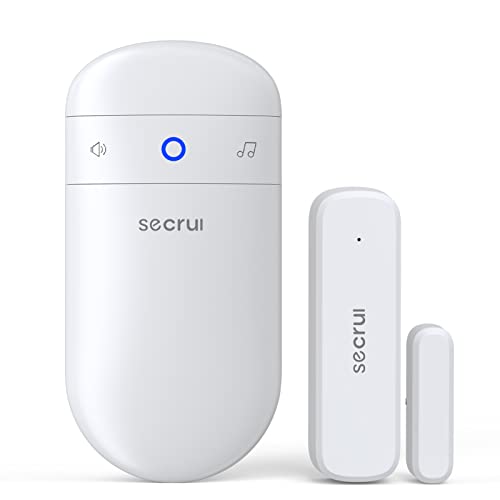

I walk through your options in 8 simple options to increase door security for dementia patients. For a simple chime, there's also my SECRUI door chime review.
A door lock suits situations that call for more restriction. Keep exit safety in mind and check your local fire-safety guidance first.


Another Option Some Families Add
A GPS tracker is one more option, and one you may see mentioned among Safe Return alternatives. The catch is that it needs charging and has to be carried or worn, which brings back the same question: will it stay on?
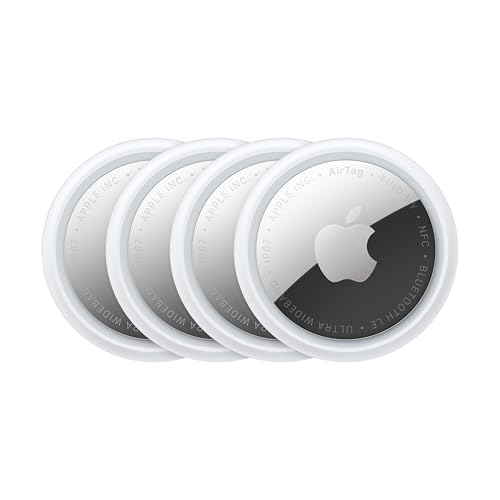


For nighttime, bed sensors and door alarms for overnight dementia care fill another gap.
A Simple Wandering-Safety Layer List
- Door alarm: An alert when a door opens.
- Current photo: Recent and easy to find.
- Neighbors informed: People who know the situation.
- ID that stays on: The bracelet with the right clasp.
- Backup wallet card: For days the bracelet is off.
You aren't trying to build a perfect system. You're putting a few simple layers in place so one missed step doesn't leave your family without a plan.
Dementia ID Bracelet Clasp Cheat Sheet
Choose the right dementia ID bracelet clasp for your loved one—so it stays on the wrist where it actually helps, without creating daily frustration for either of you.
Start With the Clasp
Pick the clasp first, then engrave, then build the layers around it.
Thinking this through is an act of care. A bracelet isn't giving up on independence. It helps protect it.
This week, take one step. Check whether the current ID is actually on her wrist, or fasten a new one and watch how it goes.
Has your loved one kept a bracelet on? What helped? Share it in the comments, and send this to another caregiver who might need it.