
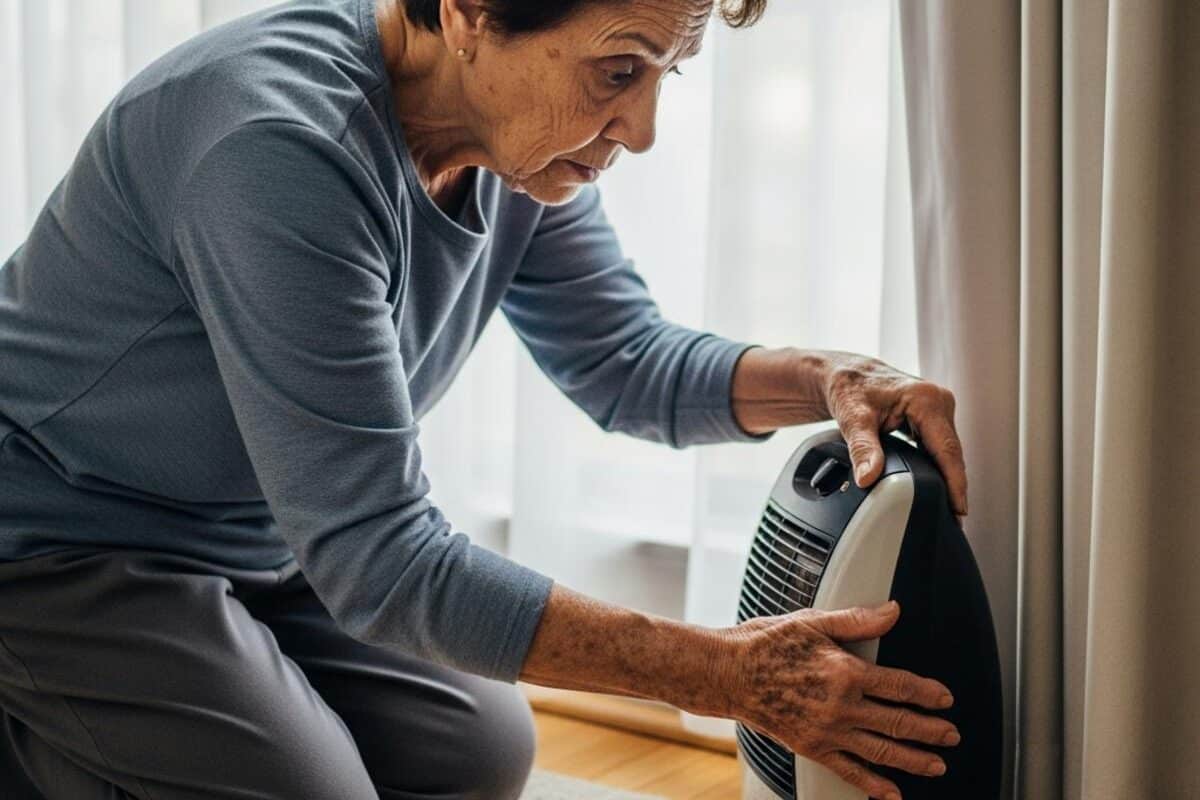
You set up a space heater in your parent’s bedroom last winter with the best intentions. It kept the room warm, they seemed comfortable, and you felt good about it.
Then came the new dementia diagnosis — and suddenly you’re wondering whether that heater is a comfort solution or a fire waiting to happen.
You’re asking the right question. Both electric blankets and space heaters are already in millions of senior households, and most caregivers chose them thoughtfully. The real issue isn’t whether your intentions were wrong. It’s whether the product still matches the situation.
This guide walks through the genuine safety differences between both options, explains why dementia changes the risk calculation in ways most people don’t anticipate, and helps you make a clear, confident decision for your specific situation.
The Core Safety Differences Every Caregiver Should Understand
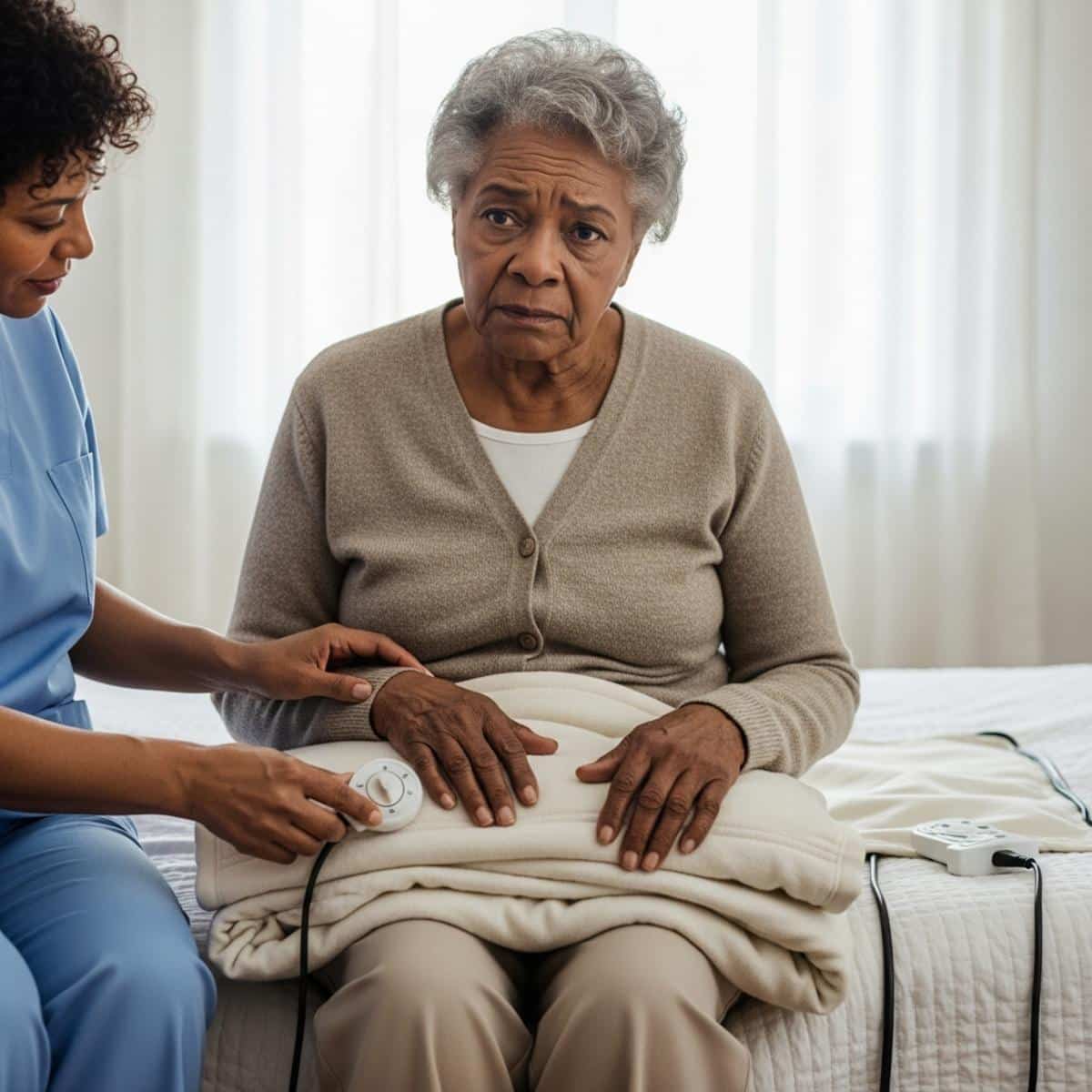
Both products carry real risks — but they fail in different ways. Understanding those failure modes is what helps you match the right product to the right person.
Electric Blanket Risk Profile
- Burn risk: Heat builds up directly against skin, which is the primary danger for seniors who can’t reposition themselves or communicate discomfort
- Wiring risk: Older or low-quality models have less reliable overheat protection
- User adjustment risk: Seniors may crank the heat setting up and not notice the consequences
- Cord hazard: Minimal — blankets stay on the bed and don’t create walkway hazards
Space Heater Risk Profile
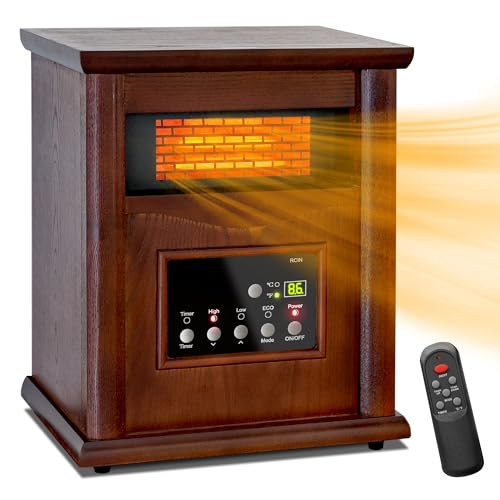
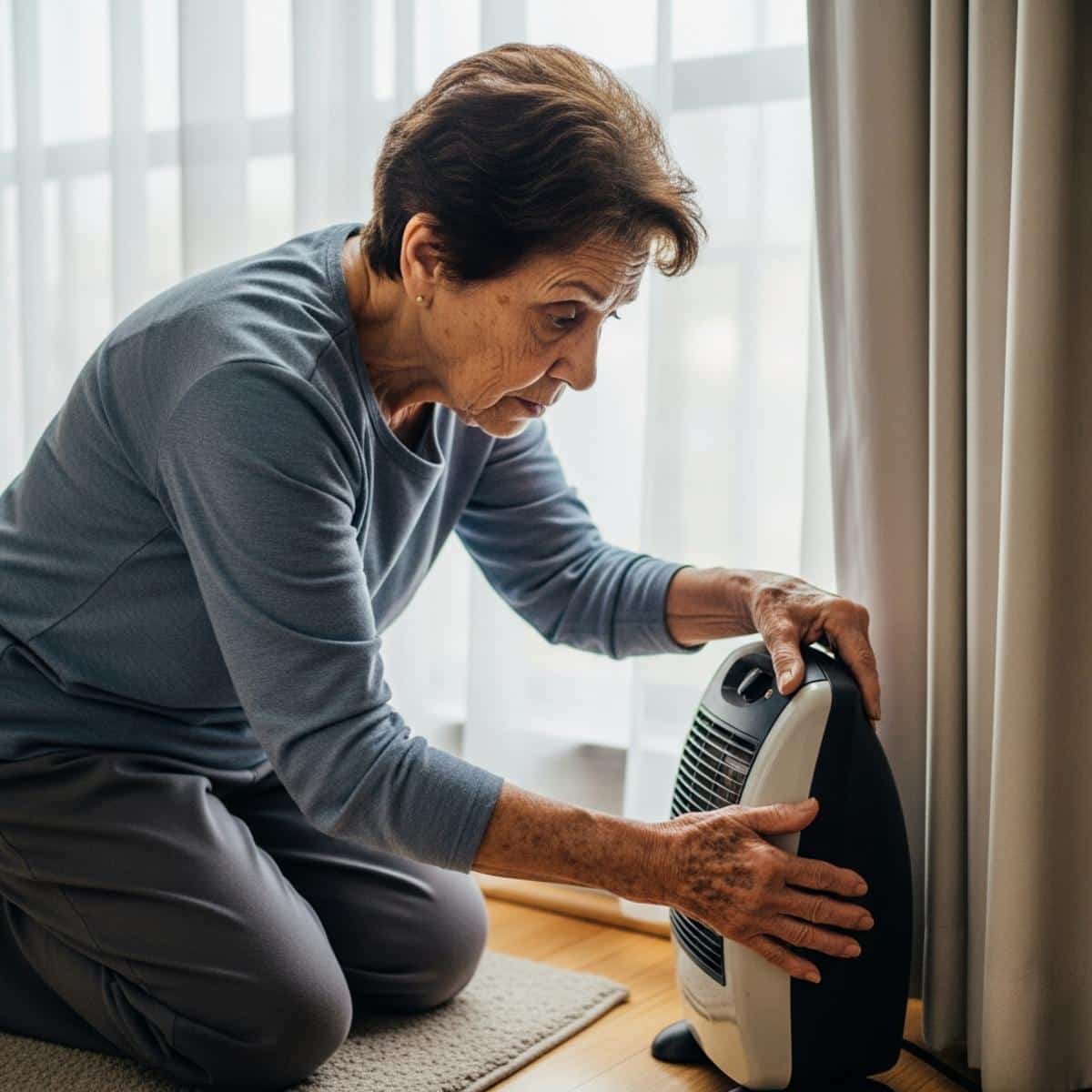
- Tip-over fire risk: A knocked-over heater near a rug, curtain, or bedding can ignite quickly
- Proximity risk: Furniture, clothing, or a senior sitting too close can overheat or catch fire
- Cord tripping hazard: Power cords crossing walkways are a direct fall risk for older adults
- Carbon monoxide: Electric space heaters do not produce CO — but gas or combustion models do. If you’re using anything other than an electric model, this risk is real and serious
The Auto-Shutoff Reality Check
Both products now commonly include auto-shutoff features. But “has auto-shutoff” and “has reliable auto-shutoff” are not the same thing.
Trigger conditions vary. Some shut off after a set time. Some only respond to overheating. Some tip-over sensors require a significant angle change before activating.
Neither product is inherently dangerous — both become dangerous when matched to the wrong user or environment. That’s exactly the distinction this article is here to help you make.




Why Dementia Changes Everything About This Decision
Standard senior safety advice isn’t enough when dementia is part of the picture. The risks compound in ways that most general guidance doesn’t address.
The Temperature Perception Problem
Older adults naturally experience reduced temperature sensitivity — they may not feel a burn developing until significant skin damage has already occurred.
Dementia accelerates this problem. A person with dementia may not be able to accurately perceive that a blanket is overheating, recognize that a heater is too close, or connect their physical discomfort to the heat source causing it.
This isn’t a personality issue or a stubbornness problem. It’s a neurological reality that fundamentally changes the risk calculation.
Impaired Judgment and Impulsive Behavior
A person with dementia may:
- Turn a space heater’s temperature to maximum without understanding the consequence
- Move closer to a heat source because it feels good, without recognizing the danger
- Remove an electric blanket that’s overheating before realizing why they’re uncomfortable
- React to a caregiver’s instructions in the moment but not retain them
Verbal safety reminders are not a reliable safeguard for dementia patients. You cannot depend on an agreement or a reminder holding from one hour to the next.



The Wandering Risk
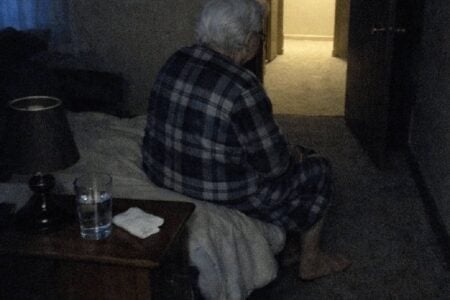
Nighttime wandering is one of the most serious safety challenges in dementia care. A person who wanders into a room with an unsupervised space heater — and either tips it over or stands too close — is in immediate danger.
Unlike an electric blanket that stays on the bed, a space heater is a freestanding appliance that a wandering person can interact with in multiple dangerous ways.
For more on managing safety in unsupervised moments, creating predictable environments matters enormously.
A Two-Question Caregiver Check
Before deciding which product to use — or whether to use either — ask yourself two questions:
- Can this person reliably feel and communicate discomfort?
- Can this person be trusted not to adjust or approach a heat source unsupervised?
If the answer to either question is no, the decision framework shifts significantly. Keep reading.
Want practical caregiving guidance delivered to your inbox each week? Subscribe to the Graying With Grace newsletter for expert-tested safety tips and product recommendations designed specifically for older adults and their caregivers.
Matching the Right Product to the Right Situation
There’s no single right answer. But there is a right answer for each specific scenario.
Bed Warming Overnight
Better choice: Electric blanket or heated mattress pad
A space heater running unattended through the night introduces fire risk that’s difficult to justify. Electric blankets with timed auto-shutoff are the more contained option.
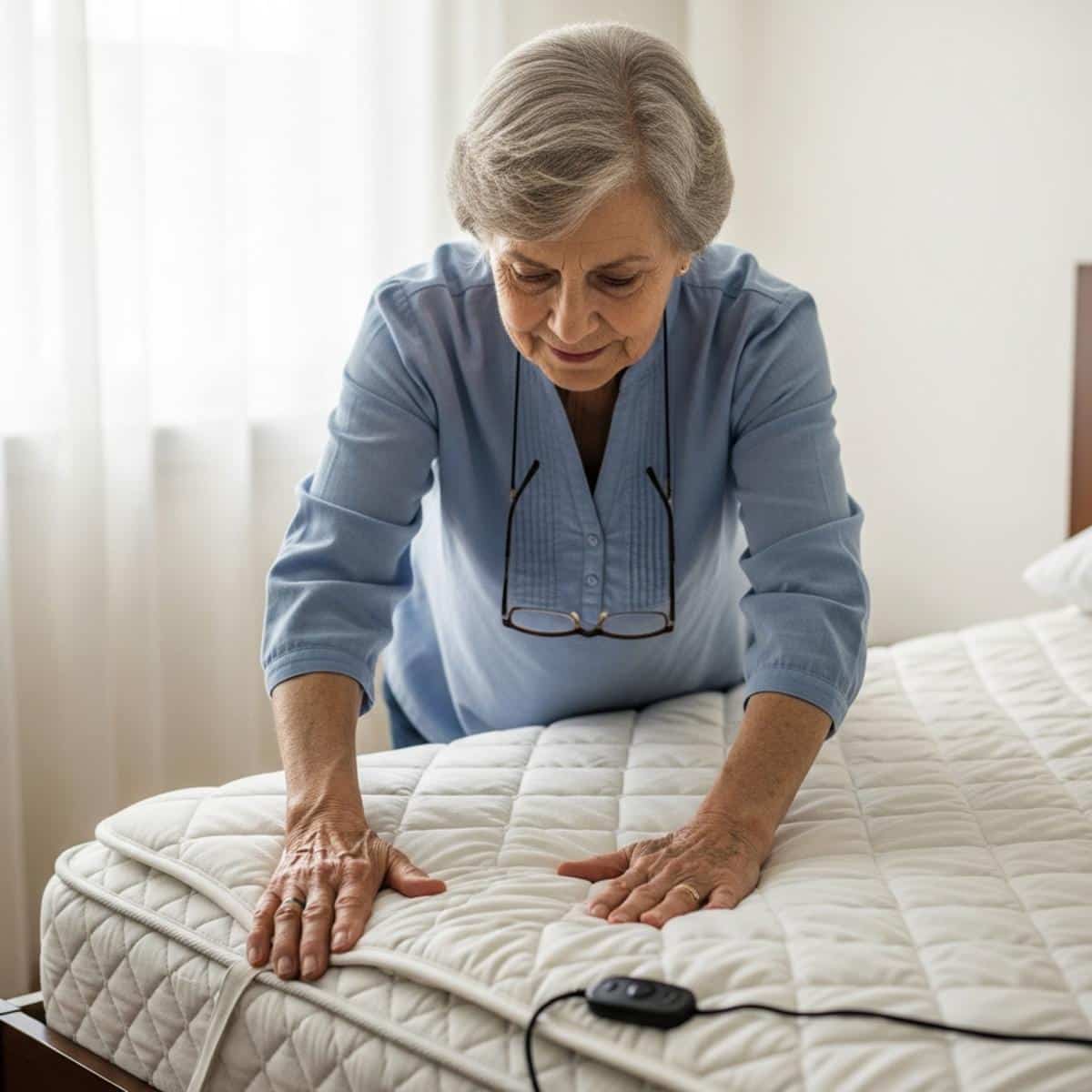
Heated mattress pads go one step further — heat distributes evenly from below, the user can’t easily adjust or remove the heat source, and there are no cords within reach. For seniors with dementia, this is often the safer overnight option of the two.
Some caregivers pair a low-wattage heated mattress pad with a bed sensor alarm to maintain awareness of the senior’s position and comfort during the night.
Living Room Daytime Use
Better choice: Space heater, with conditions
For supervised daytime zone heating, a space heater is practical — but only with tip-over protection, cool-touch housing, and placement away from upholstered furniture and foot traffic paths.
This is not an appropriate setup for unsupervised seniors with dementia.
Wheelchair Users
Better choice: Electric blanket or lap blanket
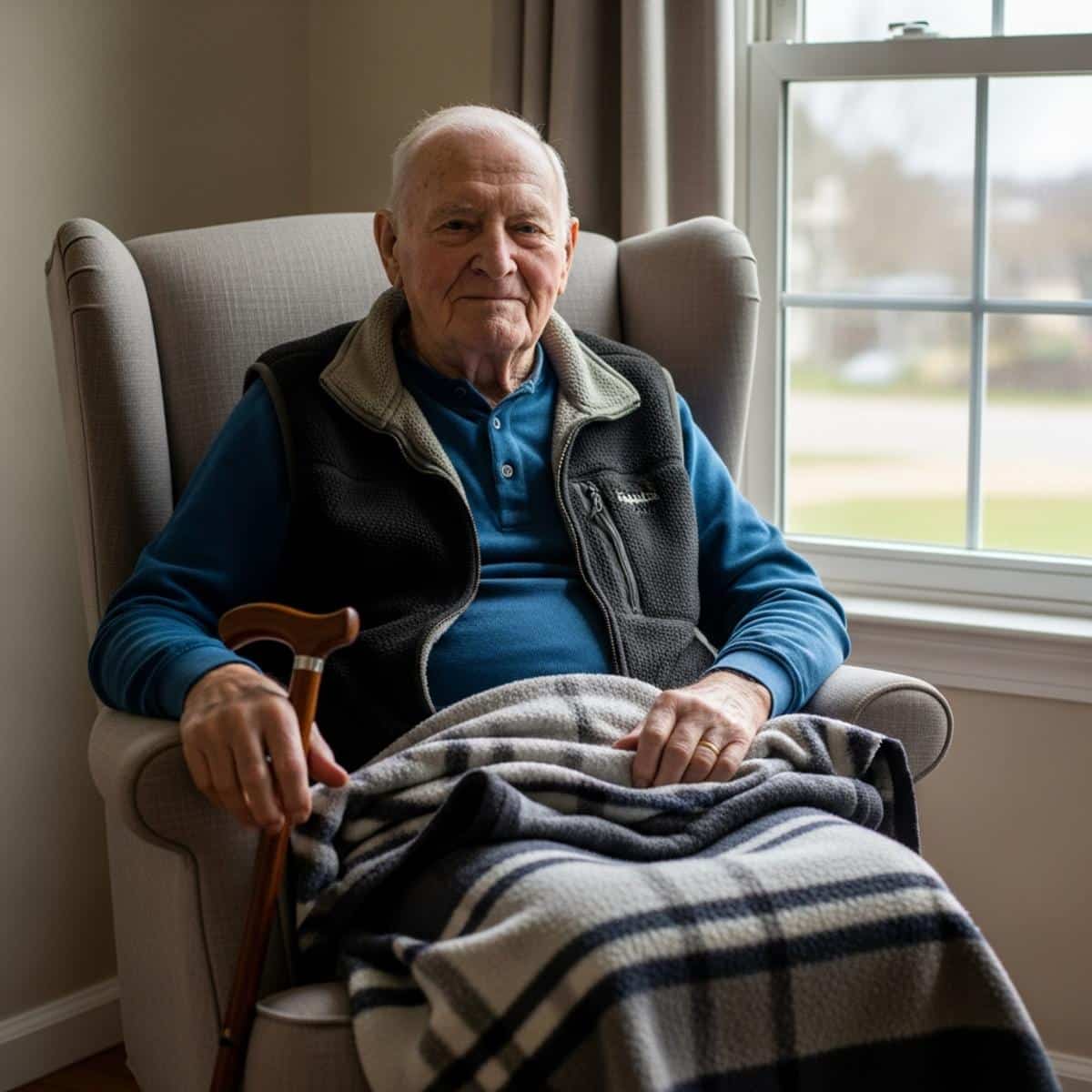
Space heaters positioned near a wheelchair create proximity risks and cord tripping hazards that are genuinely difficult to manage safely. A lap blanket or low-wattage electric blanket kept off the floor eliminates both problems.
For wheelchair users managing daily comfort and mobility, reducing environmental hazards in the immediate space matters a great deal.
Overnight Safety With Dementia
Honest answer: Neither product is ideal unsupervised
For a mobile person with dementia who wanders at night, the safest approach is often to skip both products and address warmth through other means (covered in the next section).
If a heating product must remain in use, a heated mattress pad with auto-shutoff — combined with a door alert or motion sensor — provides more control than either a space heater or a loose electric blanket.
Understanding when a senior’s environment needs structural changes is part of getting this decision right.
Features That Actually Matter — What to Look For Before You Buy
Not all electric blankets and space heaters carry the same safety standards. Here’s what to prioritize.
For Electric Blankets and Heated Mattress Pads
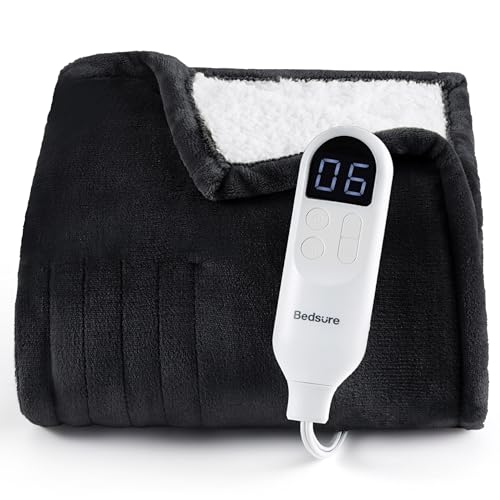
- Timed auto-shutoff — look for models that shut off after a set number of hours, not just when they overheat
- Low-wattage or low-voltage options — these reduce burn risk for seniors with skin sensitivity
- Simple or lockable controls — large buttons a senior can manage, or a model where settings can be locked to prevent adjustment
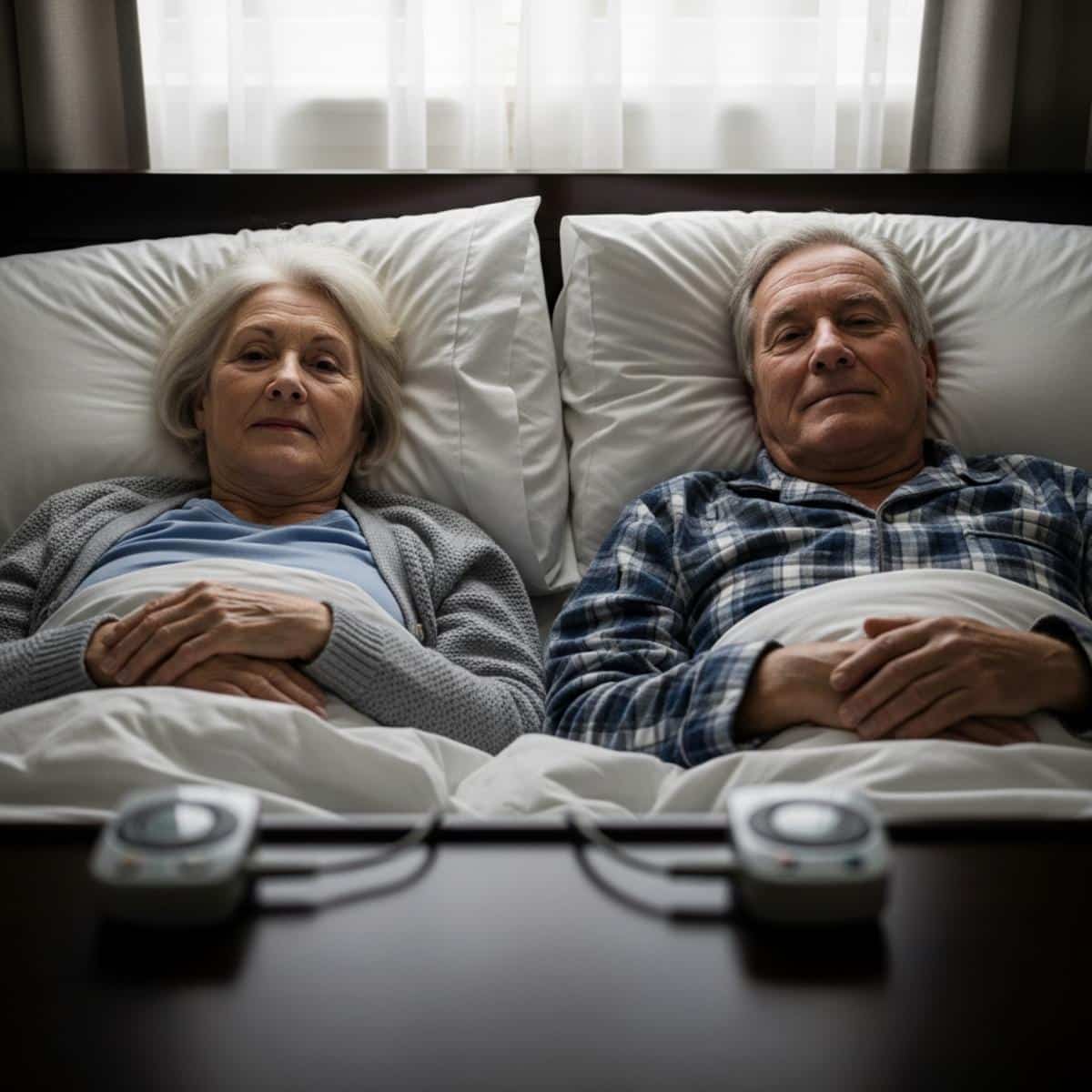
- Dual-zone control — useful for couples where one partner has different heat sensitivity or cognitive decline
- Machine-washable construction — practical for long-term caregiving use
For Space Heaters
- Tip-over auto-shutoff that triggers quickly — test this before trusting it; some models have a significant delay
- Cool-touch outer housing — the exterior surface should not cause a burn on contact
- Overheat protection — shuts the unit down before surface temperatures become dangerous
- Timer function — limits use to specific hours and prevents overnight running
- Ceramic enclosed elements — avoid open-coil or infrared models near seniors with dementia; ceramic heaters with enclosed elements reduce ignition risk significantly
Buying the cheapest available model is a false economy here. The safety features that protect a senior with dementia or reduced sensation are specific — and worth every penny.
When Neither Option Is the Right Answer — And What to Do Instead
For some seniors, both products introduce more danger than they solve. Recognizing that moment is part of competent caregiving.
Situations Where Both Products Are Inappropriate
- Unsupervised nighttime access for a wandering dementia patient — this is a hard line
- Seniors with severe neuropathy who cannot feel heat at all, even without dementia
- Assisted living or memory care facilities where personal appliances are prohibited or impractical
Practical Alternatives That Don’t Require a Powered Appliance
- Adjust the home thermostat to maintain consistent ambient warmth overnight — this removes the variable entirely
- Layered thermal clothing — thermal underlayers, fleece-lined pants, and warm socks address cold at the source without any electricity involved
- Wearable heated vests designed for low-heat, safe use — some battery-powered models are designed for comfort rather than high heat output
- Additional blanket layers without electric components — sometimes the simplest solution is the right one
For seniors dealing with fatigue and low energy related to cold, consistent ambient warmth often matters more than any single heating product.
A Practical Supervision Checklist for Homes Where Either Product Stays
If you decide a heating product remains appropriate for your situation, build these habits into your routine:
- Check all cords weekly for fraying, kinking, or damage
- Test auto-shutoff monthly — physically confirm it triggers correctly
- Confirm heater placement hasn’t shifted closer to furniture or fabric
- Establish a leaving routine — verify the product is off or set to timer before you leave
- Review the setup after any behavioral change in a senior with dementia — what was safe last month may not be safe today
Caregiver burnout is real, and building simple safety checks into existing routines — rather than relying on memory — is what makes them sustainable.
Making the Right Call for Your Situation
The electric blanket vs. space heater decision isn’t abstract. It comes down to your specific older adult — their cognitive status, their mobility, their behavior patterns, and the supervision available to them.
Both products are useful. Both products are dangerous in the wrong context. The senior’s ability to self-protect is what determines which category they fall into.
If you’re reading this article, you’re already doing the work that makes a real difference in a loved one’s safety. That matters.
This week, pick one concrete action: check the auto-shutoff on a product currently in use, reposition a space heater away from foot traffic or furniture, or look into a heated mattress pad as an alternative to an electric blanket for overnight use.
Small adjustments, made thoughtfully, are what keep the people we care about warm and safe through another winter. Share your questions or your own experience in the comments — your situation may be exactly what another caregiver needs to hear about.


![Older man installing motion nightlight[1]](https://www.grayingwithgrace.com/wp-content/uploads/2025/06/older_man_installing_motion_nightlight1-e1748523974550-450x300.jpg)


