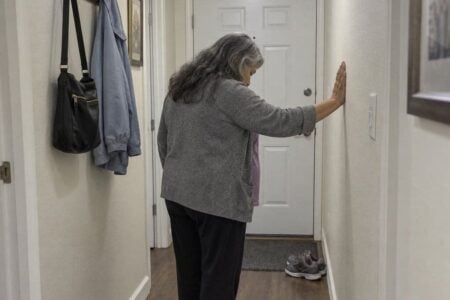

The first tour goes well. The rooms are bright, the staff are kind, and then the director names the monthly price.
Now you may be sitting in the parking lot, doing math in your head. You're not behind, and this reaction is common.
Many families assume Medicare will help, but the answer is more complicated. Here's a plain map of how to pay for assisted living, so you know your options before the next tour, not after.
I'm Scott Grant, a Certified Senior Advisor, and I'll share what I want a family to know before they make the call.
Assisted Living Payment Options Cheat Sheet
Download this free cheat sheet to compare assisted living payment options side-by-side and ask the right questions at every community tour—so you can find an affordable care solution without leaving your family financially vulnerable.
What the Monthly Bill Covers (and What Costs Extra)
The assisted living cost you hear on a tour is rarely the whole picture. Understanding how the bill is built explains why the numbers vary so much.
What the monthly fee usually includes
Most communities fold a few basics into one monthly fee. That often means the room, meals, housekeeping, activities, and some everyday help.
What counts as "basic" differs from one community to the next. Never assume.
What often costs extra
Here are the add-ons I'd ask about by name:
- Higher levels of care: More hands-on help usually moves you into a higher tier.
- Medication management: Some communities charge separately for it.
- Incontinence support: It may be bundled or billed on its own.
- Transportation: Rides to appointments are often an extra.
- One-time fees: Many communities charge a community or entrance fee when you move in.
Why two bills can't be compared side by side
Sticker shock often comes from comparing different things. Two communities with very different bills may be pricing very different services.
Location, apartment size, and level of care all matter. So does how a community prices care: tiered levels, where the bill rises as needs grow, or a flat fee that bundles more up front.
That's the "care level" idea in plain words. Needs change, and the bill can change with them.
Cost figures change often, so don't rely on any number you read online, including from me.
Do this before your next tour: Ask for a full written fee schedule, with every care-level charge and every one-time fee. If you're still deciding whether the move is right, this 9-question checklist can help you sort that out first.

Why Medicare Doesn't Pay for Assisted Living (and What It Still Covers)
So, does Medicare pay for assisted living? Not for the room or the daily care. That surprises most families.
Medical care versus daily help
Medicare is health insurance for medical needs. Assisted living is mostly housing plus help with daily activities like bathing, dressing, and meals. That kind of help is often called custodial care, and it's what Medicare doesn't cover in assisted living.
It's confusing because the building is full of nurses and care staff. It feels medical, but the bill is mostly for housing and daily support.
What Medicare may still cover
Your mother can still use Medicare for medical services while she lives there. Think doctor visits, certain therapy, and other medically necessary care, the same as if she lived at home.
What's covered depends on her plan and her situation. I can't tell you that from here.
A reframe that helps
Learning this now isn't bad news. It's the reason to start looking at other options early, while you still have time to compare them calmly. Waiting for a crisis tends to make these choices harder, as I explain in this piece on the costly "grandparent trap".
Do this week: Call your State Health Insurance Assistance Program (SHIP) for free local counseling. You can also check Medicare.gov or call 1-800-MEDICARE to confirm what your mother's own plan covers while she lives in assisted living.

Help That May Be Available: Medicaid Waivers and VA Aid and Attendance
Two public programs may help some families. Both depend on eligibility rules that vary and change, so treat what follows as a starting point.
Medicaid waivers
In some states, home and community-based services waivers can help pay for care in assisted living. They usually don’t cover room and board, so plan for that part separately.
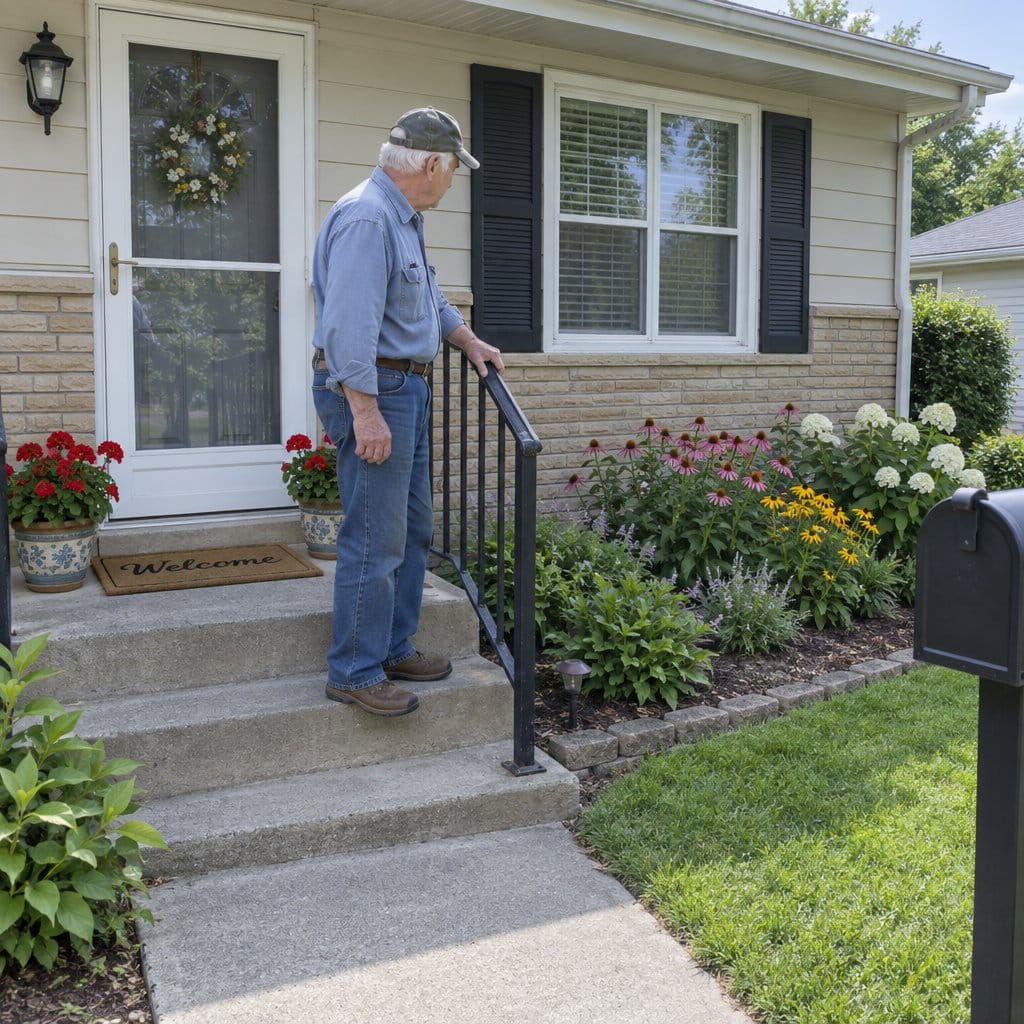
If staying at home is still the plan, you can also look into help paying for home changes like ramps and stairlifts through similar waivers and VA benefits.
Availability, waitlists, and which communities accept them vary widely by state. Eligibility usually depends on both care needs and finances.
Medicaid acceptance also varies by community. Ask each one directly.
To check Medicaid assisted living options in your state, contact your state Medicaid office or your local Area Agency on Aging. You can find yours through the Eldercare Locator at eldercare.acl.gov.
VA Aid and Attendance
If your father served, or your mother is the surviving spouse of a veteran, ask about VA Aid and Attendance. It may help eligible veterans and surviving spouses with care costs.
The application can take time, and the rules change. Check VA.gov or call 1-800-698-2411. An accredited VA claims representative, often called a VSO, can help you apply at no charge.
Asking is not asking for a handout
If you're wondering how to pay for assisted living with no money to spare, please hear this. These programs exist for situations like yours.
I can't promise anyone will qualify. But it costs nothing to find out.
Do this week: Find out whether your mother, or your father if he served, may be eligible. Contact the official office, not a community's sales staff, for the answer.

Other Ways Families Fill the Gap (With the Cautions on Each)
Most families end up combining more than one source. That's common, and it doesn't mean something went wrong.
One thing first: I'm a Certified Senior Advisor, not an attorney or benefits counselor. These decisions shouldn't be made from a blog post alone.
Long-term care insurance
If your parent has a policy, find it. Read what triggers benefits, how long the waiting period lasts before payments begin, and how claims work.
Caution: Policies differ a lot. Call the insurer and ask for the details in writing.
Selling the home
Selling can fund care without leaving the family stuck with a house. If your family would rather keep it, look at the other options in this section first.
Caution: It's a big decision that's hard to reverse. There may be tax and benefit-eligibility effects, so talk to a professional first.
Renting out your parent's home
Rental income can help cover costs while the family keeps the property. It may also keep your parent from feeling forced to let go of the house.
Caution: Being a landlord takes time and money, and the income can affect benefit eligibility.
Life insurance options
Some life insurance policies can be converted, cashed in, or sold in ways that free up money for care.
Caution: These choices can affect the death benefit, taxes, and eligibility for public programs. The details are easy to get wrong.
Who to talk to
- An elder law attorney: The National Academy of Elder Law Attorneys is a good place to find one.
- A certified financial planner with senior experience: Ask about their work with long-term care.
- A benefits counselor: Your local Area Agency on Aging can connect you.
Some families also compare these costs with care at home. If that's on your list, I cover what to consider with aging in place and how to find a live-in caregiver.
Do this week: Gather the paperwork. That means insurance policies, deeds, veteran discharge papers, and account statements, so your first professional conversation is productive.

Questions to Ask About Rate Increases and Running Out of Money
The best time to learn how a community handles price increases is before you sign. Good communities expect these questions and answer them directly. One that avoids them tells you something.
Questions about rate increases
- How often do rates rise?
- How much notice will we get?
- Is there a cap, or a history of past increases you can share?
- Do care-level changes raise the bill, and who decides when a level changes?
Questions about running out of money
- What happens if my mother's funds run low?
- Do you accept Medicaid, and under what conditions?
- Is there a minimum stay or payment-history requirement first?
- Is there a person I can talk to early, before it becomes urgent?
Ask for the contract and fee schedule in writing, and take your time. Have a professional review it if you can. I go through hidden clauses worth watching for and common rules families ask about in two other articles.
What to bring to the tour
- The written fee schedule: Every care-level charge and one-time fee.
- A sample contract: Ask for it ahead of time.
- Your questions: Written down, so you don't forget them under pressure.
- A second person: An extra set of ears helps.
- Notes on your mother's needs: Care needs drive the price.
Asking hard questions isn't rude. It's how you protect your mother's home and your own peace of mind.
Do this week: Write down five questions from this section and bring them to the next tour.
Assisted Living Payment Options Cheat Sheet
Download this free cheat sheet to compare assisted living payment options side-by-side and ask the right questions at every community tour—so you can find an affordable care solution without leaving your family financially vulnerable.
You Have More Options Than You First See
The price shock is common. Understand the bill, confirm what Medicare does and doesn't cover, check Medicaid waivers and VA benefits, weigh insurance and home options carefully, and ask hard questions of every community.
You don't need to solve all of it this week. One call to the right professional is a real step forward.
Caregivers carry a lot. Getting help with the money side is part of caring well, not a sign you're falling short. When you're ready, here's what the first 30 days of assisted living look like.
What surprised you most about assisted living costs? Or what question do you wish you'd asked sooner? Share it in the comments.
If you know another family member caring for a parent, send this along. It might save them a long afternoon in the parking lot.