You reach down to apply lotion before bed and feel it — that rough, jagged skin along the edges of your heels.
Maybe you noticed it earlier when you slipped on sandals for the first time this season and felt a little self-conscious. Either way, it’s one of those things that seems to sneak up quietly until one day it’s impossible to ignore.
Dry, cracked heels are uncomfortable, sometimes genuinely painful, and for a lot of older adults, a little embarrassing — even though they’re one of the most common foot concerns out there. You’re in very good company.
Here’s the good news: you don’t need a pedicure appointment or any fancy equipment to fix this. A simple at-home routine using products you likely already have — or can easily find — can make a real, visible difference. Often within just a few nights.
In this guide, I’ll walk you through exactly what causes cracked heels, what actually works to heal them, and the specific overnight soak-and-socks routine that has become my go-to recommendation for older adults who want to handle this themselves, on their own terms.

The 4-Night Heel Rescue Plan: A Step-by-Step Home Routine for Soft, Comfortable Feet
Get the step-by-step 4-night routine that transforms dry, cracked heels into soft, comfortable skin—no expensive salon visits or complicated treatments required.
Why Heels Crack — And Why It Gets More Common After 60
Let me say this plainly: cracked heels are not a sign of poor hygiene or neglect. They’re a natural result of what happens to skin as we age — and understanding that helps take the embarrassment out of it completely.
Your Skin Changes Over Time
As we get older, skin produces less natural oil and loses some of its elasticity. The feet — which don’t have oil glands in the same abundance as the rest of the body — are especially vulnerable to dryness.
Pressure Makes It Worse
Every step you take puts pressure on your heels. Over time, that pressure pushes the skin outward, and when the skin is dry and inelastic, it cracks rather than stretches. The wrong footwear — thin soles, open backs, unsupportive flats — amplifies this effect.
Circulation Slows Down
Reduced circulation in the feet is common as we age, and it slows the skin’s ability to repair itself. Add dry indoor air and hard flooring into the mix, and you have a recipe for persistent heel dryness that doesn’t resolve on its own.
A Note Worth Mentioning
Certain conditions — including diabetes and thyroid issues — can make heels more prone to cracking and slower to heal. If your cracks are deep, bleeding, or not responding to home care, it’s worth a conversation with your doctor. I’ll cover this more specifically toward the end of the article.
But for the vast majority of older adults, this is entirely manageable at home. This isn’t about what you’ve done wrong — it’s about what’s happening in your body, and what you can start doing about it tonight.

The Overnight Soak-and-Socks Routine That Actually Works


The most effective dry cracked heels treatment combines four simple steps: soaking, exfoliating, moisturizing, and locking it all in overnight. You can do the whole thing while watching your favorite show. No salon required.
Step 1 — The Foot Soak
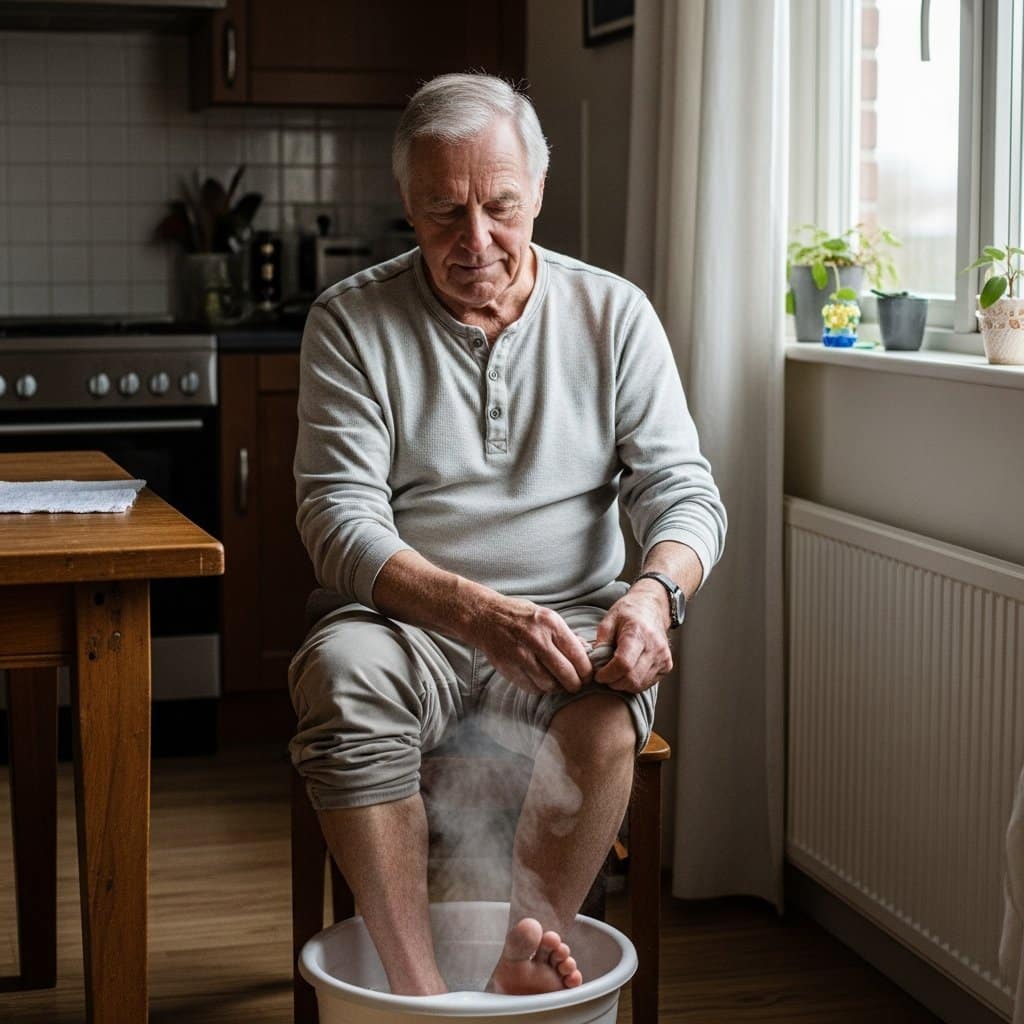
Start by soaking your feet in warm (not hot) water for 10 to 15 minutes. This softens the hardened skin on your heels and makes the next steps far more effective.
A simple foot soak for cracked heels recipe:
- Warm water (comfortably warm — not scalding)
- A tablespoon of Epsom salt (optional, helps soften skin)
- A small squirt of gentle liquid soap or a splash of apple cider vinegar (optional)
Avoid soaking for longer than 15 minutes or using water that’s too hot — both can actually strip your skin of the little natural moisture it has, leaving it drier than before.
A wide, shallow foot soak basin for elderly




makes this step more comfortable, especially if bending forward to a small container is difficult.
Step 2 — Gentle Exfoliation
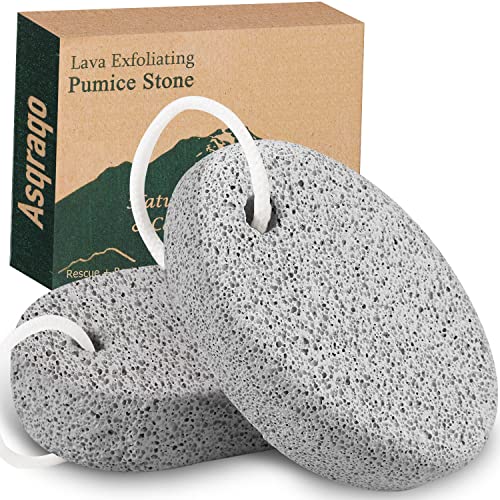
After you pat your feet dry, use a pumice stone for heel calluses


to gently work the softened skin on your heels. Light, circular motions — never force it or scrub aggressively.
Focus on the heel edges where the thickening is greatest. A little goes a long way here, especially on softer, more sensitive skin.
Step 3 — Apply a Thick Moisturizer
This is where the real healing happens. Regular body lotion isn’t enough for cracked heels — you need something formulated to penetrate deeply.
Urea foot cream for dry cracked heels


— particularly formulas with 10–25% urea — is one of the most podiatrist-recommended options because urea actively breaks down thickened, hardened skin while drawing moisture in. Apply it generously to your entire foot, not just the heel.
A heel balm thick cream for seniors




is another excellent option if you prefer something without urea — look for ingredients like shea butter, glycerin, or lanolin for deep moisture.
Step 4 — Lock It In Overnight with Moisturizing Socks
This is the step that makes everything else you’ve just done actually work.
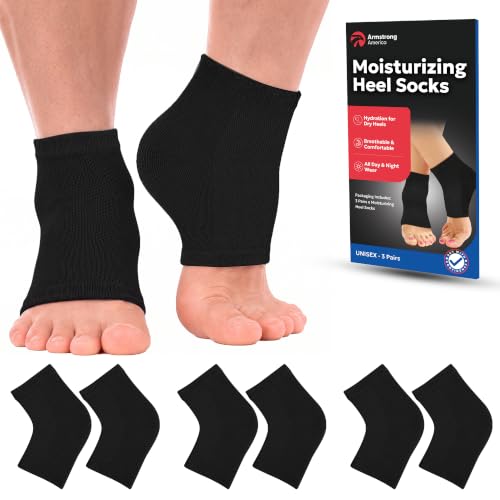
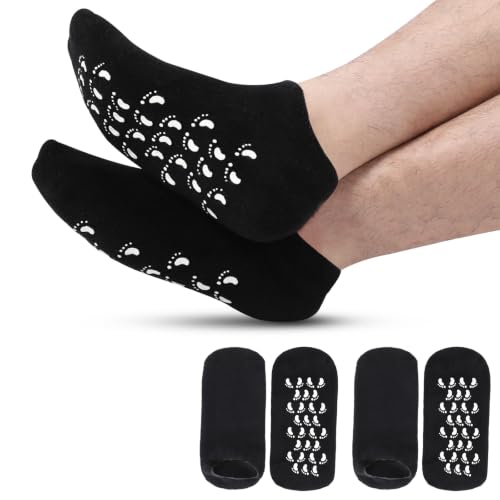
Once your moisturizer is on, slip on a pair of moisturizing socks for cracked heels. The PhysFlex Moisturizing Socks for Dry Cracked Heel Treatment



are my top recommendation here — the gel-lined inner layer is infused with skin-softening ingredients, and the sock keeps the cream in continuous contact with your skin all night long instead of evaporating or rubbing off on the sheets.
One feature I especially appreciate for older adults: the non-slip sole design. If you get up during the night, you’re not shuffling around in a slippery sock. That’s not just a comfort detail — it’s a safety one. (If fall prevention at home is a broader concern, our full fall prevention checklist covers a lot of ground worth reviewing.)
The routine at a glance:
- Soak feet in warm water for 10–15 minutes
- Pat dry and gently exfoliate with a pumice stone
- Apply urea foot cream or thick heel balm generously
- Put on moisturizing gel-lined socks and sleep
That’s it. Four steps, no special skills, no appointment. Repeat as many evenings as needed.
How Long Does It Take? Setting Realistic Expectations
One of the most common questions I hear is: how long does it take to heal cracked heels at home? Here’s an honest answer.
Surface Dryness and Mild Cracks
If your heels are dry and beginning to crack but haven’t developed deep fissures, you can expect noticeable softening after just 2–3 nights of the routine. Some people are genuinely surprised by how much better their heels feel after the very first morning.
Deep Cracks or Thick Calluses
More significant cracking or built-up hard skin will take longer — typically one to two weeks of consistent nightly treatment. Consistency matters more than intensity here. Doing the routine gently every night will outperform one aggressive session followed by nothing.
Maintenance After Healing
Once your heels are soft again, a once- or twice-weekly soak-and-socks session will keep them from coming back. This is a small habit that pays off — especially heading into the dry winter months when indoor heating pulls moisture from your skin.
Keeping a tube of urea foot cream for dry cracked heels



on your nightstand makes the ongoing routine easy to maintain. When it’s right there before you turn out the light, it takes about 30 seconds.
If Cracks Are Deep or Bleeding
If you’re dealing with deep heel cracks that bleed, it’s worth pausing on home treatment and checking in with a doctor first — particularly if you have diabetes or any circulation concerns. I’ll talk through that more specifically in the section below.
You’re not looking for an overnight miracle (though many people are surprised). You’re building a simple nightly habit that pays off quickly and keeps paying off.
Subscribe to our newsletter for more tips: Join here

Do Moisturizing Socks Really Work — Or Are They Just a Gimmick?

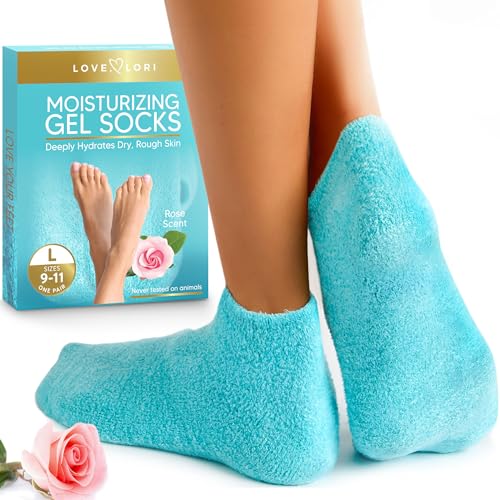


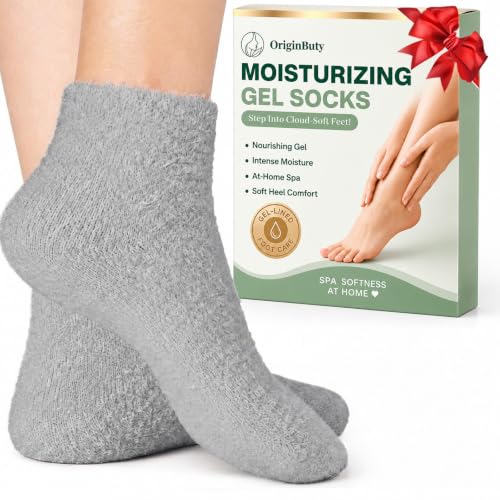


I get this question a lot, and it’s a fair one. The short answer: yes, moisturizing socks really do work for cracked heels — and there’s a clear, simple reason why.
It Comes Down to Occlusion
Occlusion means trapping moisture against the skin so it can’t evaporate. When you apply a foot cream and let your feet breathe, much of that moisture disappears into the air before your skin has a chance to absorb it fully. When you seal that cream in with a sock, absorption increases dramatically.
Gel-lined moisturizing socks take this further — the inner lining is pre-infused with skin-softening ingredients, so you’re getting double the treatment all night long.
Heel Repair Sock vs. Pedicure — Which Is Better?
For ongoing home management, the overnight sock routine consistently wins over a salon pedicure. Here’s why: a pedicure happens once, usually weeks or months apart. The overnight routine can happen every night, on your schedule, without any cost or travel.
A pedicure can be a lovely treat. But it’s not a maintenance strategy — and for cracked heels, consistency is everything.
What to Look for in a Moisturizing Sock
Not all moisturizing socks are created equal. When I recommend the PhysFlex Moisturizing Socks for Dry Cracked Heel Treatment
to older adults specifically, these are the features that matter:
- Gel-lined interior — pre-infused with softening ingredients, not just a fabric pocket
- Non-slip sole — essential for nighttime safety if you get up to use the bathroom
- Easy to wash and reuse — should hold up through repeated cycles without the gel degrading quickly
- Comfortable fit — not so tight that they restrict circulation, not so loose they bunch up
A moisturizing sock isn’t replacing your skincare routine — it’s the final step that makes everything else you’ve done actually work while you sleep.
If you’re also thinking about footwear that supports healthy heels day-to-day, our guide to the best shoes for elderly adults to prevent falls includes options with proper heel support and cushioning that can help reduce the pressure that contributes to cracking in the first place.

When to See a Doctor Instead of Treating at Home
Most cracked heels are completely safe to treat at home — and for the majority of older adults, the routine I’ve described above is all you’ll ever need. But there are specific signs worth paying attention to.
Deep Heel Cracks That Bleed
Surface cracking and mild fissures are safe to treat at home. But if your cracks are deep enough to bleed, or if you’re feeling significant pain just from standing, it’s worth seeing a podiatrist before starting any aggressive home treatment. Deep fissures can become entry points for infection if not properly managed.
Signs of Infection
If you notice redness spreading beyond the crack, warmth, swelling, or any discharge, stop home treatment and see a doctor. These are signs of infection that need professional attention.
Diabetes and Peripheral Vascular Disease
Older adults with diabetes or vascular conditions should check with their doctor before beginning any foot treatment at home — even pumice stone use carries more risk for this group due to slower healing and reduced sensation. This isn’t a reason to avoid foot care; it’s a reason to approach it with the right guidance from your care team.
When Home Treatment Isn’t Working
If you’ve done the routine consistently for two weeks and your heels haven’t improved, that’s worth mentioning to your doctor. Persistent cracking that doesn’t respond to moisture could signal an underlying issue worth investigating.
Knowing when to ask for help is part of taking good care of yourself. There’s no shame in it — it’s smart. And for the bathroom safety side of things, our roundup of top bathroom safety products for elderly adults has some additional ideas for making your personal care routine safer and more comfortable overall.
The 4-Night Heel Rescue Plan: A Step-by-Step Home Routine for Soft, Comfortable Feet
Get the step-by-step 4-night routine that transforms dry, cracked heels into soft, comfortable skin—no expensive salon visits or complicated treatments required.
Your Feet Carry You Through Everything — They Deserve This
Dry, cracked heels are common, completely treatable, and nothing to be embarrassed about. They’re a natural part of how skin changes with age — and now you have a real routine to address them, starting tonight.
Warm water. A pumice stone. A good thick cream. A pair of moisturizing socks. That’s genuinely all it takes to begin seeing a difference.
My suggestion: try the four-step overnight routine for three nights in a row. Pay attention to how your heels feel by morning three. I think you’ll be glad you started.
If you found this helpful, bookmark it or pass it along to a friend who might be dealing with the same thing. And if you have questions or want to share what’s worked for you, drop a comment below — I’d love to hear from you.
For more ways to stay comfortable and independent at home, you might also enjoy our guides on choosing non-slip slippers for elderly adults, essential shower safety tips for seniors, and the best supportive shoes for unsteady ankles — all practical reads if you’re thinking about foot health and safety together.