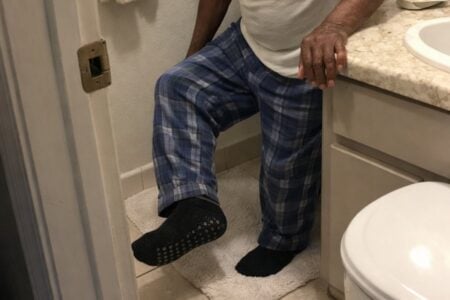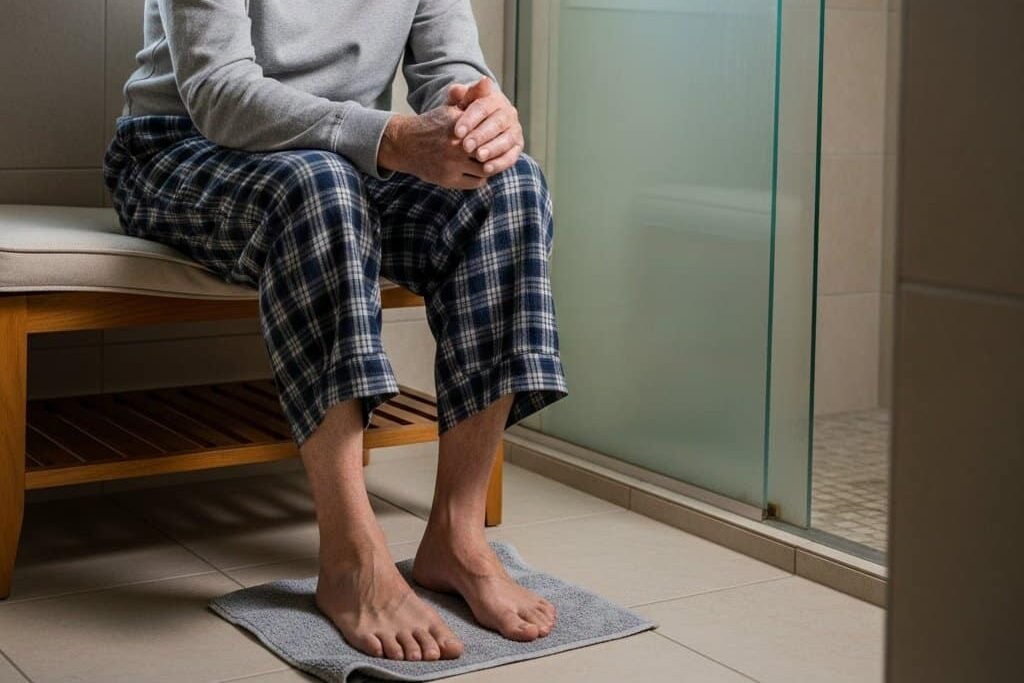
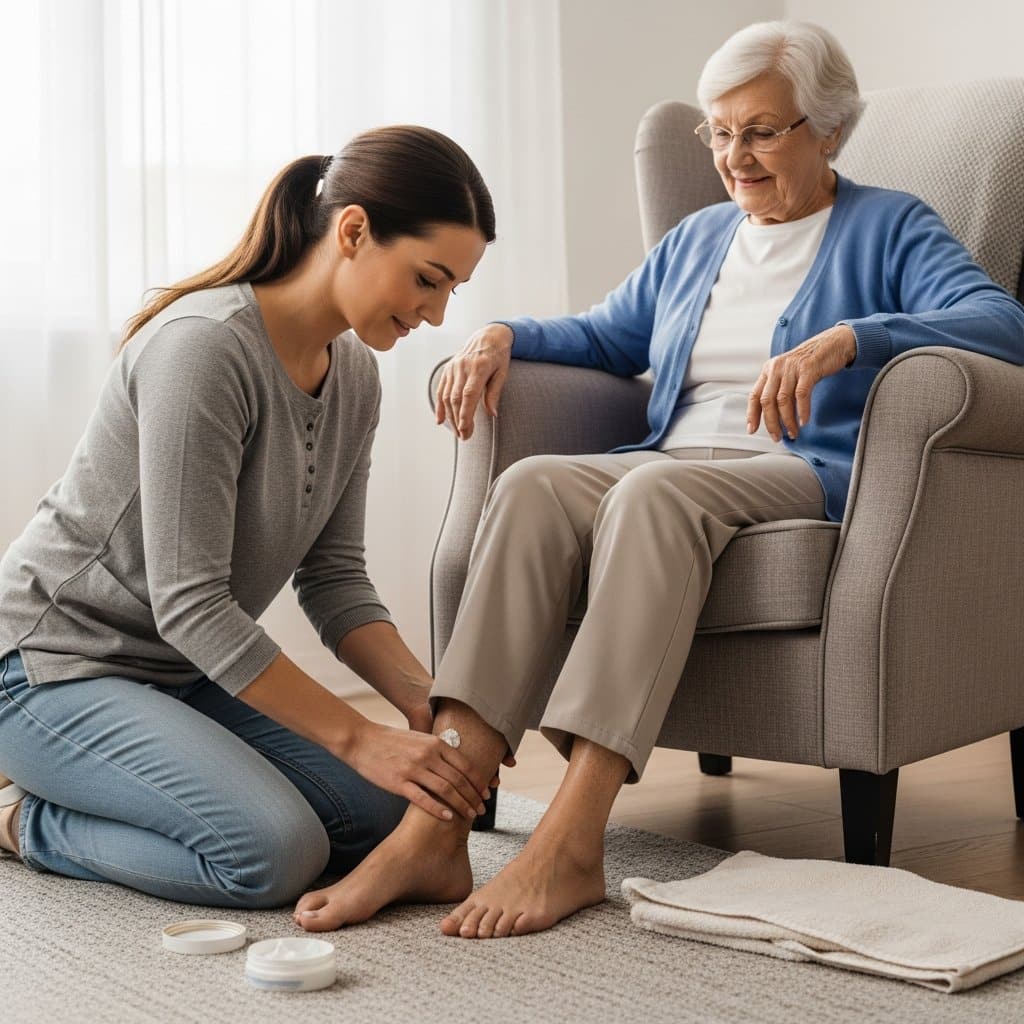
You’re helping your parent get ready for bed, and when you pull off their socks, you notice it — heels that are deeply cracked, ashy, and rough in a way that clearly hasn’t happened overnight. It’s been building for a while, and you’re not quite sure where to start.
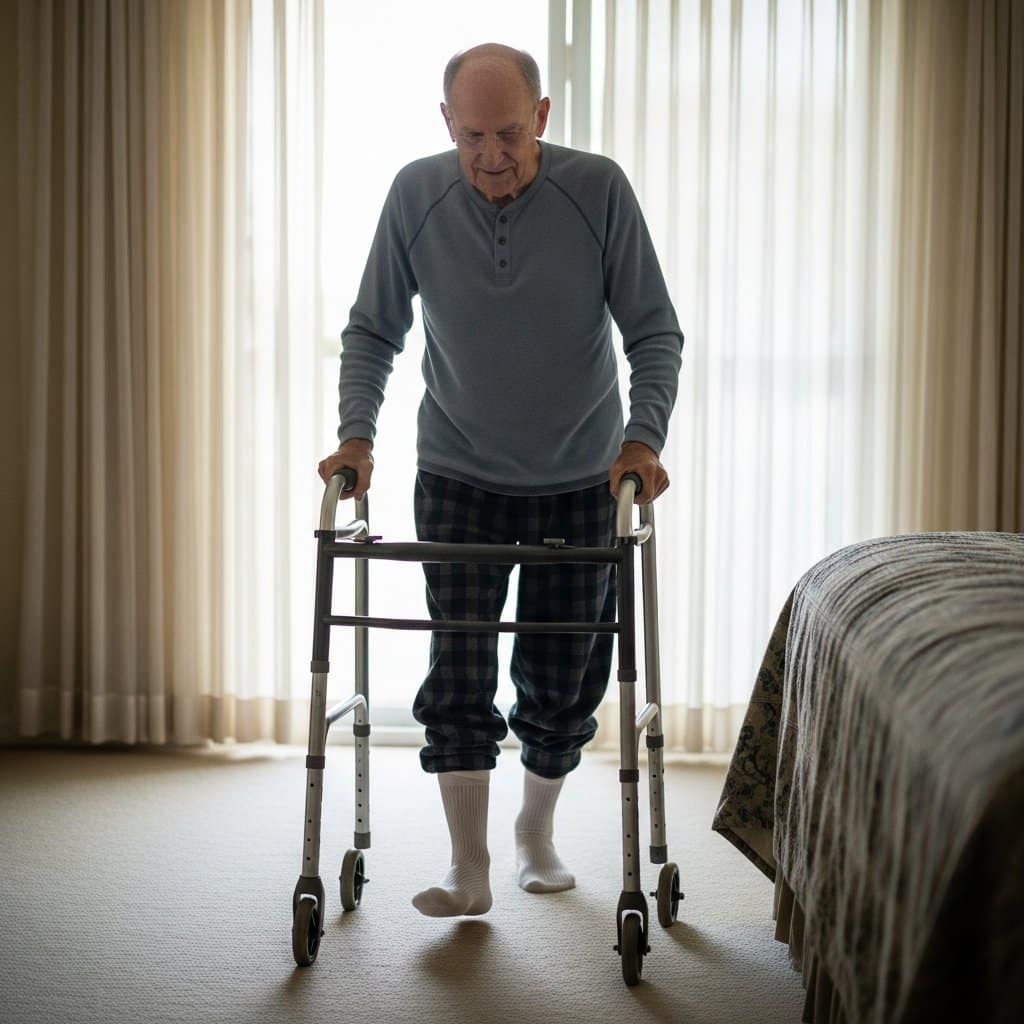
Foot care is one of those things that gets pushed to the bottom of the caregiving list. There are medications to manage, appointments to coordinate, and bigger concerns to track. But dry, cracked feet cause real discomfort — and when fissures deepen, they can affect your parent’s gait, their balance, and in some cases, their skin integrity.
The good news is that managing this at home is very doable. In this guide, I’ll walk you through the most effective foot care products for seniors with dry cracked skin — starting with the tool that locks in moisture and building toward a complete routine you can realistically follow during care visits.
Understanding why seniors develop severely dry feet makes it much easier to choose the right products. Let’s start there.
The Senior Foot Care Checklist: Everything You Need to Heal Dry, Cracked Heels at Home
Download this step-by-step checklist to heal your parent’s dry, cracked heels at home using the exact sequence that produces real results—no guesswork, no expensive treatments, just consistent care you can deliver during regular visits.
Why Seniors Develop Dry, Cracked Feet — and Why Regular Lotion Isn’t Enough
It’s Biology, Not Neglect
Aging skin produces less natural oil and loses elasticity over time. The heels and soles — already under constant pressure — become especially vulnerable.
Seniors also experience reduced circulation, thinner skin, and decreased sweat gland activity. All of this means moisture evaporates from elderly feet faster than it can be replaced.
Why Standard Lotions Fall Short
When standard lotion is applied to thick, calloused elderly skin, it sits on the surface and evaporates before it can penetrate. The skin may feel briefly softer, but within an hour, the dryness returns.
Cracked heels in older adults can deepen into painful fissures if the underlying moisture loss isn’t addressed — not just with more lotion, but with products specifically designed to lock moisture in and keep it there.
A quick note: Seniors with diabetes or circulation conditions should consult a podiatrist before starting any foot care routine. Mild-to-moderate dryness in otherwise healthy older adults, though, is very manageable at home with the right approach.
Knowing the cause helps you stop guessing and start treating the actual problem. Every product in this guide connects back to one goal: restoring and retaining moisture in aging skin.
Start Here: Silicone Socks That Lock in Moisture Overnight



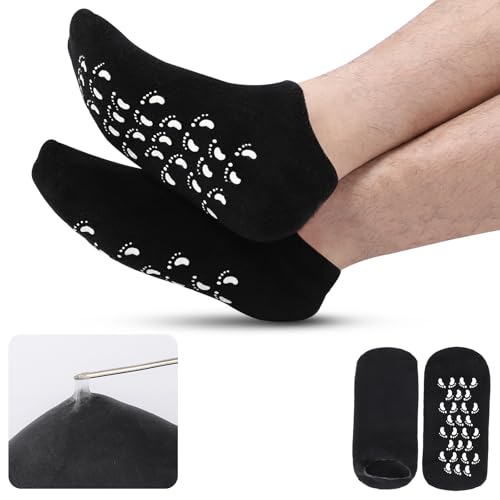
Why Silicone Socks Are the Anchor of This Routine
Here’s what actually works for dry cracked heels in elderly adults: an occlusive barrier that holds moisture against the skin for hours instead of letting it evaporate.
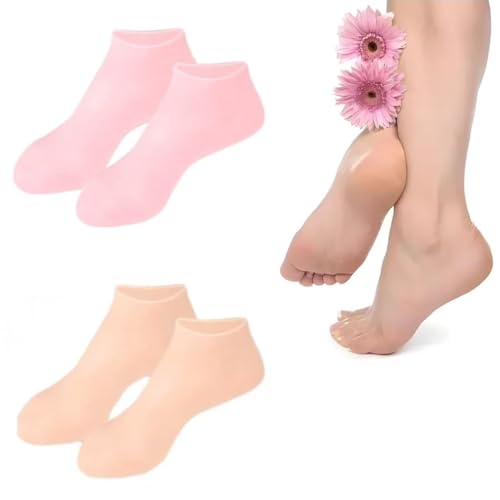
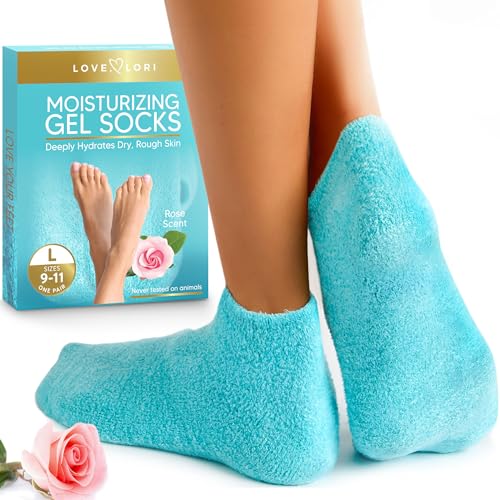
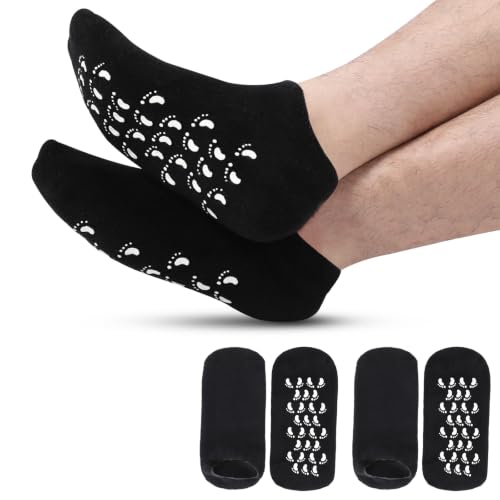
That’s exactly what silicone socks do. The gel lining creates a seal against the skin, trapping cream or natural oils in place long enough to be fully absorbed. Cotton socks simply can’t replicate this — they wick moisture away rather than holding it in.
The TEAWOO Silicone Socks and Gloves Set
The TEAWOO 2 Pairs Silicone Socks Gloves Set is the product I recommend as the starting point for this routine.


Here’s why it stands out:
- The gel lining works with any urea-based foot cream to create a sustained moisture environment
- It includes both foot socks and hand gloves, which makes it practical for caregivers managing dry hands as well
- The material is gentle on elderly skin — no friction, no drying fibers, no pressure points
How to Use Silicone Socks Safely and Effectively
Do silicone socks really work for dry feet? Yes — but consistency matters. A one-time use won’t transform severely cracked heels. Two to three sessions per week, worn for 30–60 minutes (or overnight if your parent is comfortable), is a reasonable starting rhythm.
Are moisturizing socks safe for elderly? For most seniors, yes. But there’s one important exception: never use silicone socks over broken skin, open wounds, or active infections. When in doubt, check with their care provider first.
Silicone socks vs. cotton socks for cracked heels: There’s no comparison. Cotton allows evaporation. Silicone creates an occlusive seal. For elderly skin that’s losing moisture faster than it can be replaced, that difference is significant.
Action point: Use silicone socks after a warm foot soak — skin absorbs moisture far more readily when it’s been softened first.
Think of it this way: a caregiver who applies foot cream and then slips cotton socks on their parent will see the cream evaporate within the hour. A caregiver who applies cream and then fits silicone socks will notice noticeably softer skin after just a few sessions. Same effort, very different results.
Since balance and foot comfort are closely connected, it’s worth noting that improving skin condition around the heels can also support steadier footing — something I cover in more depth in this guide to how to prevent falls for elderly.

The Right Foot Cream Makes All the Difference — Look for Urea


Why Generic Lotion Won’t Cut It for Senior Skin
Not all foot moisturizers are created equal. For elderly skin — especially thickened, calloused heels — you need a cream that can actually penetrate the surface layer, not just coat it.
That’s where urea comes in.
What to Look for in a Urea Foot Cream
Urea is a keratolytic ingredient: it softens and breaks down thickened skin while drawing moisture deep into the layers beneath. A thick urea foot cream for seniors with the right concentration is one of the most effective tools in this routine.


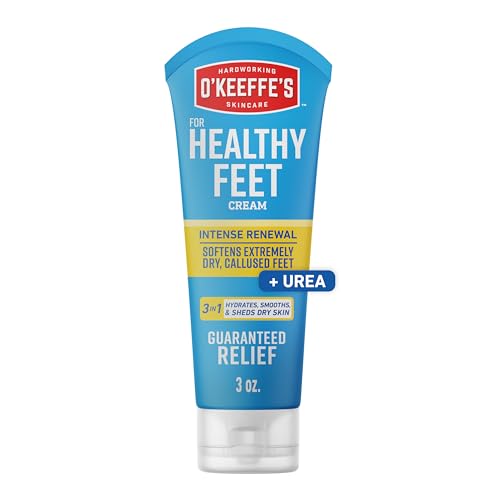

Here’s what to look for:
- 20–25% urea for severely dry, cracked heels
- 10–15% urea for general use on the rest of the foot
- Fragrance-free formula — elderly skin is often thinner and more sensitive; fragrance can cause irritation
How to Apply It for Best Results
Apply a generous layer to heels and soles, then immediately put on the silicone socks. The sock does the work — it keeps the cream in contact with the skin long enough to be absorbed instead of wiping off on a shoe or sheet.
This combination — urea cream plus silicone socks — is what makes the routine genuinely effective rather than just temporarily soothing.
Subscribe to our newsletter for more tips: Join here
Gentle Exfoliation: How to Soften Thick Heels Without Causing Harm
Why Exfoliation Is the Step Most Caregivers Skip
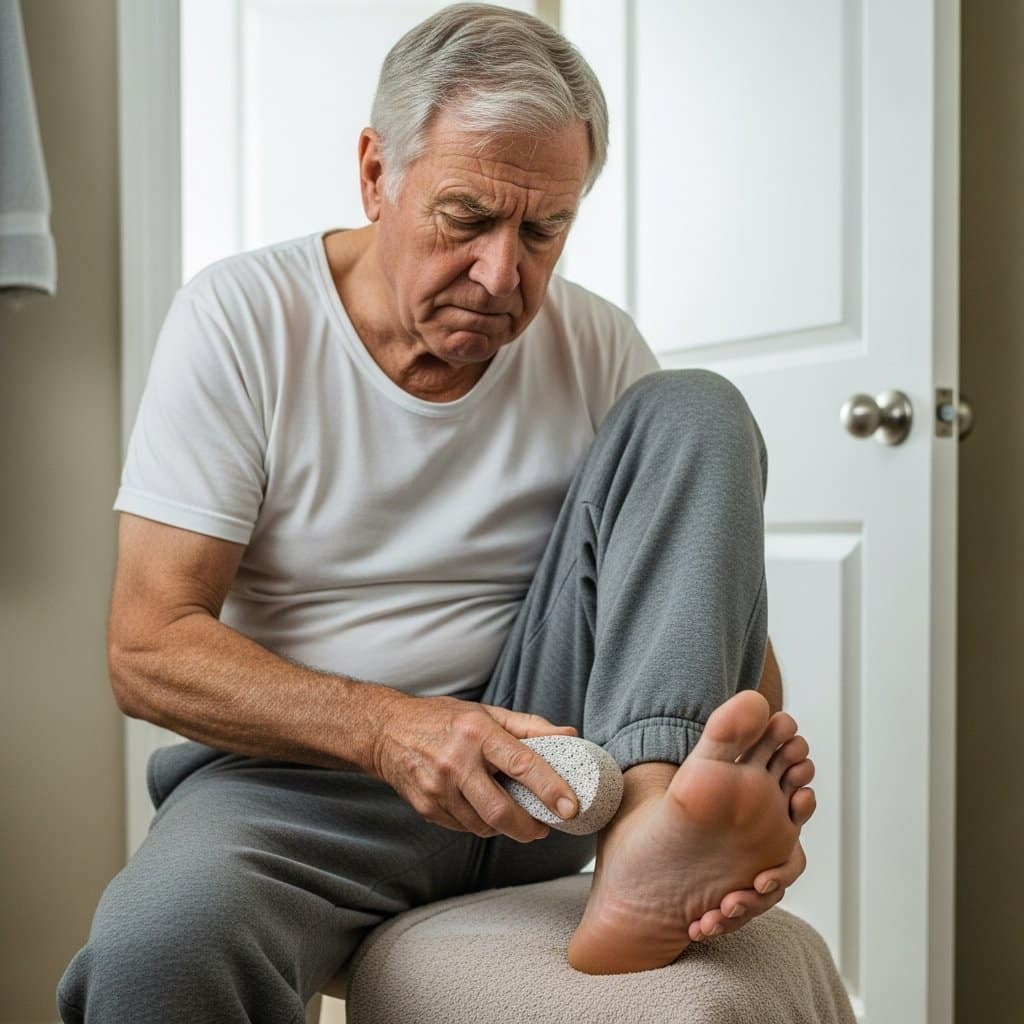
Here’s the thing about thick callous buildup: it blocks moisture from penetrating no matter how good the cream is. Before the urea and silicone socks can do their job effectively, that surface layer needs to be gently reduced.
A gentle pumice stone for elderly skin, used correctly, makes the rest of the routine significantly more effective.
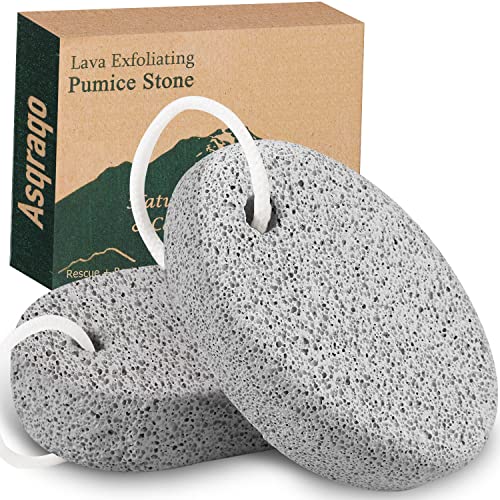


Choosing the Right Tool
Not all pumice stones are appropriate for elderly skin. Avoid coarse, salon-grade tools — they’re too aggressive for thin or sensitive skin.
Look for:
- Fine-grit or two-sided pumice with a gentler surface
- Ergonomic handle that’s easy for a caregiver to hold and control
- Compact size for safe maneuvering around the heel
How to Use It Safely
How to soften elderly feet at home safely: Always use a pumice stone on damp, softened skin — never on dry skin, which can cause micro-tears.
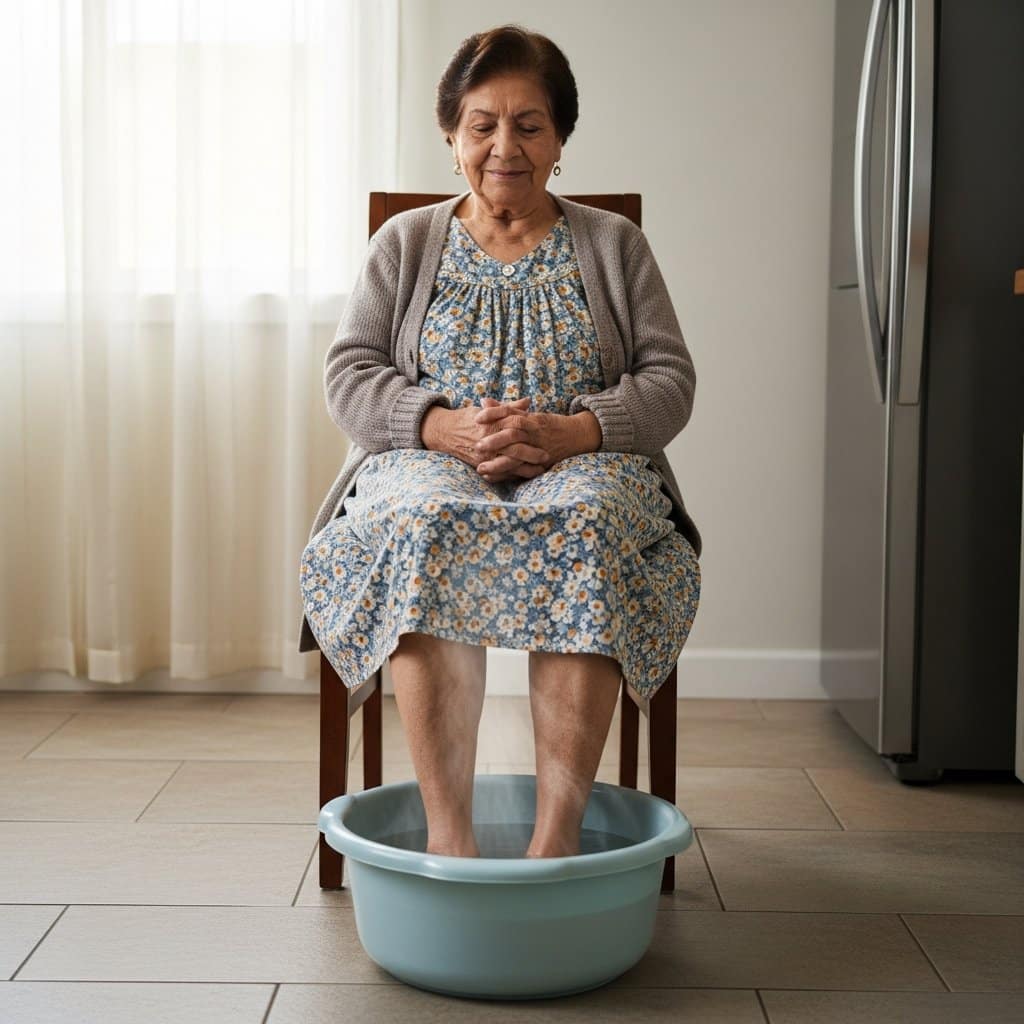
A 10-minute warm water foot soak beforehand makes the process more comfortable and far more effective. The skin softens, the callous lifts more easily, and the experience is gentler on your parent.
Important safety note: Skip pumice use entirely on skin that is broken, raw, or at-risk — including diabetic feet with reduced sensation where micro-injuries may go unnoticed.
Action point: Once-weekly gentle pumice use, followed by urea cream and silicone socks, creates a progressive improvement routine that most caregivers can realistically maintain without it feeling like a major production.
Round Out the Routine: Foot Soaks and Nail Care for Complete Senior Foot Health
The Right First Step — Every Time
Every session should begin the same way: a warm foot soak.
Foot soak tablets for dry cracked skin make this easy and more effective than plain water alone. Warm water softens skin, opens pores, and primes the foot for both exfoliation and moisture treatment.




What to look for in foot soak tablets:
- Epsom salt blends with tea tree or lavender are popular and well-tolerated
- Avoid harsh astringents — anything too stripping will work against your moisturizing goals
- 10 minutes is usually enough; longer soaks can over-dry very thin skin
Don’t Overlook the Nails
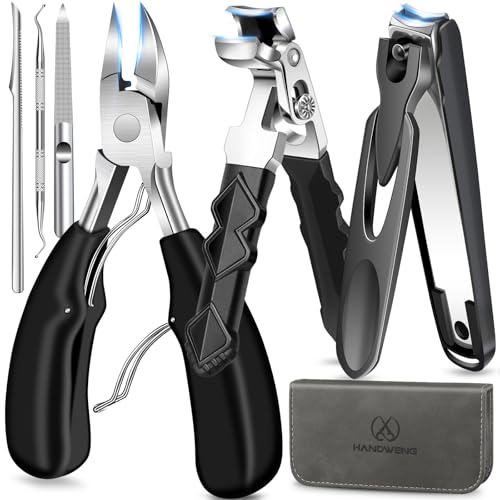
Overgrown or thickened toenails are one of the most overlooked issues in senior foot care — and they matter more than most people realize. Nails that catch on footwear can cause trips, and thickened nails can press uncomfortably against the skin.
A senior nail care kit should include:


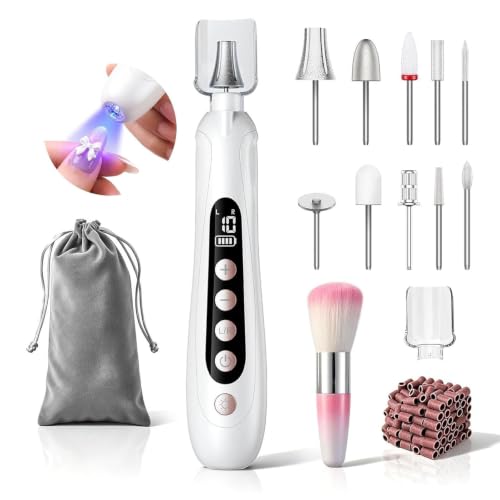
- Easy-grip nail scissors or clippers with a lever mechanism for better control
- A nail file for smoothing edges after trimming
- A softening solution for thickened nails, which are common in older adults
Caregiver foot care tips for aging parent: Frame nail care as a regular part of care visits rather than an occasional afterthought. Once a month, during the same foot care session, is a manageable and appropriate rhythm for most seniors.
You can find more guidance on choosing the right nail tools for older adults in this article on the best toenail clippers for seniors.
The Full Routine at a Glance
Here’s the simple sequence to follow:
- Foot soak (10 minutes, warm water with foot soak tablets)
- Gentle pumice (on softened skin only, once per week)
- Urea foot cream (massaged generously into heels and soles)
- Silicone socks (worn 30–60 minutes or overnight, 2–3x per week)
- Nail care (once monthly, in the same session)
The Senior Foot Care Checklist: Everything You Need to Heal Dry, Cracked Heels at Home
Download this step-by-step checklist to heal your parent’s dry, cracked heels at home using the exact sequence that produces real results—no guesswork, no expensive treatments, just consistent care you can deliver during regular visits.
You Can Do This at Home — and It Makes a Real Difference
Treating dry, cracked feet in a senior parent doesn’t require a salon visit or a specialist for most cases. It requires the right products, used consistently, in the right order.
The TEAWOO silicone socks anchor the routine by solving the core problem: moisture that evaporates before it can be absorbed. Everything else — the foot soak, the pumice, the urea cream, the nail care — supports and amplifies that work.
Noticing this problem and addressing it is an act of genuine care. Consistent attention to foot health makes a real difference in a senior’s comfort, mobility, and quality of life — and it’s something you can manage at home, even during a short care visit.
For more on keeping your parent safe and comfortable at home, take a look at these bathroom safety products for the elderly and this guide to the best non-slip slippers for elderly seniors — both complement a good foot care routine by reducing fall risk.
Which of these products have you tried, or what foot care challenges are you still working through? Drop a comment below — your experience might be exactly what another caregiver needs to hear today.