You glance in the mirror after a shower, or catch yourself in a photo someone just tagged, and there it is — nose or ear hair that’s gotten more visible than you realized. You’re not someone who lets things slide. You still dress well, stay active, and take care of yourself. This is just one detail that crept up quietly.
And here’s what’s worth saying right out of the gate: almost nobody talks about this. Not your doctor, not your barber, not your buddies. Most men either deal with it in silence or just quietly ignore it because they’ve never had a clear, comfortable solution.
That changes today. In this guide, I’ll explain why this happens, why the common workarounds don’t work, and exactly what to look for in a nose hair trimmer that’s painless, fast, and easy to work into your morning routine — so this becomes a non-issue going forward.
Nose and Ear Hair Grooming Checklist for Men Over 50
Download this practical checklist to learn which trimmer actually works, the exact technique that takes 30 seconds, and how to build a grooming habit that keeps nose and ear hair handled without effort or discomfort.
Why Nose and Ear Hair Gets Worse After 50 — And Why It’s Not Your Fault
It’s Hormonal, Not Neglect
Here’s the plain-language version of what’s happening: as men age, androgens — the male hormones that drive hair growth — shift their behavior. The same hormones that may be thinning hair on top of your head are simultaneously triggering increased growth in places like the nose, ears, and eyebrows.
This isn’t random. It’s a well-documented biological shift that happens to virtually every man who lives long enough. The follicles in those areas become more sensitive to androgens over time, and the result is faster, coarser growth that needs more attention than it did in your 30s or 40s.
Why It Catches Men Off Guard
The change is gradual. There’s no clear moment when it becomes “a thing” — it just slowly becomes more noticeable, often to other people before you notice it yourself.
This is also one of those grooming details that gets almost no cultural airtime. Men hear plenty about sunscreen, cholesterol, and exercise after 50. Nose and ear hair grooming? Rarely comes up — which means most men arrive at this stage without a good tool or a clear approach.
The Social Reality
Nose and ear hair is one of the first grooming details the eye is drawn to — not because people are judging harshly, but because it’s visually prominent in a way that’s hard to overlook at close range. In professional settings, social situations, or family photos, it’s the kind of detail that registers even when no one says anything.
Adapting your grooming routine to match your changing body isn’t vanity. It’s the same practical, forward-thinking approach you’d apply to anything else in life. This is just one detail that needed a better solution.

Why Most Men Avoid It — And Why the Old Methods Don’t Work
The Problem With Scissors
Scissors seem like the obvious fallback, and plenty of men use them. But the angle is awkward, the visibility is poor, and the margin for error is uncomfortably small. Nicking the delicate skin or mucous membrane inside the nose with a pair of scissors isn’t something you want to experience twice.
Beyond the safety concern, scissors just aren’t efficient. You’re trying to manage fine motor precision in a narrow space with limited sight lines — every single time.
Plucking and Waxing: Skip Both
Plucking nose hair is one of those things people try once and rarely repeat. Pulling hair out by the root in a mucous membrane area introduces real infection risk — and it’s genuinely painful for no good reason. Waxing carries the same risk profile.
These methods aren’t worth revisiting. They solve nothing that a good trimmer doesn’t solve more safely and comfortably.
The “Just Ignore It” Default
This is the path of least resistance, and it’s where most men land — not because they don’t care, but because they haven’t found a tool that makes addressing it easy. If every approach you’ve tried has been awkward, uncomfortable, or inconvenient, avoiding the task makes a certain kind of sense.
The good news: you haven’t been doing it wrong. You’ve just been working without the right tool. A quality nose hair trimmer designed specifically for this purpose changes this from a chore you dread into a 30-second habit you don’t think twice about.

What to Look For in a Nose Hair Trimmer After 50 — and What to Skip

Rotary vs. Blade Design
This is the most important distinction when choosing a trimmer. Rotary trimmers use a circular cutting head enclosed inside a protective tip. The hair enters the opening, gets trimmed cleanly, and the cutting mechanism never makes contact with skin.
Straight-blade designs, by contrast, are more likely to pull or pinch — especially in the confined, sensitive space of the nasal passage. For men over 50 who want a painless experience every time, rotary is the clear choice.
Features That Actually Matter
When you’re evaluating a nose and ear hair trimmer, here’s what to prioritize:
- Fully enclosed cutting head — protects skin from contact with the blade and prevents snagging
- Dual nose and ear coverage — one tool handles both, no need for separate devices
- Rinse-clean design — a detachable, water-rinsable head makes cleanup fast and hygienic
- Compact, comfortable grip — easy to handle with one hand in front of a mirror
- Reliable battery life — whether rechargeable or battery-powered, it should be ready when you are
What to Avoid
- Exposed blades with no protective guard
- Cheap plastic housing that vibrates or feels unstable
- Trimmers marketed for general body use but not optimized for the nose or ear canal geometry
A Trimmer Worth Considering
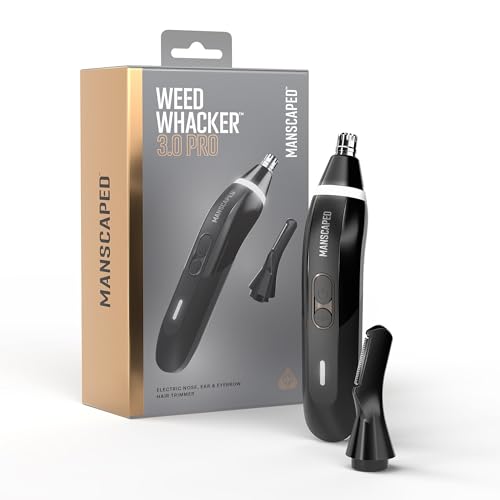
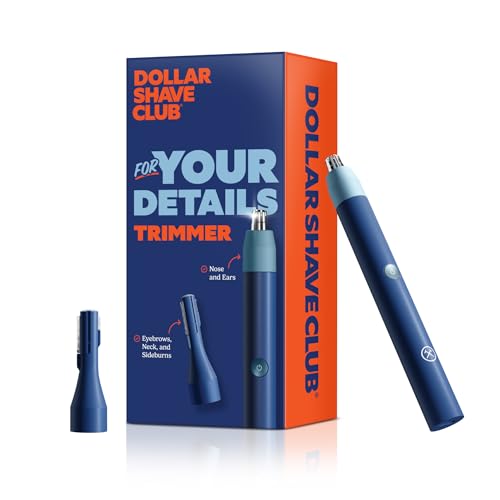
A quality nose hair trimmer built around an enclosed rotary head — with dual nose and ear capability, a rinse-clean design, and a comfortable grip — is exactly what makes this a painless, one-and-done addition to your morning routine. Look for one that’s compact enough to keep in a travel bag without adding bulk.




Subscribe to our newsletter for more tips: Join here

How to Make Nose and Ear Grooming a Simple Part of Your Routine
Pair It With What You’re Already Doing
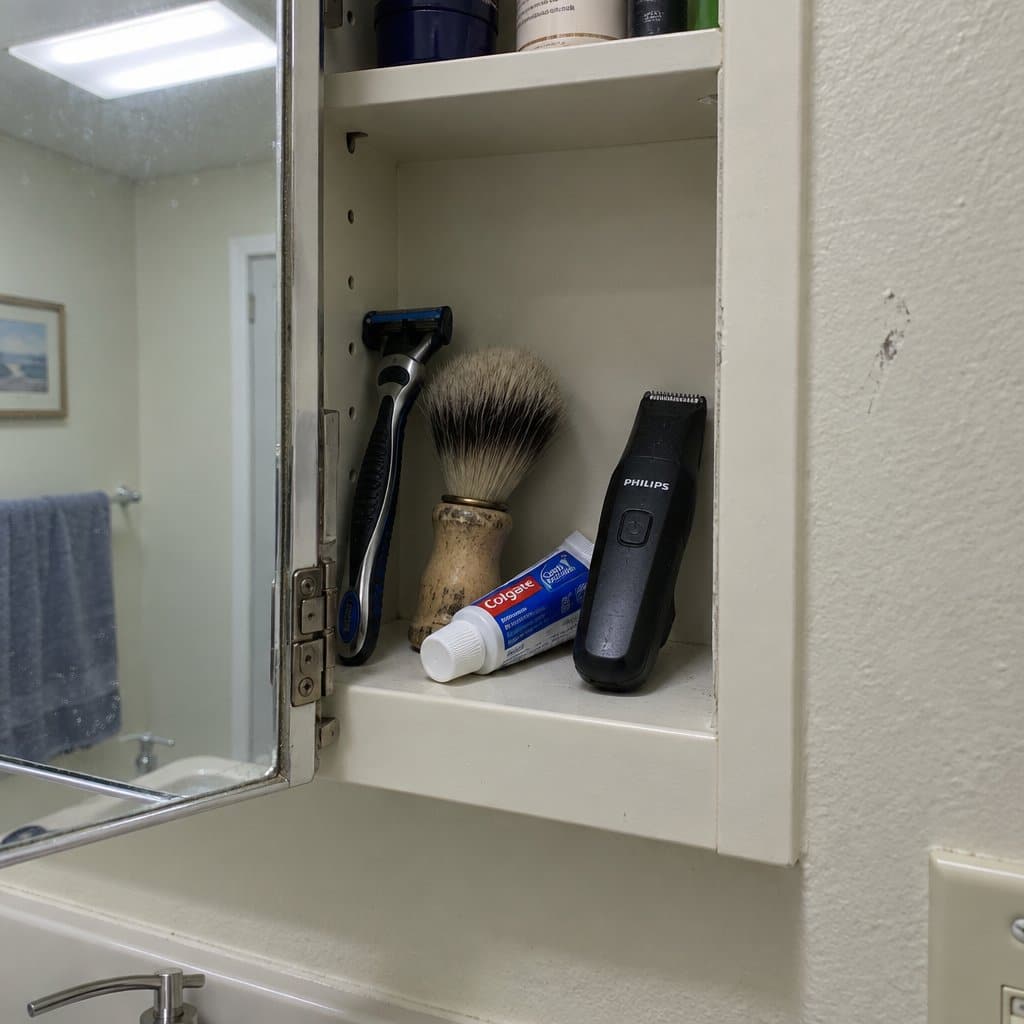
The easiest way to build any new habit is to attach it to one you already have. Keep your trimmer next to your razor or on the bathroom shelf where you shave. When you finish shaving, you trim — it takes less than two minutes and requires no extra thought.
How Often to Trim
For most men, trimming every seven to ten days keeps things consistently tidy without waiting until it’s visually obvious. You’re not aiming to remove all nose hair — nose hair serves a real filtering function, trapping dust and particles before they reach your airways. The goal is to keep the visible portion neat, not to eliminate hair entirely.
Simple Technique That Works
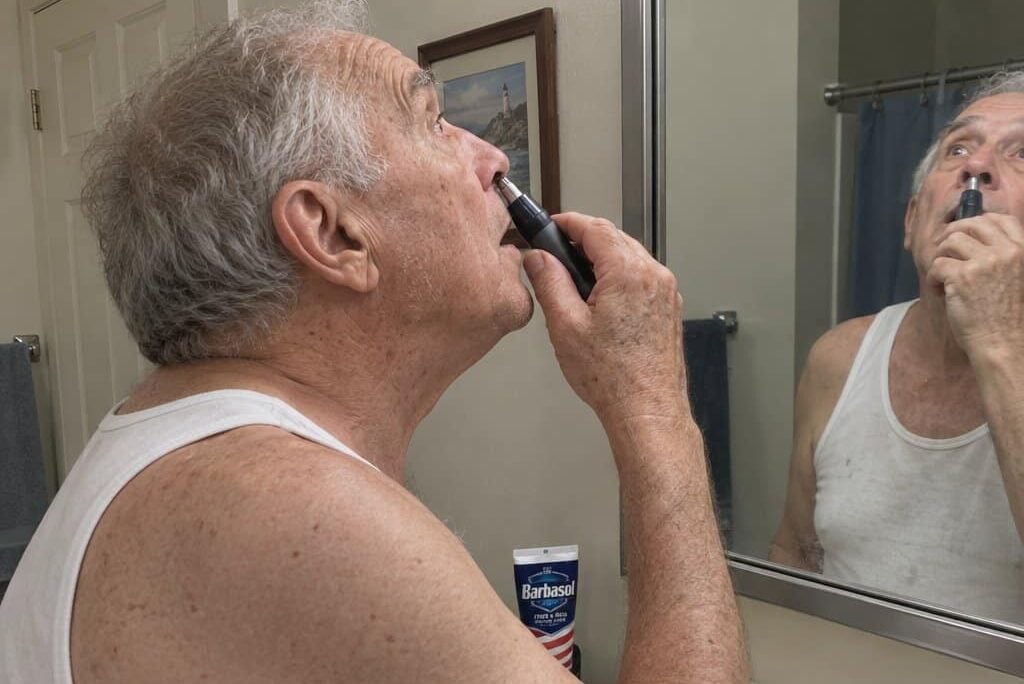
Good lighting matters more than most men realize. A bright bathroom mirror — or natural light if possible — helps you see clearly without straining. Tilt your head back slightly, insert the trimmer tip just inside the nostril, and move it in small circular motions. Don’t push deep; you’re trimming what’s visible, not what’s functional.
For ear hair, use the same trimmer with a gentle circular motion around the outer ear canal. A quick wipe with a damp cloth or tissue finishes the job.
Keep It Clean
Rinse the trimmer head under warm running water after each use, shake off the excess, and let it air dry. A clean trimmer stays sharp longer and stays hygienic — which matters when you’re using it around mucous membranes.
For Men Who Want a Complete Grooming Upgrade
Some men prefer to consolidate their grooming tools into a single kit that covers nose, ears, eyebrows, and beard detailing — one case, one charging system, less clutter. If that sounds like your preference, a well-designed men’s grooming kit with interchangeable heads is worth the small additional investment.

Why the Small Details Matter More Than You Think
The Psychology of Looking Put-Together
When you know you’re well-groomed — when every detail has been attended to — you carry yourself differently. It’s not a dramatic shift, but it’s a real one. Confidence has a physical expression, and taking care of the small details is part of what produces it.
This is the same reason you’ve always paid attention to a clean shave, a well-fitting shirt, or shoes that are in good shape. The details signal something — to other people, and to yourself.
First Impressions at This Stage of Life
Whether you’re staying sharp in a professional context, meeting new people socially, or simply showing up at your best for family gatherings, grooming signals that you take care of yourself. Visible nose or ear hair doesn’t define you — but addressing it is one of those small things that quietly reinforces the overall impression of a man who hasn’t checked out.
For men who are also thinking about the role that small physical upgrades play in staying sharp and mobile, the same logic applies: small, smart adjustments compound over time into a significantly better overall picture.
It’s Not About Chasing Youth
This isn’t about trying to look younger. It’s about presenting yourself with the same intentionality you’ve always had — and updating your tools when the old approach stops working as well.
The men who look and feel their best in their 60s and 70s aren’t the ones who are fighting aging. They’re the ones who’ve learned to adapt thoughtfully to the body they’re living in now. A 30-second grooming habit is as simple as that gets.
And if you’re thinking about other ways to stay well-equipped and comfortable as an active older adult — whether it’s tracking your activity, finding gear that fits your lifestyle, or choosing footwear that keeps you steady and confident on your feet — the same principle applies across the board. The right tools make everything easier.

Nose and Ear Hair Grooming Checklist for Men Over 50
Download this practical checklist to learn which trimmer actually works, the exact technique that takes 30 seconds, and how to build a grooming habit that keeps nose and ear hair handled without effort or discomfort.
The Bottom Line
Nose and ear hair growth after 50 is universal, hormonally driven, and nothing you caused or could have prevented. The only thing most men have been missing is a simple, comfortable tool — and the clarity that this is worth a couple of minutes a week.
A quality nose hair trimmer with an enclosed rotary head turns what might feel like an awkward task into the grooming equivalent of keeping your nails trimmed. It’s a small habit with an outsized effect on how polished and put-together you look and feel.
Take a look at your current grooming kit. If it doesn’t include a tool specifically built for nose and ear hair, that’s an easy upgrade to make — and one you’ll notice the benefits of immediately.
Have a trimmer you already rely on, or a grooming routine that’s worked well for you after 50? Share it in the comments below. Your experience might be exactly what another reader needs to hear.