There’s a moment many caregivers remember clearly — the first time a parent needed help with bathroom hygiene after a fall, a surgery, or a slow change in mobility. It’s one of the most intimate caregiving moments there is, and most families navigate it without any roadmap.
If you’re in that position right now, you’re not alone — and you don’t have to figure it out from scratch.
Perineal care for elderly adults at home is one of the least talked-about parts of caregiving, but it’s also one of the most important. The right products don’t make it clinical or impersonal. They make it kinder, faster, and more comfortable for everyone involved — especially your parent.
Below, I’ve put together a practical starter kit of five hygiene products for seniors with limited mobility. These aren’t luxury additions. They’re the tools that make a real difference when bathroom routines need to adapt.

The Caregiver’s Hygiene Starter Kit Checklist: 5 Products That Make Bathroom Routines Safer, Gentler, and Easier
Discover the 5 essential products that transform bathroom hygiene from stressful and difficult into safe, gentle, and manageable—so you can focus on care instead of struggling through routines.
Why Standard Bathroom Routines Don’t Always Work for Aging Adults
Aging Skin Requires a Gentler Approach
Skin becomes thinner, drier, and more fragile with age. Standard soaps, rough wiping, and cold water rinses — routines that worked fine for decades — can cause irritation, micro-tears, and breakdown in delicate skin, especially in the perineal area.
Limited Mobility Changes Everything
When reaching, twisting, or bearing weight becomes painful or unsafe, even a simple bathroom routine becomes a logistical challenge. Standard toilet paper, bath towels, and showerheads weren’t designed with limited mobility in mind — and that gap creates real difficulty for both your parent and you.
Incontinence Adds Complexity
For older adults managing incontinence, hygiene needs to be fast, thorough, and respectful. Delays or harsh cleanup methods can lead to skin irritation, odor, and loss of dignity — none of which are inevitable with the right tools in place.
The right products don’t replace good hygiene. They adapt it. Here are five practical hygiene aids that caregivers find genuinely useful — and that aging adults can often use with more independence than you’d expect.
Product #1: Portable Bidet Bottle (Peri Bottle)




What It Is and How It Works
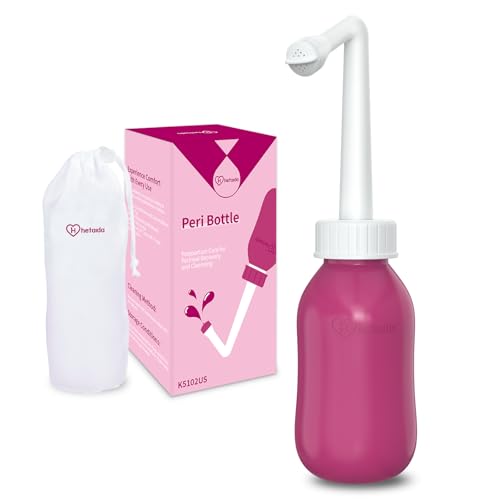
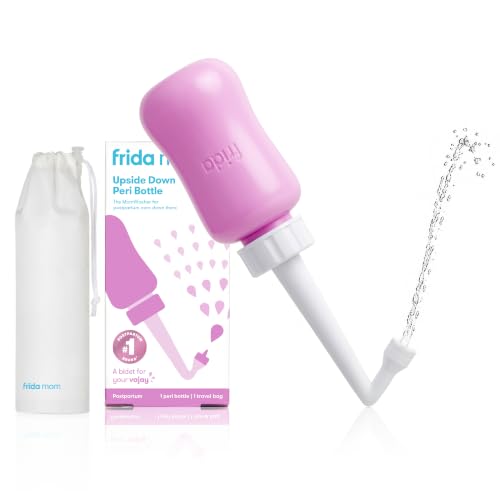
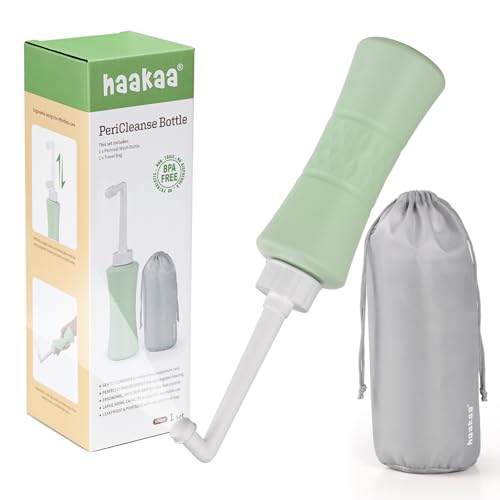
A portable bidet bottle — also called a peri bottle or perineal irrigation bottle — is a soft, squeezable water bottle with a angled nozzle designed to direct a gentle stream of warm water for post-toileting or incontinence cleanup. It’s simple, inexpensive, and remarkably effective.
Who It’s Best For
A portable bidet bottle is a strong choice for older adults with limited mobility, those recovering from surgery, adults with incontinence, or anyone who finds standard toilet paper uncomfortable or difficult to manage. In my experience working alongside caregivers, this is often the first tool they wish they’d known about sooner.
How to Use a Peri Bottle for Seniors
Fill it with warm (not hot) water. Position the angled nozzle toward the perineal area while seated on the toilet or commode. A gentle squeeze delivers a controlled stream for cleansing. Pat dry with a soft cloth or incontinence wipe.
The angled nozzle is key — it allows your parent to use the bottle themselves with minimal reaching or twisting, which matters enormously for independence and dignity.
Look for a model with a comfortable squeeze pressure, an angled nozzle for easier self-use, and a travel-friendly size that fits beside the toilet or on a commode tray. A portable bidet bottle is one of the most caregiver-recommended hygiene tools for elderly adults precisely because many older adults can manage it on their own.
![Peri Bottle Postpartum Essentials [3-Pack] – Portable Bidet Perineal Squirt](https://m.media-amazon.com/images/I/31X-9LK07IL._SL500_.jpg)


Product #2: Perineal Spray Bottle and No-Rinse Wash Solution
What Makes This Different From a Peri Bottle
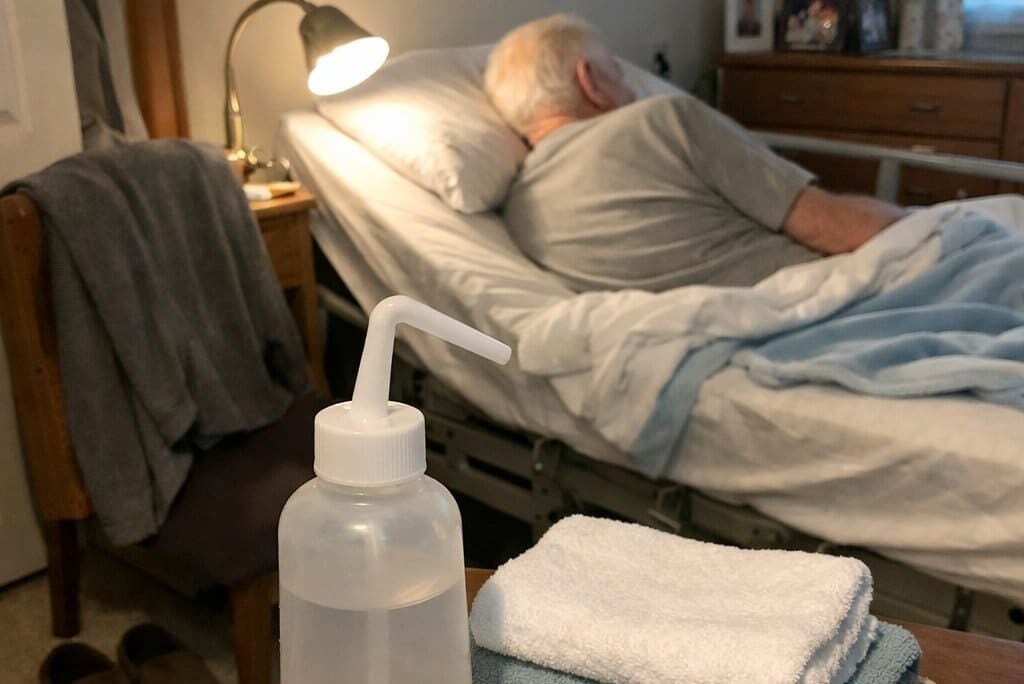
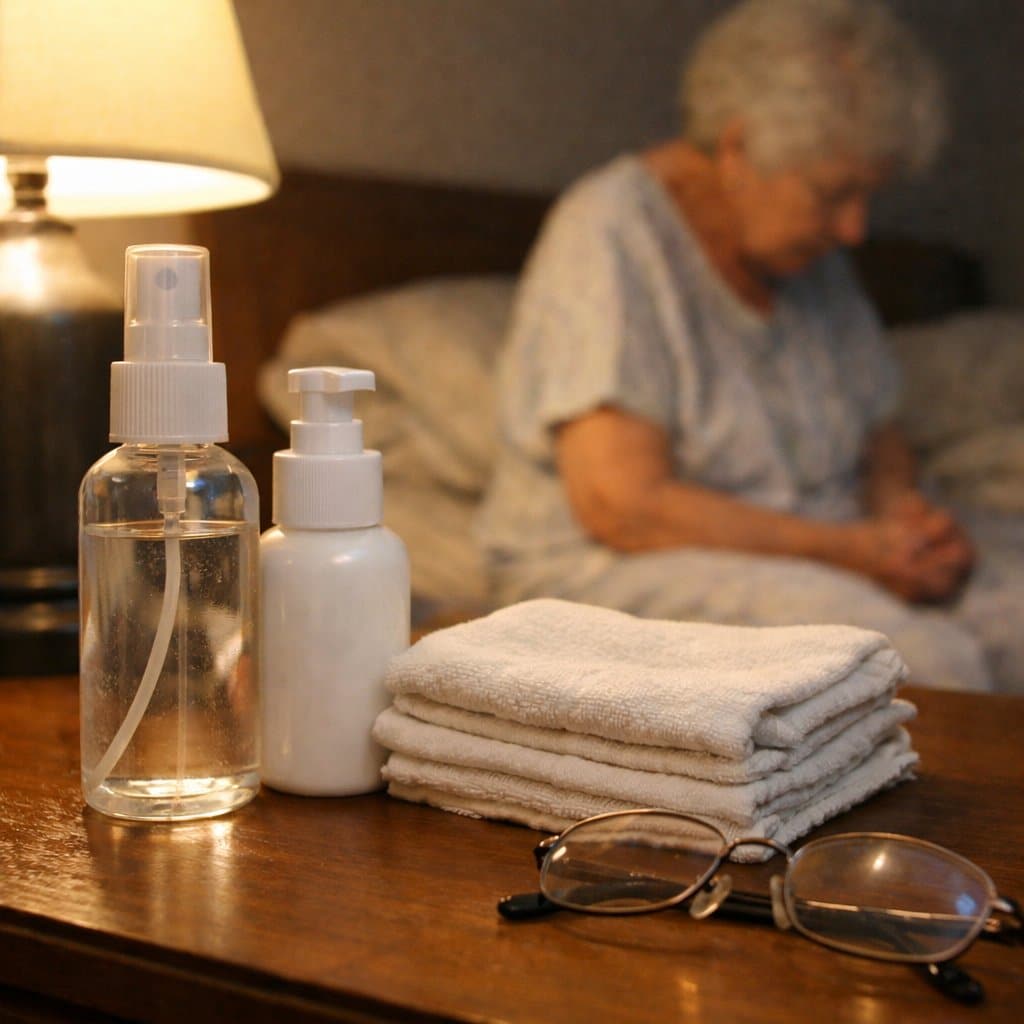
Where a peri bottle delivers a directed stream, a perineal spray bottle produces a gentle mist — which makes it ideal for bedside care, incontinence episodes in bed, or situations where a stream of water isn’t practical. Think of them as complementary tools rather than interchangeable ones.
What to Put in a Perineal Wash Bottle
Warm water alone works well, but pairing it with a pH-balanced, no-rinse perineal cleanser adds skin-protective benefits. Look for fragrance-free formulas designed for sensitive or aging skin — these help maintain the skin’s natural barrier, control odor, and reduce the risk of irritation from repeated cleansing.
When a Spray Bottle Is the Right Call
This setup shines during bedside incontinence care, when your parent is resting in bed, or when a more targeted rinse isn’t needed. A few sprays, a gentle pat dry with an incontinence wipe, and cleanup is done with minimal disruption.
This makes the routine easier for both of you — especially during nighttime episodes when speed and gentleness both matter.
A perineal spray bottle paired with a compatible no-rinse wash solution is a natural combination for incontinence hygiene tips for caregivers who need a fast, gentle option at the bedside. Look for a bottle with a fine-mist spray head and a no-rinse formula that doesn’t require rinsing or towel-off beyond a gentle pat.


Ready to discover more practical tools and trusted advice for caregiving? Subscribe to our newsletter for more tips: Join here
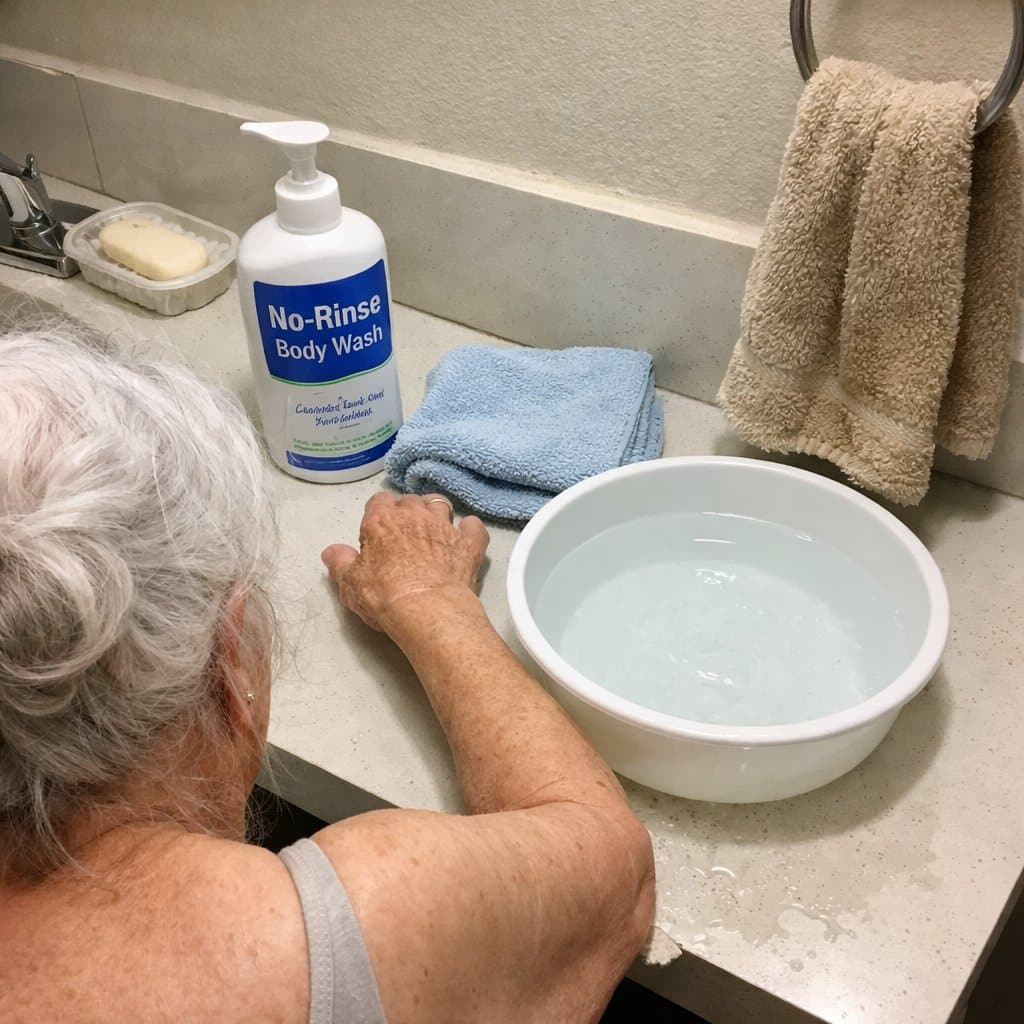
Product #3: No-Rinse Body Wash


What It Is and Why It Matters
No-rinse body wash is exactly what it sounds like — a foam, spray, or liquid cleanser that cleans the skin without requiring water rinsing. You apply it, work it gently across the skin, and then either let it air dry or wipe away with a soft cloth.
Who Benefits Most
This product is especially valuable for older adults who are bedridden, recovering from illness or surgery, or for whom a full bath or shower is exhausting, anxiety-provoking, or physically unsafe on a given day. It’s also a practical addition to regular shower alternatives that caregivers use on high-fatigue days.
How to Use It
Apply to the skin in sections — working from cleaner areas toward more soiled ones. Use a gentle massaging motion, then either let it air dry or wipe with a warm, soft cloth. Most formulas are gentle enough for daily use without stripping the skin’s natural moisture.
No-rinse body wash isn’t a workaround — it’s a legitimate hygiene solution. Many older adults actually prefer it on certain days because it’s faster, warmer, and less physically taxing than traditional bathing. Paired with a quality shower chair on days when showering is possible, it rounds out a flexible hygiene routine.
Look for a formula free of harsh surfactants, alcohol, and artificial fragrance — and one specifically designed for adult skin rather than repurposed baby products.


Product #4: Incontinence Wash Cloths


Not the Same as Baby Wipes
Standard baby wipes and generic wet wipes aren’t designed for adult incontinence care. Incontinence wash cloths are larger, pH-balanced for adult skin, and formulated to cleanse effectively without the alcohol, fragrances, or harsh ingredients that can cause skin breakdown with repeated use.
When and How to Use Them
These cloths work for post-toileting cleanup, incontinence episodes, between baths, and as part of a full bed bath routine. They pair especially well with a peri bottle or perineal spray — the rinse cleans, the cloth wipes and dries in one step.
What to Look For
- Fragrance-free formulas — less irritating for sensitive aging skin
- Aloe or skin-conditioning ingredients — help maintain the skin barrier with repeated use
- Adult-sized dimensions — larger than baby wipes for practical adult hygiene
- Non-flushable variants — generally safer for home plumbing despite claims on packaging
Storage That Makes Caregiving Easier
Keep a dispenser at the bedside and another in the bathroom. Easy access means faster response during incontinence episodes — which reduces stress for you and minimizes discomfort for your parent. This is one of those small additions that makes a real difference in how a caregiving routine flows day to day.
Incontinence wash cloths are one of the most practical tools in any caregiver’s hygiene kit — and they’re among the simplest to keep stocked and within reach.


Product #5: Portable Bidet for Toilet Use


A Different Tool Than a Peri Bottle
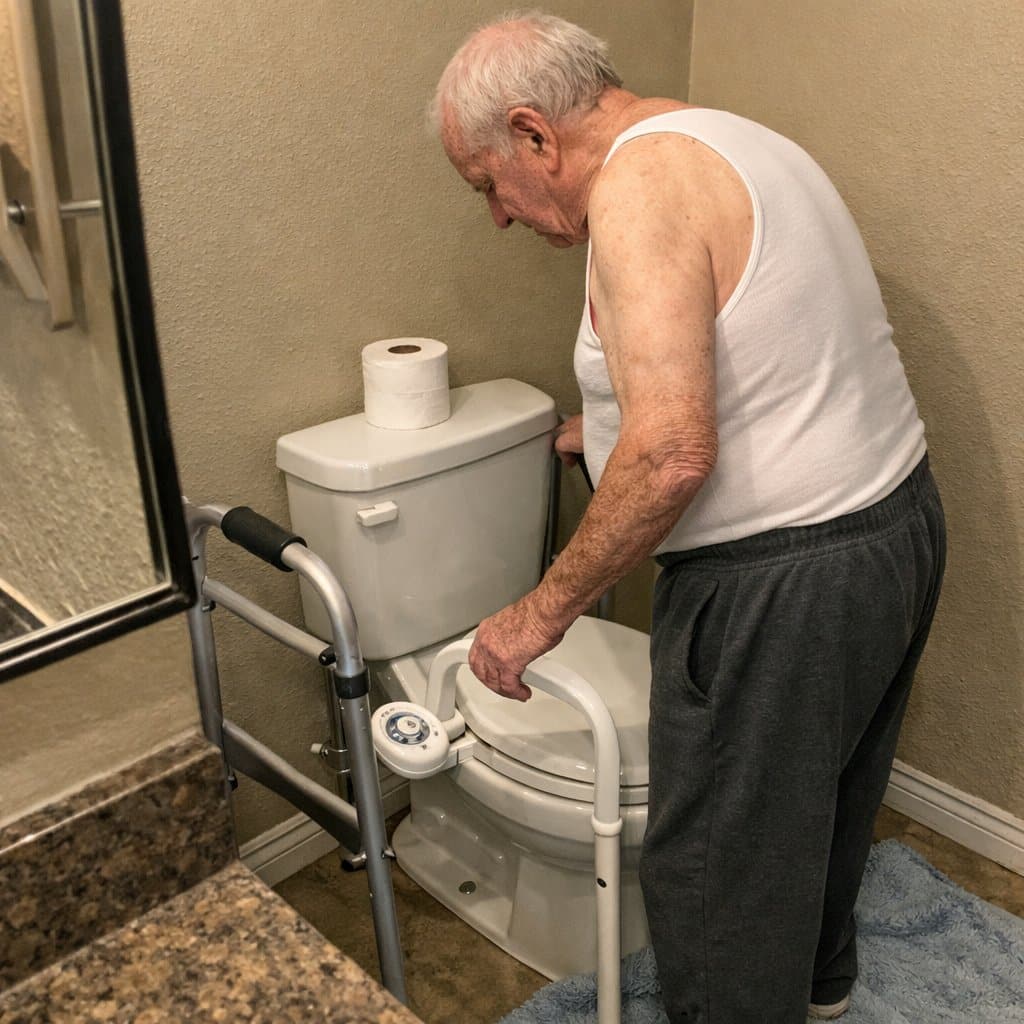
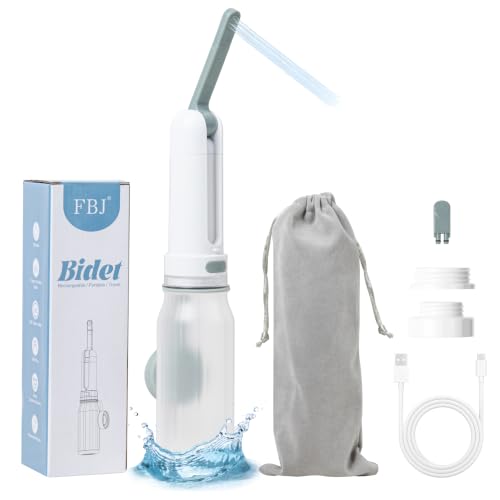
A portable or attachable toilet bidet is distinct from the squeeze-bottle peri bottle covered earlier. This product attaches to or sits beside the toilet and delivers a hands-free water rinse — which means your parent can use it independently, without caregiver involvement in a deeply private moment.
Who It’s Best Suited For
This is an excellent option for older adults who are still mobile enough to use the toilet independently but struggle with cleanup due to arthritis, limited hand dexterity, or difficulty reaching. If your parent values privacy, a toilet bidet restores it in a meaningful way.
How It Works
Most non-electric portable bidets connect to the existing water supply at the toilet and require no plumbing expertise to install. Renter-friendly models are available that don’t require any permanent changes. Operation is typically a single dial or lever — straightforward enough for most older adults to manage independently.
The Dignity Angle
I’ve seen this product make a real difference in how older adults feel about their independence. When your parent can handle bathroom hygiene without assistance, that privacy matters — not just practically, but emotionally. It’s one of the few hygiene tools that actively reduces how much caregiver involvement is needed, which benefits everyone.
Practical considerations: look for models with renter-friendly installation, adjustable water pressure, and a straightforward single-control design. Cost ranges widely, but effective options are available at accessible price points. This is also a helpful complement to broader bathroom safety upgrades that support aging in place.



The Caregiver’s Hygiene Starter Kit Checklist: 5 Products That Make Bathroom Routines Safer, Gentler, and Easier
Discover the 5 essential products that transform bathroom hygiene from stressful and difficult into safe, gentle, and manageable—so you can focus on care instead of struggling through routines.
Putting It All Together
A Practical, Dignity-First Hygiene Kit
These five products — a portable bidet bottle, a perineal spray and wash solution, no-rinse body wash, incontinence wash cloths, and a portable toilet bidet — form a flexible hygiene kit that covers a wide range of mobility and incontinence situations at home.
You don’t need all five at once. Start with the one or two that address your parent’s most immediate challenge. The peri bottle and incontinence wash cloths are the most versatile starting point for most caregivers. Add from there as needs evolve.
This Is One of the Most Caring Things You Can Do
Setting up your parent’s bathroom with the right tools isn’t just about cleanliness — though that matters deeply for skin health, odor control, and physical comfort. It’s about making sure the person in your care feels respected, not managed.
Good hygiene directly affects confidence, skin integrity, and quality of life. The products above aren’t clinical necessities — they’re expressions of care. And for many families, building this kind of routine is one of the most meaningful things they do as caregivers.
If you’re also thinking about fall prevention in the bathroom, shower safety modifications, or helpful bathroom accessories that make daily routines safer, those are natural next steps alongside the hygiene tools covered here.
Have you found a hygiene product that’s made bathroom routines easier for your parent? Share what’s worked in the comments — your experience might be exactly what another caregiver needs to hear.