![Balance training seniors fall prevention[1]](https://www.grayingwithgrace.com/wp-content/uploads/2026/05/balance-training-seniors-fall-prevention1-e1780138965243.jpg)
Every year, falls send more than 800,000 older adults to the hospital. That number is staggering — and here’s what makes it even more surprising: many of those people were already active.
They walked. They swam. Some lifted weights. They were doing everything right.
Except one thing.
There’s a specific type of training that research consistently identifies as the most effective intervention for fall prevention in older adults — and it’s almost universally skipped, even by health-conscious seniors.
By the end of this article, you’ll understand exactly what it is, why it works, and how to start a simple daily habit that research shows can reduce fall risk within six weeks.
But first, let’s talk about why this gap exists in the first place.
Senior Balance and Fall Prevention Home Safety Checklist
Download our free guide to simple, science-backed activities that keep your mind sharp and body active—proven strategies for aging with energy and purpose, no special equipment or memberships required.
Why Your Balance Starts Slipping Before You Notice It
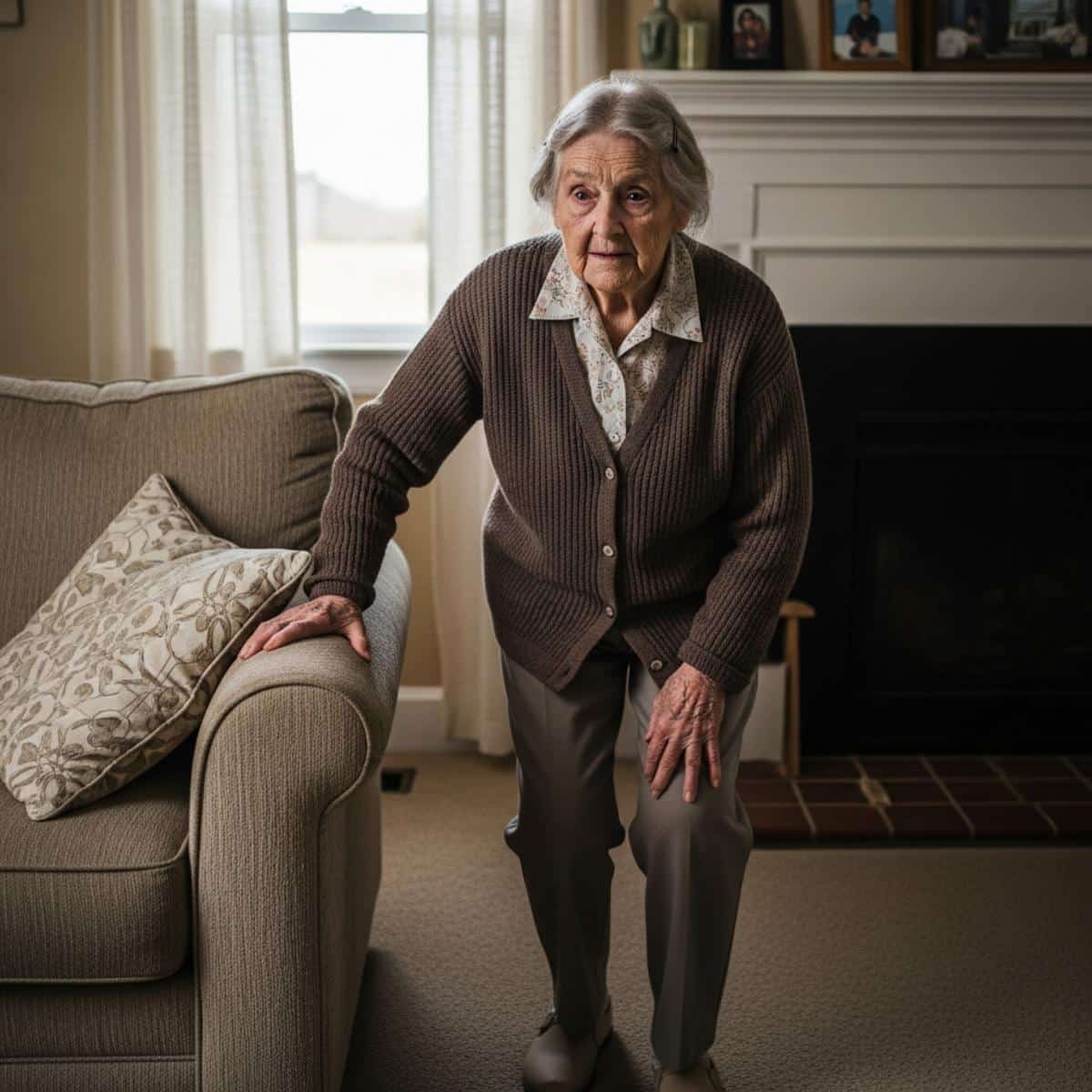
Balance isn’t controlled by a single system. It’s the result of three systems working together:
- The vestibular system — your inner ear, which tracks head position and movement
- Proprioception — sensory feedback from muscles and joints that tells your brain where your body is in space
- Vision — which fills in spatial awareness gaps when the other two systems are lagging
All three gradually lose sensitivity with age. And this decline can begin as early as your mid-40s, accelerating significantly after 60 without targeted intervention.
Here’s the part most people miss: cardio improves cardiovascular endurance. Strength training builds muscle mass. But neither directly trains the neuromuscular communication pathways responsible for balance.
Think about someone who walks three miles every morning. Strong heart, good endurance, healthy weight. But if they’ve never done anything that specifically challenges those three systems — the inner ear, proprioception, and visual coordination — their balance system simply hasn’t been trained.
That’s why a fit, active person can still experience a fall. Fitness and balance are not the same physiological skill.
This isn’t about being unfit. It’s about understanding that balance requires its own dedicated training — and that training is completely learnable at any age.
What the Research Actually Says About Balance Training and Fall Risk
Balance training isn’t a wellness trend. It’s one of the most well-researched interventions in aging and mobility science.
Studies consistently show that targeted balance training meaningfully reduces fall risk — and improvements begin appearing within six weeks of consistent practice. Even sessions as short as 10 minutes daily show significant benefit when done regularly.
There’s also a benefit that surprises most people: balance training supports cognitive function.
The coordination demands of balance exercises engage the brain in ways that standard fitness doesn’t. The neuromuscular connection required — your nervous system rapidly processing sensory input and making micro-adjustments — keeps the brain sharp alongside the body.
Compare that to a 30-minute daily walk. You gain cardiovascular health, mood support, and endurance. All real, all valuable. But balance training adds something different: faster reflexes, stronger foot-to-floor connection, sharper spatial awareness, and measurably reduced fall risk.
This is especially meaningful if you’re someone who values mental sharpness alongside physical health. Research on leisure activities and brain health consistently points to engagement that challenges the nervous system — and balance training fits that description precisely.
Think of balance training as the missing piece of an already strong routine — not a replacement for what you’re doing, but the addition that makes everything else more effective.
Want more expert-tested strategies for staying strong, steady, and independent? Subscribe to our newsletter for practical tips and trusted product recommendations designed specifically for older adults.
The 10-Minute Daily Balance Routine That Requires No Gym
You don’t need a gym, equipment, or any previous experience to start. If you’re new to balance training, a chair is your best starting point.
Beginner Exercises (Chair-Supported)
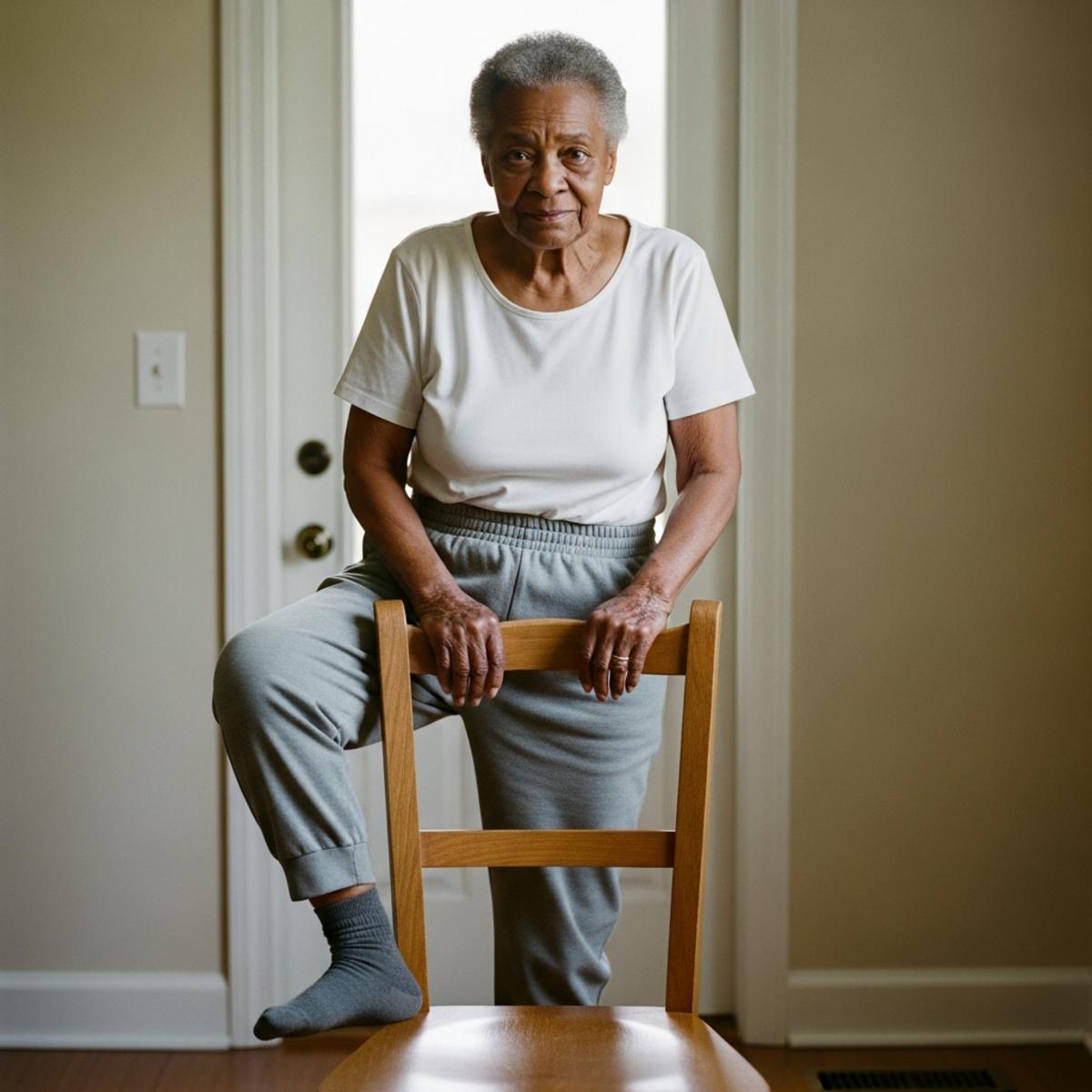
- Single-leg stand: Hold the back of a chair, lift one foot slightly off the floor, hold for 10–30 seconds. Alternate sides.
- Heel-to-toe standing: Stand with one foot directly in front of the other, heel touching toe. Hold the chair lightly if needed.
- Side-to-side weight shifts: Stand with feet hip-width apart, slowly shift your weight to one foot, then the other. Feel the full transfer of weight.
Intermediate Exercises (Freestanding)
- Tandem stance: One foot directly in front of the other, no chair support. Hold for 15–30 seconds.
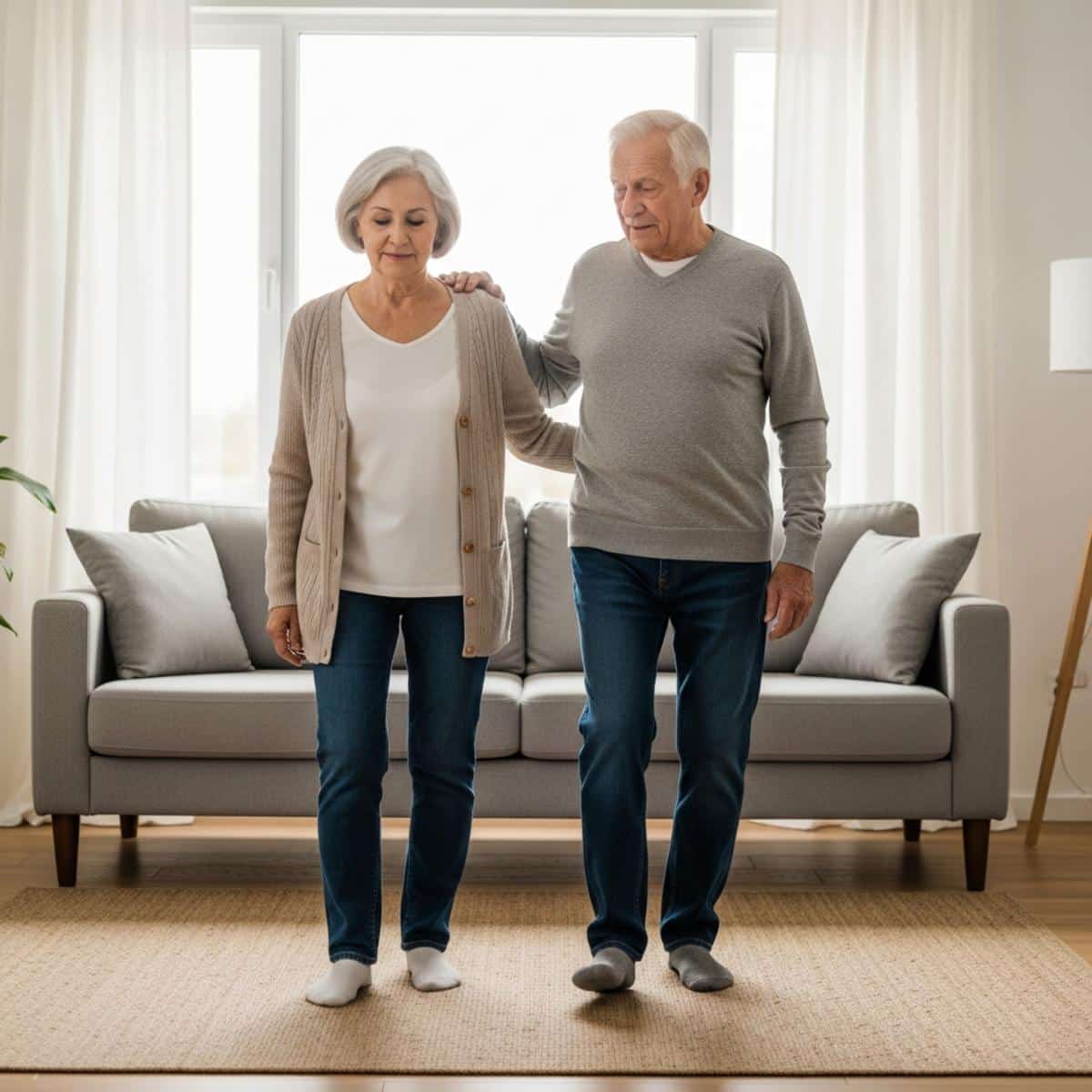
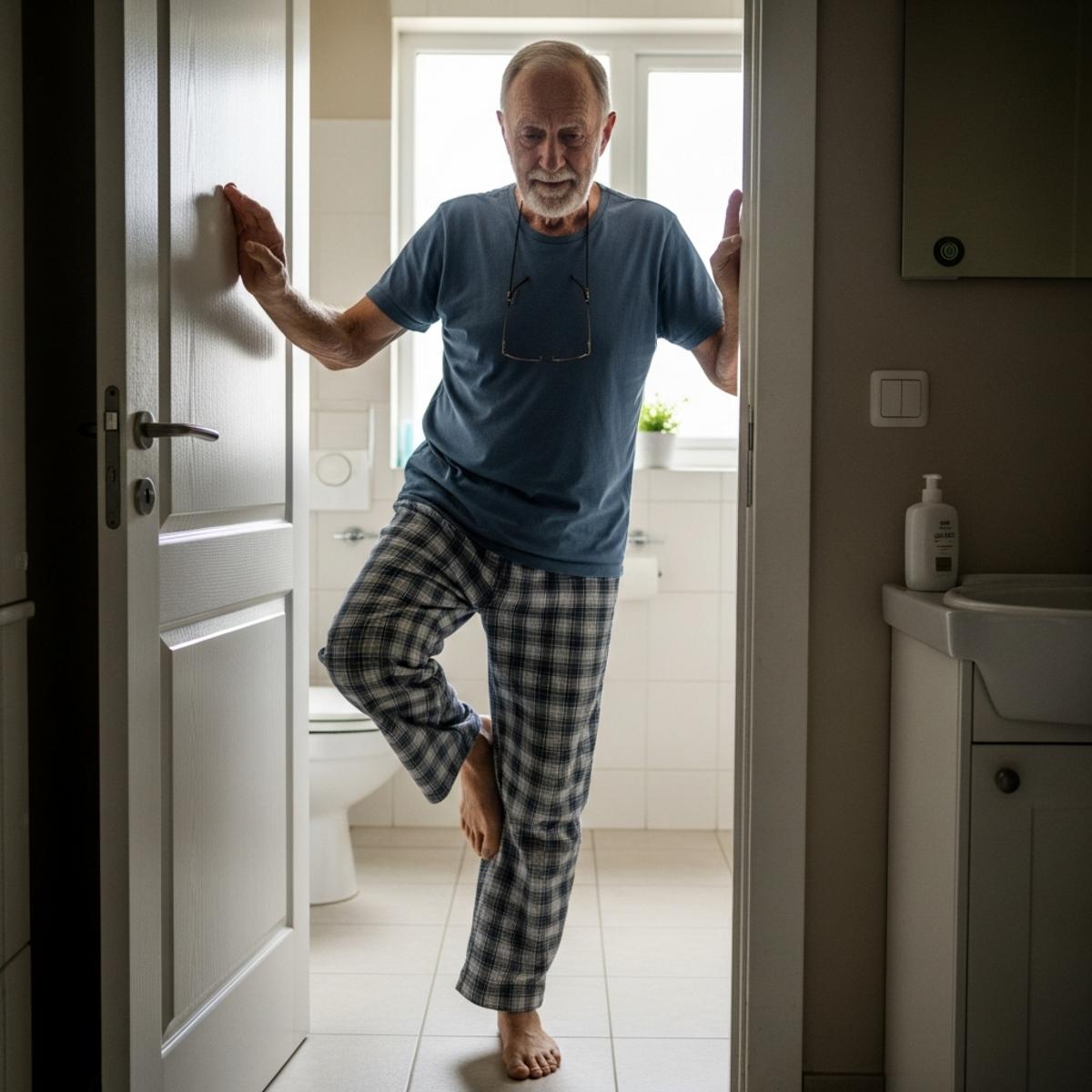
- Single-leg stand without support: Progress from chair-held to fingertip contact to fully freestanding as confidence builds.
- Heel-to-toe walking: Walk in a straight line, placing each foot directly in front of the other like a balance beam.
The Advancement Principle
The goal is gradual, progressive challenge — always just slightly outside your current comfort zone, never unsafe. Your balance improves when the system is gently stressed, then allowed to adapt.
The Habit-Stacking Tip
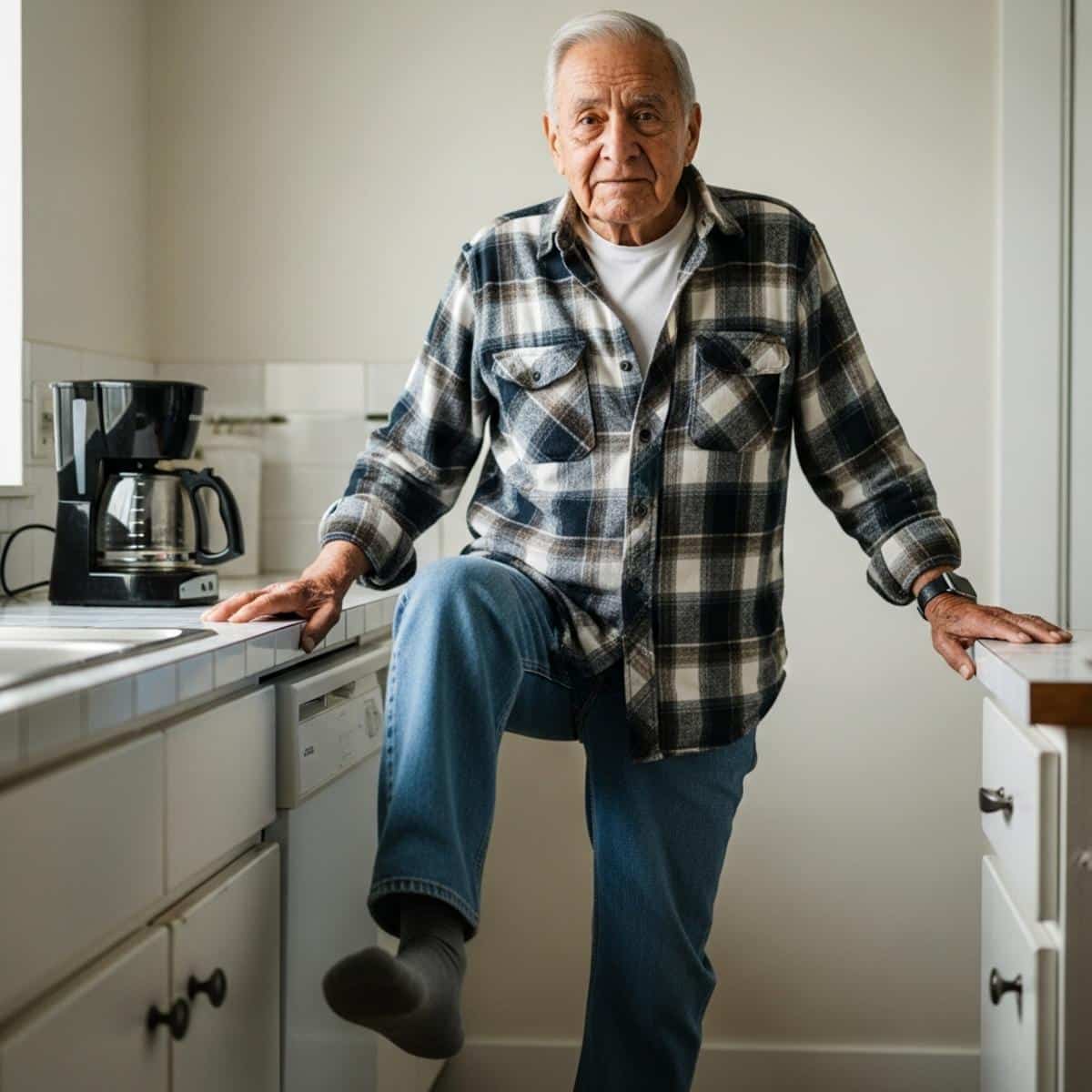
Attach balance practice to something you already do every day. Practice a single-leg stand while the coffee brews. Do heel-to-toe standing while brushing your teeth. Use commercial breaks for a quick freestanding balance hold.
Consistency matters far more than duration. Ten minutes every day outperforms an hour once a week.
Once you’ve mastered the basics, some older adults add a balance board or wobble cushion to introduce gentle instability — these tools are inexpensive, designed for home use, and challenge proprioception in ways flat ground simply can’t. A pair of grip socks is also worth keeping nearby for any balance practice on hard floors.
This approach to building daily habits connects directly with what I’ve seen in my work with older adults: small, consistent practices protect independence far more effectively than occasional bursts of effort.
When Balance Problems Are a Signal to See Your Doctor First
Most balance decline responds well to home training. But certain warning signs indicate it’s worth talking to a professional before starting on your own.
See your doctor or a physical therapist first if you notice:
- Frequent stumbling or tripping on flat, even surfaces
- Dizziness or vertigo when standing up or turning your head
- Difficulty recovering from small missteps — feeling like you almost fell
- A fall that has already occurred in the past year
These may signal neurological, vestibular, or medication-related issues that go beyond the gradual, trainable balance decline that comes with normal aging. A physical therapist can provide a formal balance assessment and a personalized starting program.
Seeking that guidance isn’t an admission of serious decline — it’s smart self-advocacy. And it means you’ll start with a program that’s calibrated specifically for where you are right now.
If you’re also thinking about broader home safety alongside balance training, this guide to bedroom nighttime fall prevention covers four targeted changes that address fall risk in one of the most dangerous rooms in the house. And if a fall has already happened, knowing exactly what to do in the first minutes can make a significant difference in outcomes.
Senior Balance and Fall Prevention Home Safety Checklist
Download our free guide to simple, science-backed activities that keep your mind sharp and body active—proven strategies for aging with energy and purpose, no special equipment or memberships required.
The Right Tools Make Balance Training Easier — and More Effective
You don’t need any equipment to start — and the exercises above work exactly as described on their own. But a few simple, affordable tools can accelerate progress and make daily practice more engaging.
Balance Boards


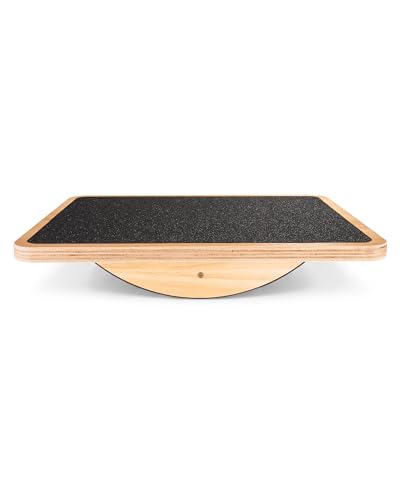
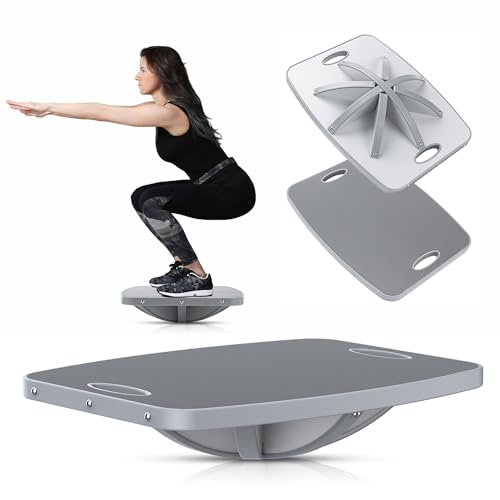

A balance board introduces controlled instability that challenges the proprioceptive system more effectively than standing on flat ground. Look for models with a low profile and a non-slip surface — specifically designed for home use, not athletic performance training.
Wobble Cushions


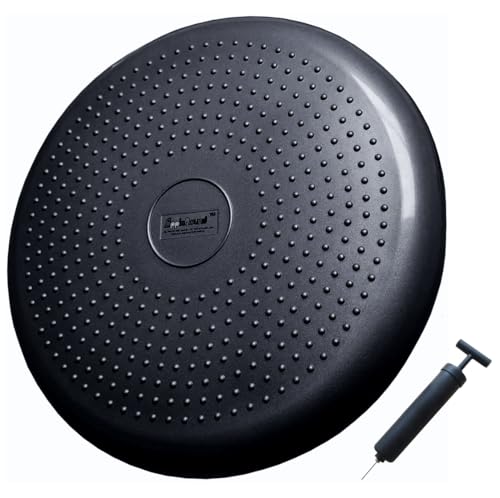
A gentler, lower-cost alternative to a balance board. Wobble cushions can be used seated or standing, are easy to store, and are a natural first step after mastering the basic freestanding exercises.
Resistance Bands


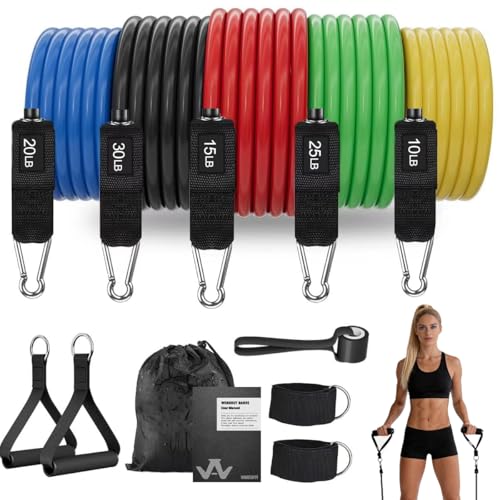
Often overlooked in balance training, but hip and ankle strengthening with resistance bands directly supports the muscles most responsible for balance recovery — catching yourself before a full fall. If you’re already doing light strength work, adding resistance band exercises focused on the lower body is one of the highest-value additions you can make.
Grip Socks


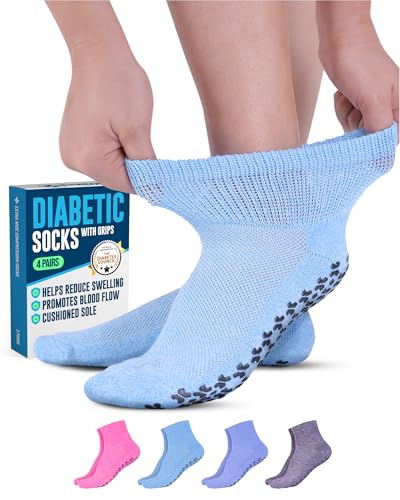


Simple, affordable, and genuinely important. Non-slip grip socks significantly reduce sliding risk on hard floors during any balance exercise. Keep a pair specifically designated for your balance practice.
None of these tools are requirements. But as your balance improves and you’re ready to progress, they’re worth knowing about — and none of them require a gym membership or a large investment.
For anyone whose balance concerns also connect to broader mobility challenges, understanding how unsafe home conditions affect the brain and body provides important context for why the physical environment matters alongside exercise.
Start With 60 Seconds Today
Balance is a trainable skill. The research is clear, the entry point is accessible, and 10 minutes a day is genuinely enough to make a meaningful difference within weeks.
If you’re already walking, swimming, or lifting weights, you’re doing the hard work of staying active. Balance training is the missing piece — the addition that makes an already strong routine more complete.
Start with one exercise today. Stand behind a chair, lift one foot off the floor, and hold for 30 seconds. That’s it. That’s the beginning.
What does your current fitness routine look like — and what are you going to add? Share in the comments. Your approach might be exactly what someone else needs to hear.