You just finished a nursing home tour.
The staff seemed caring. The medical credentials were solid. The safety record checked out. But as you walked back to your car, one thought kept surfacing: Will Mom still feel like herself there?
That quiet worry – about whether your loved one will still get her hair done, still attend Sunday services, still feel like a person rather than a patient – is one of the most common things families carry after a facility tour. And almost nobody talks about it.
Here’s what I’ve seen in my work with families navigating this transition: nearly everyone focuses on the clinical side during tours, and almost everyone misses an entire layer of services that can make the difference between a loved one who merely survives in a facility and one who genuinely thrives.
Quality skilled nursing facilities offer far more than medications and physical therapy. And knowing what to look for – and exactly what to ask – puts you in a much stronger position than most families ever reach.
Let’s walk through the most overlooked nursing home service categories, why they matter for dignity and daily life, and the specific questions to ask before you sign anything.
Nursing Home Tour Checklist: Quality of Life Questions
Download this printable checklist and discover the quality-of-life questions that reveal what your loved one’s daily experience will actually look like—going far beyond safety ratings to ensure the facility honors what matters most to them.

Beauty, Grooming, and Personal Care – Why These Services Matter More Than You Think
On-site salon services are among the most meaningful quality-of-life amenities in nursing homes – and among the most overlooked by families during tours.
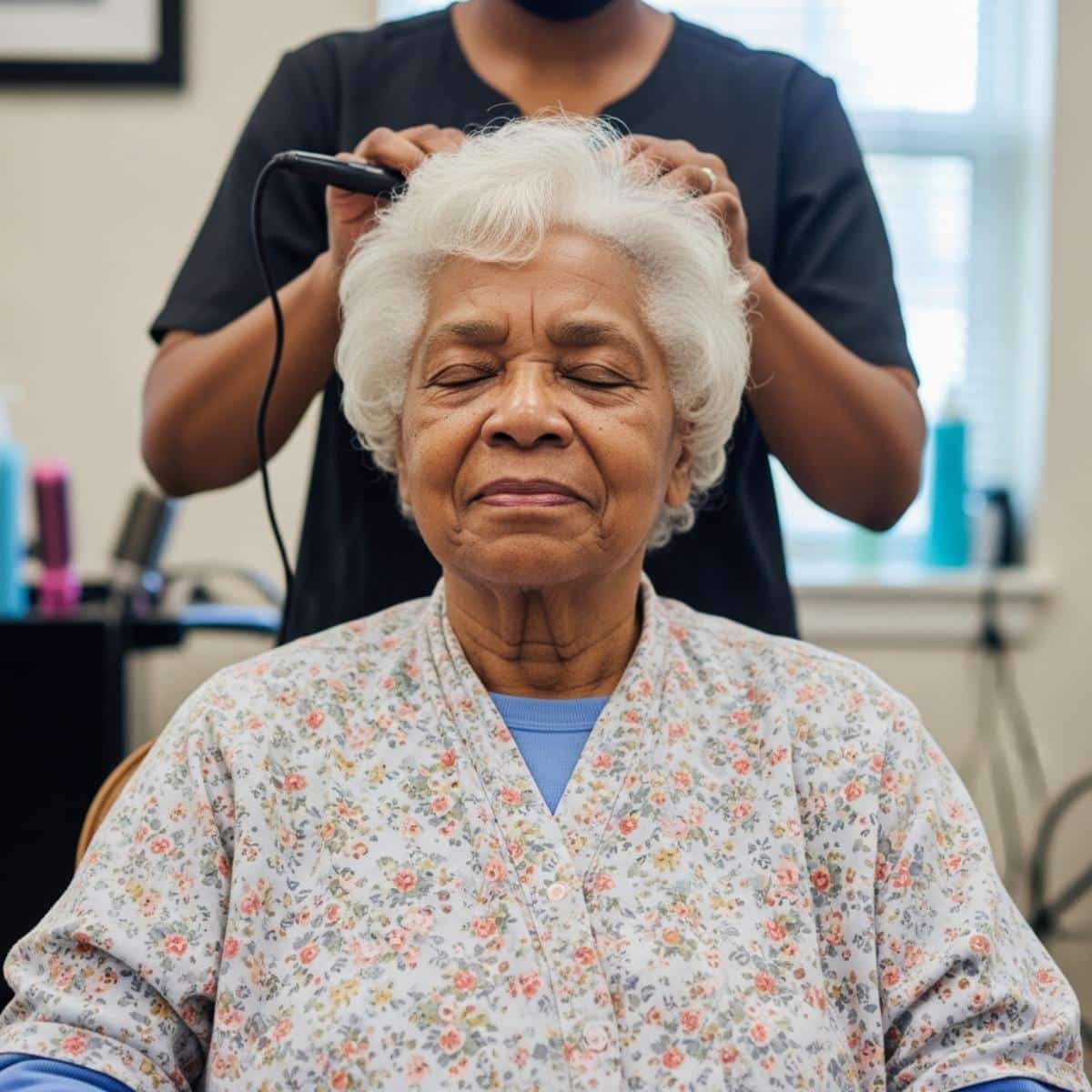
Many skilled nursing facilities have an on-site beauty salon offering haircuts, styling, manicures, and sometimes facials. For older adults, personal grooming isn’t vanity. It’s identity.
Think about what a weekly wash-and-set meant to your mother for 40 years. That ritual – sitting in a salon chair, chatting with someone, leaving feeling put-together – is a powerful emotional anchor. For residents with cognitive decline, familiar grooming routines can also provide comfort and orientation in an environment that might otherwise feel disorienting.
A facility without accessible grooming services creates a slow erosion. Residents gradually stop recognizing themselves. Mood follows appearance more than most people realize.
Podiatry visits are another commonly overlooked service category. For older adults managing diabetes or circulation issues, regular foot care isn’t optional – it’s essential for preventing serious complications.
Questions to ask during your tour:
- Does the facility have an on-site salon, and how often are services available?
- Are salon services included in the monthly fee, or billed separately?
- Does the facility have a visiting podiatrist, and how often do they come?
This is one of the most overlooked aspects of skilled nursing facility services, and the right facility will have a clear, confident answer.
Dental Care and Oral Health – The Gap Most Families Never Think to Ask About
Here’s something that surprises almost every family I work with: dental care is typically not included in standard nursing home services.
Most families assume it is. It usually isn’t.
This matters beyond comfort. Poor oral health is directly linked to heart disease, diabetes complications, and malnutrition – all serious concerns for older adults already managing complex health conditions. A painful, untreated tooth doesn’t just hurt. It affects eating, sleep, mood, and quality of life.
Some facilities have visiting dental professionals or partnerships with local dentists. Others leave families entirely responsible for arranging all dental appointments and transportation independently. The gap between those two approaches is enormous.
Medicare generally does not cover routine dental care, so understanding the facility’s actual approach before admission helps you plan – financially and logistically – rather than discovering the problem months later when your loved one is already in discomfort.
For residents who cannot manage their own oral hygiene independently, the question of staff-assisted daily dental care is equally important. A facility with strong protocols here is a signal of genuine attention to resident dignity.
Questions to ask during your tour:
- Does the facility have a visiting dentist or dental hygienist on a scheduled basis?
- How does staff support residents who cannot manage oral hygiene independently?
- If a resident needs an outside dental appointment, how is transportation and coordination handled?
Asking about dental care during a tour isn’t being difficult. It’s being thorough – and it’s one of the most important skilled nursing facility services to clarify before any agreements are signed.


Want more trusted guidance for navigating senior care decisions? Subscribe to our newsletter for expert-tested advice and practical resources designed specifically for families caring for older adults.

Pet Therapy, Religious Services, and Social Programming – The Heart of What Quality Actually Looks Like
The activities and community programming a facility offers can be just as important as its medical staff.
They’re also what determine whether a resident feels engaged or isolated – and isolation has measurable, serious consequences for older adults.
Pet therapy programs have documented benefits for mood, anxiety, and social engagement. Facilities that bring in therapy animals regularly – or allow resident pets in some cases – are signaling a commitment to emotional wellbeing, not just clinical compliance.
Religious services matter deeply to many older adults’ sense of identity and comfort. Ask whether the facility offers on-site worship services, and whether transportation to outside religious communities is available for residents who want to attend their own congregation.
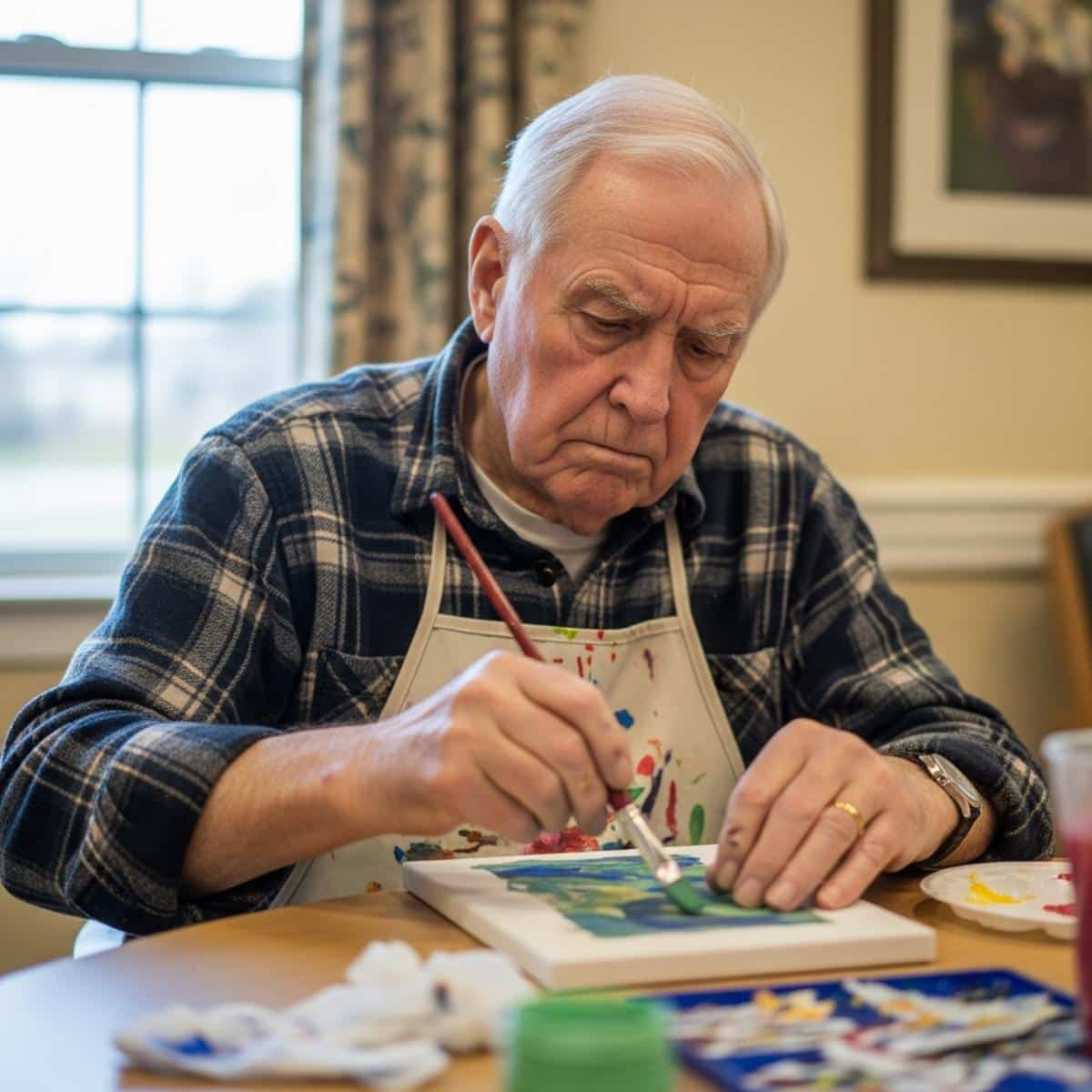
Social programming – music, crafts, games, holiday events, group outings – supports cognitive engagement and combats the depression that can follow a major life transition. Music therapy in particular has strong evidence behind it for residents at various stages of cognitive decline.
Questions to ask – and what to actually ask for:
- Request the previous month’s actual activities calendar. A verbal description tells you what they want you to hear. The calendar tells you what actually happens.
- Ask whether programming is adapted for residents with varying mobility or cognitive ability.
- Ask how often live music, outside performers, or community visitors come into the facility.
A rich, consistent activities calendar isn’t a nice-to-have. It’s a signal that a facility is genuinely committed to senior living quality of life.





Community Outings and Transportation – Staying Connected to Life Outside the Walls
Many families don’t realize that some skilled nursing facilities offer scheduled community outings – shopping trips, restaurant visits, park excursions, museum visits.
For a resident whose world has quietly shrunk to the same four walls since admission, a monthly lunch outing with fellow residents can be a genuinely meaningful quality-of-life event. Fresh air, different surroundings, restaurant food, conversation outside the usual routine – these experiences matter.
Transportation to medical appointments outside the facility is a separate and equally critical question. Many families don’t ask about this until they’re already managing it mid-care – and discover the facility’s approach only when a specialist appointment falls through.
Facilities with robust transportation support also reduce the logistical burden on family caregivers who can’t attend every outside appointment. If you’re balancing work and caregiving – and most family caregivers are – this is a practical question with direct impact on your capacity.
Some facilities also partner with volunteer programs or community organizations that bring outside visitors in, supplementing formal outings with additional connection.
Questions to ask during your tour:
- Does the facility offer scheduled community outings, and how often?
- Are outings available to all residents, or only those meeting specific mobility or cognitive criteria?
- How does the facility coordinate transportation for outside medical appointments?
Outings and transportation aren’t extras. They’re how quality facilities keep residents connected to the broader world – and support the psychological benefits of sustained independence even within a care setting.

How to Compare Nursing Homes for Family Members Using a Quality-of-Life Lens
Most families compare nursing homes primarily on star ratings, staffing ratios, and inspection reports. All of that matters – and none of it is sufficient on its own.
A quality-of-life lens adds a second layer of questions that most families never think to ask: about salon services, dental coordination, activities programming, transportation, spiritual support, and pet therapy. Together, these questions paint a much fuller picture of what daily life will actually look like for your loved one.
Practical comparison strategies:
- Take notes during every tour and compare facilities side by side on both medical and amenity dimensions – not just medical metrics alone.
- Pay attention to how staff interact with residents in hallways. Whether residents seem engaged, acknowledged, and treated with warmth is real data – not just impression.
- Visit at different times of day, including during a mealtime and during an activity, to see how the facility actually operates rather than how it presents.
- Before touring, write down your loved one’s most important daily routines and personal pleasures – and use that list to assess whether each facility can specifically honor those things. Does she always read the morning paper? Does he need to watch the evening news? Does she care deeply about attending Sunday services?
A family who tours three facilities using only a safety-focused checklist may miss the fact that their top-rated medical facility has almost no meaningful social programming. A family using a quality-of-life lens discovers that gap before signing – and makes a different choice.
I’ve seen families discover that a slightly lower-rated facility (on paper) offers exceptional community life, genuine warmth, and activities that actually reach residents with dementia – while the five-star-rated facility down the street leaves residents sitting alone most of the day.
Ratings matter. So does the feel of daily life. Both deserve a seat at the table.
If you’re also navigating the broader question of whether it’s time to make a transition, this checklist of signs that it may be time to move a parent to assisted living can help you think through the decision with more clarity.
Nursing Home Tour Checklist: Quality of Life Questions
Download this printable checklist and discover the quality-of-life questions that reveal what your loved one’s daily experience will actually look like—going far beyond safety ratings to ensure the facility honors what matters most to them.
The Questions That Change Everything
Asking thorough questions during a facility tour isn’t overstepping. It’s exactly what a devoted family member does.
The nursing home services most closely tied to dignity, identity, and daily joy – salon visits, dental coordination, pet therapy, meaningful programming, community outings – are almost never covered in standard tour presentations. They’re available in quality facilities. But you have to ask.
Here’s what I recommend: before your next tour, write down the five or six things that make your loved one feel most like themselves. Their weekly routines. Their pleasures. Their anchors. Then walk into every facility tour with those specific items on your list and ask directly whether the facility can support them.
The answers will tell you more than any star rating.
And if you’re navigating what to expect in the weeks after a move, this guide to the first 30 days in assisted living covers the adjustment curve and what’s normal – versus what warrants real concern.
Have you toured a facility that surprised you with a service or amenity you didn’t expect to find? Share it in the comments – your experience might be exactly what another family needs to hear right now.