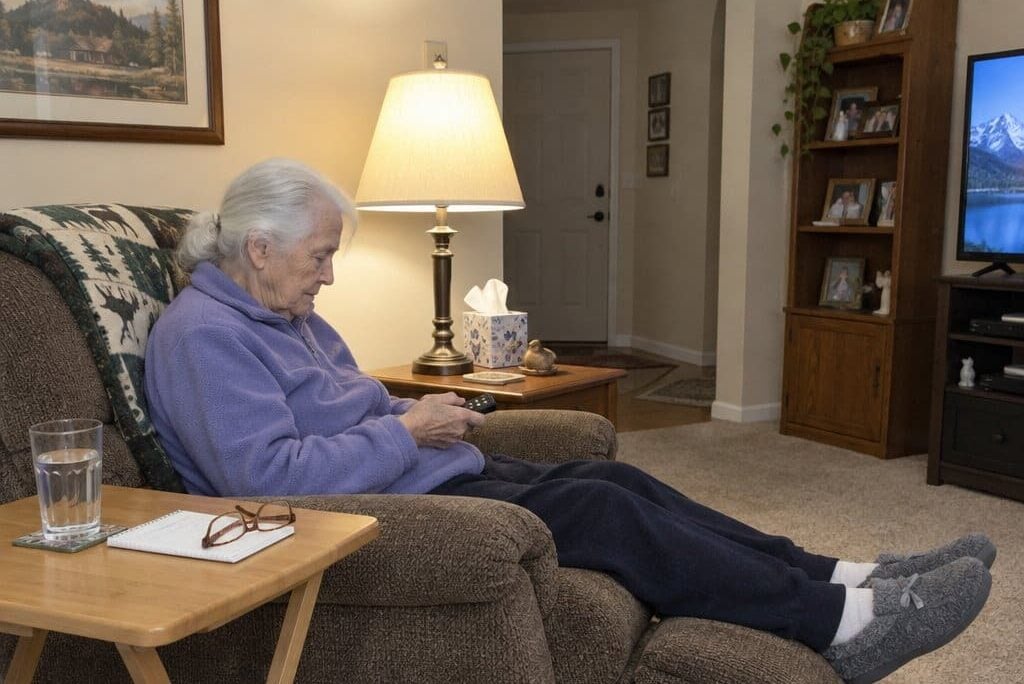
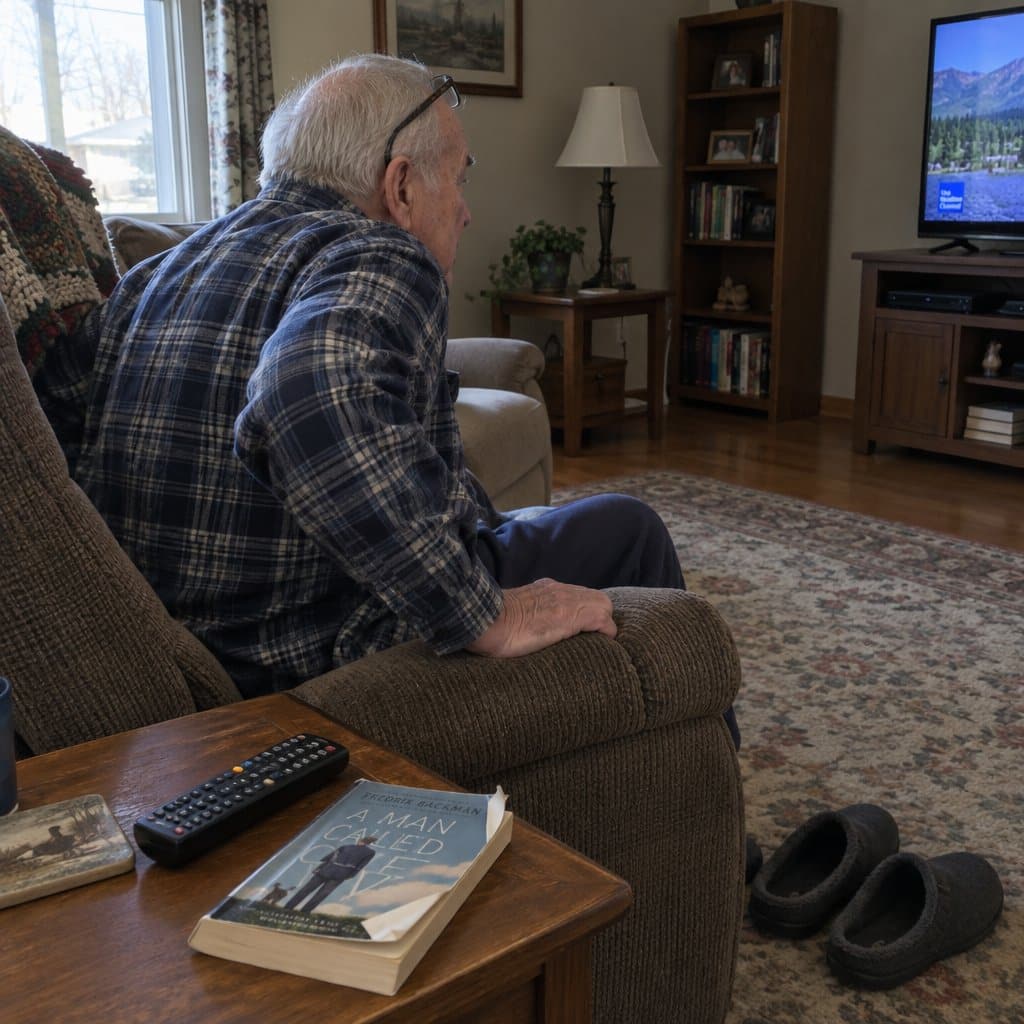
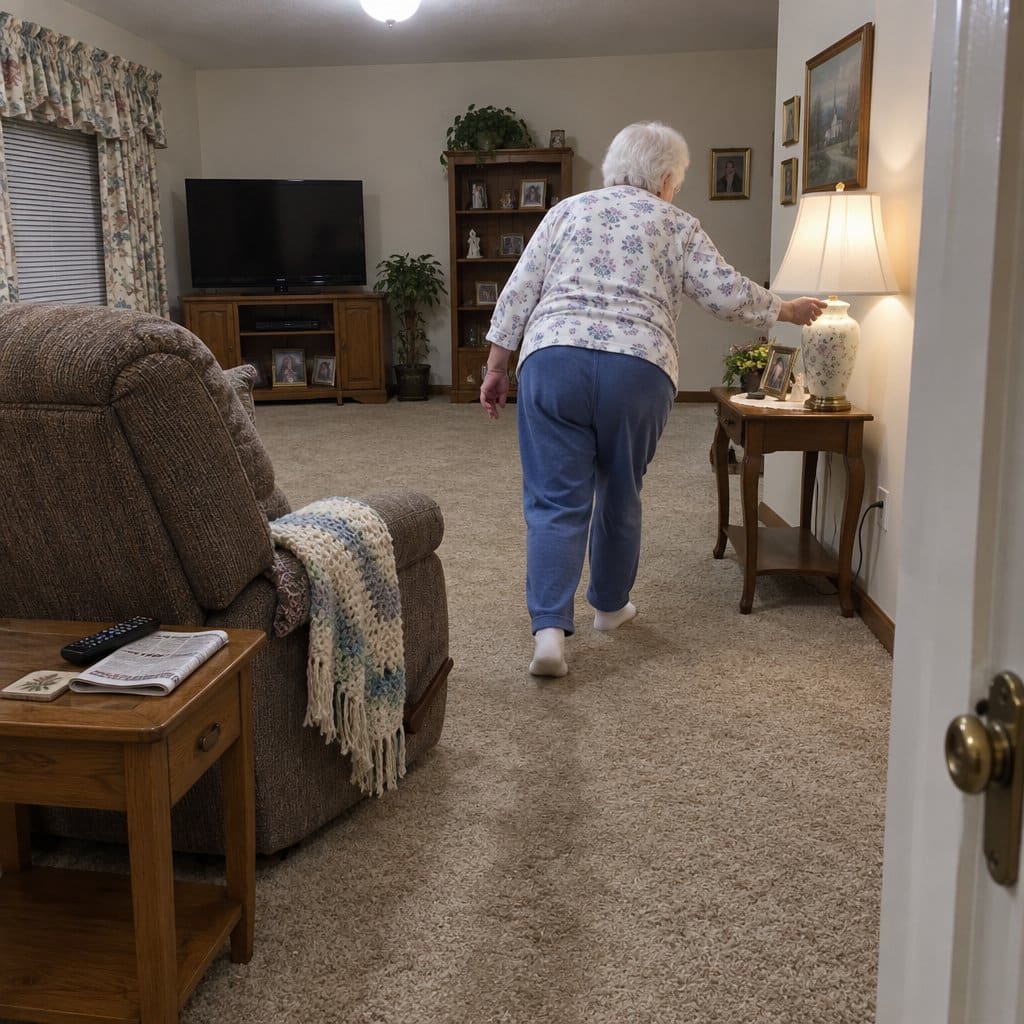
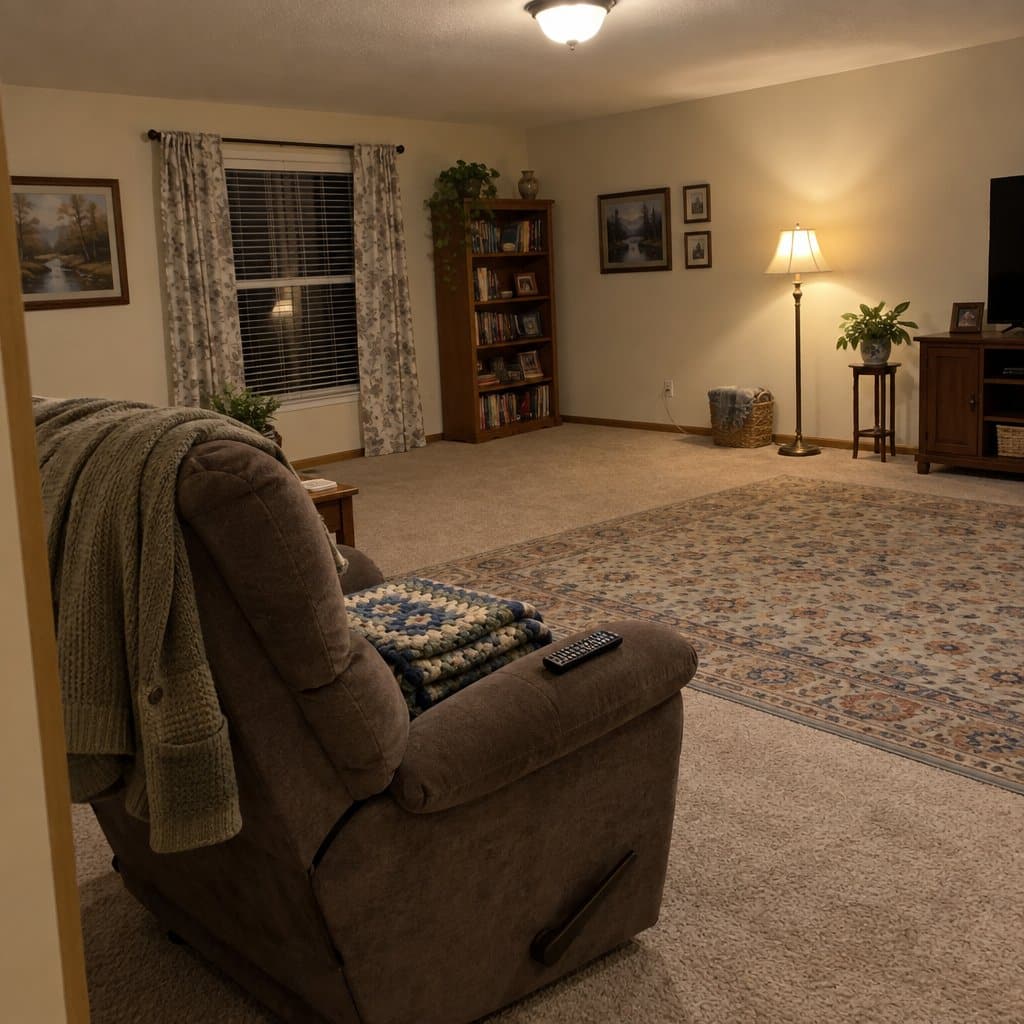
You spotted it the moment you walked in. Your mom pushes herself up from the recliner, shuffles across the living room in her socks, clicks on the lamp by the wall, and then carefully makes her way back in the half-light.
Every single evening. Alone.
That image doesn’t leave you. There’s a gap between “she’s doing fine” and “this is how a fall starts,” and that lamp is sitting right in the middle of it. The wall switch is on the wrong side of the room. Moving the lamp sounds like a rewiring project. So the problem just… sits there.
Here’s what I want you to know: there’s a fix that costs about $26, takes less than five minutes to set up, requires zero tools, no electrician, and no WiFi. It’s called a wireless smart plug — and once you understand how it works, you’ll wish someone had told you about it sooner.
Home Lamp & Lighting Safety Checklist for Aging Parents
Download this room-by-room checklist to spot the lighting gaps most likely to cause a fall in your aging parent’s home—and discover the simple, low-cost fixes you can implement without calling an electrician.
Why Moving a Lamp Sounds Simple but Feels Complicated
The Setup Almost Every Older Home Has
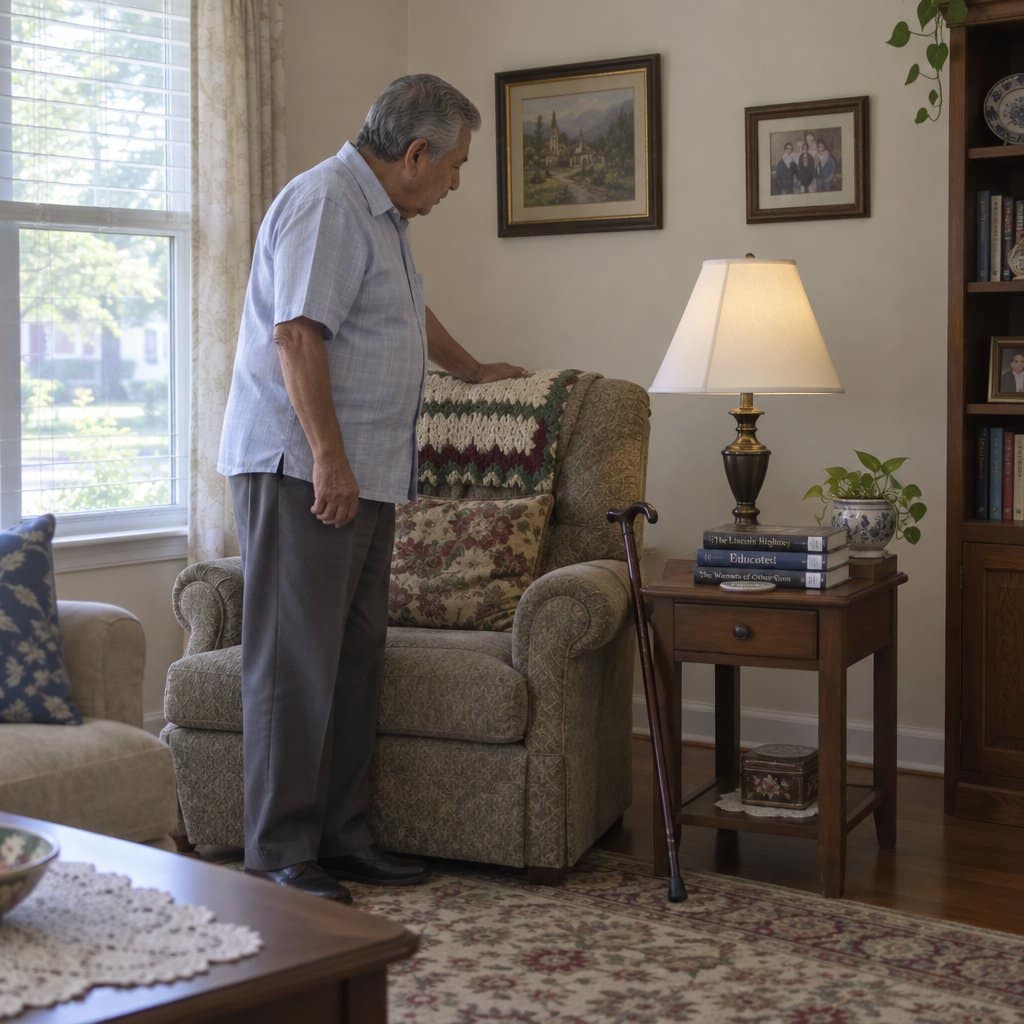
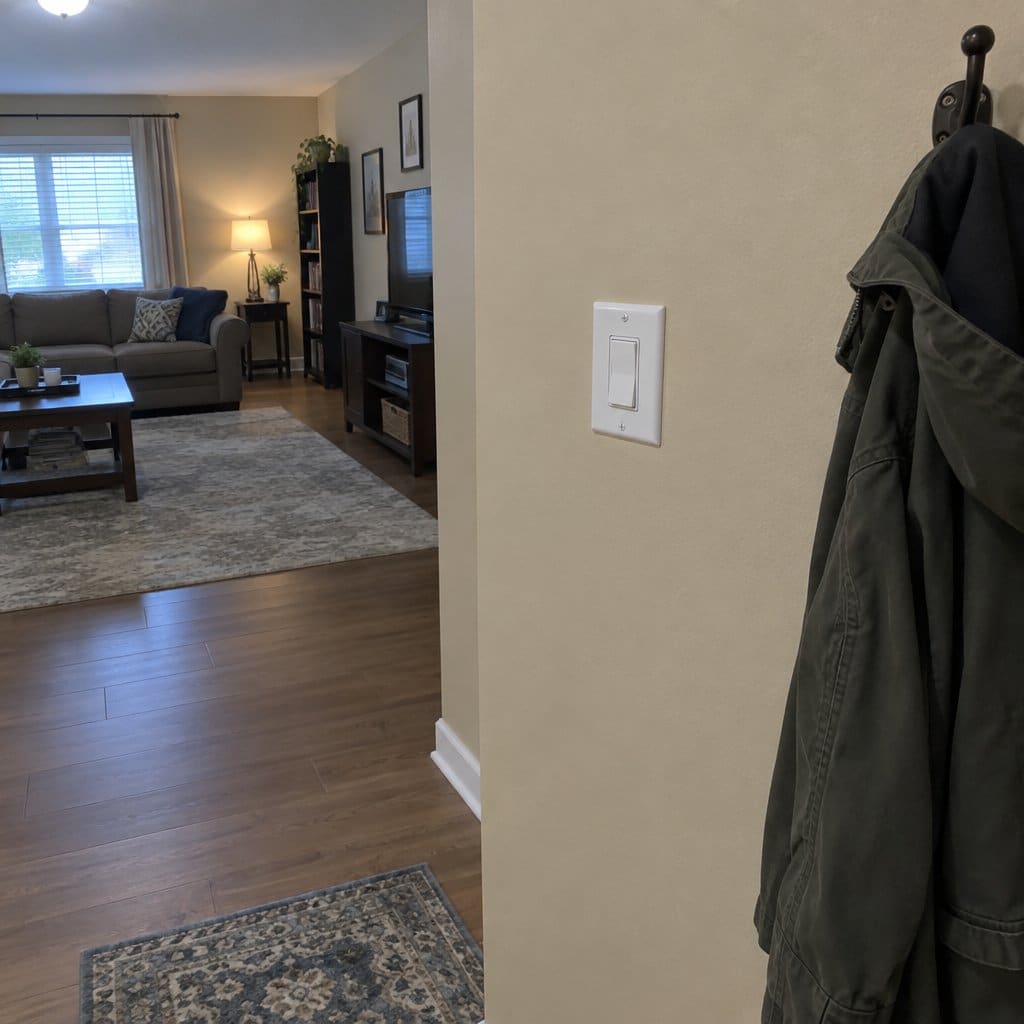
Older homes weren’t built with aging-in-place in mind. Wall switches control ceiling fixtures, and lamps get plugged into whatever outlet happens to be nearby — which is almost never next to the recliner.
That mismatch creates a real problem. Walking across a dim or dark room to reach a switch is one of the most common setups that precedes a nighttime fall. It’s not dramatic. It’s just a lamp in the wrong place, every single night.
Why Families Don’t Fix It
The automatic assumption is that solving this requires an electrician. Or at minimum, running an extension cord in a way that creates its own tripping hazard. Neither option feels right, so most families do nothing.
That’s where fall prevention efforts often stall — not because the problem is unsolvable, but because the solution isn’t obvious. The barrier isn’t the electrical system. It’s simply not knowing that wireless smart plugs exist specifically for this.
What Wireless Smart Plugs Actually Do (And Why They’re Different From Regular Smart Plugs)

This Is Not a Smart Home Project
Most people hear “smart plug” and picture an app, a WiFi setup, and a learning curve. That’s a different product entirely.
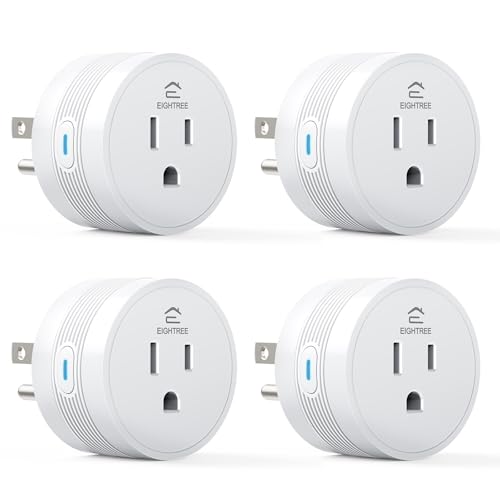
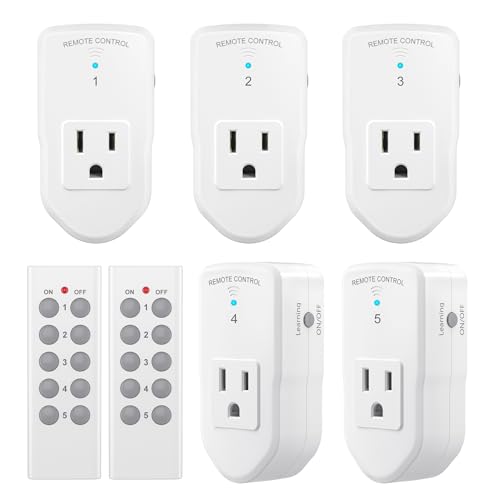
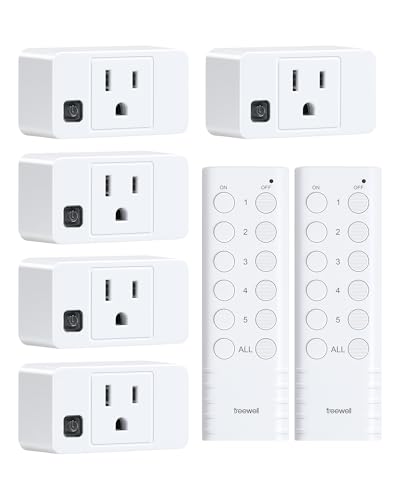
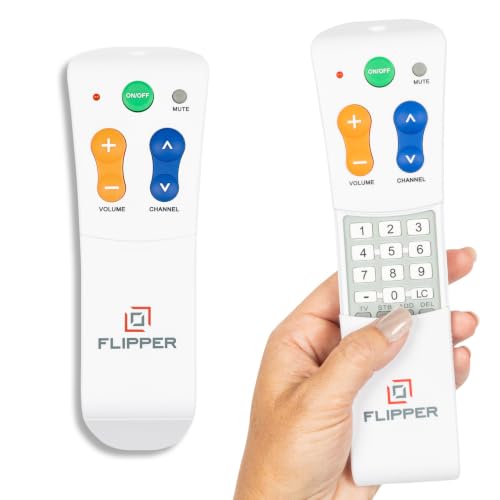
The wireless smart plugs I’m talking about use radio-frequency (RF) technology — the same basic principle as a TV remote. One plug goes into the wall outlet. One small handheld remote controls it from across the room. No internet. No phone app. No account to create.
How the Remote Works
The remote typically reaches 100 feet or more — more than enough range for any living room. Your parent presses one button. The lamp turns on. That’s the whole experience.
There’s no learning curve for someone who already uses a TV remote. The concept is identical.
What Works Well With Wireless Smart Plugs
These plugs are well-suited for:
- Table lamps and floor lamps
- Fans
- Small space heaters (check the plug’s wattage rating)
- Seasonal lights and decorations
- Any appliance that doesn’t need to stay in standby mode
Avoid using them with high-draw appliances like refrigerators, microwaves, or any medical equipment that needs a consistent power supply.
Safety in Older Homes
Wireless smart plugs are UL-listed and designed for standard residential outlets, including the two-prong outlets common in older homes. The plug itself draws very little power. It’s not adding load to your parent’s electrical system — it’s just giving you remote control over what’s already there.
A quality two-pack typically runs around $26 and includes both the receiver plug and the remote. That’s less than dinner out, and it solves a problem that’s been sitting unaddressed for months.



Setting It Up: What It Actually Looks Like in Your Parent’s Home
The Full Installation Process
I want to be direct about what “installation” means here, because it barely qualifies as a project.
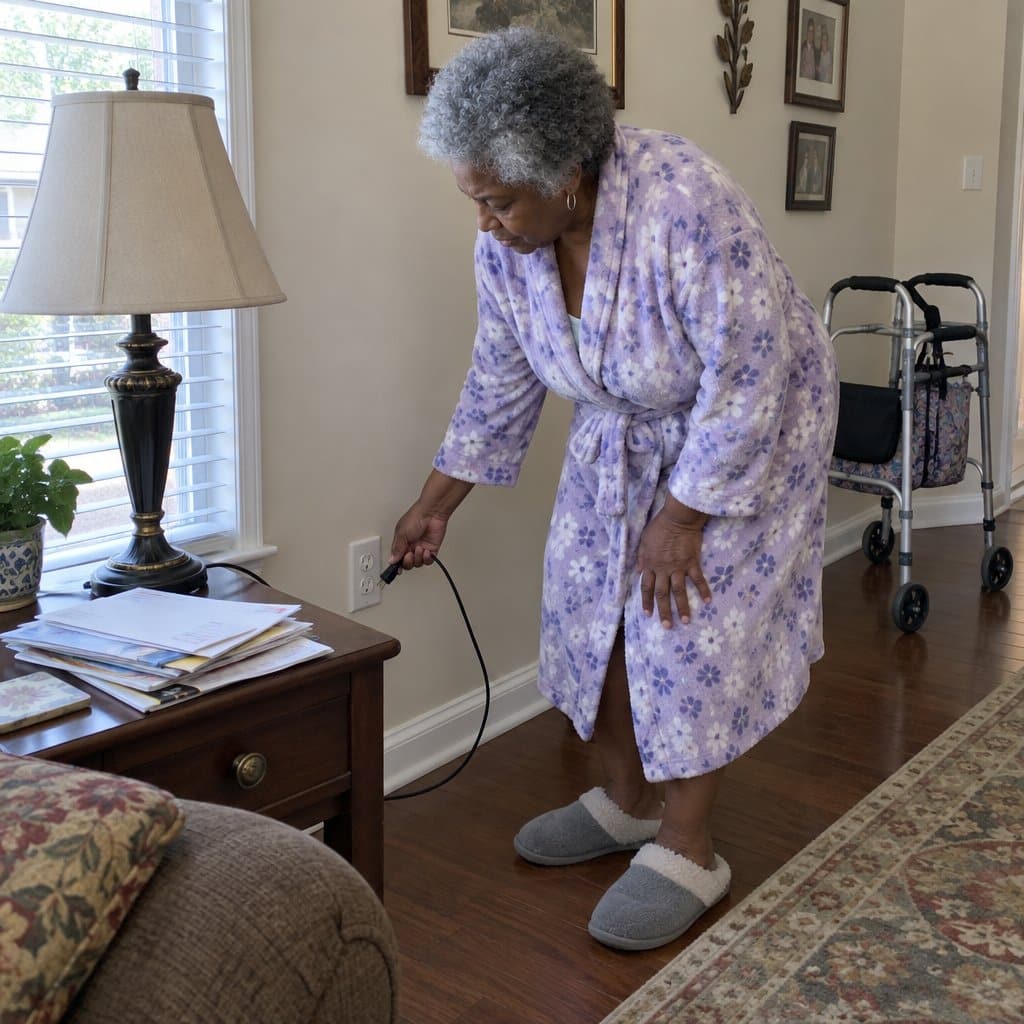
- Plug the receiver into the wall outlet where the lamp currently sits.
- Plug the lamp into the receiver.
- If pairing is needed, press the sync button on both the plug and the remote once — most units pair automatically out of the box.
- Press the remote button. Lamp on. You’re done.
The hardest part of the whole process is reaching the outlet behind the furniture. Everything after that takes less time than making a cup of coffee.
Where to Put the Remote
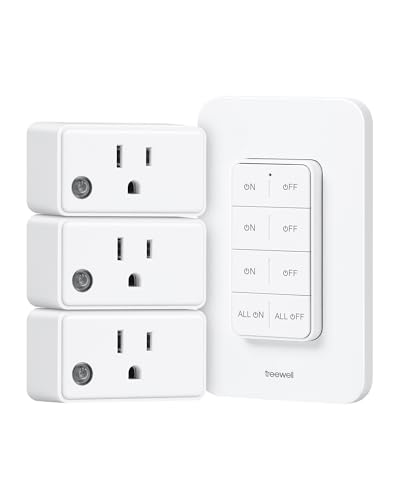
Set the remote on the side table next to the recliner. If the product includes an adhesive clip or wall mount, use it — that keeps the remote from migrating to the couch cushions.
If your parent has any memory challenges, a small piece of tape labeled “LAMP” in large letters does the job. Simple works.
How to Explain It to Your Parent
“It works exactly like the TV remote. Press this button — lamp on. Press it again — lamp off. You never have to get up.”
That’s the whole explanation. You can do this setup during a regular Sunday visit. No special trip, no tools, no disruption to her routine.
If a compact plug profile that sits flush to the wall works better for your parent’s outlet placement, remote control outlets operate on the same principle and are worth considering for tighter spaces.



Subscribe to our newsletter for more tips: Join here
The Questions You’re Probably Already Asking (Answered)
Are Wireless Smart Plugs Safe for Older Homes?
Yes. They plug into standard outlets and draw minimal power on their own. They don’t require grounded three-prong outlets for the remote function, and UL listing means they’ve passed established safety testing. I’ve seen these used in homes with original 1950s wiring without any issues.
Do Smart Plugs Work Without WiFi?
The RF-based wireless models described in this article require no WiFi, no internet connection, and no router. This is the key distinction from app-controlled smart plugs. If your parent’s home has spotty internet or no smart home setup at all, that’s completely irrelevant — these work independently of all of that.
How Far Does the Remote Reach?
Most models are rated for 100 feet or more. That easily covers any residential living room, and most of the home beyond it.
How Hard Is the Remote to Use?
It’s a single button. If your parent can use the TV remote, she can use this. There’s no menu, no mode-switching, no screen to read.
What If She Loses the Remote?
Some packs include two remotes — one for the chair, one as a backup. A side table caddy or a strip of velcro keeps it in a predictable place. You can also label it with a simple sticker to make it unmistakable.
These are good questions with reassuring answers. This is genuinely simple technology with a clear, narrow purpose.
While You’re There: Other Quick Wins That Follow the Same Logic


Once You See It, You’ll See It Everywhere
The lamp-and-switch problem isn’t the only place this pattern shows up. Take a five-minute walk through your parent’s home and you’ll likely spot two or three more.
- The floor lamp next to the bed that requires leaning over to reach the switch — same fix.
- The bedroom fan that means getting up to adjust the speed — same fix.
- A hallway nightlight on a switch that’s awkward to reach from the bedroom doorway — same fix.
- Seasonal lights or a small space heater that’s inconvenient to operate — same fix.
The Two-Pack Advantage
Buying a two-pack means you solve two locations in one purchase. The lamp by the recliner and the lamp by the bed, handled in a single Sunday visit for the same $26.
This is the kind of compounding value that makes a simple product genuinely worth thinking about. One solution, two problems, one trip.


Other Accessibility Improvements Worth Pairing
While you’re walking through the home looking for lamp and outlet opportunities, it’s worth noting other quick wins that pair naturally with this kind of visit. Nightlights placed along hallway routes reduce the need to turn on overhead lights at all. Lighting upgrades for older adults often require nothing more than swapping a bulb or repositioning an existing fixture.
And if your parent’s bathroom is part of the conversation, bathroom safety products and shower safety modifications follow the same principle: targeted, low-cost fixes that make a measurable difference without a contractor.
The bigger picture of products for older adults living independently is worth exploring too — the lamp fix is often just the first one you notice.
Home Lamp & Lighting Safety Checklist for Aging Parents
Download this room-by-room checklist to spot the lighting gaps most likely to cause a fall in your aging parent’s home—and discover the simple, low-cost fixes you can implement without calling an electrician.
The Fix Was Always This Simple
Rewiring was never necessary. An electrician was never required. The only barrier was not knowing that wireless smart plugs exist and that they were built for exactly this problem.
A $26 two-pack. Five minutes to set up. A lamp your parent can turn on from her recliner without getting up, without walking across a dark room, without that moment you’ve been picturing every time you drive home after a visit.
Small fixes like this one add up. A lamp that turns on from the chair is a fall that doesn’t happen. That’s not a small thing — it’s exactly the kind of practical, affordable improvement that makes aging in place sustainable.
Take a look around your parent’s home this week. Pick one lamp, one appliance, one spot where unnecessary movement creates unnecessary risk. Chances are, this is the fix.
What did you find when you looked? Or what have you already solved? Share it in the comments — your experience might be exactly what another caregiver needs to hear today.