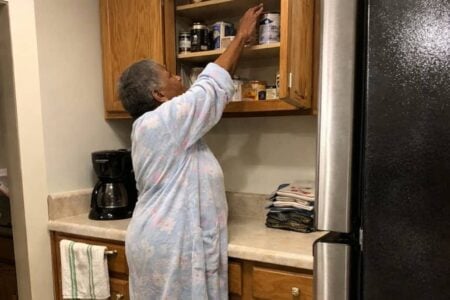
Picture this: it’s 2 a.m., the power goes out, and your mother is standing in the dark hallway — her flashlight sitting in a plastic bin on the basement shelf where you put it three years ago. Technically, you prepared. Practically, those supplies might as well not exist.
Most families I’ve worked with have thought about emergency preparedness. They’ve bought the kit. They’ve checked that box. But the question almost nobody asks is whether those supplies are actually reachable when it matters most.
That’s exactly what this article is about. I’m going to walk you through a room-by-room emergency kit storage system built around how older adults actually live — not around where there happens to be storage space. Because the location of your supplies is just as important as what’s inside them.
Parent’s Emergency Kit Room-by-Room Checklist
Download our free room-by-room emergency kit checklist and ensure your parent has life-saving supplies within arm’s reach at 2 a.m.—no more inaccessible boxes in basements or high shelves.
Why Location Is the Missing Piece of Most Emergency Plans
The One-Box Mistake
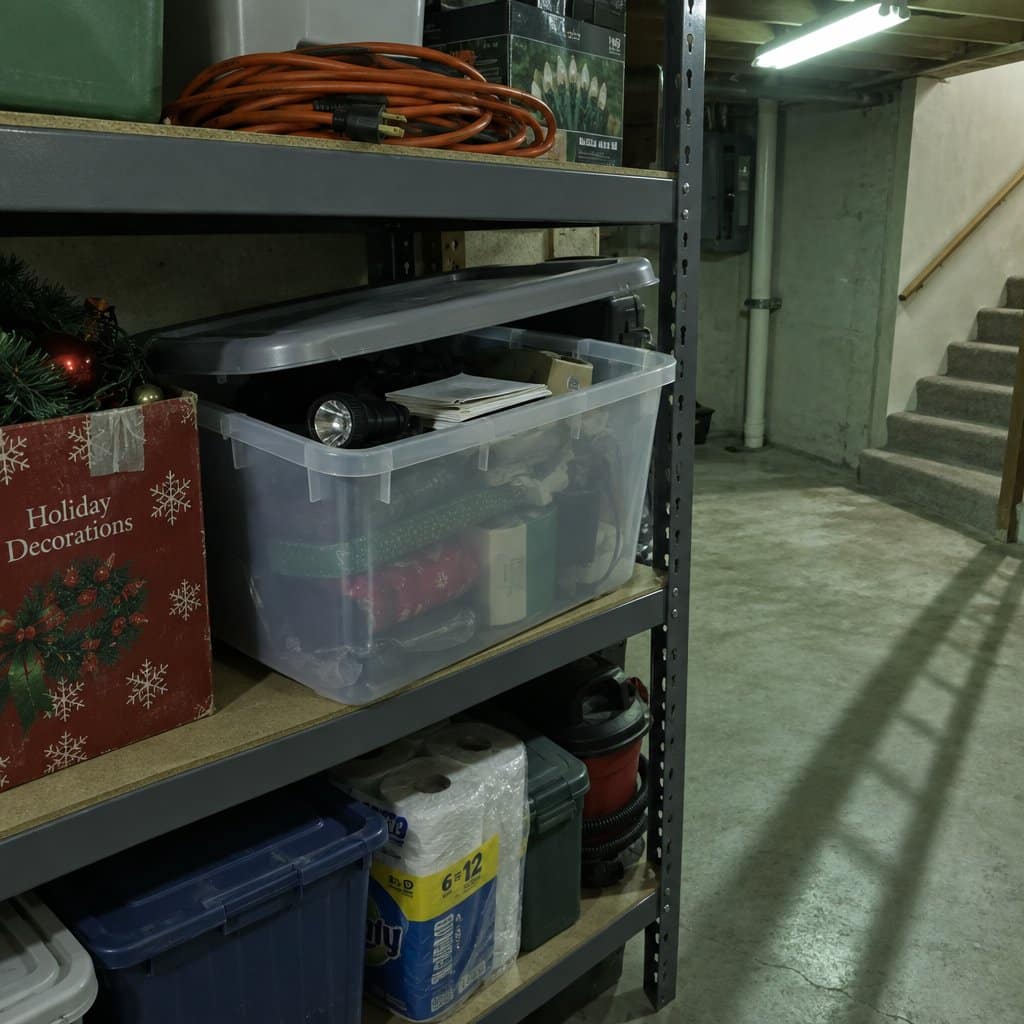
The most common emergency preparedness setup I see is a single box — usually in a basement, high closet shelf, or garage — stocked with everything a family could need. It feels thorough. It is not practical.
In a real emergency, your parent is not going to navigate stairs in the dark, move coats aside to reach a high shelf, or find their way to the garage during a storm. Reduced mobility, balance concerns, darkness, and the simple shock of an unexpected situation all work against a centralized kit.
Accessibility Is the Real Measure of Preparedness
Emergency supplies for older adults need to meet the person where they are, not require a trip across the house. The supplies that can’t be reached might as well not exist.
This isn’t pessimism — it’s practical thinking. A room-by-room approach means your parent is never more than arm’s reach from what they need, no matter where they are when something goes wrong.
Below are five locations that cover the scenarios that matter most. Start with the bedroom. It’s the highest priority of all.

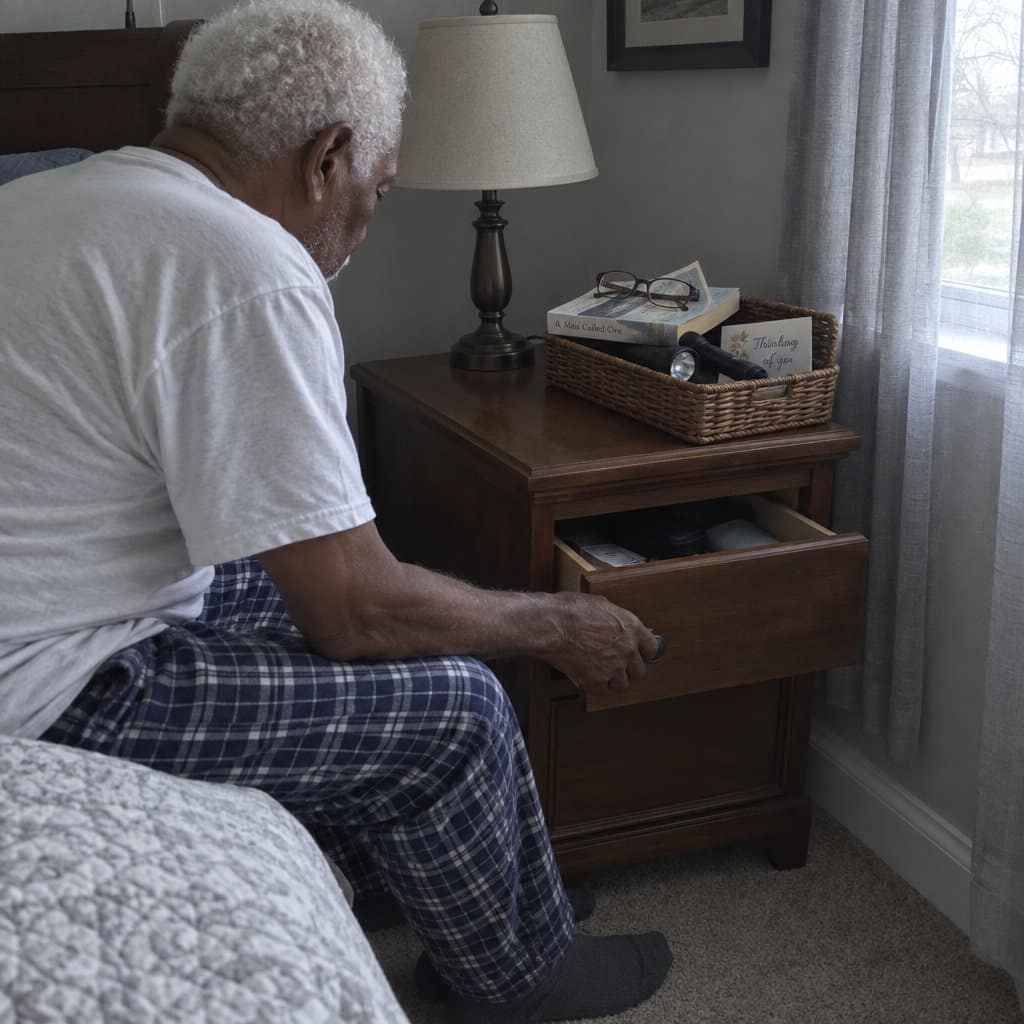
The Bedside Station — The Most Important Spot in the House





Why Nighttime Emergencies Are Different
Power outages, medical events, and severe weather don’t respect daylight hours. Nighttime emergencies are disproportionately disorienting — your parent wakes mid-sleep, the room is pitch black, and the first instinct is to move before they’re fully alert. That combination is where falls happen.
The bedside station solves this by keeping everything within arm’s reach before your parent ever stands up.
What Belongs on the Nightstand
- A reliable light source — this is the anchor item, and I’ll explain why in a moment
- A charged phone or backup power bank — within reach, not plugged in across the room
- A medical ID card or printed medication list — folded inside a nightstand drawer
- A whistle or personal alert device — inexpensive and effective for signaling in a crisis
The Right Light Source Makes All the Difference
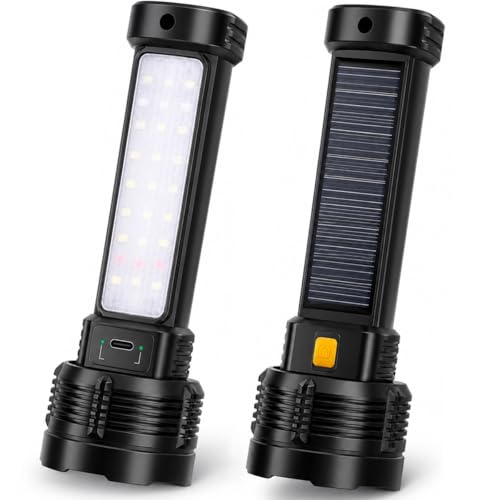
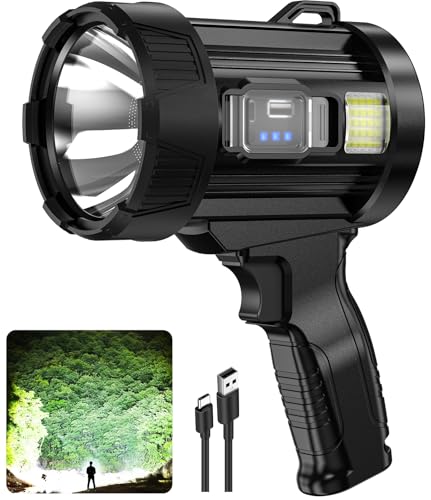
The single most important item in this station is a flashlight that’s always ready — and that rules out most battery-powered options. Batteries drain over months of disuse, and nobody remembers to swap them until the moment they’re needed.
A solar rechargeable flashlight solves this completely. It charges passively near a window, holds that charge indefinitely, and can sit on a nightstand for a year without any maintenance. No replacement schedule, no dead batteries, no fumbling with a battery compartment at 2 a.m.



How to Store the Bedside Station
A small basket or nightstand caddy works perfectly — keep it within arm’s reach even from a lying position. The goal is that your parent can grab the flashlight without sitting up first.
Knowing exactly where things are in the dark is half the battle. If I’m helping a family set up a parent’s home, the bedside station is always the first place I start — and I’d encourage you to do the same on your next visit.
The Kitchen Drawer — Everyday Access for Everyday Emergencies


Where Your Parent Spends Most of Their Waking Hours
The kitchen is the most active room in most older adults’ days. It’s also where a daytime power outage, a small cut, or an urgent need to find an emergency contact is most likely to happen. A dedicated emergency drawer there means supplies are always within arm’s reach during the hours your parent is most alert and active.
What Goes in the Kitchen Drawer
- A compact flashlight — a second light source, not a replacement for the bedside station
- A basic first-aid kit — bandages, antiseptic wipes, and medical tape at minimum
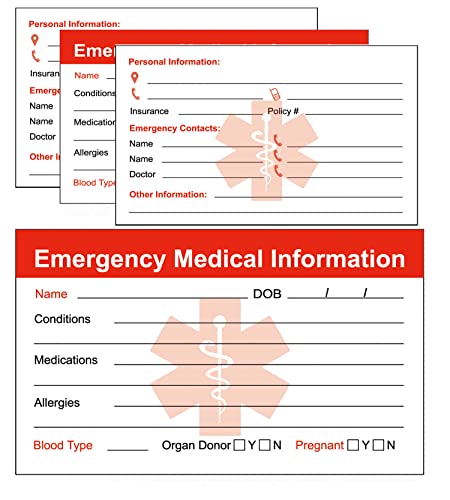
- A printed emergency contact list with medication information
- A manual can opener — often overlooked, always essential during extended outages
- A power bank charger — phones need to stay charged during long outages, and the kitchen is where most people naturally plug in
Redundancy Isn’t Overkill — It’s the Whole Point
Having a flashlight in the bedroom and the kitchen isn’t excessive. It eliminates the need to travel between rooms in the dark, which is exactly the kind of unnecessary movement that leads to falls.
A compact solar rechargeable flashlight and a reliable power bank are the two items that make this station genuinely functional during an extended outage — not just a drawer with good intentions.



Keep It Usable
The fastest way to ruin a kitchen emergency drawer is to let it become a junk drawer. Keep emergency items in a small labeled zip pouch or bag inside the drawer — everything grouped, easy to grab, impossible to miss.
Ready to get more practical tips like these delivered to your inbox? Subscribe to our newsletter for expert-tested advice and product recommendations designed specifically for older adults and the families who care for them.
The Living Room, Bathroom, and Car — Three Spots Most People Skip




Living Room: The Daytime Hub
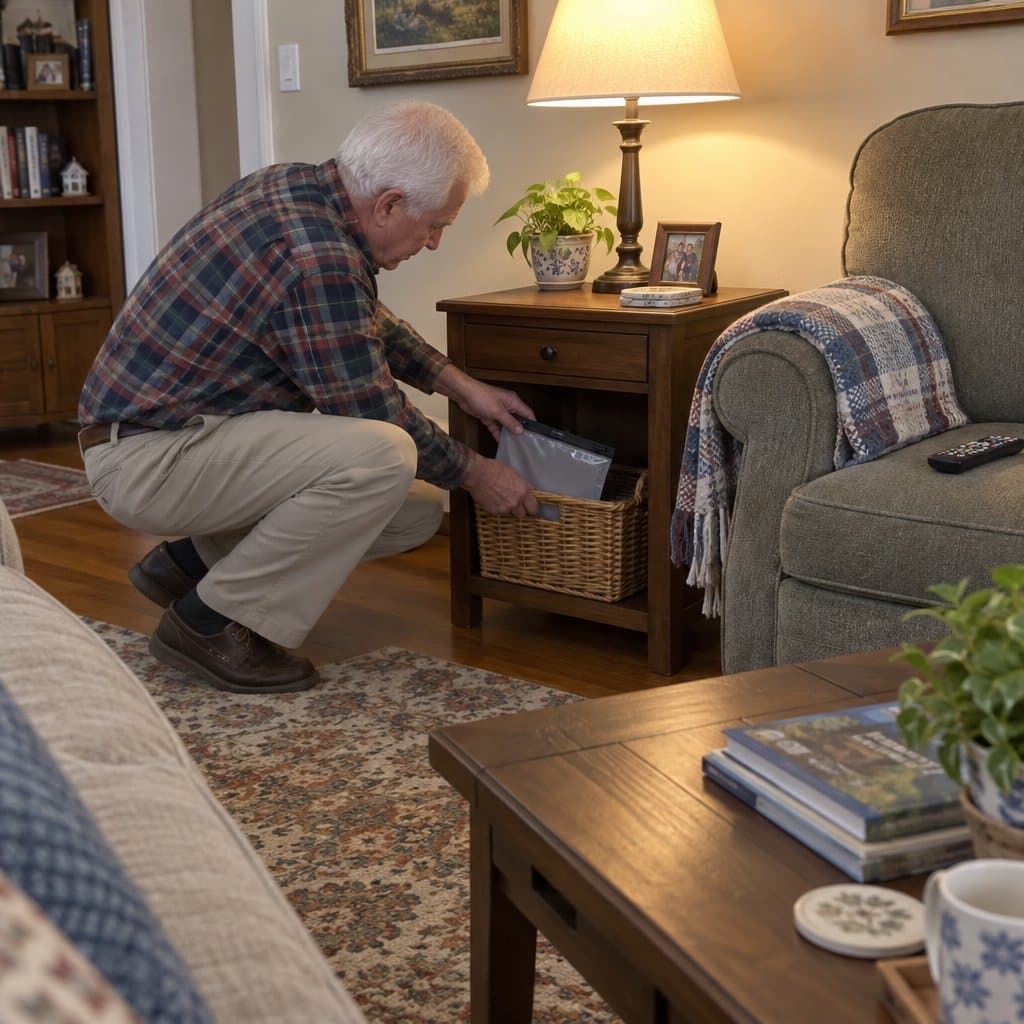
Older adults spend more time in the living room than anywhere else in the house. This is the right place for an emergency weather radio — a dedicated device that delivers alerts without requiring your parent to find their phone or navigate an app.
An emergency weather radio with automatic alerts means your parent hears storm warnings the moment they’re issued, even if the power is out, even if the phone is charging in another room.


Keep a waterproof document bag nearby — stored in a drawer or basket within easy reach — with copies of insurance cards, emergency contacts, and the medication list. This is the document bag that goes with your parent if they ever need to leave the house quickly.





Bathroom: Low and Reachable
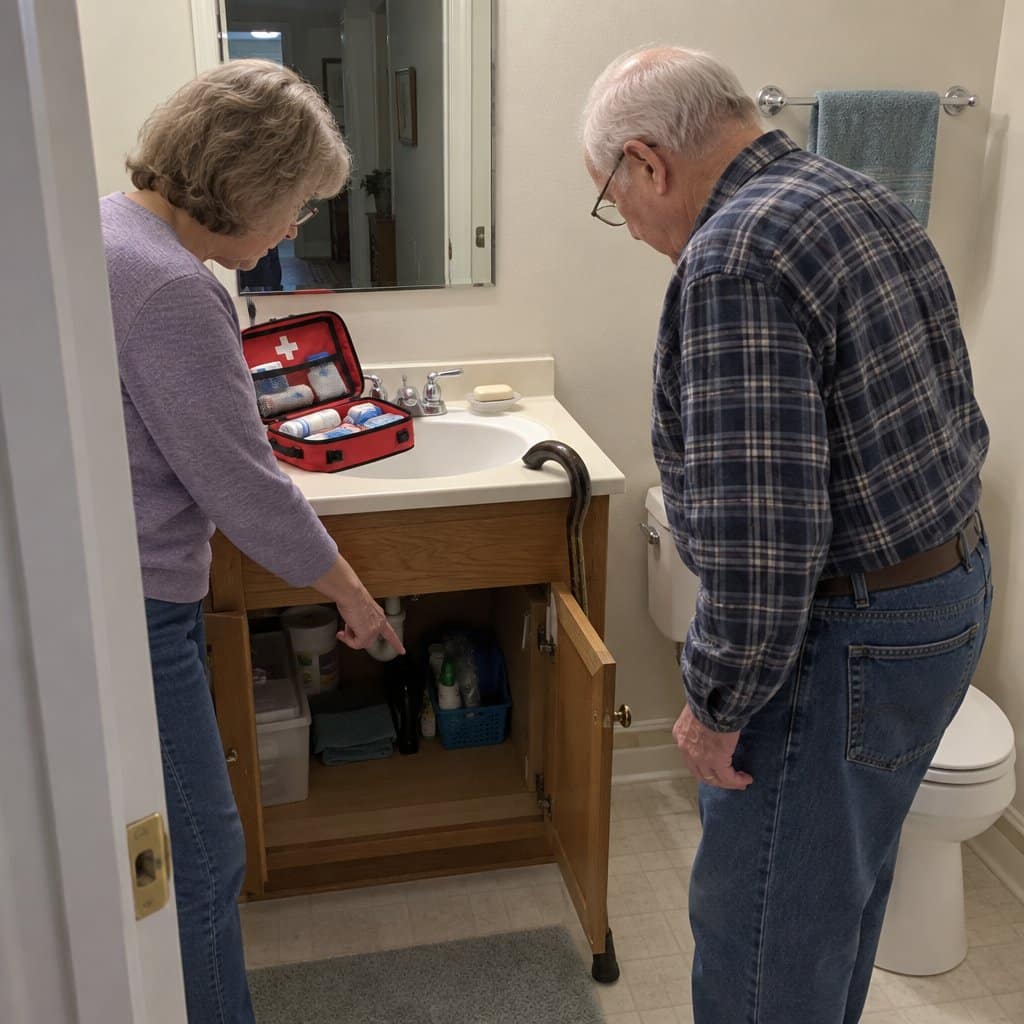
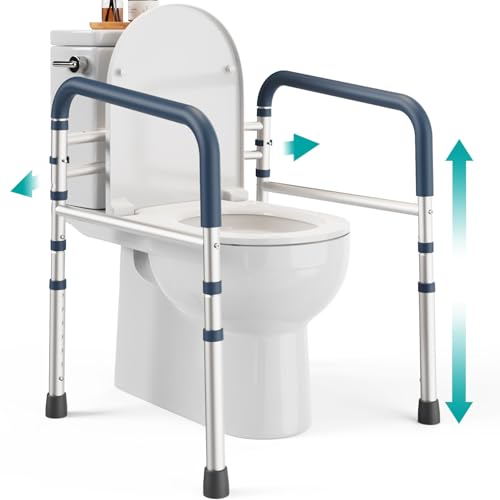
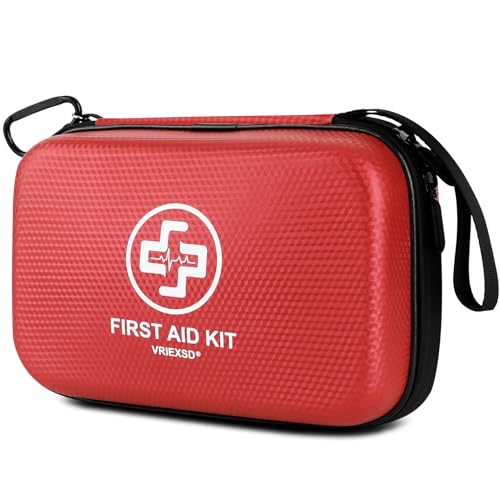
Bathroom cabinets above the toilet are among the worst places to store anything a person might need urgently. A basic first-aid kit belongs at or below counter height — inside a lower cabinet door or in a basket on a low shelf.
I also recommend taping a copy of your parent’s medication list to the inside of a bathroom cabinet door. If emergency responders ever enter the home, that’s one of the first places they look — and it could make a meaningful difference in the care your parent receives.




Car: Don’t Forget the Glove Box
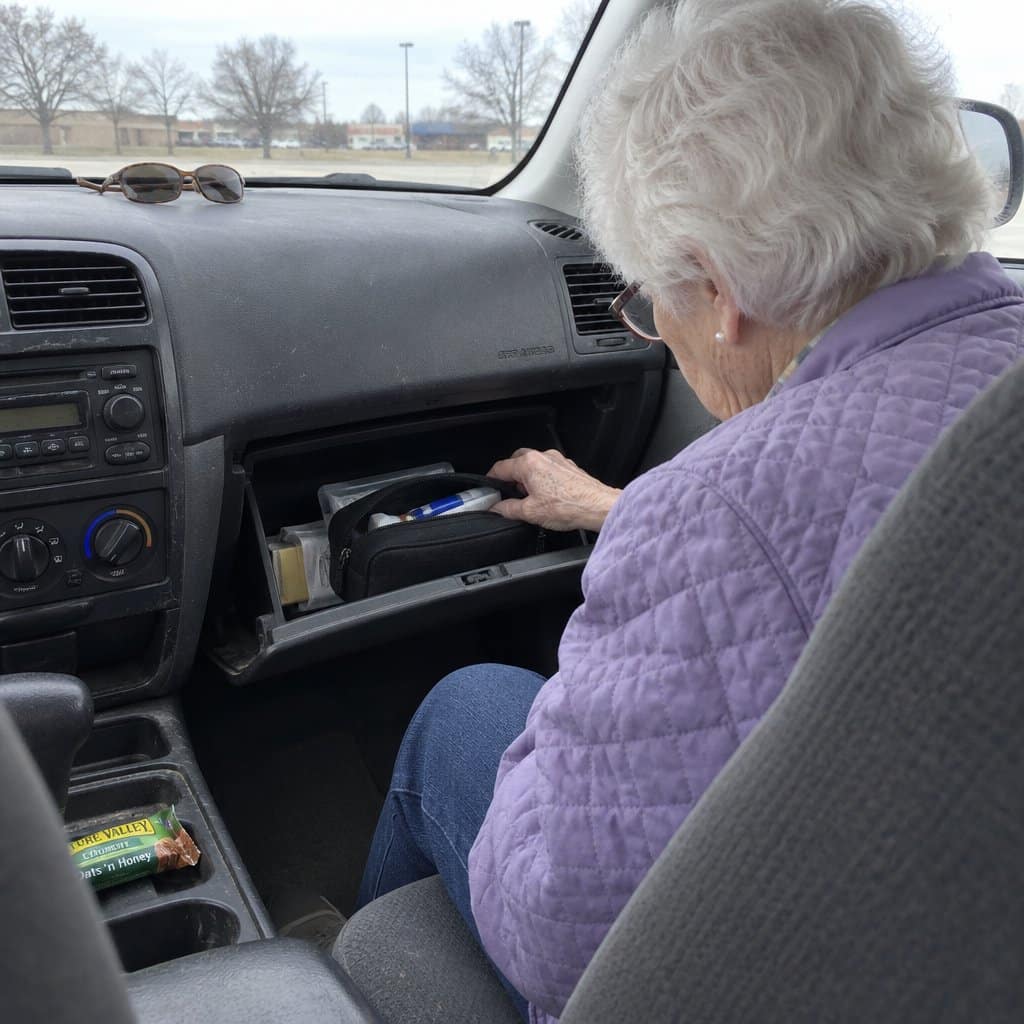
A compact emergency kit in the glove compartment or back seat — not the trunk — covers the scenarios that happen away from home. After an accident, the trunk is often inaccessible. The glove box is always reachable from the driver’s seat.
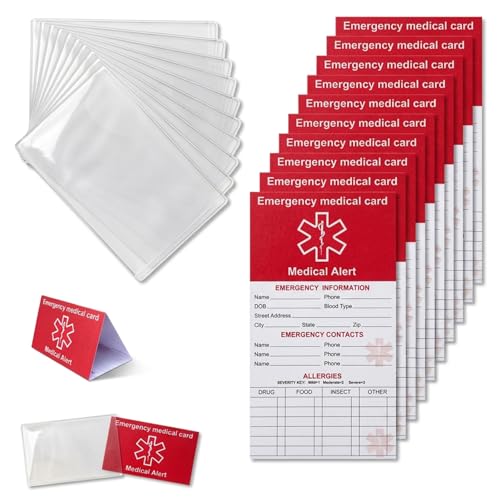
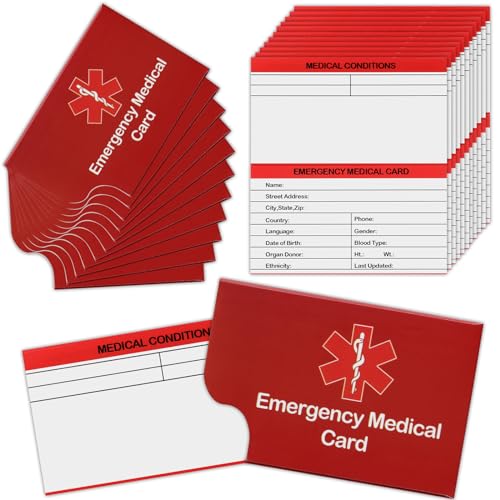
The most important item for the car isn’t in the kit at all — it’s a medical ID wallet card that travels with your parent in their purse or wallet every single day. If your parent is ever unable to communicate during a medical event, that card tells responders exactly what they need to know.




These three spots take fewer than thirty minutes to set up and cover emergencies that a bedroom kit never will. That’s a strong return on a short afternoon.
How to Make Sure It All Stays Ready — Without Becoming a Second Job






The Two Reasons Emergency Kits Fail Over Time
In my experience, emergency kits don’t fail because people buy the wrong things. They fail because batteries die quietly and locations get forgotten. A system that requires monthly upkeep is a system that eventually stops working.
Solar Flashlights Solve the Battery Problem for Good
Placing solar rechargeable flashlights at the bedside and in the kitchen drawer removes the single biggest maintenance burden from this entire setup. No replacement schedule. No dead batteries. A few minutes twice a year is all the upkeep the rest of the system needs.
The Twice-Yearly Check
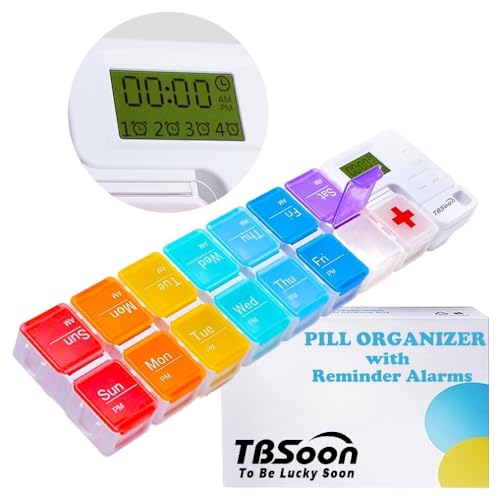
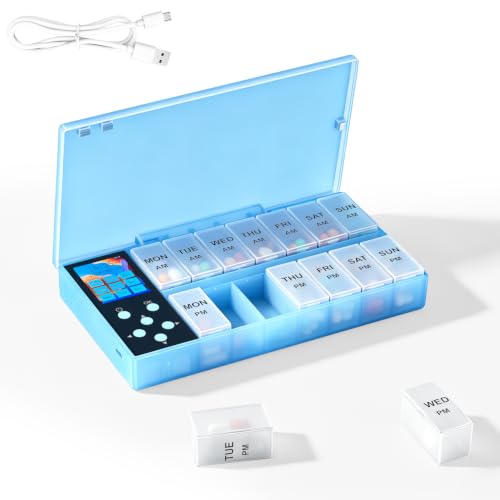
Daylight saving time changes are the natural reminder — twice a year, when you change the clocks, take ten minutes to walk through each station. Check that the power bank holds a charge, confirm the first-aid kit is stocked, and make sure nothing has been moved or used without being replaced.
The Walk-Through Conversation
Before you leave after setting this up, walk your parent through each location. Show them what’s where. Let them open the drawer, pull out the flashlight, and hold the weather radio. This builds confidence and removes hesitation in a real crisis — your parent won’t be trying to remember in the dark what you told them six months ago.
If your parent works with a professional caregiver, loop that person in too. They should know every station as well as your parent does.
The Emergency Location Guide
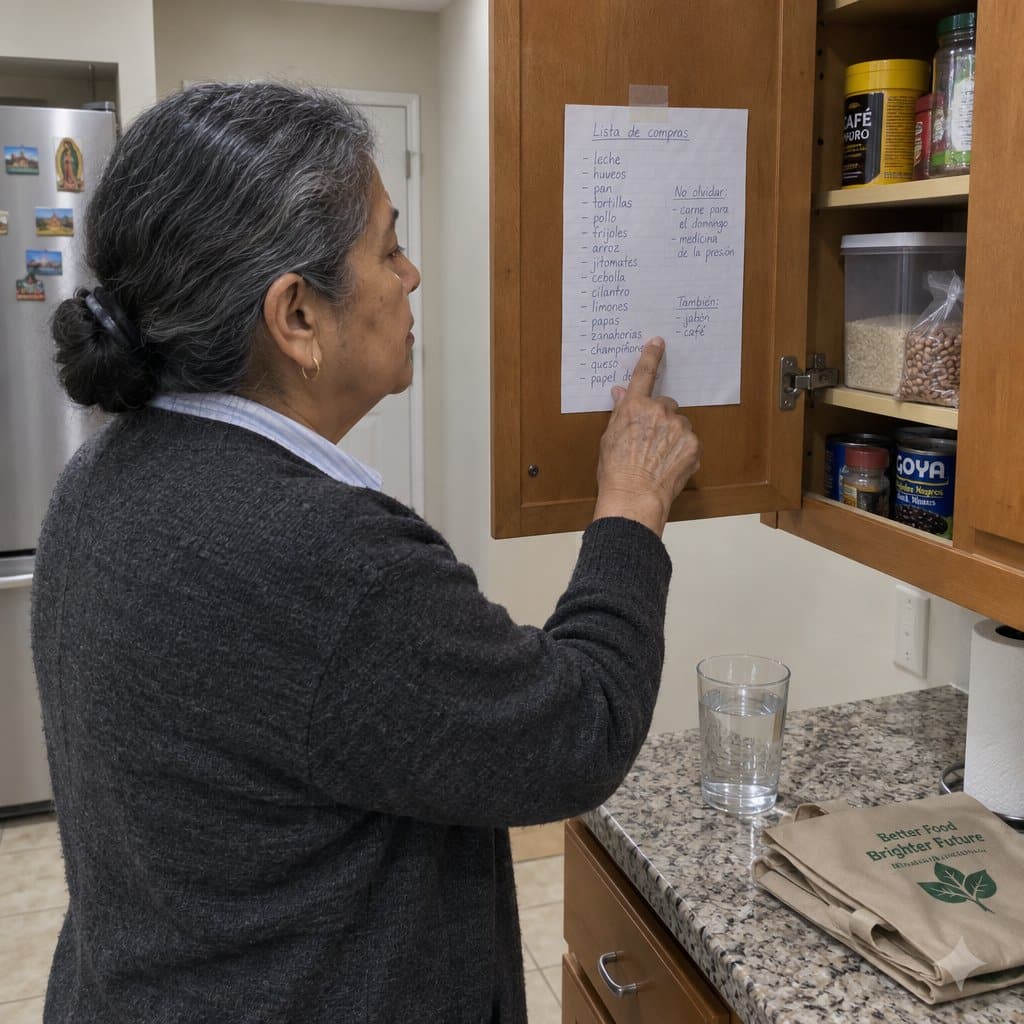
Consider creating a simple one-page document — handwritten or printed — that lists what’s in each room and exactly where. Post it inside a kitchen cabinet door where it’s visible but not intrusive. This backup keeps the system working even when memory doesn’t cooperate.
For more ideas on making your parent’s home safer and more navigable, the fall prevention checklist I put together covers room-by-room hazard reduction in the same practical format. And if your parent is spending more time alone, the guide to must-have products for older adults living independently pairs well with everything here.
Parent’s Emergency Kit Room-by-Room Checklist
Download our free room-by-room emergency kit checklist and ensure your parent has life-saving supplies within arm’s reach at 2 a.m.—no more inaccessible boxes in basements or high shelves.
You Don’t Have to Do This All at Once
Start With One Room
The room-by-room framework works because it’s modular. You don’t have to set up all five stations on a single visit. Start with the bedroom — it’s the highest priority and the easiest to complete in under thirty minutes.
A flashlight on the nightstand, a printed medication list in the drawer, and a charged phone within arm’s reach already puts your parent in a dramatically better position than a kit in the basement ever could.
Location Is the Overlooked Variable
Most emergency preparedness content focuses on what to buy. The actual gap for older adults living independently is where to put it. Supplies stored out of reach are the same as no supplies at all — and a room-by-room approach is the only system that reliably closes that gap.
Setting this up is one of the most practical things you can do for a parent’s safety and independence. It doesn’t require a big investment or a weekend-long project. A few targeted stations, stocked with the right items and placed where your parent actually lives, can make all the difference between a manageable situation and a dangerous one.
If you’re also thinking about how technology can add another layer of safety, medical alert watches and GPS trackers designed for older adults work alongside a physical emergency kit to give both you and your parent an extra measure of confidence. And for the bathroom specifically, pairing your supply station with the right safety products and shower safety habits covers the full picture.
Start with the bedroom tonight. Then come back and tell me in the comments — what did you set up first, and what do you wish you’d put in place sooner? Your experience might be exactly what another reader needs to hear.