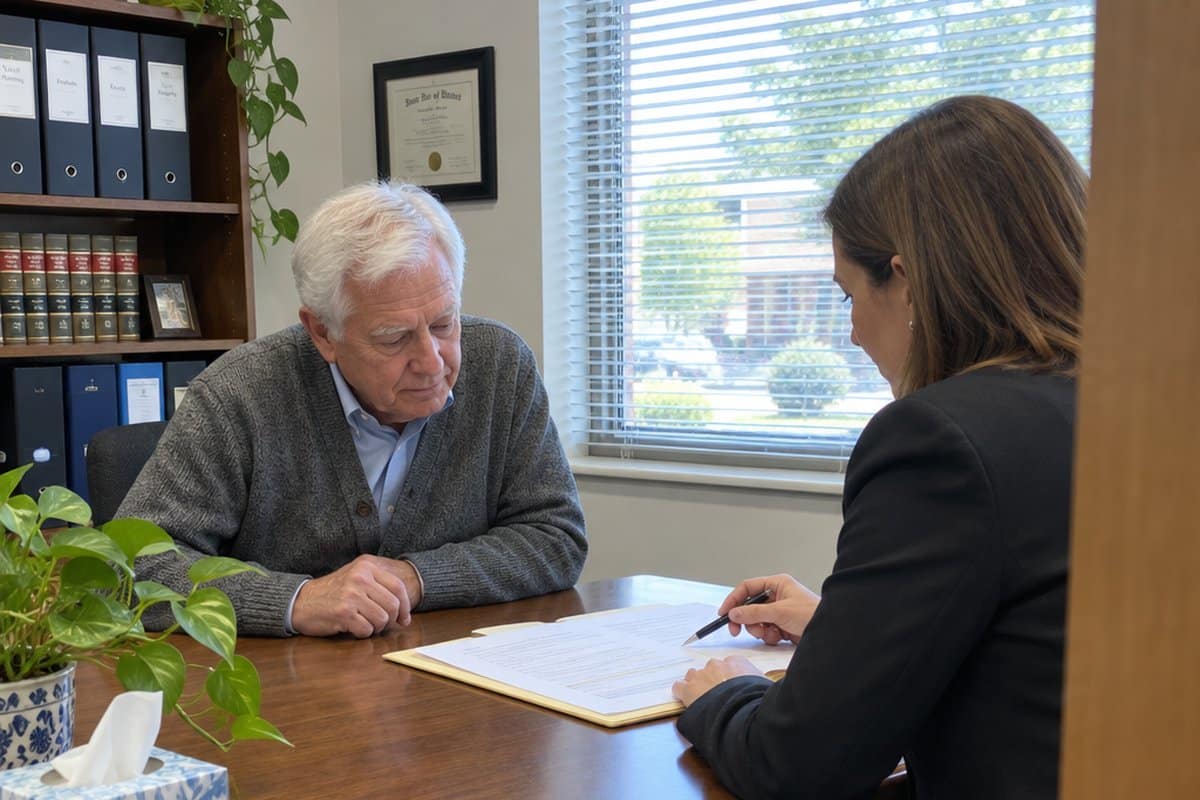
Picture a phone call from a hospital social worker. Your mother has had a fall, and someone asks who has the legal authority to make decisions now.
Many families meet an elder law attorney for the first time in exactly that moment. It doesn’t have to go that way.
Here’s what I want a family to know before they make the call: what this specialty covers, when to reach out, and how to walk in prepared. Knowing how it differs from the lawyer who wrote your own will can turn a scramble into a plan.

Elder Law Attorney First Call Checklist
Download this step-by-step checklist to walk into your first elder law attorney call fully prepared—so you ask the right questions, gather the right documents, and protect your parent’s wishes without confusion or delays.
What an Elder Law Attorney Actually Does
So, what does an elder law attorney do? They focus on the legal issues older adults and their families face. That’s a narrower and more practical job than it sounds.
The Five Areas Most Families Run Into
- Powers of attorney: These let someone you trust handle finances or health decisions if your parent can’t. If you’re wondering how to get power of attorney for a parent, this is where an attorney helps.
- Wills and trusts: These spell out who receives what, and how.
- Medicaid and long-term care planning: This is about how a family prepares for the cost of care. Medicaid long-term care planning is a big reason the specialty exists.
- Guardianship: This is a court process for when no one has authority and a parent can no longer make decisions. An attorney can explain how to get guardianship of a parent, and whether a lighter option might work first.
- Elder abuse matters: These cover protecting a parent from financial or physical harm.
How This Differs From an Estate Planning Attorney
An estate planning attorney is a good professional, and estate planning is one piece of the picture. Elder law adds long-term care, benefits, and decision-making when someone’s capacity changes.
Medicaid and long-term care rules vary by state and change often. That is one reason a specialist matters.
Hiring one isn’t overkill. It’s matching the right professional to the problem.
Try this: Jot down which of the five areas feels most urgent for your family. That’s your starting point.
The Moments to Call
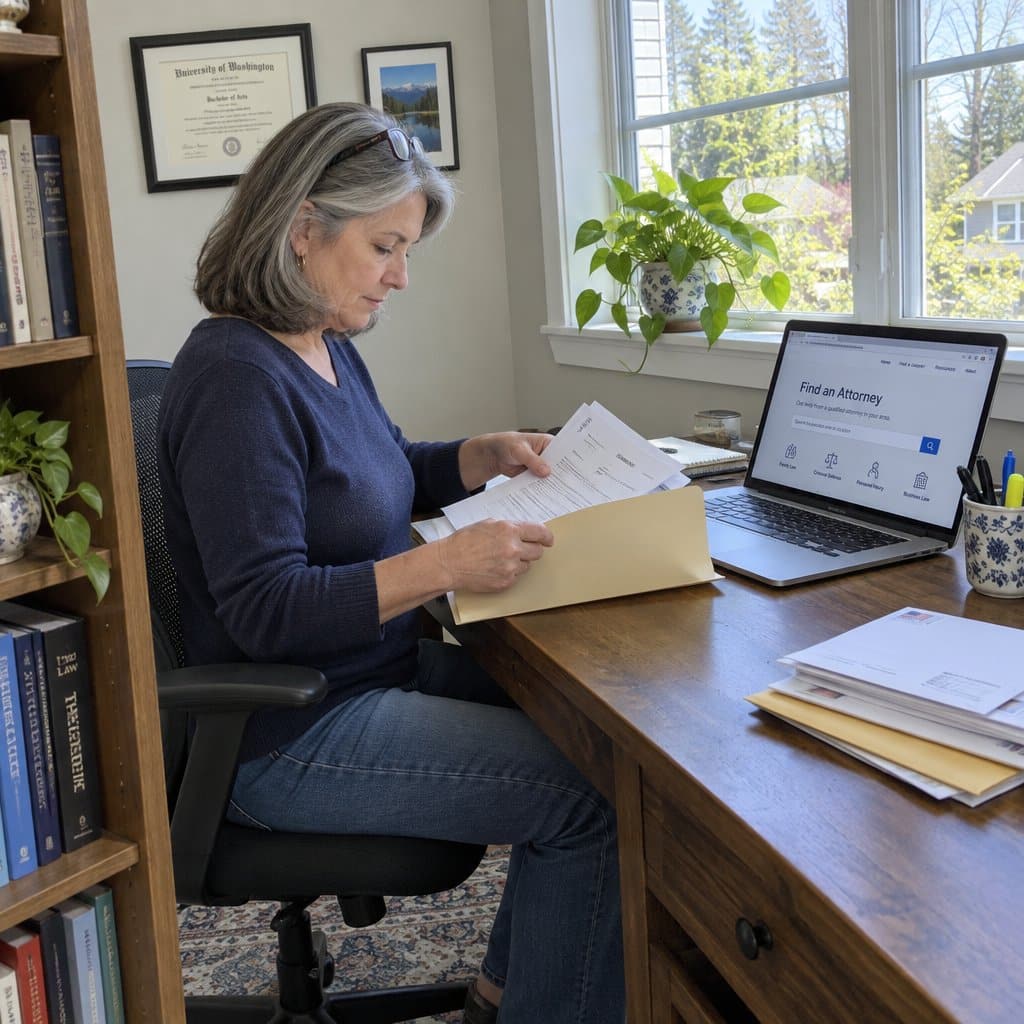
People often ask me when to hire an elder law attorney. Three moments stand out, and earlier is almost always easier than later.
After a Dementia Diagnosis
If your parent was diagnosed with dementia, legal steps move to the top of the list. Planning goes more smoothly while your parent can still take part in decisions. Whether they can sign documents is the attorney’s call, not mine or yours.
If your family is still adjusting to the news, How Caregivers Tackle Dementia Denial with Compassion may help you start the conversation gently.
Before a Move to Assisted Living or a Nursing Home
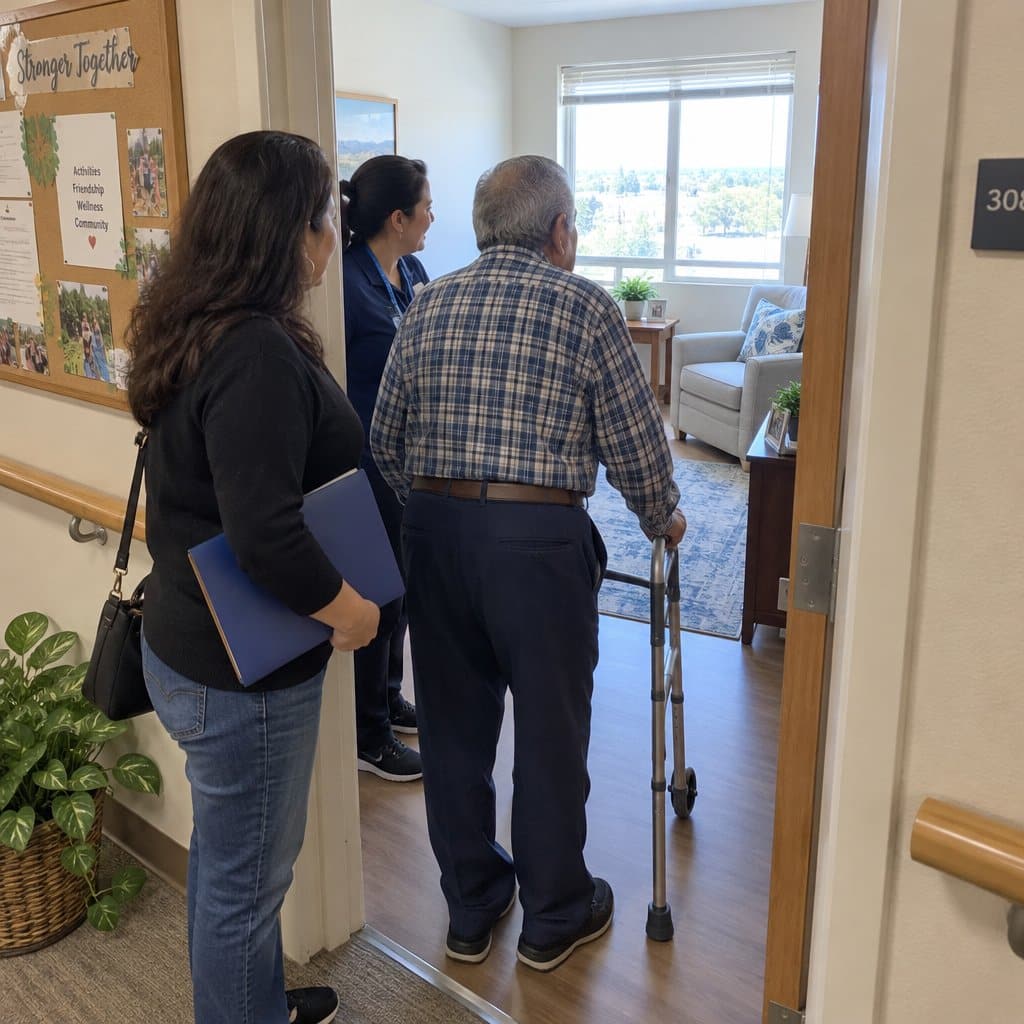
Contracts, payment planning, and benefits questions come up early. Getting legal steps in place before an assisted living move gives you time to ask questions instead of reacting.
Many families wonder how to pay for a nursing home without losing everything. The answer depends on your state’s rules and an attorney’s guidance, so please don’t rely on a rule of thumb from a friend. It also helps to read about the fine print in retirement community contracts before anyone signs.
After a Hospital Stay
Discharge planning forces quick care decisions. That’s often when families discover the paperwork they thought existed doesn’t.
If You Suspect Abuse or Exploitation
Call promptly. If your parent is in immediate danger, call 911 first.
Then contact an attorney and your local adult protective services. If you’re asking how to protect a parent from elder abuse legally, those two calls are the place to begin.
Our guide on what to do when a sibling is taking advantage of a parent covers the warning signs.
Raising It With Your Parent
This is a hard conversation, and many families put it off. Try something like: “I want to make sure your wishes are the ones that get followed.”
Calling early is care, not control. For more on easing into it, see The Conversation Nobody Wants to Have.
Which of these three moments is closest to your family right now?

How to Find an Elder Law Attorney
You don’t have to guess. A few official starting points will narrow the search quickly.
- The NAELA directory: The National Academy of Elder Law Attorneys lists specialists you can search by location.
- Your state bar’s lawyer referral service: It’s a common route to a local attorney. Ask whether the lawyer they refer you to focuses on elder law.
- Your local Area Agency on Aging: This is a good place to ask how to find a lawyer through the Area Agency on Aging, plus local resources.
- Legal aid: Legal aid for low-income seniors exists in many areas. Eligibility rules vary, and your local legal aid office can explain them.
Programs change, so check each official website for current details.
Your step this week: Pick one of the four and make one search or one phone call.
Questions to Ask an Elder Law Attorney on the First Call
A short list saves time and helps you spot a good fit. A good attorney welcomes these questions. If one brushes them off, that tells you something.
The Three That Matter Most
- Flat fee or hourly? Ask how fees work and what’s included. People often ask how much an elder law attorney costs. It varies by lawyer and location, so ask for the fee structure up front.
- Do you have Medicaid experience in my state? Medicaid rules differ from state to state, so local experience counts.
- Who is the client? Here’s something I want families to understand. The attorney’s client is usually your parent, not the adult child who made the call. That protects your parent’s wishes, and a good attorney will explain how it works. It’s not legal advice, just something worth knowing going in.
Your First Call Checklist
- How are fees structured, and what’s included?
- Do you have Medicaid experience in my state?
- Who is the client in this case?
- How long does the process usually take?
- Who in the office will I work with?
- What will you need from us?
Save or screenshot this list before you dial.

What to Bring and Free or Low-Cost Options


Being organized isn’t about having it all figured out. It’s about making the first hour count.
What to Bring to an Elder Law Attorney Meeting
- Existing legal documents, such as wills, powers of attorney, and trusts
- A list of your parent’s accounts and income sources
- Insurance, Medicare, and Medicaid information
- A list of medications and health conditions
- Your questions and your family’s main worries
Your parent should attend if able. The attorney will tell you if anything else is needed.
Free and Low-Cost Help
Cost doesn’t have to block a family from help. Pro bono lawyers for seniors and other free legal help for seniors exist in many places. I walk through five sources in Pro Bono Lawyers for Senior Citizens (5 Free Resources). Your Area Agency on Aging and local legal aid office can also point you toward options.
One downside to know about: free and low-cost services may have waitlists or eligibility limits. Start early.
Your step this week: Gather three documents, even if the rest isn’t ready.

Elder Law Attorney First Call Checklist
Download this step-by-step checklist to walk into your first elder law attorney call fully prepared—so you ask the right questions, gather the right documents, and protect your parent’s wishes without confusion or delays.
Your Next Step
You know what an elder law attorney does, when to call, where to find one, what to ask, and what to bring. If you’re also weighing a care move, our 9-question assisted living checklist is a good companion.
Doing this early protects your parent’s wishes and gives the whole family peace of mind. I know how much caregivers carry. Small step, big relief, and one step is enough for today.
I’m a Certified Senior Advisor, not an attorney or benefits counselor. This is general information, and rules vary by state and change every year. An attorney can speak to your family’s situation, and the official state agency or your attorney can confirm current benefit rules and limits.
What’s the one legal question your family has been putting off? Share it in the comments, and send this to a sibling or friend who is caring for a parent.