
If you want the short list, these are my top shoe picks for swollen feet, and you’ll find the details on each one further down.

When your feet swell, your usual shoes can get too tight to even slip on. This article is about shoes that make that easier.
They open wide, with hook-and-loop straps or a fold-down tongue, so a swollen foot goes in without a fight. You can loosen the fit on a puffier day.
You will find shoes for women and for men, plus a buying guide and a few tips for wearing them.
Best Shoes for Swollen Feet: Orthofeet Shoes


Orthofeet’s Bismarck/Wichita Black Stretchable Shoes are an excellent choice for seniors dealing with painful swollen feet due to their comfort, easy-to-wear design, and accommodating features.
These stretchable shoes by OrthoFeet are specifically designed to provide comfort and support for those with difficult to fit feet and foot conditions such as plantar fasciitis and bunions.
As a senior dealing with painful swollen feet, finding shoes that cater to your needs can be a struggle. The stretchable upper of these shoes eliminates pressure on bunions and hammertoes, while the extra depth design and foam padding provide a non-binding fit for added comfort.
These shoes not only offer the support your feet need, but they also come with a variety of features to make them easy to wear.
The slip-on design with adjustable straps allows for a customizable fit, ensuring the shoes stay securely on your feet without causing any discomfort.
Additionally, the extra depth and removable orthotic insoles provide added cushioning and support, which is essential for seniors dealing with foot pain or conditions.
The Ortho-Cushion System, featuring premium orthotic insoles and ergonomic cushioning soles, further enhances comfort and support.
As a senior, you may appreciate the anatomical arch support that helps to control overpronation and the mild rocker design that propels your foot forward, reducing stress on your joints.
This can be especially helpful for those with arthritis or other joint issues commonly experienced by seniors.
OrthoFeet offers a 60-day wear test for their shoes and insoles, allowing you to try the Bismarck/Wichita Black Stretchable Shoes and experience the benefits firsthand.
Many customers have reported pain relief and improved mobility after wearing OrthoFeet shoes, making them a worthwhile investment for seniors dealing with foot pain or conditions.
The Bismarck/Wichita Black Stretchable Shoes by OrthoFeet are ideal for seniors struggling with painfully swollen feet.
With their accommodating and supportive design, as well as their easy-to-wear features, these shoes provide the comfort and relief you need to stay active and enjoy your daily activities. Don’t let foot pain hold you back – give these shoes a try and experience the difference they can make in your life.
Reviews: Shoes for Women with Swollen Feet
Explore our carefully curated selection of the best shoes designed to provide maximum comfort and support for your swollen feet.
JOINFREE Wide Diabetic Walking Shoes

If your regular shoes won’t go on over swollen feet, the opening is what matters most. The JOINFREE Diabetic Wide Walking Shoes have a dual hook-and-loop adjustable upper that opens wide, so a swollen foot can slide in without a fight.
Once your foot is in, you fasten the straps to match how much swelling you have that day. That matters because swelling often changes from morning to evening. The upper is meant to give a secure fit without tight pressure, and it suits high insteps and sensitive feet too.
The toe box is wide, so your toes have room to spread out. That helps take pressure off bunions and hammertoes as well as swelling. The shoe is also made with diabetic feet in mind.
The sole is zero drop, which means the heel and the front of the foot sit at the same level. It’s rubber, and it’s non-slip. The upper is breathable, and the shoe works indoors or out.
Now the trade-offs. If your feet carry extra swelling, or you just like a roomy fit, the maker suggests going up one size. A zero drop sole can also feel different if you’re used to a cushioned, raised heel, so it may take a few days to get used to. If you have diabetes with numbness in your feet, I’d lean toward one of the cushioned picks below instead.
These are plain walking shoes, built for easy entry and room. If you want a dressier look, this isn’t that.
GudaFoot Women’s Diabetic Shoes

The GudaFoot Women’s Diabetic Shoe is built around how it opens. The upper opens up easily, so a swollen foot can slide in without being squeezed through a narrow gap.
The vamp (the top part over your toes and instep) adjusts to the width you need. You can loosen it on a puffy day and snug it back up when the swelling goes down.
It is made for edema and foot swelling, and it is also meant for bunions, plantar fasciitis and diabetes-related foot concerns. It comes in a wide width.
The upper is a soft, breathable knitted mesh, which helps keep your feet dry and comfortable. Inside, memory sponge insoles add cushioning, and the insole has arch support.
The trade-off is that an adjustable top takes a little handling each time you put the shoe on. If your hands or fingers give you trouble, check that you can work it before you count on it every day. Anyone who wants a shoe with laces and a more traditional look may also prefer something else.
Propét Pedic Walker Strap Sandals
For warm weather, the Propét Pedic Walker is an open-toe sandal with two adjustable hook-and-loop straps and a closed, padded heel.
The straps let you loosen the fit when your feet are puffy and snug it back up when the swelling goes down. The open toe gives toes and bunions room.
The insole comes out, so you can use your own orthotic, and an internal heel counter helps hold your heel steady.
The trade-offs: an open toe leaves your toes unprotected, so it isn’t my pick if you have numbness in your feet and might not feel a stubbed toe. It’s also a warm-weather shoe, and a wide size can feel roomy on a narrower foot even with the straps pulled tight.
Silverts Women’s Adaptive Comfort Shoes

The Silverts Women’s Adaptive Comfort Shoes are built around how they open. They have a wide-opening hook-and-loop strap and a heel loop, so a swollen foot can slide in without being squeezed through a narrow gap.
The heel loop gives you something to hold while you pull the shoe on or take it off. It also helps if a caregiver is lending a hand with dressing.
For fit, there is a removable insole and spacer. Taking them out or leaving them in lets you adjust the width from regular to extra wide, which helps when swelling changes over time.
The strap is adjustable, so you can loosen it when your feet are puffy and snug it up when they are not. That makes it a good match for swelling that shifts from morning to evening.
The design is lightweight and breathable, with a supportive outsole for comfort. The rubber outsole grips indoor and outdoor surfaces. These shoes are made for edema, diabetes, bunions, and sensitive feet.
The trade-off is sizing. These shoes run large, so if you are between sizes or like a snugger fit, size down. If you plan to use the spacer for extra width, think that through before you order.
They also fasten with a strap, so they are not a pull-on slip-on. If you want a shoe with no closure to deal with at all, this is not it.
FitVille Women's EasyTop Wings Wide Shoes

The FitVille EasyTop Wings V2 opens up with a wide hook-and-loop strap, so a swollen foot goes in without forcing it. Then you fasten it to the fit you need that day.
The toe box is extra wide and the instep is high, which leaves room for swelling, bunions and hammertoes as your feet change through the day.
Inside, the lining is seamless, so no stitching rubs on sensitive skin. That matters if you have neuropathy and might not feel a rough spot. Soft foam padding and a cushioned EVA sole take some of the jolt out of each step, and the bottom has a slip-resistant pattern for smooth floors and outdoor surfaces.
The trade-off: it’s a light shoe from a newer brand, so it won’t feel as firm as a leather walking shoe. If you need firm heel support for balance, I’d look at the Orthofeet or Propét picks too.
Orthofeet Florence Women's Waterproof Strap Boots

Most shoes for swollen feet are made for fair weather. The Orthofeet Florence is a winter boot that still opens wide: two hook-and-loop straps open up for an easy way in, and you can adjust them as your feet change during the day.
The leather upper is waterproof, so rain, slush and snow stay out. Wet socks on swollen feet are no fun, and dry skin holds up better than damp skin.
Inside is Orthofeet’s orthotic insole with arch support and layers of cushioning. The toe box is wide, and Orthofeet says the boot fits true to size.
The trade-off is simply that it’s a boot. It’s more than you need on a warm day, so think of it as your cold-weather pair next to a lighter everyday shoe.
For milder swelling: the next shoe closes with straps, but it doesn’t open wide. Your foot still goes in through a regular opening, so it’s a good everyday pick when the swelling is mild, not when your feet won’t fit into your usual shoes.
New Balance Women’s 577 V1 Walking Shoe

If your feet swell, a shoe that adjusts through the day matters. The New Balance Women’s 577 V1 Hook and Loop Walking Shoe is built around that idea.
It closes with hook and loop straps instead of laces. You can loosen them when your feet are puffier and tighten them when the swelling goes down. It also means no bending down to tie anything.
The upper is leather. It cushions the heel with Abzorb, which is New Balance’s shock-absorbing material, so each step lands a little softer. The midsole is polyurethane, meant to give stable cushioning underfoot.
There are reflective accents on the shoe that catch the light. That is a small plus if you walk in the early morning or evening.
The style is approved under Medicare’s diabetic shoe benefit (code A5500). That benefit is for people with diabetes who have their doctor’s certification, and the shoes have to come from a Medicare supplier who fits them. If you buy them online, plan on paying for them yourself, and ask your doctor whether you might qualify.
As for the downside, this is a regular walking shoe and not a medical one. If you need a lot of arch support or a custom insole, you may need to add an insert or look at other styles.
For an everyday shoe that is easy to put on and adjusts as your feet change, it is a sensible one to consider.
Reviews: Shoes for Senior Men with Swollen Feet
Explore our curated list of the best shoes specifically designed to provide comfort, support, and ease for senior men with swollen feet.
MEJORMEN Men's Extra Wide Strap Shoes

The MEJORMEN Men’s Extra Wide Diabetic Shoes are made for feet that swell. The straps open up and adjust to the width of your foot, so you can let them out on a puffy day and snug them on a better one.
They come with three pairs of insoles: one with arch support, plus a 3 mm and a 5 mm pair. The thin pairs work as spacers. Leave one in on days your feet are smaller, and take it out when they swell.
The main insole is cushioned memory foam. The forefoot sits slightly lower, the middle supports the arch, and the heel is cushioned for heel pain.
The upper is a stretch mesh with a smooth lining, and the rubber sole has a slip-resistant tread.
The trade-off: this is a light mesh sneaker from a lesser-known brand, so it won’t feel as firm as a leather shoe. If you want more heel support for balance, look at the Orthofeet Alamo or the Propét Life Walker below.
Orthofeet Alamo Men’s Strap Sneakers

If swollen feet make it hard to get into your shoes, the Orthofeet Alamo Orthopedic Men’s Walking Sneakers open up wider than most.
They close with two hook-and-loop straps and a fold-down tongue. Undo the straps, fold the tongue down, and the shoe opens wide, so a swollen foot has a clear path in.
Once your foot is in, you pull the straps to whatever snugness you want. That matters if your swelling is bigger in the evening than in the morning, because you can loosen them as the day goes on.
The toe box is wide and the shoe has extra depth, which leaves room for swelling or for an orthotic. The leather upper wipes clean, and the shoe comes with an orthotic insole with arch support and layered cushioning.
Orthofeet describes the fit as true to size. They also list it for plantar fasciitis, bunions, flat feet, heel pain and diabetes-related foot concerns.
The trade-off is that leather does not stretch the way a knit slip-on does. And two straps take a little hand strength and finger movement to fasten, so if gripping is hard for you, try them before relying on them.
These suit men who want a shoe that opens wide, adjusts as their feet change through the day, and has room for the toes.
Propét Life Walker Diabetic Shoe

If you need comfortable and easy-to-wear shoes for your swollen feet, Propét Men’s LifeWalker Strap Walking Shoes are a great choice.
The moment you put on these shoes, you’ll notice the difference. The 100% leather upper provides breathability to ensure your feet stay cool and comfortable. The easy-to-use hook-and-loop closure allows for quick adjustments and ensures a snug fit.
One of the standout features of these shoes is the padded collar, tongue, and removable cushioned orthotic. These provide a cushiony walking experience and help alleviate any discomfort from swollen feet.
The EVA midsole and durable arch support provide stability, making these a perfect companion for your daily walks.
The leather may feel stiff the first few times you wear them, so break them in around the house before a long walk.
Also, though they are not ideal for cold weather, their comfortable and supportive design makes them a valuable addition to your shoe collection.
LongBay Memory Foam Diabetic Slippers
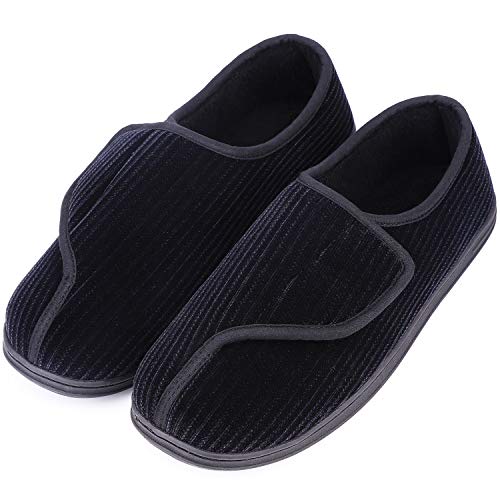
If you’re a man looking for a house shoe that makes room for swollen feet, the LongBay Men’s Memory Foam Diabetic Slippers are worth a look. They’re made with swelling, edema, and arthritis in mind.
The upper is soft velvet or corduroy cloth, lined with fuzzy coral fleece. A flap closure with a hook-and-loop strap lets you loosen or tighten the fit, which helps when your feet are bigger some days than others.
The insole is high density 80D memory foam with EVA, and it’s shaped to support the arch. That can ease the soreness some people get from plantar fasciitis after a long day on their feet.
The rubber sole is made for non-skid traction, which helps on a smooth kitchen floor. Keep them for around the house, though. For walks and errands, a shoe with a firm, closed heel is the safer choice.
Two things to know. The maker suggests ordering one size up, especially if you’re between sizes, so plan for that. The plush fleece lining is also built for warmth, so these may feel too hot if your feet run warm or you wear slippers in summer.
For milder swelling: these last three close with straps, but they don’t open wide. Your foot still goes in through a regular opening, so they’re good everyday picks when the swelling is mild, not when your feet won’t fit into your usual shoes.
New Balance Men’s 577 V1 Walking Shoe
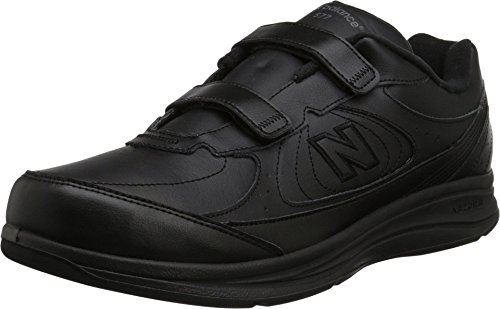
If you are looking for shoes that provide exceptional comfort and support for your swollen feet, the New Balance Men’s 577 V1 Hook and Loop Walking Shoes are the perfect choice.
As a senior man with swollen feet, you’ll appreciate the 100% leather material of the New Balance Men’s 577 V1 shoes. This construction not only provides durability but also ensures a comfortable and snug fit.
The hook and loop closure system is designed for ease of use, making it simple to put on and take off these shoes without any hassle.
The Abzorb cushioning technology in the heel delivers remarkable shock absorption, which is essential for long walks or extended periods of standing. With each step, your feet will feel supported and secure, reducing strain and foot fatigue.
The reflective accents on these shoes also serve as an added safety feature, helping you stay visible during evening strolls.
Despite their numerous benefits, these shoes do have a few drawbacks. The Velcro straps may be too short for some users, making it challenging to secure the shoes snugly. That matters most on a swollen instep, so try them when your feet are at their biggest. There may be a squeaking sound during the initial break-in period.
However, this issue typically resolves as the shoes adapt to your feet. Lastly, the price can vary due to high demand, so be sure to keep an eye out for the best deals to snag a pair at the most reasonable price.
Dr. Scholl’s Brisk Dual Strap Sneaker

Dr. Scholl’s Men’s Brisk Light Weight Dual Strap Sneakers offer excellent comfort and support, making them a great choice for senior men with swollen feet.
These sneakers feature Air-Pillo gel insoles, giving your feet the comfort they deserve. The padded cushions will help reduce pressure on your swollen feet, allowing you to move around without discomfort.
With mesh and faux leather material, you can trust that your feet will remain fresh throughout the day.
One feature that older users may appreciate is the dual strap closures. These straps make it effortless and quick to secure the shoes, eliminating the need to bend down and tie shoelaces. As a result, you can go about your daily activities easily and confidently.
In terms of durability, these sneakers come with a thick rubber sole that is built to withstand your daily walks and activities. However, it’s worth noting that the color options are somewhat limited, and some users have experienced the shoe’s tongue slipping down.
Like the New Balance, it doesn’t open wide, so it suits milder swelling better than feet that won’t fit into regular shoes.
Propét Scandia Strap Loafers

If you’re a senior man seeking comfort for your swollen feet, the Propét Men’s Scandia Strap Slip-On is a solid option to consider.
As a senior man, you’ll appreciate the full-grain leather design and extra-wide toe box that the Propét Scandia Strap Slip-On offers, providing both style and ample room for swollen feet.
What sets this shoe apart is the easy-to-use hook-and-loop strap, enabling you to quickly put on or remove the shoes with minimal effort. However, do note that these shoes can run slightly small, so consider purchasing a half-size larger than your usual size for the best fit.
The Scandia Strap Slip-On is not suitable for dress occasions, but it works as everyday footwear. Some users have reported issues with the Velcro strap quality. Because it runs small and doesn’t open wide, I’d skip it if your feet swell a lot.


When Swollen Feet Need a Doctor First
Most foot swelling is a nuisance, not an emergency. A few kinds are different, and a new pair of shoes won’t fix them.
- Swelling in one leg that came on suddenly, or that is painful, warm or red: get seen the same day. It can be a blood clot or an infection.
- Swelling with shortness of breath or chest pain: call 911.
- A sore, blister or cut on a swollen foot that isn’t healing: see your doctor or a podiatrist, especially if you have diabetes.
- Swelling that is new or keeps getting worse: bring it up with your doctor soon, so you know what’s behind it.
Once you know the cause, the right shoes make every day easier.
Buying Guide: Best Shoes for Seniors with Swollen Feet
Finding the right pair of shoes for seniors with swollen feet can be challenging. Comfort, support, and ease of use are the important factors to consider when looking for the ideal footwear.
This comprehensive buying guide will help you navigate your choices and find the best solution to meet your needs.
1. Adjustable Closure and Fit
Opt for shoes with adjustable features, such as straps, laces, or Velcro closures. This allows you to easily adjust the tightness according to your comfort and accommodate any changes in foot swelling throughout the day.
Make sure the shoes give you ample adjustability without giving up support. Snug is the goal, not loose: fasten the straps so your heel doesn’t lift out of the shoe when you walk, because a shoe that slips at the heel is a tripping hazard.
2. Wide Toe Box and Extra Depth
Select shoes with a wide toe box and extra depth and wide or extra-wide size options to give your swollen feet the room they need. Avoid narrow or tight shoes, which could increase discomfort and restrict blood circulation.
3. Comfort and Cushioning
Ensure the shoes you choose have adequate cushioning and proper arch support, such as memory foam insoles, to provide added comfort and protection for your feet.
Consider shoes with removable insoles, which allows you to replace them with customized orthotics if needed.
4. Breathable, Flexible Materials
Choose lightweight and breathable materials, like mesh or canvas, to help keep your feet dry and reduce the risk of skin irritation. Flexible and stretchable materials will also better accommodate the size fluctuations of swollen feet and prevent odors and moisture buildup.
5. Non-Slip Outsole
As seniors need to maintain balance and stability, opt for shoes with non-slip rubber outsoles. This will increase traction and stability on various surfaces, reducing the risk of falling on slippery surfaces.
6. Easy to Put On and Remove
Look for shoes with features that make them easy to put on and remove, such as slip-on designs, elastic gores, looped heel tabs, or easy-to-grasp closure tabs. This will help minimize strain on your joints and make it more convenient to wear and adjust the shoes as needed.
By considering these essential features, you will be able to find comfortable and supportive shoes that cater to your needs and help alleviate the discomfort of swollen feet.
Remember to consult with a healthcare professional if you have specific concerns or need personalized recommendations based on your medical history and foot condition.
Importance of Wearing the Right Shoes with Swollen Feet
The right shoes keep swollen feet comfortable and help prevent new problems. Shoes that pinch can cause pain, blisters and wounds, and if you have numbness from diabetes or neuropathy, you may not feel one starting.
Choose shoes specifically designed for swollen feet; they are more spacious and offer greater support.
Your shoe size may change when your feet swell, so don’t assume your usual size still fits. In a 2017 study of older adults with corns and calluses on their feet, only 14% wore shoes the researchers rated as optimal, and only 12% checked their feet every day.
Make sure to measure your feet and adjust your shoe size accordingly to find the right fit.
Infographic: Shoes for Seniors with Swollen Feet

Share on Your Site With This Code:
<a href="https://grayingwithgrace.com/shoes-for-elderly-with-swollen-feet/"><img style="width:100%;" src="https://grayingwithgrace.com/wp-content/uploads/2023/05/Swollen-Feet-Shoes-infographic.png"></a><br>Design by: <a href="https://grayingwithgrace.com">Graying With Grace</a>
Types of Shoes Available for Swollen Feet
As you may know, seniors with swollen feet require specially designed-footwear to accommodate their needs. Below, we will examine three categories of shoes that offer comfort and support, ensuring a comfortable walking experience for seniors with swollen feet.
Orthopedic Shoes
Orthopedic shoes are specially designed to provide extra support, cushioning, and stability for people with foot issues. They typically feature:
- Premium orthotic insoles: these insoles offer arch support and help distribute pressure evenly across the feet.
- Soft straps: straps that are gentle on swollen feet, reducing irritation and discomfort.
- Wide and deep toe boxes: providing ample space for the toes to move freely without constriction.
Many orthopedic shoes also come with a removable orthotic insert, allowing you to customize the level of support according to your needs.
Adjustable Sandals
Adjustable sandals are an excellent choice for seniors with swollen feet as they allow easy daily adjustments. Key features include:
- Wide width footwear: catering to those with wide feet, providing a comfortable and secure fit.
- Flexible straps: allowing you to adjust the tightness to your preference, accommodating swelling or discomfort.
These sandals are ideal for warm weather and can be worn indoors and outdoors, offering versatility and convenience.
Extra-Wide and Deep Shoes
Extra-wide and deep shoes are designed specifically for individuals with wide or swollen feet. These shoes offer the following advantages:
- Extra wide sizes: ensuring a proper fit for wide feet or feet that require more space due to swelling.
- Wide toe box and deep toe box: providing additional room for the toes, reducing pressure and discomfort.
- Various styles: such as extra wide women’s shoes, wide feet sneakers, and wide width footwear, catering to various preferences and needs.
These shoes can be found in both casual and formal styles, allowing seniors with swollen feet to maintain their sense of fashion while prioritizing comfort and support.
Tips for Choosing the Best Shoes to Wear with Swollen Feet
When looking for the perfect shoes to accommodate swollen feet, it’s essential to prioritize comfort and support. Here are some tips to guide you through your selection process.
Consult a Podiatrist or Healthcare Professional
It’s always a good idea to consult a healthcare professional or podiatrist for personalized advice on selecting the right shoes for your needs.
They will be able to assess your specific condition and provide recommendations based on factors such as difficult joints, high arches, or the need for compression socks.
Prioritize Function over Fashion
While it’s natural to be drawn to stylish footwear, your primary focus should be finding comfortable shoes that adequately support your condition. Keep the following aspects in mind when selecting shoes for seniors with swollen feet:
- Choose walking shoes with a wide toe box to accommodate extremities and avoid constriction.
- Opt for adjustable straps or Velcro closures for a customized fit.
- Look for breathable and stretchy materials to promote comfort and reduce irritation.
Considering these factors will help you find the perfect balance between style and functionality, ultimately leading to a comfortable and supportive shoe option for swollen feet.
Advice on How to Wear Shoes Properly to Minimize Pain from Swelling
Wear shoes that provide comfort, support, and reduce pressure on your lower extremities when dealing with swollen feet. Here are some guidelines to help you wear shoes properly and minimize pain from swelling.
Proper Sock Selection
The right socks make a real difference in how swollen feet feel and can help ease the pain of swelling. When you shop for socks, keep these in mind:
- Choose socks with moisture-wicking properties to keep your feet dry and reduce the risk of blisters.
- Compression socks can help with swelling, but ask your doctor before you start. They aren’t safe for everyone, especially if you have poor circulation in your legs, diabetes, heart failure or fragile skin.
- Avoid socks with tight elastic bands that can restrict blood flow and worsen swelling.
- Look for soft socks in a seamless, moisture-wicking blend. Plain cotton holds moisture against your skin, which isn’t what you want on a swollen or diabetic foot.
Wearing Shoes at the Right Time
Timing is an important factor when it comes to wearing shoes for seniors with swollen feet. Swelling tends to fluctuate during the day, so it is essential to consider the following steps when putting on your shoes:
- Measure your feet in the afternoon or evening when swelling is typically at its peak. This will ensure that your shoes accommodate the swelling and do not become too tight as the day progresses.
- Wear your shoes at appropriate times, such as when walking or exercising. Medical News Today suggests that exercising regularly can help reduce the risk of swollen feet.
- Remove your shoes and elevate your feet whenever possible to help reduce swelling. This can be done during rest periods or sitting for extended periods.
Check Your Feet, Especially With New Shoes
A swollen foot rubs in places a regular foot doesn’t, and numbness can hide a sore until it becomes a problem. A few habits help:
- Look at your feet each evening, especially the first week in new shoes. A red mark that is still there a while after the shoes come off means something is rubbing.
- If one foot is bigger than the other, fit the shoes to the bigger foot and use the straps or a spacer insole to snug the other.
- For walking, choose a closed back with a firm heel. Backless shoes and loose slippers are easy to trip in.
- Don’t cut slits in a shoe to make room. It weakens the shoe and leaves rough edges that rub.
Conclusion: Unique Footwear Needs for Swollen Feet
When looking for the best shoes, consider the following essential aspects:
- Comfort and support
- Adjustability and ease of use
- Extra width and depth
- Material and breathability
- Non-slip soles for safety
In addition to these factors, it is essential to pay attention to the individual foot conditions of seniors. For example, shoes with ample cushioning are necessary for seniors with arthritis or diabetes.
Evaluate the footwear options discussed in this article to determine the best choice for you or your loved one.
Shoes that offer excellent adjustabilities, such as those with Velcro straps or stretchable materials, can accommodate varying degrees of swelling. These shoes should also be easy to put on and remove, ensuring your elderly loved ones can independently use them.
Extra wide shoes, sneakers, and slippers designed for seniors with swollen feet emphasize comfort and support. Breathable materials and appropriate cushioning reduce the risk of further complications stemming from foot swelling.
In conclusion, the perfect shoe for seniors with swollen feet takes into account comfort, adjustability, and support. Always remember to involve your senior loved one in the decision-making process as they know their feet and needs the best. Happy shoe hunting!