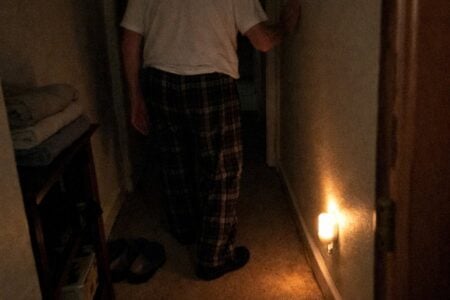
Maybe it was a passing comment.
Your mom mentioned she steadied herself on the towel rack getting out of the tub. Or you noticed she’s taking a little longer in the bathroom than she used to, and something in the back of your mind quietly registered it.
You’re not overreacting. That instinct — the one that sent you searching for answers before anything serious happens — is exactly what good caregiving looks like.
The good news: there are five simple, affordable bathroom aids for seniors that can dramatically reduce fall risk and help your parent stay private, comfortable, and independent in one of the most important rooms in the home.
Most cost under $50. Most require no contractor.
And together, they form a complete starting checklist you can realistically implement this weekend.
Here’s what I recommend to almost every family I work with — starting with the most foundational piece first.
The Senior Bathroom Safety Checklist: 5 Must-Have Aids to Reduce Fall Risk and Protect Independence
Download our complete bathroom safety checklist with 5 specific aids proven to reduce fall risk and protect independence—most under $50, most requiring no contractor, with a simple 4-week implementation plan you can start today.
Why the Bathroom Deserves Your Attention First
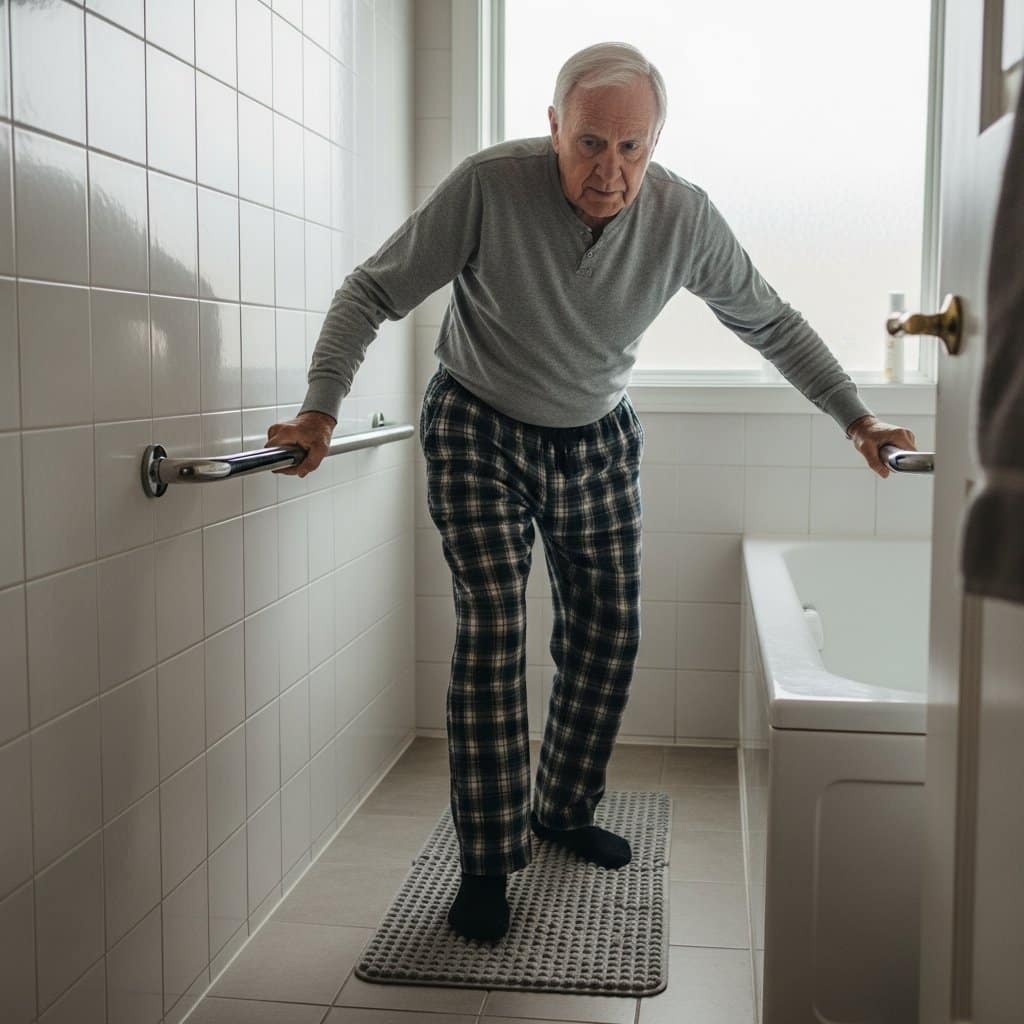
The bathroom is one of the highest-risk rooms in the home for older adults. Wet surfaces, low fixtures, awkward reaching and bending movements — they all combine in a space where most of us assume we’re perfectly safe.
The important thing to understand is that most falls don’t happen during dramatic moments. They happen during routine ones — stepping out of the shower, lowering onto the toilet, reaching for a bar of soap.
Every item on this list exists to make those routine moments safer and more independent. None of it needs to feel medical. All of it can feel like a smart upgrade to a space your parent uses every single day.

Grab Bars: The Single Most Important Bathroom Upgrade You Can Make


If there’s one place to start when thinking about bathroom fall prevention for seniors at home, it’s grab bars. Nothing else on this list has a higher impact per dollar spent.
Where They Matter Most
The three priority locations are:
- Inside the shower or tub (ideally a diagonal bar along the side wall)
- At the tub entry point (to support stepping in and out)
- Beside the toilet (a horizontal bar at seat height)
A diagonal bar inside the tub is particularly effective — it gives your parent something solid to grip both while lowering and while rising, across the full range of that movement.
What to Look For (And What to Avoid)
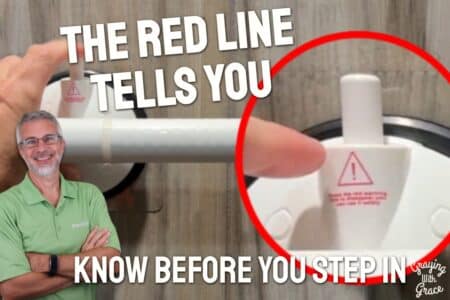
This is where I see families make a costly mistake: they install a decorative towel bar and call it done. Towel bars are not rated for body weight. They can pull free from drywall anchors under the kind of pressure someone puts on them mid-fall, which is exactly the moment you need them most.
A true grab bar for bathroom safety should be:
- Rated for at least 250–300 lbs of force
- Made with a rust-resistant finish (chrome or stainless are both excellent)
- ADA-compliant (this tells you it meets safety engineering standards)
- Anchored into wall studs or with proper toggle anchors for tile walls
Installation Options for Every Situation
Permanent wall-mounted bars offer the most security and are the gold standard. But if your parent rents, or if you’re not ready to drill, tension-mounted grab bars that fit between floor and ceiling are also available and reasonably sturdy as a transitional option.
Think of grab bars the same way you think about handrails on a staircase. No one considers those a sign of decline — they’re just smart design. The same logic applies here.
Start here: One bar beside the toilet and one inside the shower or tub. That two-bar minimum covers the two highest-risk moments in the bathroom immediately.
When shopping, look for grab bars for bathroom seniors — the key specifications to prioritize are weight rating, rust-resistant finish, and ADA compliance.


For a broader look at how bathroom safety products work together, see my full guide to the best bathroom safety products for older adults.

Raised Toilet Seats: A Small Change That Makes a Big Difference Every Single Day
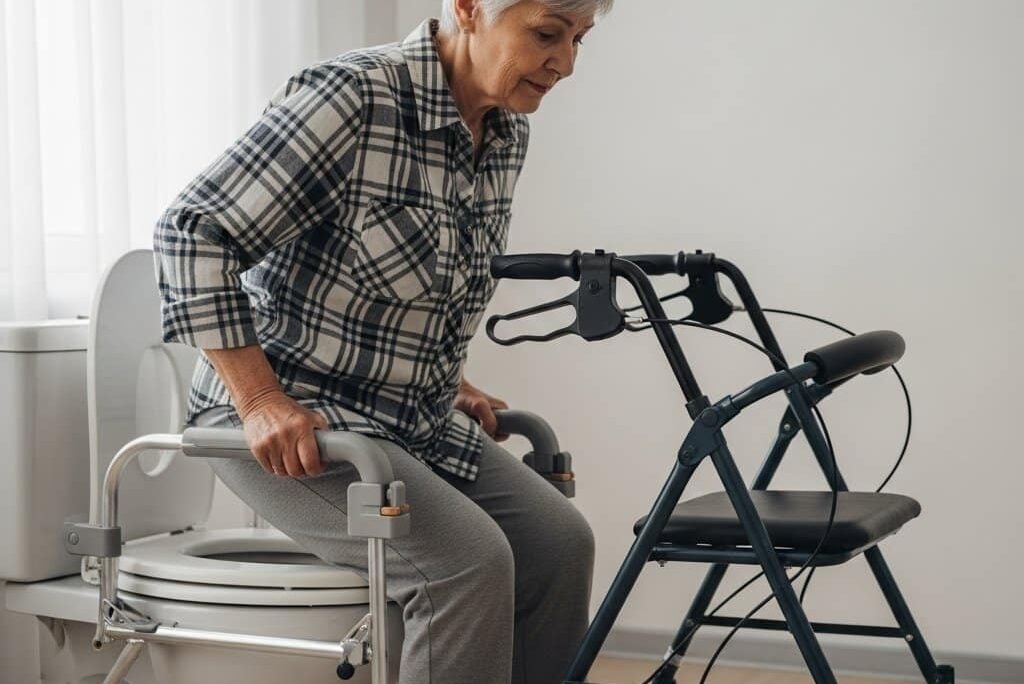
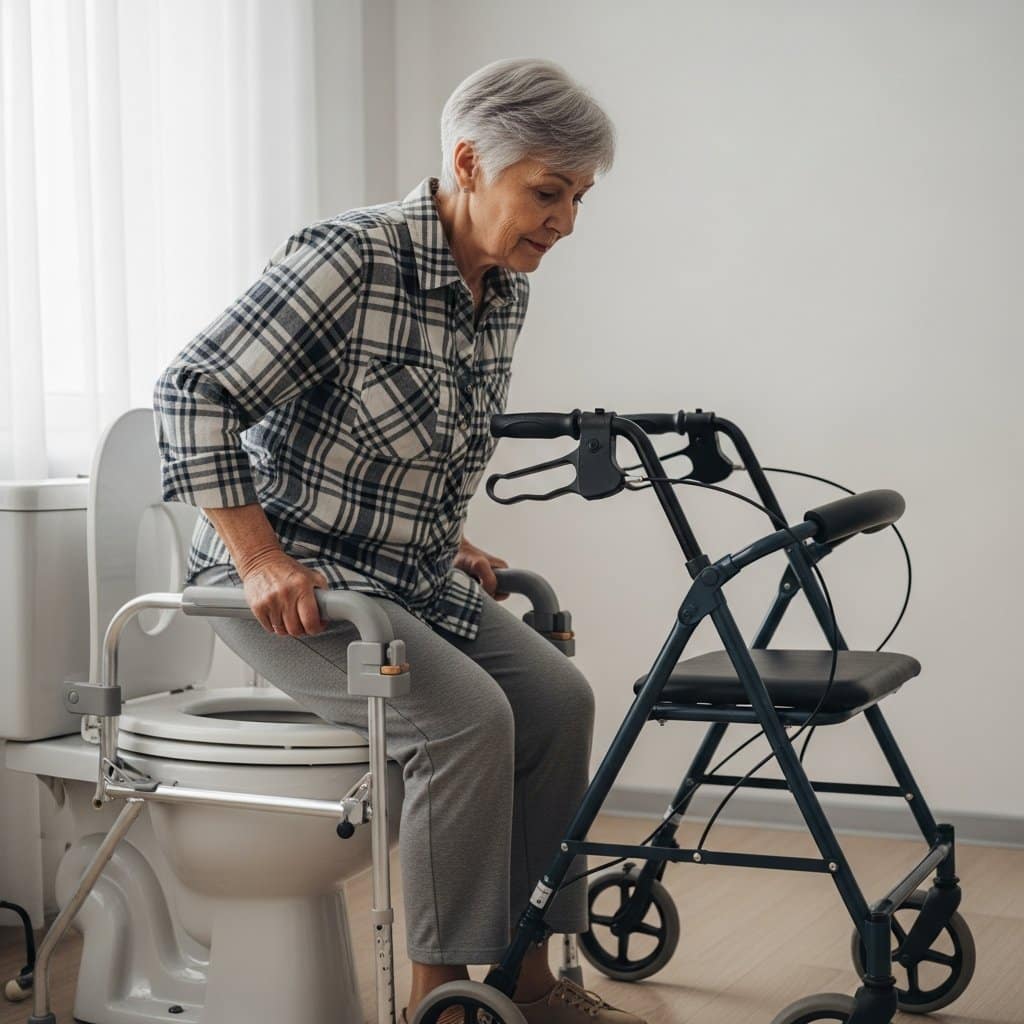
Standard toilets sit at about 15 inches from the floor. For a younger adult with full hip and knee mobility, that’s fine. For an older adult with arthritis, post-surgical restrictions, or reduced leg strength, lowering onto and rising from that height multiple times a day is genuinely challenging — and risky.
Why Toilet Height Matters More Than You’d Think
The strain of lowering deeply and then pushing back up from a low seat places significant load on the hips and knees. It also creates an instability window — that moment of transition where balance is most compromised — that happens multiple times every single day.
A raised toilet seat adds 2 to 6 inches to the existing toilet height. That one adjustment reduces the depth of the sit-to-stand movement meaningfully, which lowers the strain and the fall risk with every use.
Types Available
- Basic raised seats — sit on top of the existing toilet, simple and easy to clean
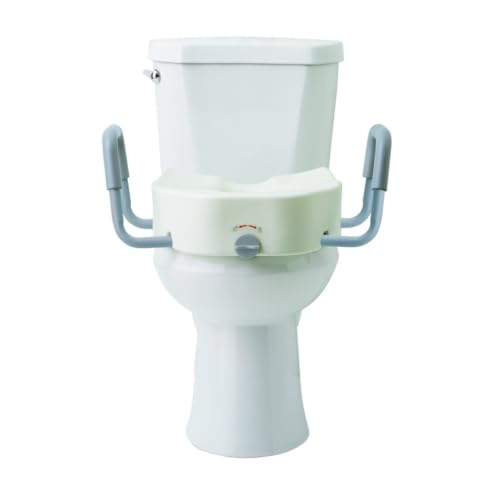
- Seats with armrests — provide side support for pushing up and lowering down; highly recommended
- Locking models — secure firmly to the toilet bowl for added stability; these are the most reliable option
What to Look For
Check the weight capacity first — most standard models support 250–300 lbs, but heavy-duty versions are available. Armrests are strongly worth including; they turn a passive riser into an active support system. And make sure the seat fits your parent’s specific toilet model, as elongated and round toilet bowls require different sizing.
Are raised toilet seats safe for seniors? Yes — when properly fitted to the toilet and used alongside nearby grab bars, they significantly reduce the instability of the sit-to-stand movement rather than creating new risks.
This is the same logic as an ergonomic office chair — you’re matching the environment to the person’s body, not the other way around.
Before you buy: Measure the current toilet height and your parent’s knee height while seated. That comparison tells you exactly how many inches of riser height will feel most natural and supportive.
Look for a raised toilet seat for elderly — models with locking armrests offer the most stability and are worth the small additional cost.




Ready to discover more practical strategies for helping your parent age safely and independently at home? Subscribe to our newsletter for expert-tested tips and product recommendations designed specifically for older adults and their families.
Toilet Wiping Aids: Preserving the Most Private Piece of Independence





I want to address this one directly, because it’s the aid that families most often overlook — not because it isn’t important, but because it feels uncomfortable to bring up.
Many older adults quietly struggle with personal hygiene after toileting and say nothing. Limited hip flexibility, shoulder issues, arthritis in the hands and wrists, or post-surgery movement restrictions can all make this genuinely difficult. But because the topic feels embarrassing, it often goes unaddressed for far too long.
What a Toilet Wiping Aid Is
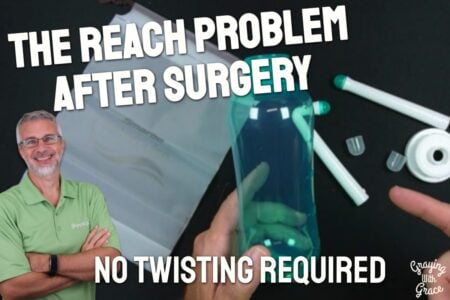
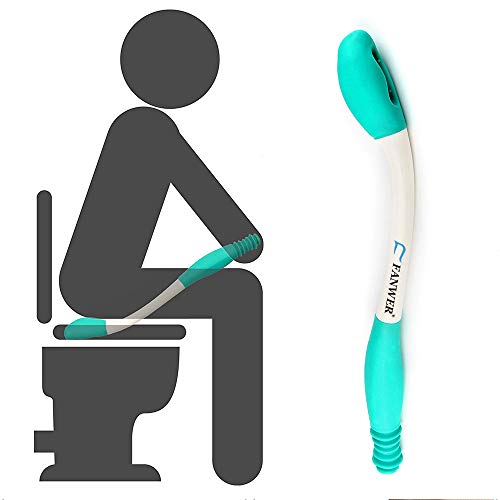
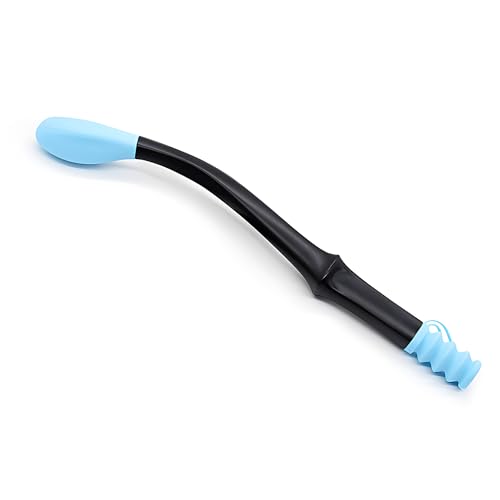
A toilet wiping aid — sometimes called a bottom wiper or self-wiping tool — is a long-handled device that holds toilet paper or a wet wipe and extends your parent’s reach without requiring the flexibility or range of motion that this task normally demands.
Most feature a simple grip-release mechanism so the paper can be disposed of cleanly without hands needing to touch it. Many accommodate both standard toilet paper and flushable wet wipes.
Who Benefits Most
- Older adults recovering from hip or back surgery
- Those with arthritis in the hands, wrists, or shoulders
- Anyone with reduced hip or spine flexibility that limits comfortable bending and reaching
How to Introduce It
I recommend introducing this tool proactively — before it becomes a point of shame or a reason your parent starts avoiding the bathroom independently. Frame it as a practical comfort tool, the same way you’d introduce a jar opener or an ergonomic pen grip.
Helping a parent maintain this level of privacy is one of the most respectful things a caregiver can do. This one tool allows them to handle this entirely on their own — no help needed, no conversation required.
When evaluating options, look for a toilet wiping aid for seniors — prioritize handle length (longer is more versatile) and ease of grip release as the two most important features.




For more on maintaining independence during daily personal care, take a look at my guide to shower safety tips for elderly individuals — many of the same independence principles apply across bathroom routines.

Non-Slip Bath Mats: The Simplest Fix With the Highest Payoff


Wet surfaces are the most common environmental factor in bathroom falls. And yet the decorative rugs most people have on their bathroom floors — the ones that look nice but slide and bunch underfoot — can actually make things worse, not better.
The Difference That Matters
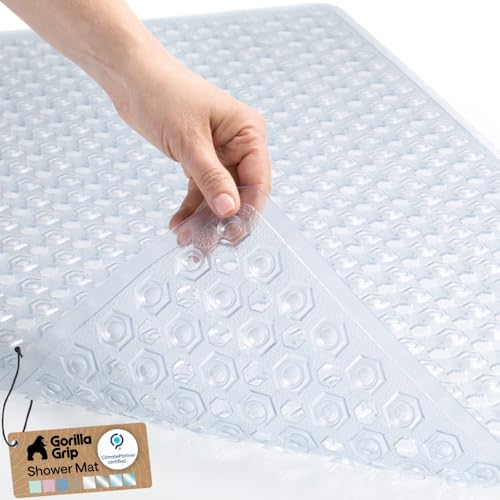
A true non-slip bath mat has two essential features that a standard bathroom rug doesn’t: strong suction cups on the underside that anchor it to the tub or floor, and a textured surface that grips wet feet.
The two placement priorities are:
- Inside the tub or shower floor — to prevent slipping while standing and washing
- Immediately outside the tub or shower exit — to provide grip on the wet floor during that vulnerable step out
What to Look For
- Full-coverage suction cup pattern — mats with sparse suction coverage can lift at the edges
- Mold and mildew resistant material — the mat will stay wet regularly, so material quality matters
- Size that matches the tub floor — too small leaves uncovered slick areas
- Machine washable — ease of cleaning encourages regular maintenance
If your parent resists because non-slip mats look clinical, I’d reassure them: every hotel room has one. This is standard safety in any well-designed bathroom. There are now many options in colors and patterns that look more like a design choice than a medical accommodation.
Check your existing mats today: Turn them over and press a corner to the tub floor. If suction is weak, or if the mat peels or lifts at the edges with gentle pressure, it needs replacing.
Look for a non-slip bath mat for seniors — mold resistance and full-coverage suction cup patterns are the two features that separate effective safety mats from decorative ones that provide a false sense of security.



My detailed roundup of the best non-slip bath mats for elderly confidence and safety breaks down the top options side by side if you’d like more specific recommendations.
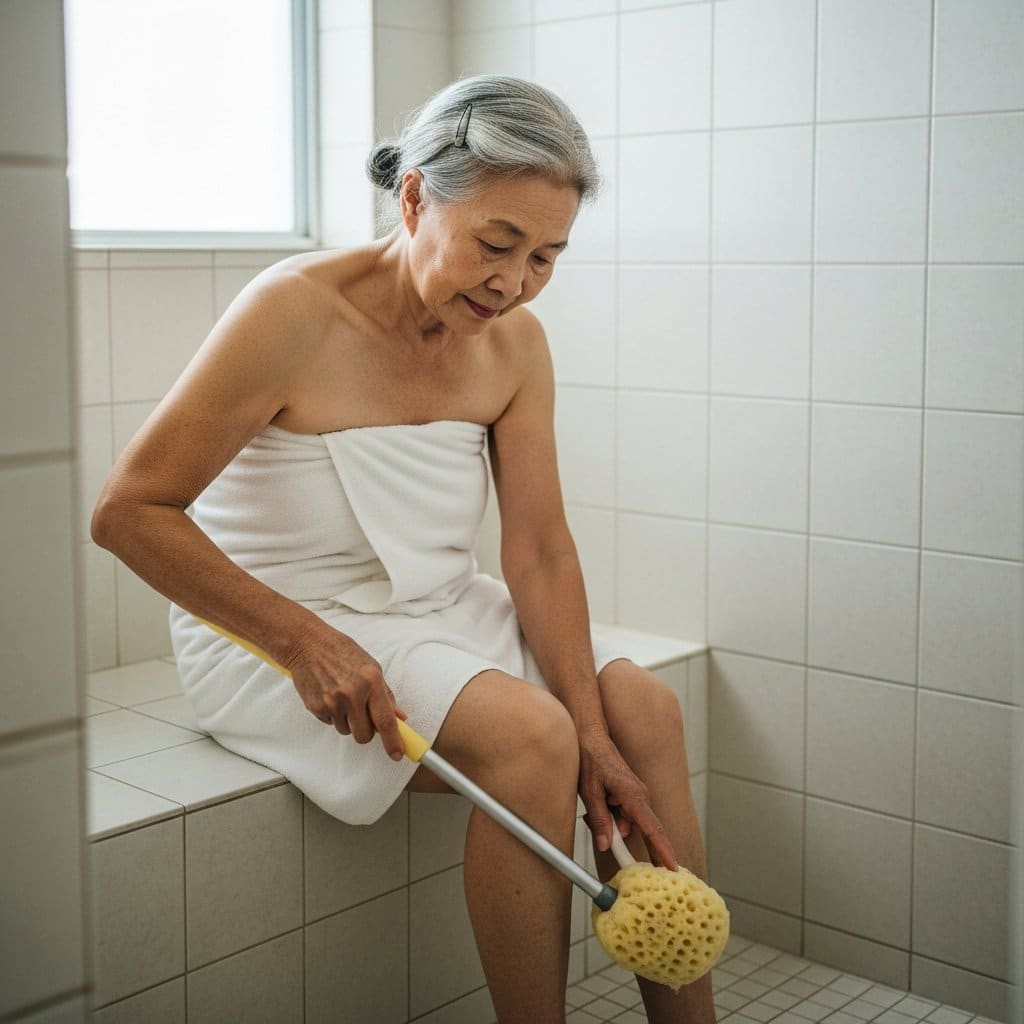
Long-Handled Bath Sponges: Staying Clean and Independent Without the Strain


Reaching the back, feet, and lower legs during bathing requires a combination of flexibility, shoulder mobility, and balance that genuinely decreases with age. For older adults with hip issues, back problems, or reduced shoulder range of motion, this everyday task becomes a quiet challenge — and one that, if left unaddressed, can compromise hygiene or push your parent toward needing assistance they’d rather not need.
What This Tool Solves
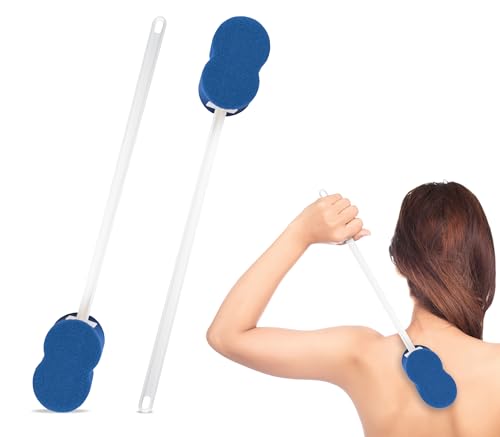
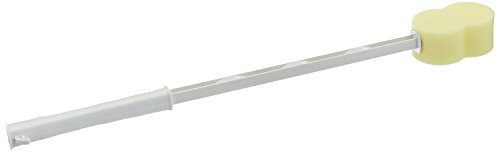
A long-handled bath sponge or bath brush extends reach by 12 to 18 inches or more, allowing your parent to clean their back, feet, and lower legs without bending forward, twisting the spine, or gripping a wall for balance.
It’s a simple tool with a significant impact on privacy and self-sufficiency — because the alternative isn’t just discomfort, it’s potentially needing someone else in the bathroom to help.
Features Worth Evaluating
- Handle length — longer handles serve people with greater flexibility limitations
- Bendable versus fixed handle — a bendable handle is especially useful for reaching the back and feet at comfortable angles
- Sponge versus loofah head — sponge heads hold soap and lather more generously; loofah heads provide more texture for skin stimulation
- Ease of wringing out — important for older adults with hand or wrist arthritis
Pairing This Tool Effectively
For older adults who prefer seated bathing, pair a long-handled sponge with a shower chair or bench. The combination of seated stability and extended reach makes thorough, independent bathing genuinely comfortable and safe. My guide to the best shower chairs for seniors needing bathing stability walks through the top options if you’re considering adding one.
This is the bathroom version of ergonomic kitchen tools — designed to make an everyday task easier and more comfortable, not to signal any kind of limitation. Think of it as a practical upgrade, not a concession.
When shopping, look for a long-handled bath sponge for elderly — bendable handles are particularly worth prioritizing if your parent has difficulty reaching their back and lower legs.





The Senior Bathroom Safety Checklist: 5 Must-Have Aids to Reduce Fall Risk and Protect Independence
Download our complete bathroom safety checklist with 5 specific aids proven to reduce fall risk and protect independence—most under $50, most requiring no contractor, with a simple 4-week implementation plan you can start today.
Your Complete Bathroom Safety Checklist
Here’s the full list at a glance — five practical, affordable bathroom aids for seniors that together address the most common fall risks and independence challenges in one room:
- ✅ Grab bars — one beside the toilet, one inside the shower or tub
- ✅ Raised toilet seat — with locking armrests for maximum stability
- ✅ Toilet wiping aid — preserves the most private piece of daily independence
- ✅ Non-slip bath mats — inside the tub and at the exit point
- ✅ Long-handled bath sponge — with a bendable handle for full-reach bathing
You don’t have to do all five at once. If budget is a consideration, start with the non-slip mat — it’s the least expensive and one of the most impactful. Then work through the list over a few weeks as you’re able.
What I want you to take away from this is simple: putting these tools in place is one of the most direct, loving things a caregiver can do. It’s not about taking over. It’s about making sure the bathroom stays a place of privacy and confidence — not fear — for the person you care about most.
For a broader look at fall prevention beyond the bathroom, my ultimate fall prevention checklist for older adults covers the whole home room by room. And if you’re thinking about what other tools support independent living, my guide to must-have products for elderly people living alone is a strong next read.
Which of these five does your parent already have in place — and which one are you planning to add first? Share in the comments below. Your experience might be exactly what another family needs to hear today.
Caring for a loved one is a journey filled with dedication, challenges, and meaningful moments. Even the smallest tips and tools can ease the load. Each week, I share trusted advice and helpful resources to make your caregiving role a little lighter. Subscribe to our newsletter and join thousands of families navigating this journey together.