
Picture this: your mom picks up the TV remote, squints at a wall of tiny buttons, presses something that pulls up a menu she didn’t want, tries to back out, and eventually just sets the remote down. She doesn’t complain. She just watches whatever channel it landed on.
That moment is easy to miss — and even easier to dismiss. It’s not a medical crisis. Nobody puts “can’t work the remote” on a care checklist. But it happens every single day, and every time it does, something she loves gets a little harder to enjoy.
Here’s what I’ve learned after years of working with older adults and their families: the most appreciated gifts aren’t the biggest ones. They’re the ones that quietly remove a recurring daily annoyance — so quietly that life just gets a little easier without anyone having to make a big deal of it.
This article starts with one of the most overlooked of those gifts: the big button TV remote. And it doesn’t stop there.
Small Gifts for Daily Frustrations: A Cheat Sheet
Discover the 5 small gifts that quietly remove daily frustrations for older adults—so you can give something meaningful that actually gets used, instead of another thing that sits on a shelf.
Why the TV Remote Becomes a Daily Frustration (and Why It Matters)
Modern Remotes Weren’t Designed for Most People
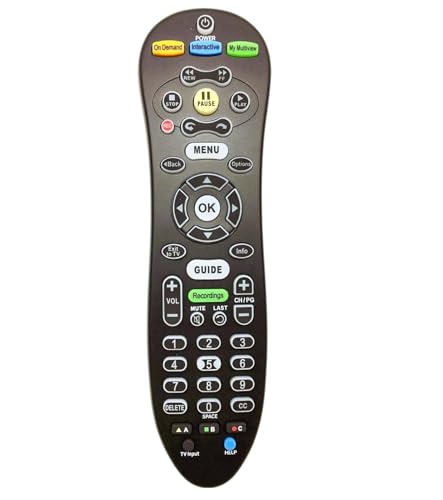
Today’s smart TV remotes are genuinely overcrowded. Streaming shortcuts, voice control buttons, backlit microkeys, color-coded function buttons — all crammed onto a device the size of a candy bar. They’re designed for 30-year-olds who set up their own Wi-Fi.
For an older adult dealing with any combination of vision changes, reduced fine motor control, or mild cognitive shifts, those remotes aren’t just inconvenient. They’re a real barrier.
It’s Not Stubbornness — It’s Poor Design
When your parent presses the wrong button, it’s not because they’ve lost their sharpness. It’s because the buttons are 6mm wide and grouped together with no logical order. That’s a design failure, not a personal one.
I’ve seen this frustration play out dozens of times — and the emotional cost adds up faster than you’d think. Reduced confidence. Less enjoyment of a simple daily pleasure. A quiet reluctance to even pick up the remote anymore.
The Quiet Cost of Small Friction
For many older adults who spend a meaningful amount of time at home, the TV is a source of relaxation, connection, and entertainment. When the remote stops working for them, that gets taken away — not dramatically, but slowly, in small daily defeats.
That’s exactly why a big button TV remote is one of the most genuinely appreciated gifts an adult child can give. And knowing what to look for makes all the difference between a gift that gets used and one that gets set aside.

What to Look for in a Big Button Remote for an Aging Parent
Button Size and Spacing
Larger buttons reduce accidental presses. But spacing matters just as much — buttons that are big but crammed together still cause frustration. Look for visible gaps between the most-used functions.
Button Count
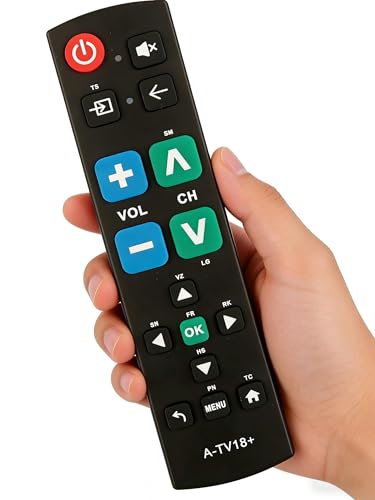
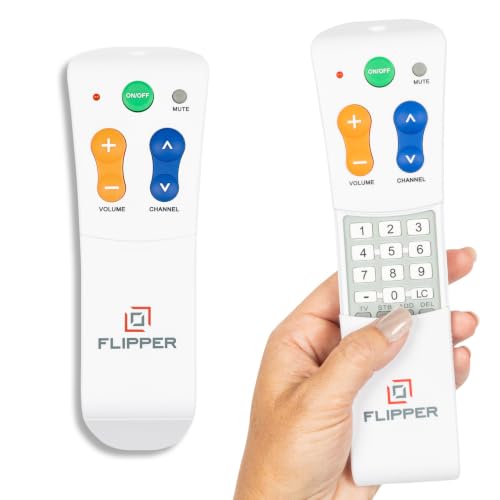
Fewer buttons means less confusion. The essential functions are power, volume up/down, channel up/down, and mute. Some remotes add a dedicated “favorites” button, which is genuinely useful. Everything beyond that is often a source of accidental presses rather than added value.
Contrast and Labeling
High-contrast text on buttons is critical for anyone with low vision. Plain, simple labels beat icons, abbreviations, or color coding every time. If you have to squint to read what a button says, it’s not the right remote.
Backlit Options
Many older adults watch TV in dim rooms. A remote with backlit buttons eliminates the “squinting at the remote in the dark” problem entirely — and it’s the kind of small feature that earns immediate appreciation.
Compatibility and Setup
A universal remote should be easy to set up — ideally plug-and-play or simple code entry. If it requires a smartphone app and a Wi-Fi password, you’ve traded one frustration for another. The best ones for this purpose pair in under five minutes.
Dementia-Friendly Considerations
For parents dealing with cognitive changes, fewer choices and a familiar layout genuinely reduce anxiety. A simplified remote with a predictable button layout can restore a sense of calm and control that a feature-heavy remote actively undermines.
A good big button remote checks most of these boxes without costing a fortune. Here’s a product type that addresses exactly this need:


And if your parent’s TV is part of a broader entertainment setup, a good universal option can handle multiple devices without adding complexity:




The Gift List — 5 Small Gifts That Remove a Daily Frustration


A Thoughtful Gift Anticipates the Frustration
The best practical gifts for an aging parent are the ones that address something they’ve never said out loud — because it felt too small to mention, or because they didn’t want to make you worry.
Each of the gifts below follows the same logic as the big button remote: identify a recurring friction point, find the simplest possible fix, and let the ease speak for itself.
Subscribe to our newsletter for more tips: Join here
1. Big Button TV Remote
The anchor gift on this list — and the one I’d start with for almost any parent who watches TV regularly. It solves the “wall of tiny buttons” problem immediately, restores independent channel control, and requires zero ongoing management from you.
Look for universal compatibility, high-contrast labels, and a minimal button count. The simpler, the better.
2. Large Button Telephone
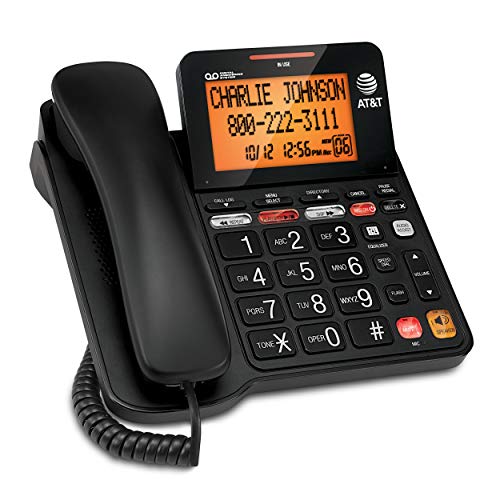
For parents who miss calls because they can’t navigate a smartphone keypad — or who feel anxious about pressing the wrong thing — a dedicated large-button phone restores confidence and connection without requiring a tech tutorial or a family member on standby.
I’ve written about the best home phones for seniors in detail, and the pattern is consistent: simpler phones get used more. That’s the whole point.




3. Magnifying Glass
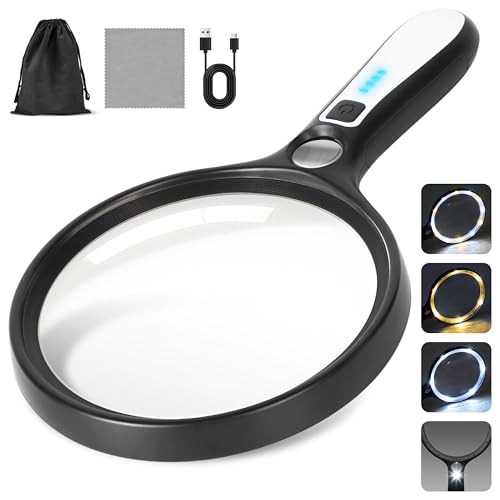
Low-tech, inexpensive, and genuinely useful every single day. Reading labels, prescription bottles, menus, or small print on mail — a quality handheld or hands-free magnifying glass handles all of it without requiring charging, pairing, or setup.
It’s the kind of gift that earns an “I use this all the time” the next time you visit.





4. Pill Organizer
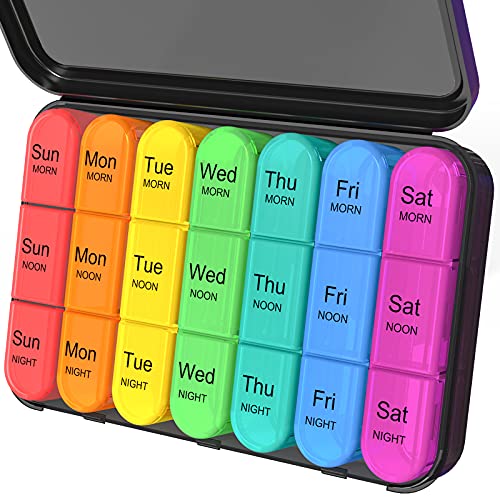
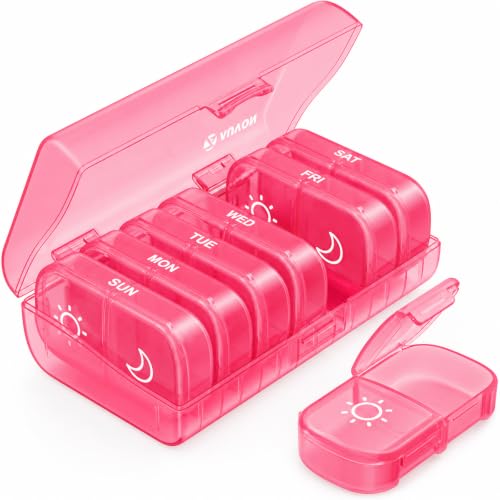
For parents managing multiple medications, the daily mental load of remembering what’s been taken — and what hasn’t — is a genuine source of stress. A clearly labeled weekly organizer removes that friction entirely.
Look for large compartments, easy-open lids, and clear day labels. The automatic pill dispensers I’ve reviewed take this a step further for more complex regimens, but a well-designed manual organizer is a perfect starting point.




5. Jar Opener
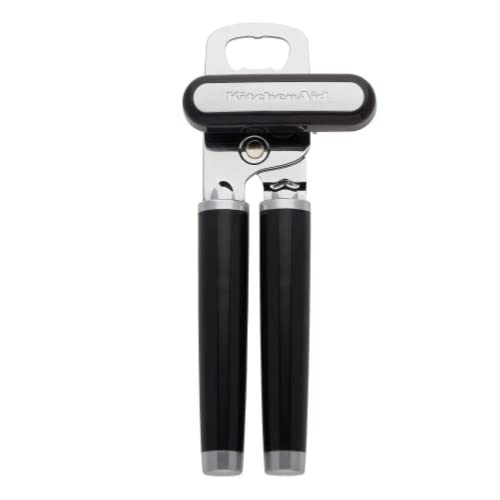
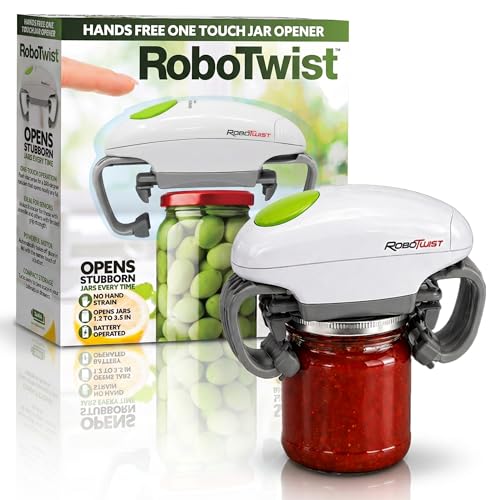
One of the most universal small frustrations — and one of the easiest to solve. An electric or ergonomic jar opener gives back independence in the kitchen without anyone having to ask for help, wait for someone to come over, or quietly go without what they wanted.
If your parent has arthritis or reduced grip strength, I’d also recommend looking at jar openers specifically designed for arthritic hands — the difference in ease of use is significant.



None of These Say “You’re Struggling”
They say: “I was paying attention.” That’s the whole point.
How to Give This Kind of Gift Without Making It Feel Like a Comment on Decline
Framing Matters as Much as the Gift Itself
Some older adults feel self-conscious receiving something that highlights a difficulty — even a small one. The way you introduce a practical gift determines whether it lands as thoughtful or as a quiet indictment.
Language That Works
Try something like: “I came across this and thought it looked so much easier — I actually got one for myself too.” That framing shifts the gift from “I noticed your problem” to “I found something worth sharing.”
Compare that to: “I noticed you were struggling with the remote” — which, even said kindly, puts the focus on the difficulty rather than the solution.
Give It Casually, Let It Earn Its Place
Wrap it simply. Hand it over without a presentation. Let them discover how much easier it is on their own — rather than watching them use it and waiting for validation.
Parents who resist help in formal contexts often quietly appreciate small practical tools that restore independence without requiring them to acknowledge needing assistance. The tool does the work. You just got it there.
The Real Goal Is Small and Meaningful
You’re not trying to solve a big problem with a big gesture. You’re removing a small friction point that makes daily life a little lighter. That’s enough. That’s actually quite a lot.
If you’re thinking about other ways to support independence at home, the must-have products for older adults living alone is a good list to have in your back pocket — practical, low-drama options across a range of everyday needs.
Is a Big Button Remote Worth It? What the Experience Actually Shows
The Pattern in Adult Children Who’ve Tried This
In my experience, the practical gifts that get used every day tend to mean more than the impressive ones that sit on a shelf. And the big button remote falls squarely in the first category.
The pattern I’ve seen — and what reviewers consistently report — goes like this: the adult child buys it a little skeptically, the parent picks it up, immediately finds it easier to use, and the old remote never gets touched again. The adult child’s next thought is usually: “Why didn’t I do this sooner?”
What Gets Praised Most
The features that earn the most appreciation align almost exactly with the buying criteria discussed earlier:
- Easy to set up out of the box
- Fewer buttons means fewer wrong presses
- Labels visible without glasses
- Not having to think about which button does what
What to Be Realistic About
A simplified big button remote won’t replicate every function of a smart TV’s native remote. It won’t open streaming apps with a dedicated button or support voice search. If those features matter to your parent, that’s worth knowing upfront.
But for the parent whose main goal is to change the channel and adjust the volume without incident? It’s not a compromise. It’s an upgrade.
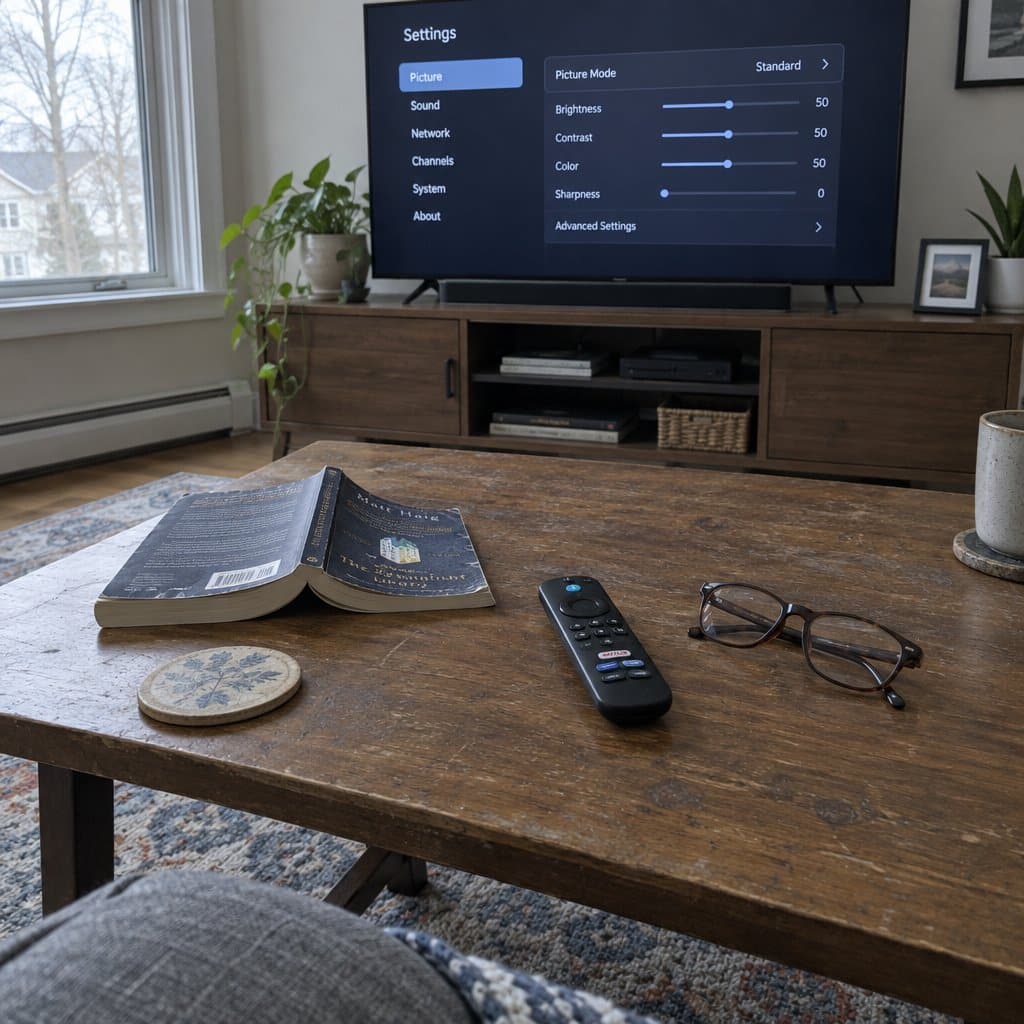
For parents who could benefit from a broader safety and independence setup at home, this fall prevention checklist and the bathroom safety products guide cover the bigger picture well. But sometimes the right starting point is the remote on the coffee table.
Small Gifts for Daily Frustrations: A Cheat Sheet
Discover the 5 small gifts that quietly remove daily frustrations for older adults—so you can give something meaningful that actually gets used, instead of another thing that sits on a shelf.
Start With the Frustration You’ve Actually Watched
You Already Have the Answer
You don’t need a birthday or a holiday to give a gift like this. A random Tuesday is a perfectly good day to hand your parent a remote they can actually use — or a jar opener that means they don’t have to wait for you to visit to open their pasta sauce.
Think about the one recurring frustration you’ve personally watched your parent deal with. Maybe it’s the remote. Maybe it’s the pill bottles. Maybe it’s a phone that feels like a puzzle every time it rings.
Something on this list is probably the quiet fix you’ve been looking for — and it costs less than a dinner out.
What small gift has made the biggest difference for your parent or a loved one? I’d genuinely love to hear what worked. Share your experience in the comments — it might be exactly what someone else needs to read today.