You’ve been there.
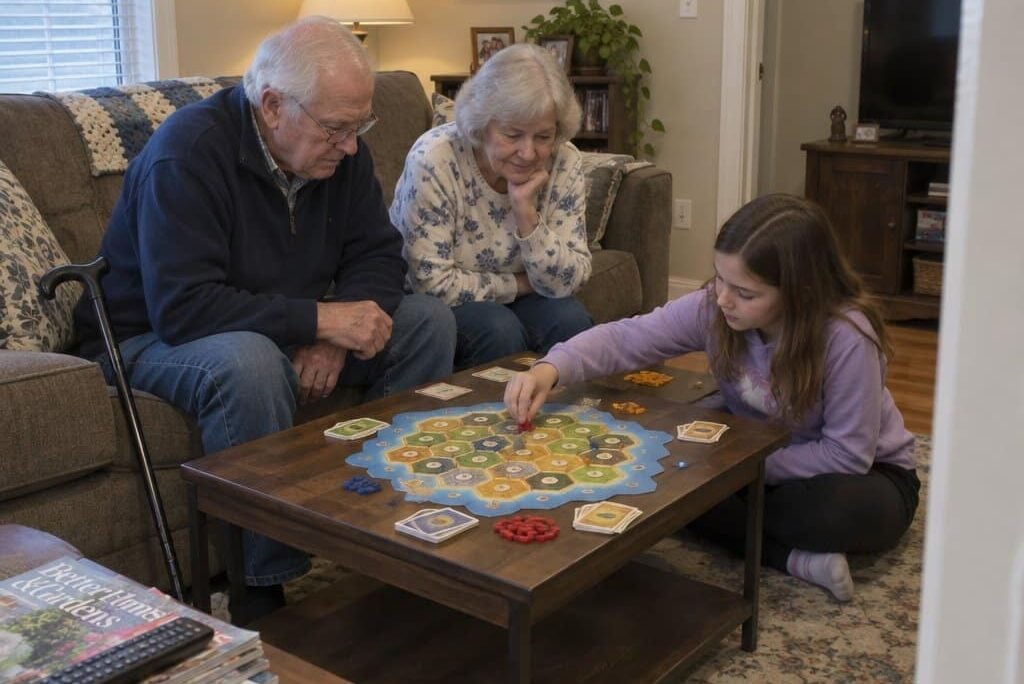
The nine-year-old is already fidgeting.
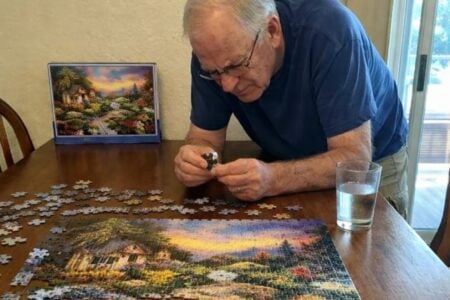
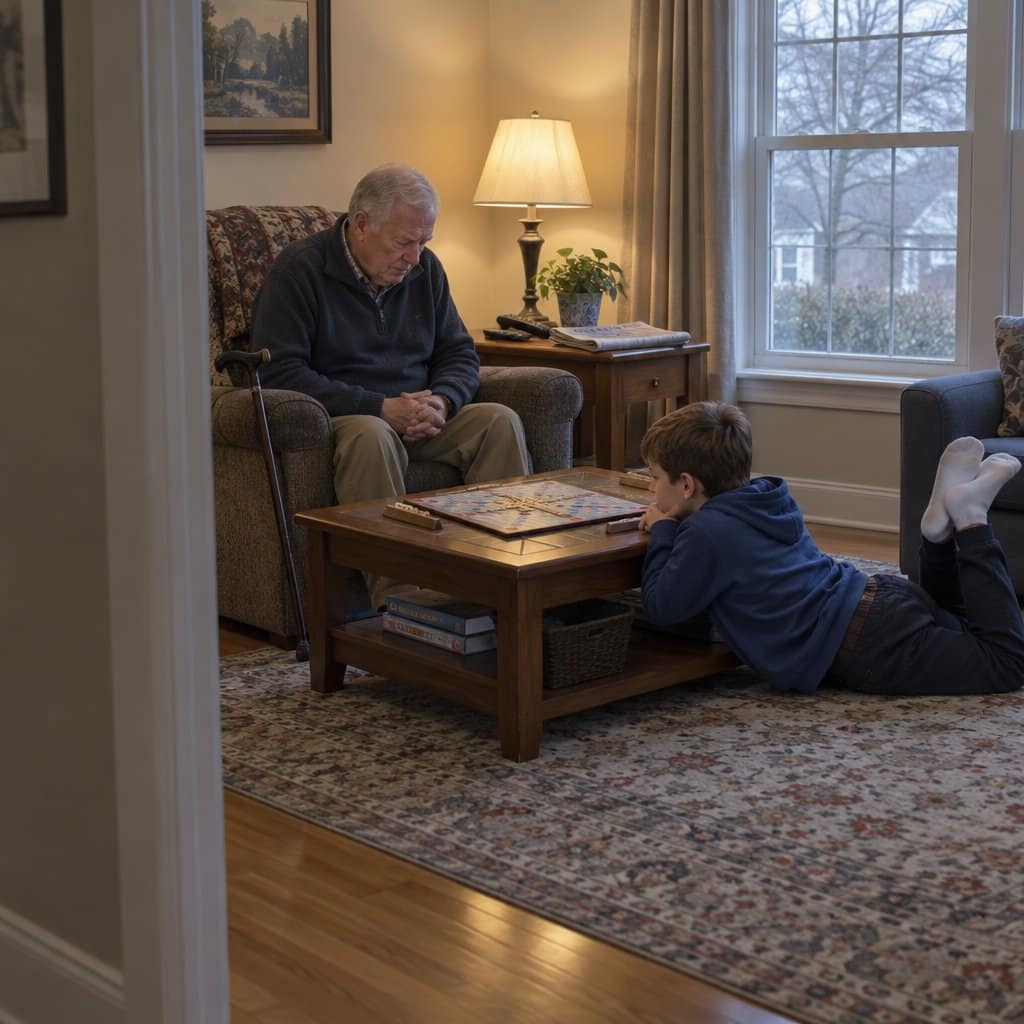
The grandfather has gone quiet in that particular way that means he checked out ten minutes ago.
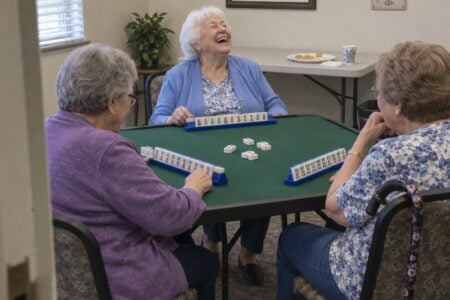
The game box promised “fun for the whole family,” and technically everyone is still sitting at the table — but nobody is actually playing.
Most games marketed as family games are really kids’ games that adults politely endure, or adult games that children can’t follow long enough to care. The gap between what engages a nine-year-old and what satisfies a seventy-year-old is real — and most game designers either ignore it or paper over it with bright colors and false promises.
Here’s what actually works: a three-filter framework — piece size, round length, and rule simplicity — applied before any game makes this list. If a game can’t pass all three, it doesn’t earn a recommendation, no matter how good the marketing looks. Every pick below was evaluated against those same criteria, not against vague claims about age ranges.
Family Strategy Game Buyer’s Cheat Sheet
Download this free cheat sheet to eliminate the guesswork from family game selection—discover the three simple filters that guarantee a game will engage both your nine-year-old and your seventy-year-old, not just one of them.
The Three Things That Actually Make a Family Strategy Game Work Across a 40-Year Age Gap
Why Age Ratings Don’t Tell the Whole Story
Before diving into specific games, the framework needs to be clear — because this is the filter most reviewers skip entirely.
Age ratings on game boxes are legal liability tools, not gameplay guides. “Ages 8 and up” tells you nothing about whether a seventy-year-old will find the game engaging or whether a nine-year-old will still want to play in round two.
Filter One: Piece Size
Pieces that are too small frustrate older adults with arthritis or reduced dexterity — and they frustrate younger kids who handle things with more energy than precision. The target is pieces that feel substantial and satisfying in any hand.
If you can knock a playing piece over by brushing it lightly, or if it requires pinching instead of gripping, that’s a flag. For anyone managing arthritis, piece size isn’t a minor inconvenience — it determines whether the game gets played at all.
Filter Two: Round Length
Games with 60-plus-minute rounds lose children. Games that end in five minutes don’t satisfy strategic thinkers who want a real contest. The target window is 20–40 minutes — long enough to feel meaningful, short enough to replay twice in an afternoon.
A useful secondary check: can the game be paused mid-session without losing all context? Life with grandchildren involves interruptions. A game that falls apart when someone needs a snack isn’t a game that gets played consistently.
Filter Three: Rule Simplicity
“Fits on one card” is my test. If the rulebook requires a tutorial video or a 20-minute setup explanation, half the table is already gone before the first move. Strategy should emerge from gameplay — from decisions made in the moment — not from decoding instructions in advance.
This isn’t a “dumbed-down” standard. It’s the same filter serious game designers use when creating games that stand the test of time. Simplicity of rules and depth of strategy aren’t opposites — the best games prove they coexist beautifully.
With those filters established, here’s what actually passes the test.
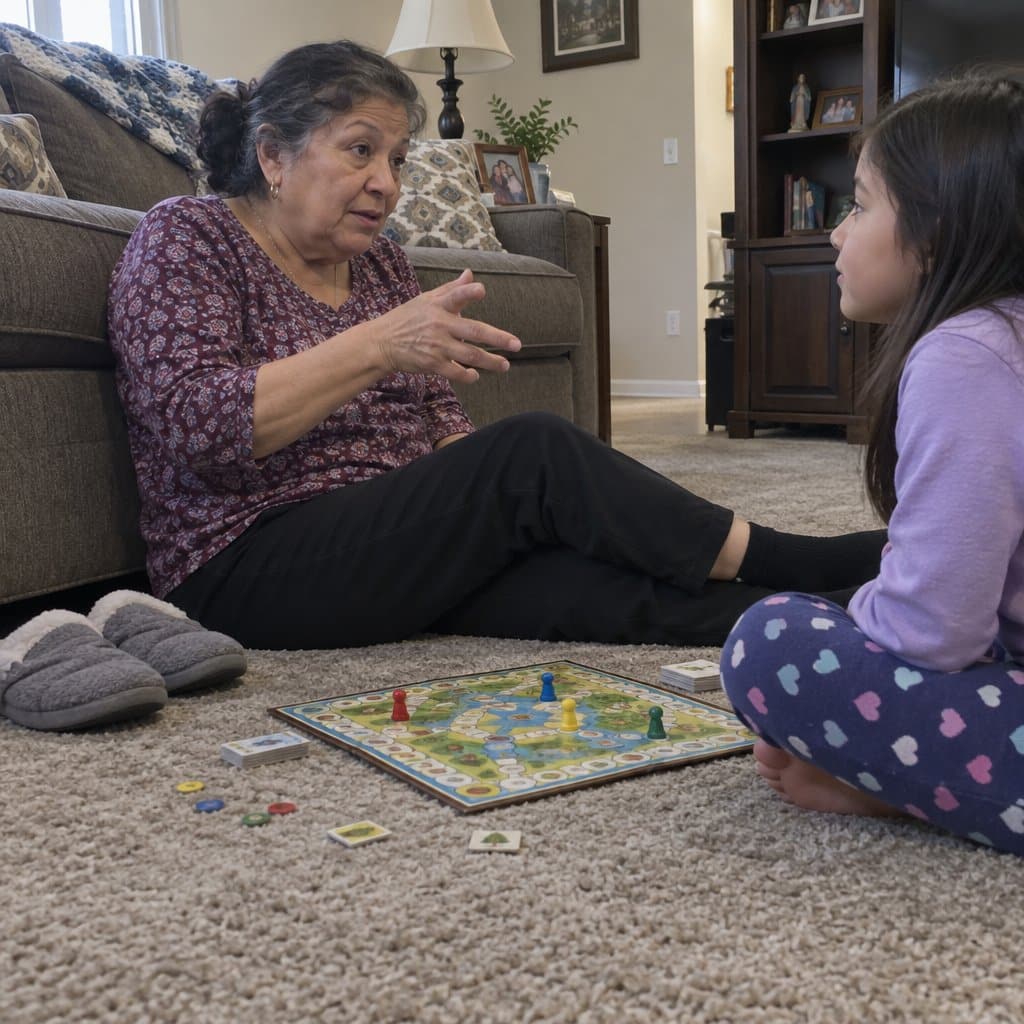
Pick #1 — Magnetic Strategy Games That Stay Put and Scale Up


The Problem Nobody Talks About in Family Game Reviews
Scattered pieces derail games faster than boredom does. A nine-year-old shifts in their seat. An older adult moves the board to get a better angle. Someone reaches across the table and three pieces topple. The session is over before it started.
Magnetic game boards solve this problem directly. Pieces stay where they’re placed. The board can tilt, shift, or be moved to a softer surface without resetting the entire game. That single feature changes what’s possible in the environments where families actually gather — living room floors, coffee tables, kitchen counters, backseat drives.
Why Chess Works for Both Ends of the Age Spectrum
Chess gets positioned as an “advanced” game, but that framing is wrong. The rules are learnable in a single sitting. A nine-year-old can grasp how every piece moves within an hour. A seventy-year-old has decades of pattern recognition to draw on. Both players are genuinely engaged — differently, but equally.
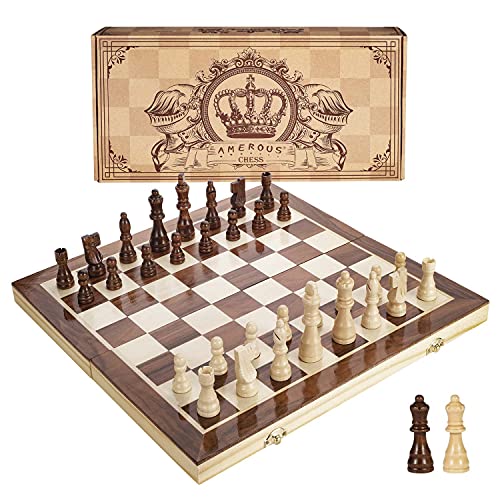
A magnetic chess set passes all three filters: pieces are substantial and easy to grip, rounds can run as short or long as both players want, and the core rules are simple enough to explain before the first game ends. The magnetic board removes the one logistical friction point that trips up most family game sessions.
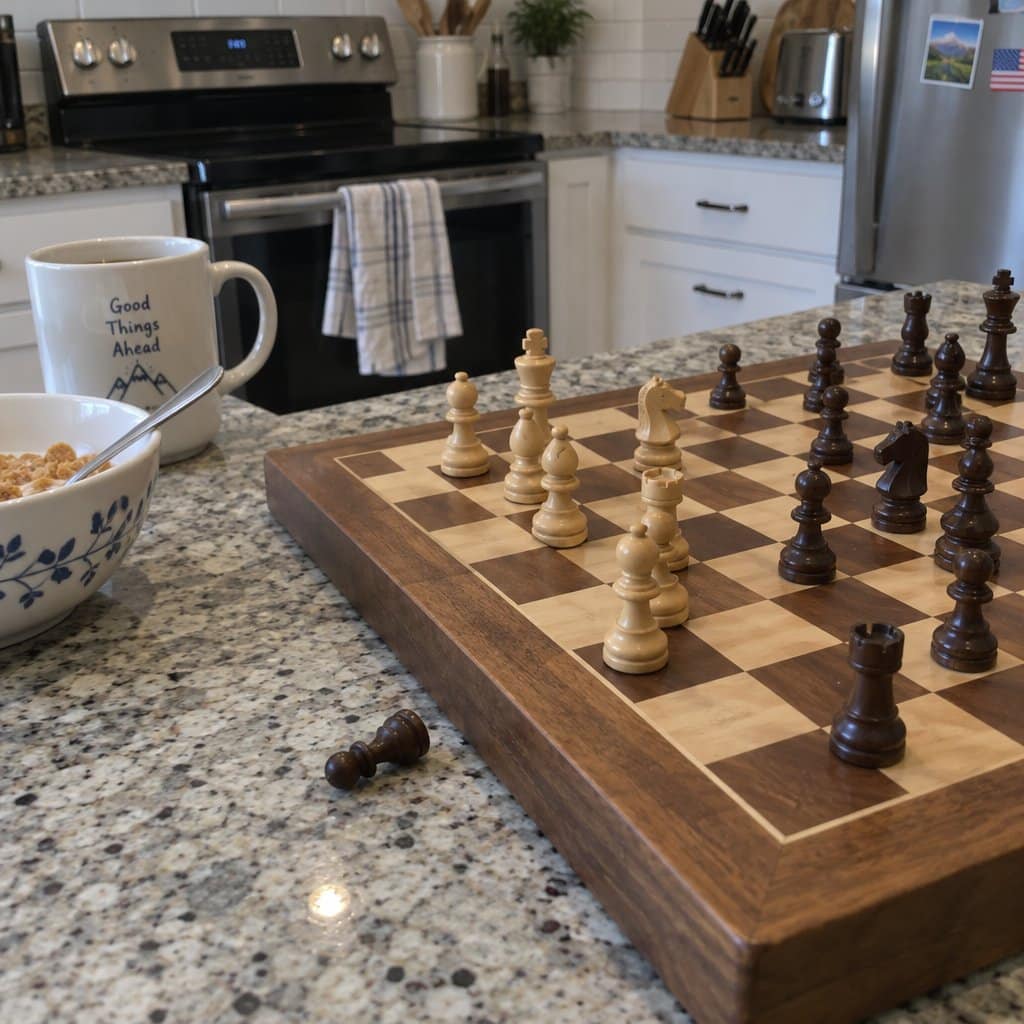
Contrast a standard chess set on a coffee table — pieces tipping, board shifting, a single elbow ending the game — versus a magnetic version where the board holds everything in place and a paused game can resume an hour later exactly as it was left.
Magnetic isn’t a gimmick. It’s the feature that makes the game actually playable in the real world.
Action Point: When evaluating any strategy board game, check whether the pieces are secured or loose. That single factor determines whether the game gets played more than once.


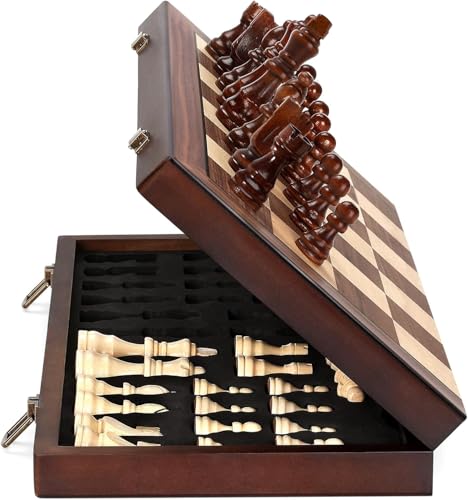
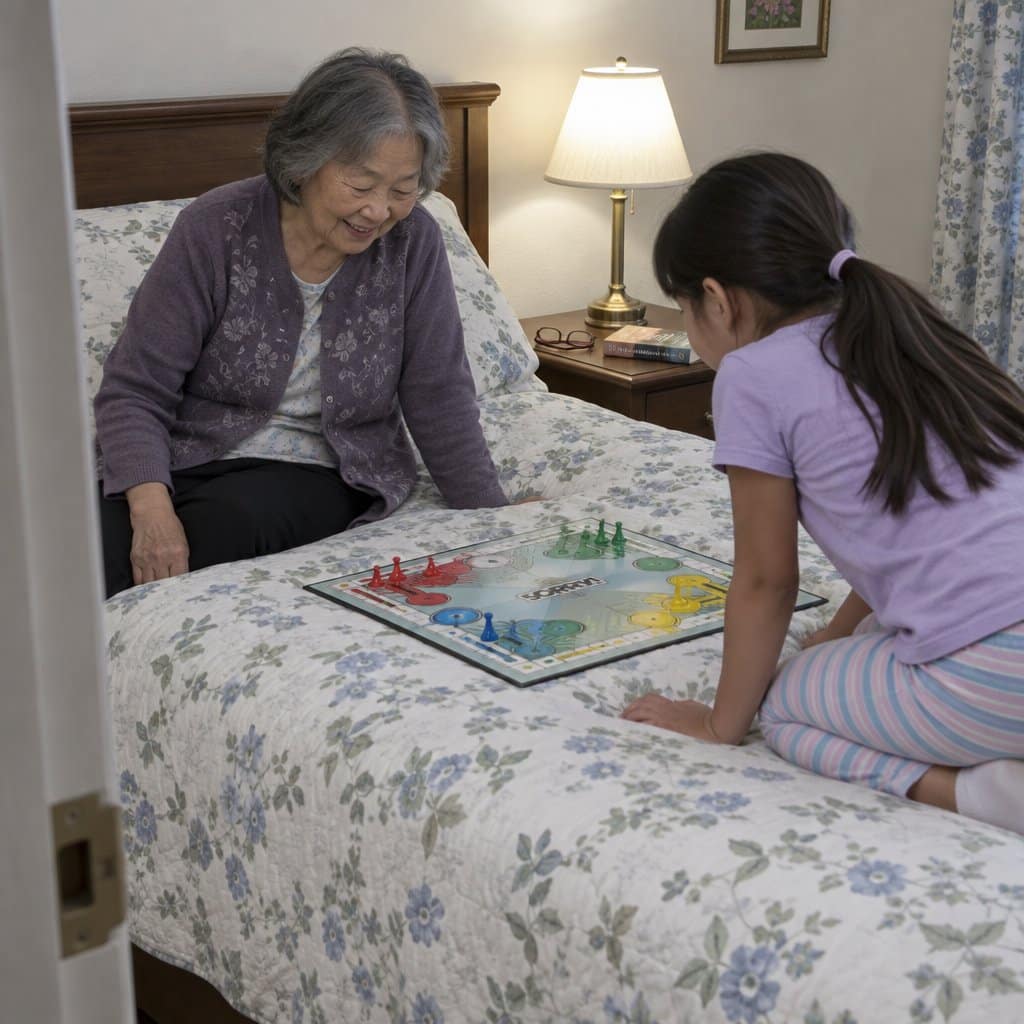
Pick #2 — Travel-Sized Games That Don’t Sacrifice Strategy
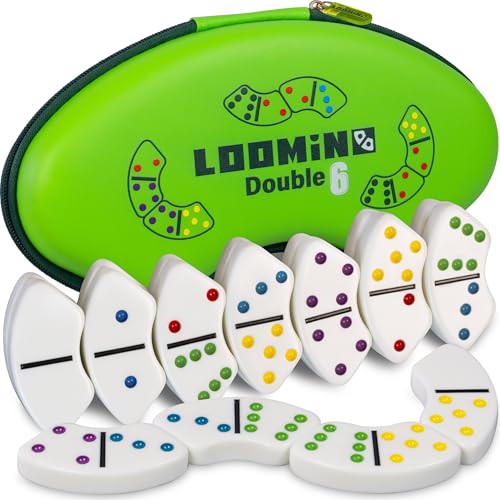


Why Compact Format Is Often the Better Choice
Travel versions of classic strategy games are frequently dismissed as inferior — lighter materials, smaller pieces, less “serious.” In practice, the best travel versions are often ideal for mixed-age family play for exactly the reasons people dismiss them.
Smaller format typically means faster setup, fewer loose components, and shorter rounds built into the design. Those are advantages, not compromises, when you’re playing with a nine-year-old who has a realistic attention window and a seventy-year-old who doesn’t want to spend twenty minutes organizing pieces before a single move gets made.
The Portability Factor Gets Games Played More Often
A game that requires clearing the dining room table and a dedicated 90-minute block gets played twice a year. A travel-sized magnetic game that lives in a bag gets played in waiting rooms, at restaurants, during family visits, and in the backseat of a car on the way to a holiday gathering.
Frequency matters for intergenerational connection far more than occasion. The familiarity that builds across repeated sessions — the inside jokes, the developing rivalry, the shared vocabulary of the game — that’s what creates the actual memory. A travel chess set preserves the full strategic depth of the game while reducing every logistical barrier that keeps it from being played.
Action Point: Look for travel sets with storage built directly into the board itself — fewer loose pieces, faster cleanup, and a much higher likelihood the game becomes a regular habit rather than a special occasion.



Pick #3 — Magnetic Board Games Beyond Chess


Chess Gets the Attention, But It Isn’t the Only Option
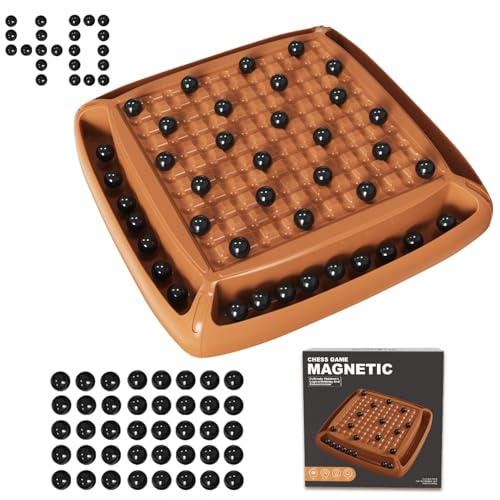
Chess is the clearest example of a strategy game that scales across generations, but it’s not the only entry point. There’s a broader category of magnetic board games — checkers, nine men’s morris, reversi, Othello — that apply the same design logic to different formats, and some of them are actually better starting points for mixed-age play.
Checkers, for example, has a learning curve that a nine-year-old can clear in five minutes. The decisions are real — they’re not trivial — but the rules don’t require a full session just to learn the basics. That makes it a better first game for a grandchild who hasn’t played strategy games before, and it plays on the same magnetic board as chess.
Two-Player Formats Are Built for Generational Connection
Two-player strategy games have a structural advantage for grandparent-grandchild play that often goes unmentioned: nobody waits 20 minutes for a turn. The game stays between the two people who actually want to connect, without the attention fragmentation that comes with larger group formats.
Rotating through multiple games on the same magnetic board keeps sessions fresh across multiple visits. One afternoon is checkers. The next is reversi. Eventually, chess. The board becomes a platform for a dozen different strategic conversations across different days and different skill levels — not a single game you learn once and eventually outgrow.
Action Point: If you’re buying for a grandchild who hasn’t played chess yet, start with checkers on the same board. Same satisfying pieces, much faster path to a first win, and a natural bridge to more complex games as interest grows.
Subscribe to our newsletter for more tips on staying connected, active, and engaged across generations: Join here




What to Look for When Buying — And What to Ignore
Game Packaging Is Designed to Sell, Not to Help You Choose
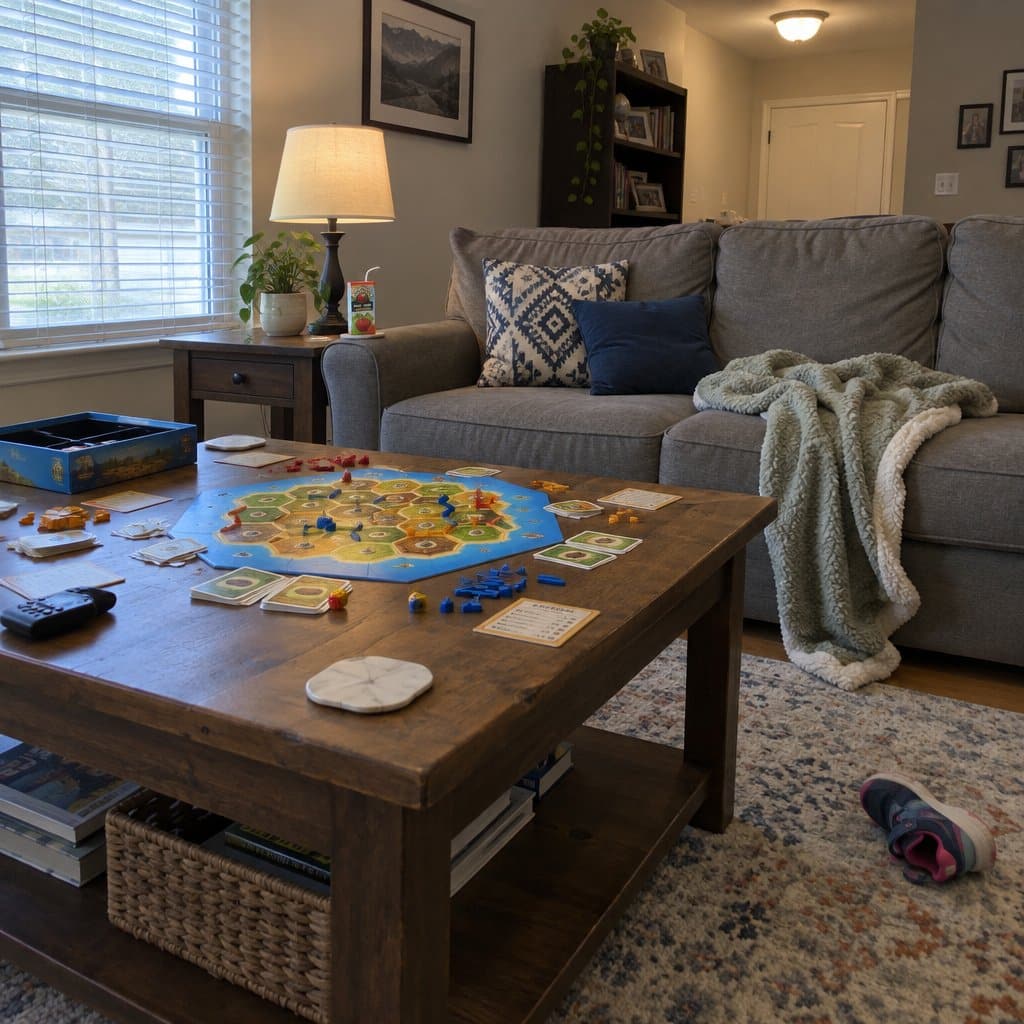
The box art, the age range sticker, the “award-winning” badge — none of those tell you whether a game will actually hold a nine-year-old and a seventy-year-old at the same table for a satisfying 30 minutes. Here’s how to evaluate before you buy.
The Piece Size Test
Can someone with mild arthritis or reduced grip strength pick up the pieces comfortably? If the pieces are smaller than a quarter, that’s a flag worth taking seriously.
This matters for both players at the table, not just the older one. Staying active and engaged means removing barriers to participation — and pieces that are too small or too fiddly are a barrier that ends sessions before they start.
The Round Length Reality Check
The box says 20 minutes. That usually means 35 for first-time players. Ask whether the game can be paused mid-session without losing state — especially important for play with younger children who may need breaks.
If a game can’t be cleanly paused and resumed, it requires a single uninterrupted block of time that most family schedules don’t reliably offer. That’s a meaningful practical limitation, not a minor inconvenience.
The Rule Card Standard
Read the rules before you buy if you can access them. If you can’t summarize the core gameplay in three sentences, neither can a nine-year-old. A game that requires a 20-minute rules explanation before the first move has already lost half its table.
Magnetic vs. Standard: When the Premium Is Worth It
For any game you plan to play on living room floors, coffee tables, or during travel, magnetic versions are worth the slight price premium. The piece security alone changes how often the game gets played and how frustrating or satisfying each session feels.
Card Holder Trays as an Accessibility Add-On
For games that use cards alongside a board, a card holder tray is worth considering as a simple accessibility addition. It removes the hand fatigue of holding a fanned hand of cards for an extended round — genuinely useful for older adults managing hand strength or arthritis, and equally useful for younger kids with smaller hands.
Action Point: Before purchasing any game, apply all three filters — piece size, round length, rule simplicity. Two out of three isn’t enough. A game that passes two criteria and fails the third will be the game nobody plays after the first session.





Family Strategy Game Buyer’s Cheat Sheet
Download this free cheat sheet to eliminate the guesswork from family game selection—discover the three simple filters that guarantee a game will engage both your nine-year-old and your seventy-year-old, not just one of them.
The Game Is the Vehicle — Connection Is What You’re Actually After
One Good Game, Played Consistently, Is Enough
The best family strategy games aren’t the ones with the most colorful boxes or the cleverest marketing. They’re the ones that pass three quiet tests — pieces you can actually handle, rounds that end before someone checks their phone, and rules that fit on one card.
You don’t need a game night coordinator or a rotating stack of options. You need one game that works, played consistently. That’s where real connection happens — not in novelty, but in the familiar rhythm of sitting down across from someone you love and playing something you’re both genuinely in it for.
I’ve watched enough sessions across enough generations to know that the second game is always better than the first. The pieces feel familiar. The strategy starts to take shape. The nine-year-old stops asking what they’re supposed to do and starts thinking about what they want to do. That’s the shift worth waiting for.
For more ideas on activities that bring generations together, take a look at some of the best hobbies for older adults that work well for shared time, or explore card games for seniors as a complement to the strategy game options here. If you’re thinking about gifts for an upcoming visit, the gift guides for older adults on this site include a range of options that travel well and get used.
Start with one game from this list. Play it twice before forming an opinion — the second session is always better than the first. Then share in the comments which game has worked best across generations in your family. Your experience might save someone else an hour of searching.