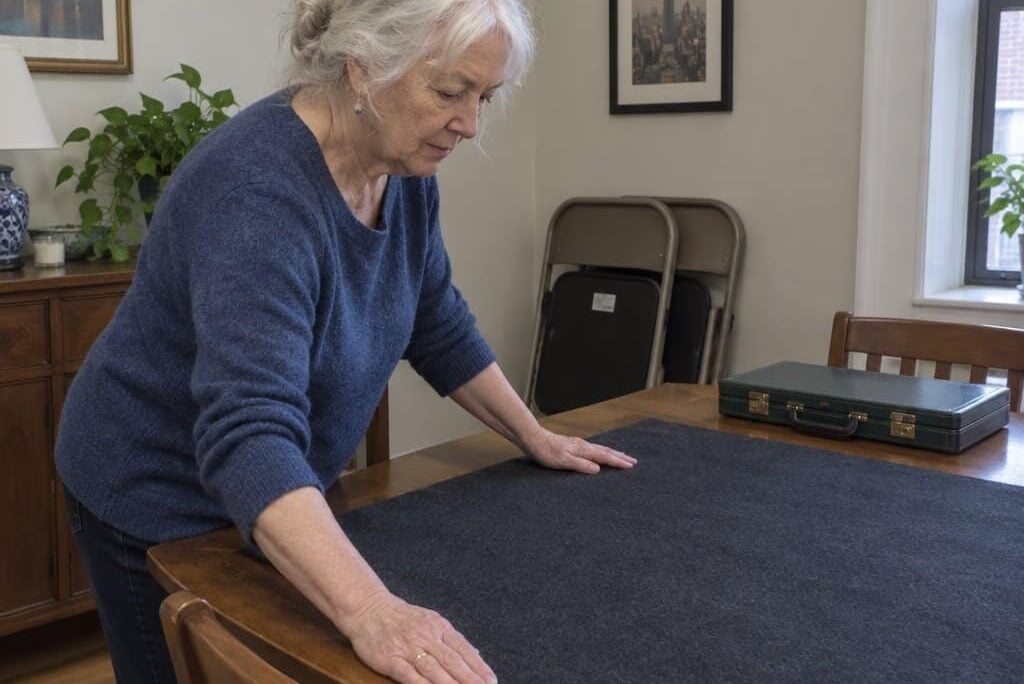
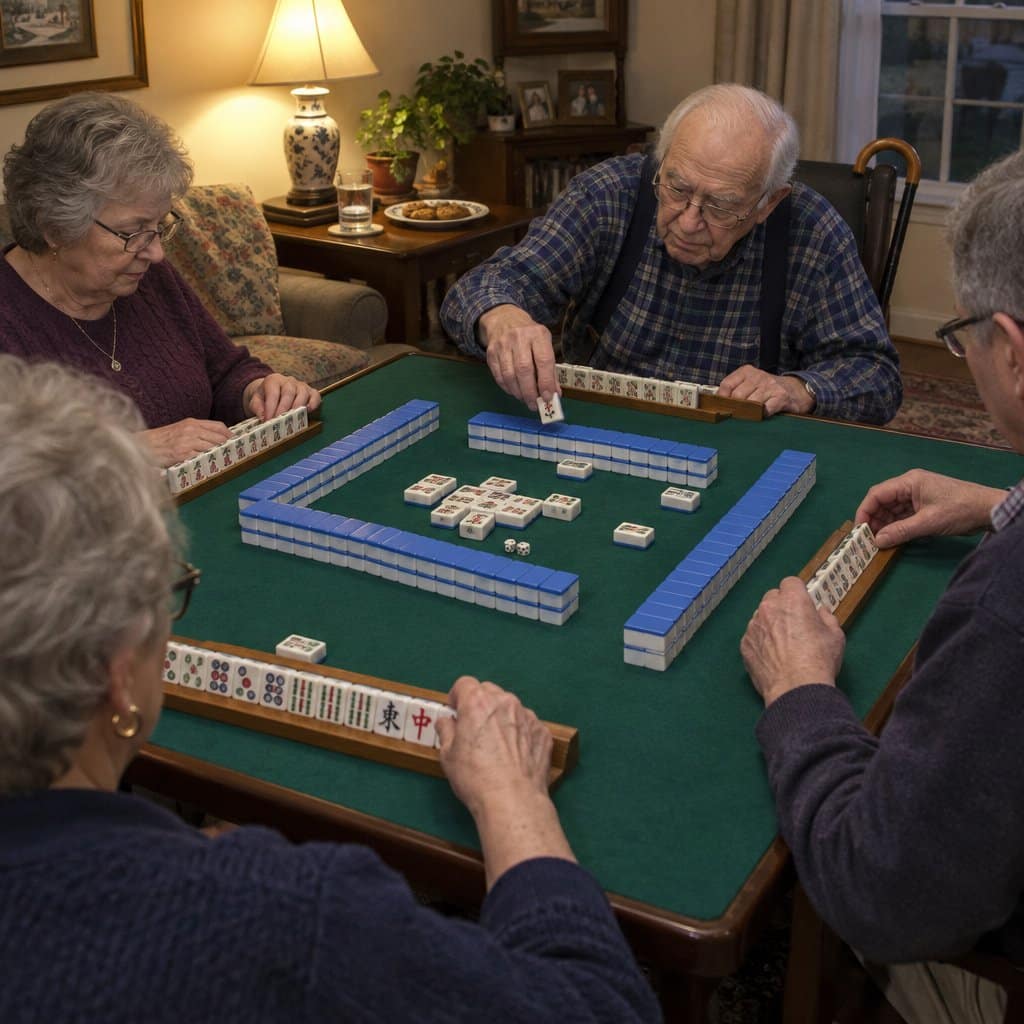
You know that sound. The satisfying clatter of mahjong tiles hitting the table, the rhythmic shuffle as everyone mixes the wall, the confident thwack of a winning piece laid down. It’s the soundtrack of a game night you’ve spent years building — good friends, good company, and a table full of tiles.
And then comes the knock on the wall. Or the neighbor in the hallway. Or the quiet worry that you’re keeping someone up.
Being told to “keep it down” when you’re simply enjoying time with people you love feels genuinely unfair. The noise isn’t chaos — it’s just mahjong. But that doesn’t mean it has to carry through the floor, the walls, or into the unit next door. There’s one simple surface change that can cut the noise dramatically without changing a single thing about how you play, when you play, or who sits at your table.
This guide walks through why tile games are so loud, what doesn’t work, and exactly what does — so your next game night stays yours.
Quiet Game Night Setup Checklist
Download this complete setup checklist and take the guesswork out of hosting quiet game nights—eliminate noise complaints while keeping tile games fun and friction-free for everyone at your table.
Why Tile Games Are So Much Louder Than Other Games
It’s Not You — It’s Physics
Mahjong tiles are dense, heavy, and hard. When they hit a hard surface — a wood dining table, a folding card table, a laminate top — the impact creates a sharp percussive sound that radiates outward in every direction.
That sound doesn’t just move through the air. It transmits directly through the table, into the floor, and through the walls via vibration. In apartments and condos, especially older buildings where units share floors and walls, that transmission is remarkably efficient.
Why Shared Housing Makes This Worse
In a house, tile noise is mostly contained. In an apartment, a senior living community, or a condo with thin walls and shared ceilings, that same game registers as a disturbance two units away.
The problem isn’t that you’re being careless — it’s that hard surfaces amplify sound through resonance. A bare table works like a drumhead, turning every tile placement into a mini impact event. Understanding this makes the fix obvious: you need to absorb that sound before it has a chance to travel.
What Doesn’t Work (And Why People Try It Anyway)
The Towel Trick Falls Short
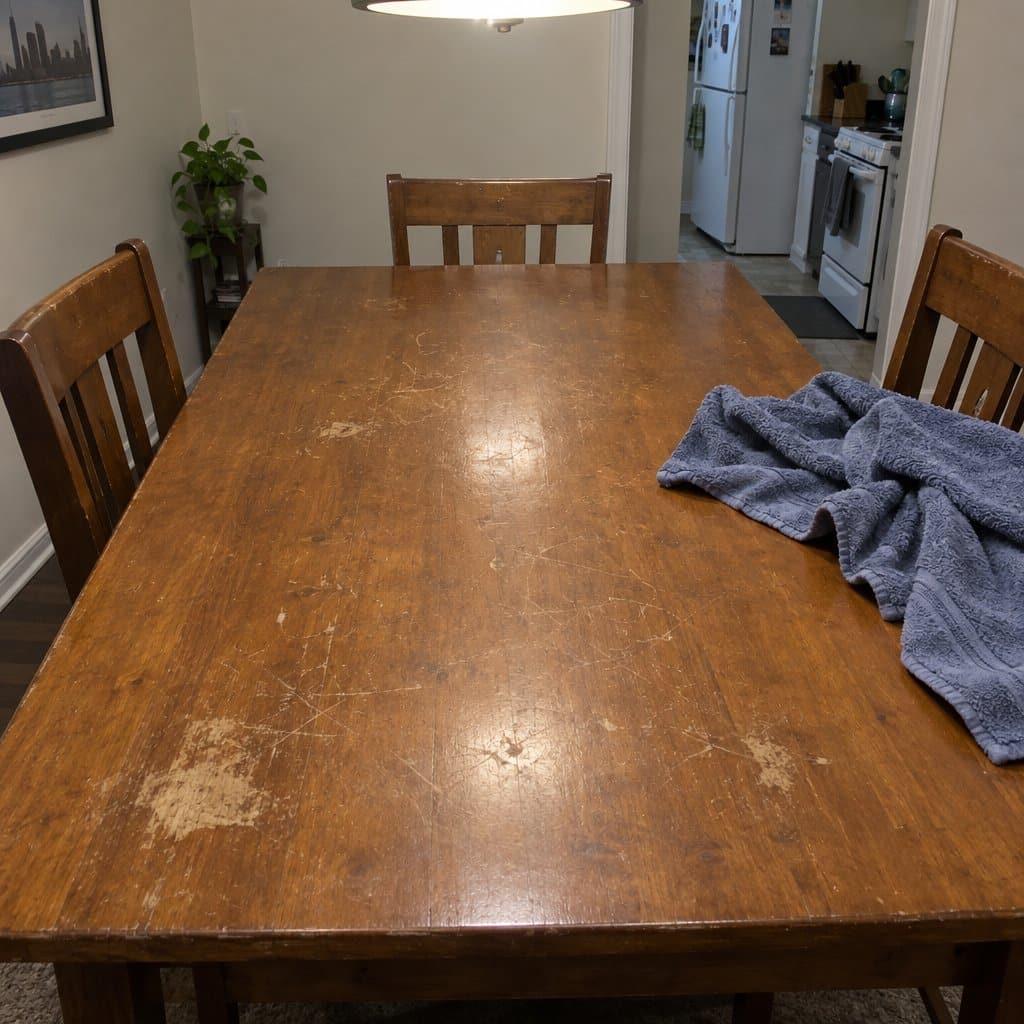
Folding a bath towel or tablecloth under the tiles is the most common workaround — and it’s almost universally frustrating. The fabric bunches, tiles catch on the weave, the whole surface shifts mid-game, and the setup looks improvised because it is.
More importantly, it doesn’t actually solve the noise problem. A standard cotton towel isn’t dense enough to absorb impact; it just softens the feel slightly while tiles still skitter and slap unpredictably. You end up annoyed at your surface and your neighbors are still annoyed at you.
Playing More Carefully Isn’t Realistic
Some players try to slow down, place tiles more gently, or avoid shuffling with full force. This works briefly and then completely falls apart the moment someone gets excited about a draw or a friend forgets to be delicate. You shouldn’t have to police your own enthusiasm at your own table.
Generic Mats Aren’t Designed for This
Thin rubber shelf liners, craft table mats, and card table pads designed for other purposes all have the same problem: wrong texture, wrong density, and no meaningful noise absorption. Tiles don’t move naturally on surfaces with high friction, and surfaces without enough density let impact sound pass right through.
These workarounds treat the symptom without addressing the real issue — the playing surface itself. The right surface absorbs sound at the source before it has a chance to travel. That’s where a purpose-built solution comes in.
How a Mahjong Table Mat Actually Reduces Noise


Does a Mahjong Mat Reduce Noise? Yes — Here’s Why
A quality mahjong table mat isn’t just a felt cloth thrown over a table. It’s a layered noise-reduction tool designed specifically for tile games. The dense foam or felt core absorbs the impact energy of each tile placement before that energy converts into sound — which means the clatter simply doesn’t happen the way it does on bare wood or laminate.
The difference between a mahjong mat vs a bare table isn’t subtle. It’s the difference between a sharp crack and a soft thud. Tiles still feel satisfying to place and shuffle, but the sound doesn’t carry. For anyone living in shared housing, that’s not a small thing — it’s what makes the game playable without conflict.
Why Thickness Matters
Not all mats are equally effective. Thickness is the single most important variable when it comes to noise absorption. A mat under 3mm offers minimal reduction — the impact still transmits through to the table surface beneath. A mat of 3mm or more provides meaningful absorption, and thicker options (4–5mm) are even better for hard dining tables with no natural give.
A quality mahjong table mat also protects your table from scratches — a practical bonus that most readers don’t think about until they notice the wear after a few months of regular play.
When you’re ready to make the upgrade, a purpose-built mahjong table mat is the straightforward solution this whole section has been building toward.


Subscribe to our newsletter for more tips: Join here
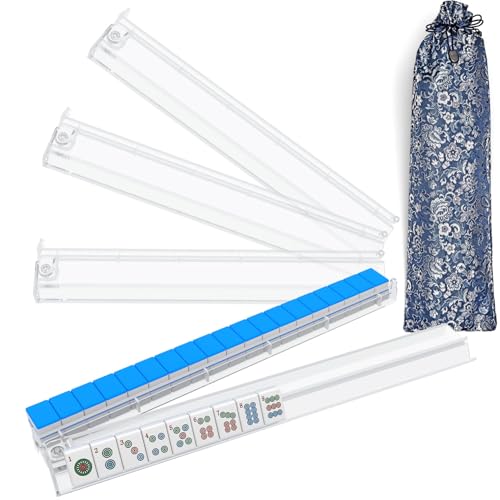
What to Look for When Choosing a Mahjong Mat


Mahjong Mat Features to Look For
Knowing what to look for keeps you from a disappointing purchase. Here’s what actually matters — framed not as specs, but as what each feature means for your game night.
- Thickness (3mm minimum): This is your noise reduction foundation. Go thinner and you’ll feel the difference but not hear it. Go 3mm or more and you’ll hear the silence.
- Surface texture: The ideal surface is smooth enough that tiles glide naturally during shuffling, but grippy enough that they don’t slide after placement. You want controlled movement, not frictionless chaos or dragging resistance.
- Size: The mat should cover your full playing area with a few inches of overhang on each side. Measure your table before you order — a mat that’s too small forces tiles to the edge where they hit bare wood.
- Non-slip backing: Critical for safety, especially on polished dining tables. The mat shouldn’t shift when someone leans in or places a tile with enthusiasm. Look for rubberized or suction-style backing.
- Rollability and storage: If you don’t leave the mat set up permanently, it needs to roll up cleanly without creasing. A mat that holds a fold becomes uneven and frustrating to use.
- Easy to wipe clean: Tiles are handled constantly, snacks appear, drinks get close. A surface that wipes down quickly between sessions is one you’ll actually maintain.
What About a Card Table Felt Pad?
If you play on a folding table rather than a dining table, a card table felt pad can be a budget-friendly alternative that fits the format naturally — designed to lay flat, cover the full surface, and stay in place on lightweight folding frames.


Setting Up Your Quiet Game Night — Start to Finish



The Setup Takes Five Minutes
Before guests arrive, unroll the mat flat on your table and smooth out any edges. If it has a non-slip backing, press it gently into place — it should grip without any fastening. That’s genuinely all the setup involved.
Give the surface a quick wipe with a damp cloth before play and after. Tiles leave oils and residue over time, and a clean surface keeps tiles moving naturally and extends the life of your mat.
Small Additions That Compound the Effect
The mat does the heavy lifting, but a few small habits make the full picture quieter:
- Keep the volume in conversation, not in tile placement — enthusiasm is welcome, but a relaxed grip goes a long way
- Soft chair pads reduce the sound of chairs shifting on hard floors
- Avoiding hard-soled shoes on bare floors keeps impact noise from traveling downward
None of these require effort or sacrifice. They’re the kind of small adjustments that add up without anyone noticing they’ve changed their behavior.
What Game Night Feels Like After the Mat Arrives
Same friends. Same tiles. Same laughter. But when someone shuffles the wall or lays down a tile with confidence, the sound stays at the table. No one winces. No one glances at the clock. No one worries about the neighbor.
In my experience, the mat also improves the feel of the game itself — tiles shuffle more smoothly, sit more securely during play, and handle better when you’re sorting your rack. It’s one of those upgrades that makes you wonder why you waited.
For players who want a complete quiet tile game surface setup that works for mahjong and other tile or card games, a game table mat designed for multi-game use is worth looking at as well.


Social connection through regular game nights has real, documented benefits for mental health and engagement — and protecting the rituals that keep you connected to your community matters more than most people give it credit for. If you’re curious about other ways to stay socially engaged, there are some genuinely fun options worth exploring.
Quiet Game Night Setup Checklist
Download this complete setup checklist and take the guesswork out of hosting quiet game nights—eliminate noise complaints while keeping tile games fun and friction-free for everyone at your table.
Your Game Night Is Worth Protecting
Noise complaints don’t have to mean the end of tile game night. The sound of mahjong tiles on a hard table is a fixable acoustic problem — not a reason to stop playing the game you love.
You’ve spent years building friendships around that table. A mahjong table mat is a small investment in something that genuinely matters to your quality of life and your social connections. Once you’ve played on the right surface, you won’t go back — and your neighbors won’t have a reason to knock.
Measure your table this week and order a mat before your next game night. And if you’re upgrading your whole setup at once, pairing a new mat with a quality tile set makes the experience feel fresh all the way around.


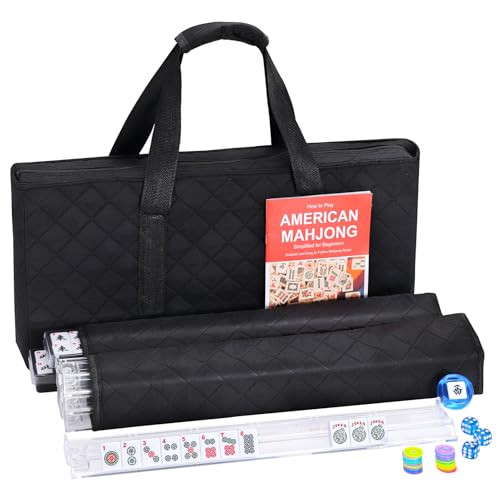

I’d love to hear how you handle noise-sensitive living situations — whether it’s a mat, a different room, a different time of night, or something I haven’t thought of. Share what’s worked for you in the comments. Your solution might be exactly what someone else needs.
If you’re thinking about other ways to make your home more comfortable and social-friendly, the guides on choosing the right flooring for seniors and improving lighting throughout your home are both worth a read — small changes that make a real difference in how a space feels and functions.
And if you play other games at your table, our roundup of the best card games for seniors has some great options that travel well alongside a good mat setup — because the best game nights usually don’t stop at one game.