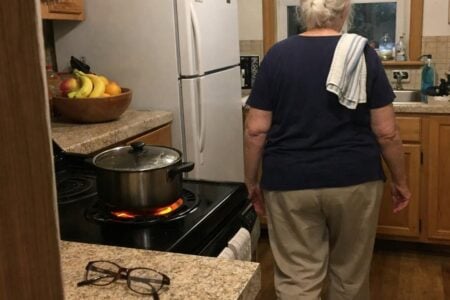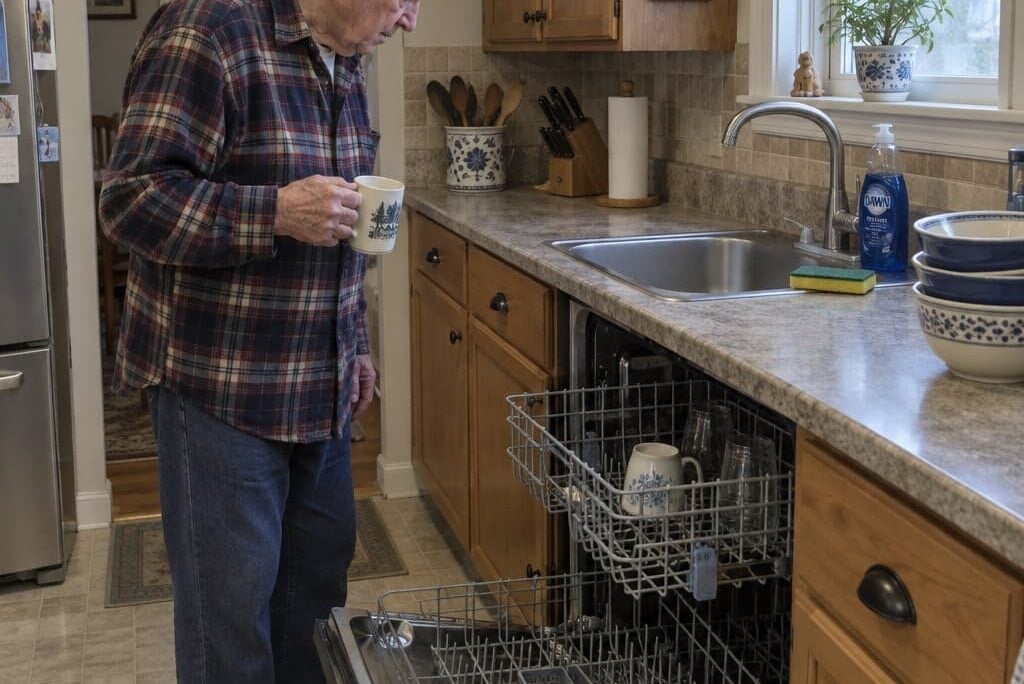
You stopped by your mom’s house on a Tuesday afternoon and noticed something you couldn’t quite explain. The cereal was on the wrong shelf. The coffee mugs were in the cabinet where the plates used to go. And she paused — just for a beat — in front of the open dishwasher like she was trying to remember something she’d done a thousand times before.
You didn’t say anything. But on the drive home, you couldn’t stop thinking about it.
That’s the moment most caregivers describe — not a dramatic event, but a quiet shift. And it raises a question that has no easy answer: how do you help without making your parent feel like they need help?
Here’s what I want you to know before we go any further: there is a version of kitchen labeling for memory loss that works — genuinely works — and looks indistinguishable from thoughtful home organization. You’re not announcing a diagnosis. You’re building a system. And that framing changes everything about how you implement it.
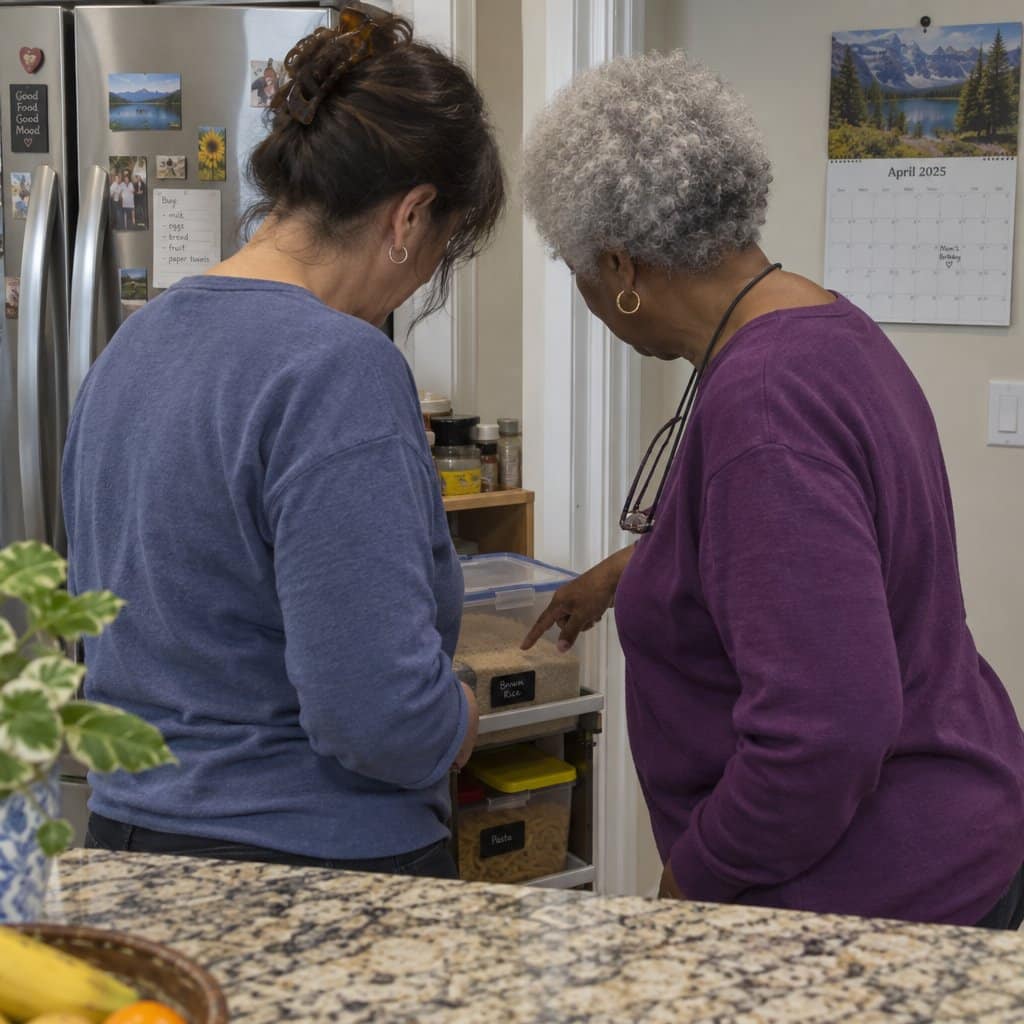
Kitchen Labeling for Memory Changes Checklist
Get this step-by-step checklist to discreetly label your parent’s kitchen so they can move through their day with more confidence and independence—without the space looking medicalized or institutional.
Why Visual Cues Help With Short-Term Memory Loss — And Why Most Labeling Advice Goes Too Far
The Brain Doesn’t Forget Everything at Once
Short-term memory changes don’t erase a person’s sense of home or routine — they interrupt retrieval. The kitchen hasn’t become unfamiliar. It’s just that the mental filing system for where the colander lives, or which drawer holds the spatulas, sometimes misfires.
Visual cues work because they do the retrieval work instead. When the environment itself carries the information, the brain doesn’t have to work as hard to locate it.
This Isn’t About Intelligence — It’s About Navigation
A label on a pantry bin isn’t a sign of cognitive failure. It’s a navigational tool — the same reason airports have signs, kitchens have spice jar labels, and file cabinets have tabs.
The problem with most labeling advice for memory support is that it skips directly to clinical — bold fonts, bright colors, laminated cards that scream “something is medically wrong here.” That approach may technically work, but it tends to get removed within a week because the person living in the kitchen hates how it makes their home feel.
The Alternative Framing That Changes Everything
Every well-organized home uses labels. Pantry bins. Spice jars. Storage containers. File folders. The goal with kitchen labeling for memory loss is to create a system that any organized person might have — one that just happens to be exactly what a memory-challenged person needs.
Kitchen organization and memory support are not two different things. When you label a kitchen thoughtfully, you’re not accommodating a condition. You’re building a system that works.
The Best Place to Start: Labels Inside Cabinets and Drawers, Not on the Outside
The Most Effective Labels Are the Ones Nobody Else Can See
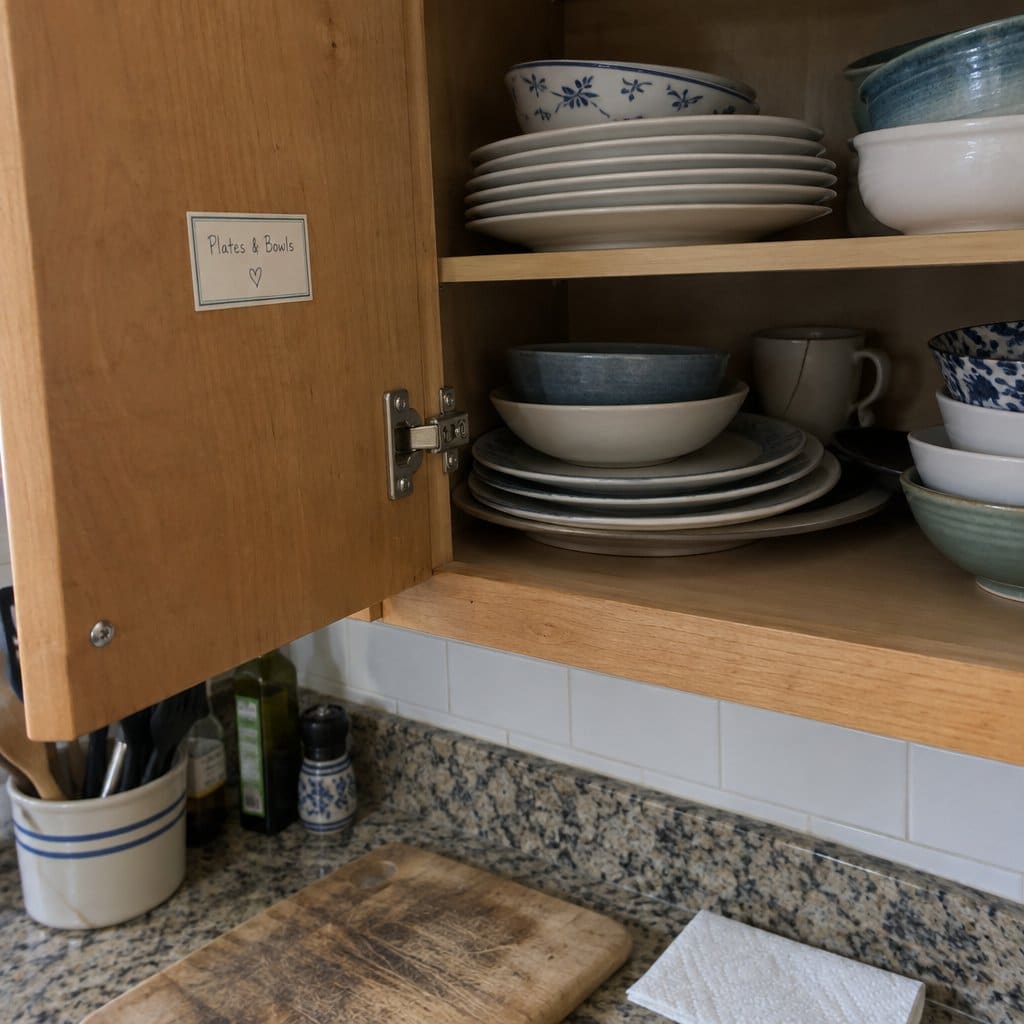
If there’s one practical insight I want you to take away from this article, it’s this: label the inside of cabinets and drawers, not the outside.
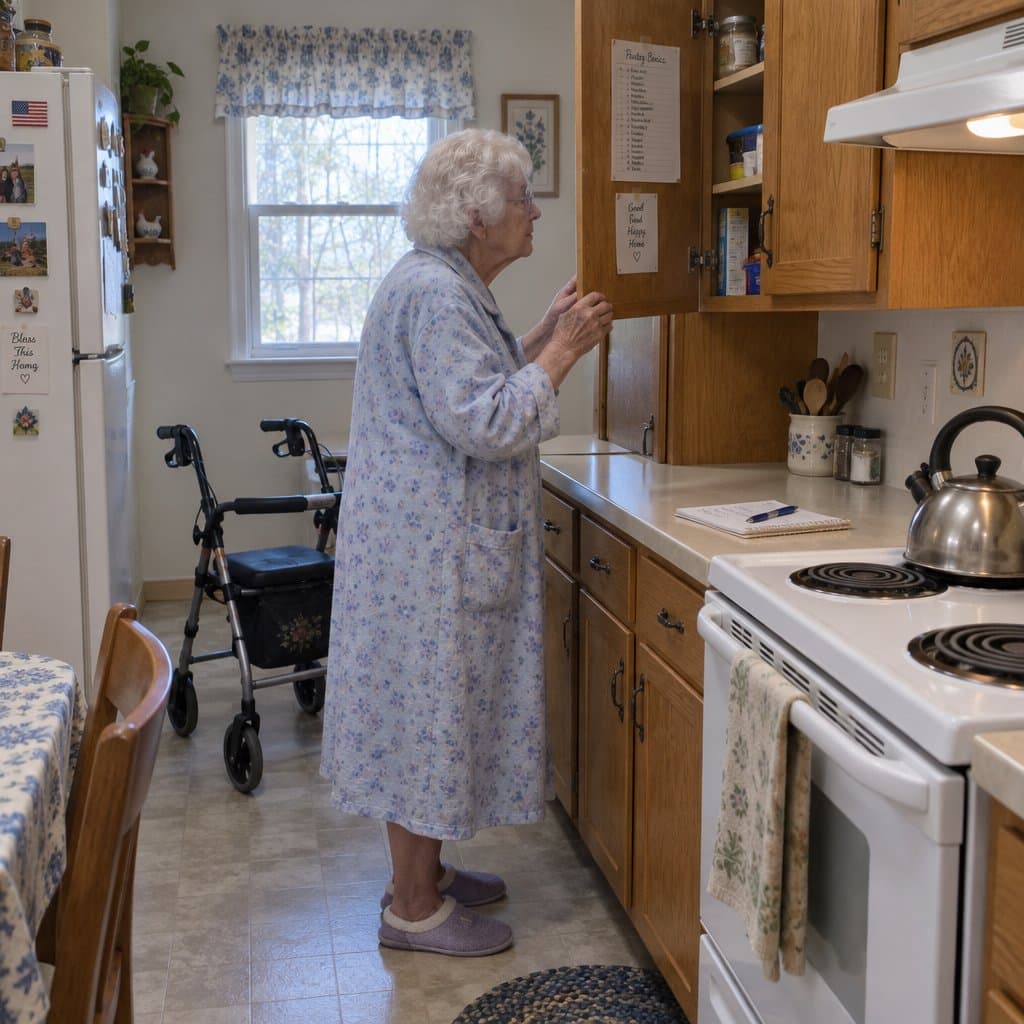
When a cabinet door is open, the person who needs the cue sees it clearly. When it’s closed, visitors see nothing. It’s completely discreet — and it works just as well as any exterior label would.
The Best Candidates for Interior Labels
Start with these locations before anywhere else:
- The inside face of cabinet doors above the correct shelf — “Glasses here” or “Plates — bottom shelf”
- The inside face of a drawer — “Silverware: forks on left, spoons in middle”
- The inside of the dishwasher door — which direction cups face, what goes on top vs. bottom rack
This mirrors what many organized households already do. It’s not a clinical intervention — it’s a logic system.
Why the Dishwasher Is the Perfect Starting Point
The dishwasher is one of the most common points of confusion in a kitchen — which direction cups face, whether bowls go on top or bottom, where to put large pots. A loading guide placed inside the dishwasher door addresses all of that without being visible a single second when the door is closed.
A dishwasher loading guide — a simple diagram or labeled template that affixes to the inside of the door — is one of the most effective and invisible memory cues you can put in a kitchen. It solves a specific, recurring problem without any visible sign that it’s there.


Start With One Win Before You Label Everything
Don’t try to label the whole kitchen in one afternoon. Start with the dishwasher door or a single cabinet — somewhere your parent is already hesitating. A small, helpful win builds momentum and shows the system is useful, not intrusive.
What Kind of Labels to Use — So the Kitchen Looks Organized, Not Clinical

The Aesthetic of the Label Matters as Much as the Information on It
Standard white adhesive labels with typed black text have an immediate institutional read. They signal “medical accommodation” even before anyone reads the words. Avoid them — not because they don’t work functionally, but because your parent will likely peel them off within the week.
Chalkboard Labels: The Style-Forward Choice
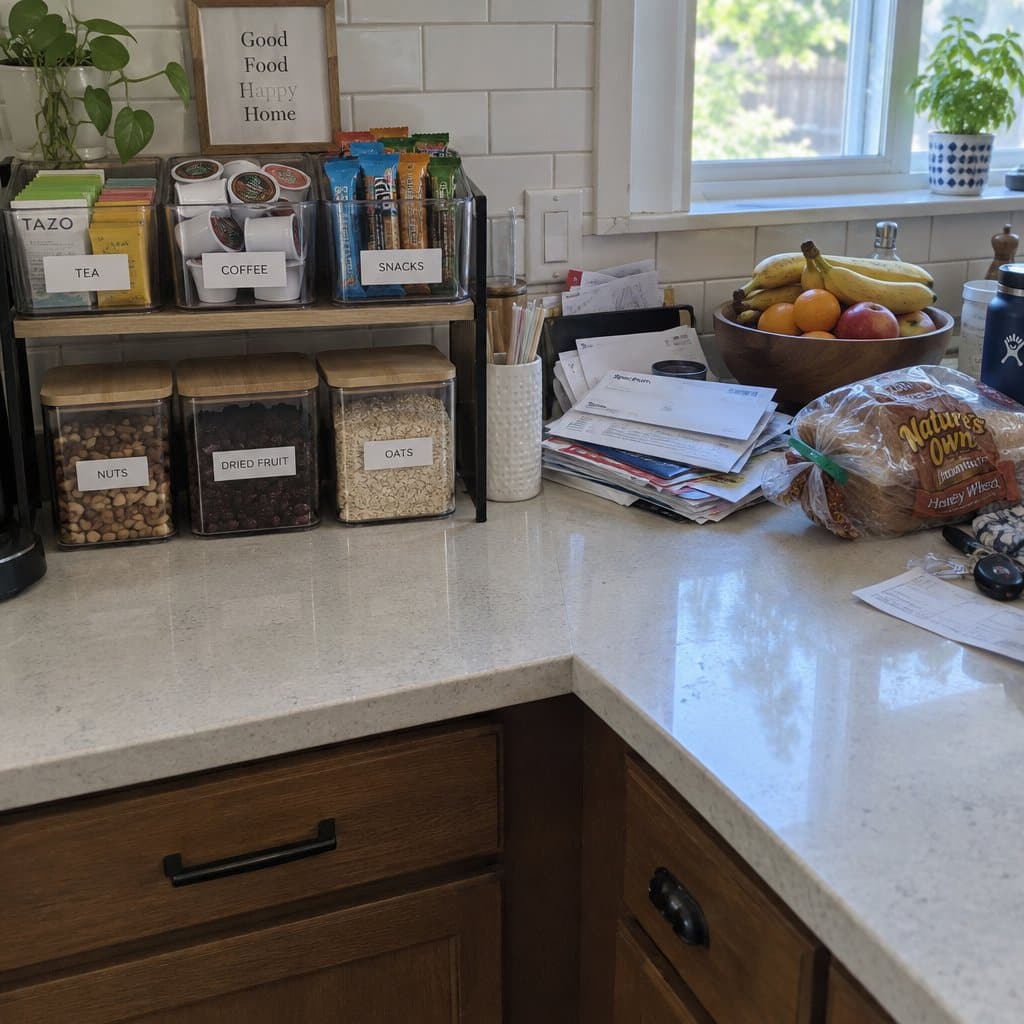
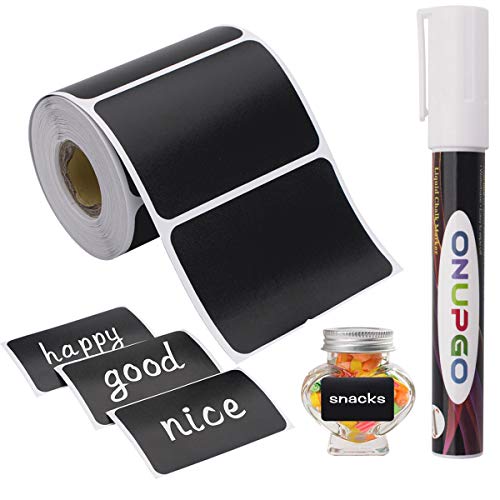
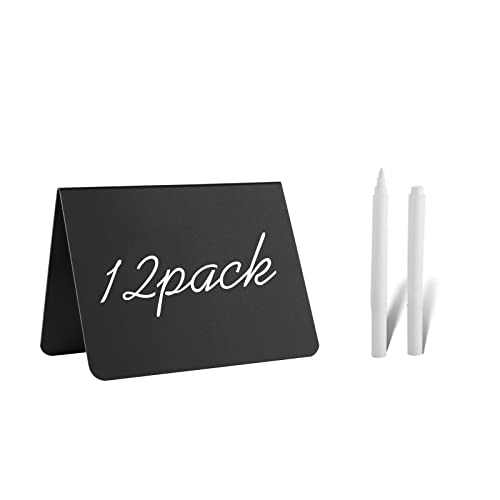
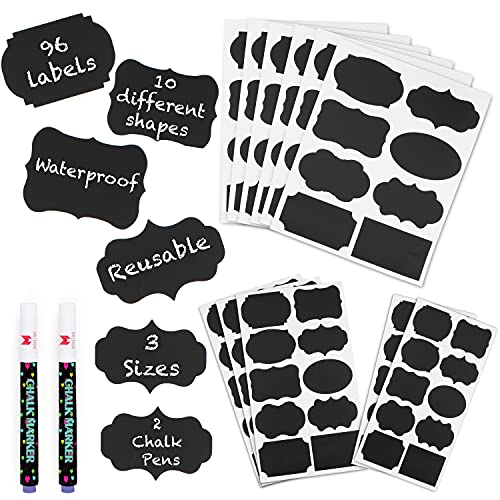
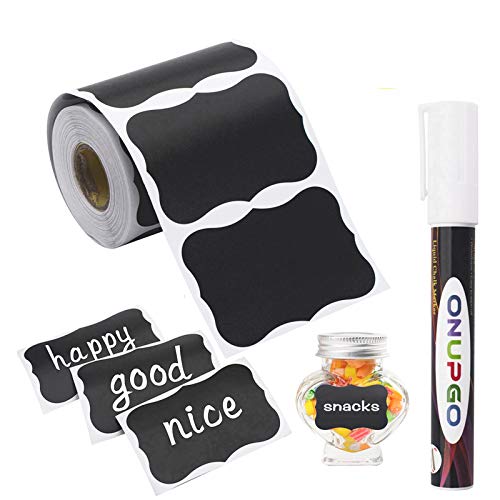
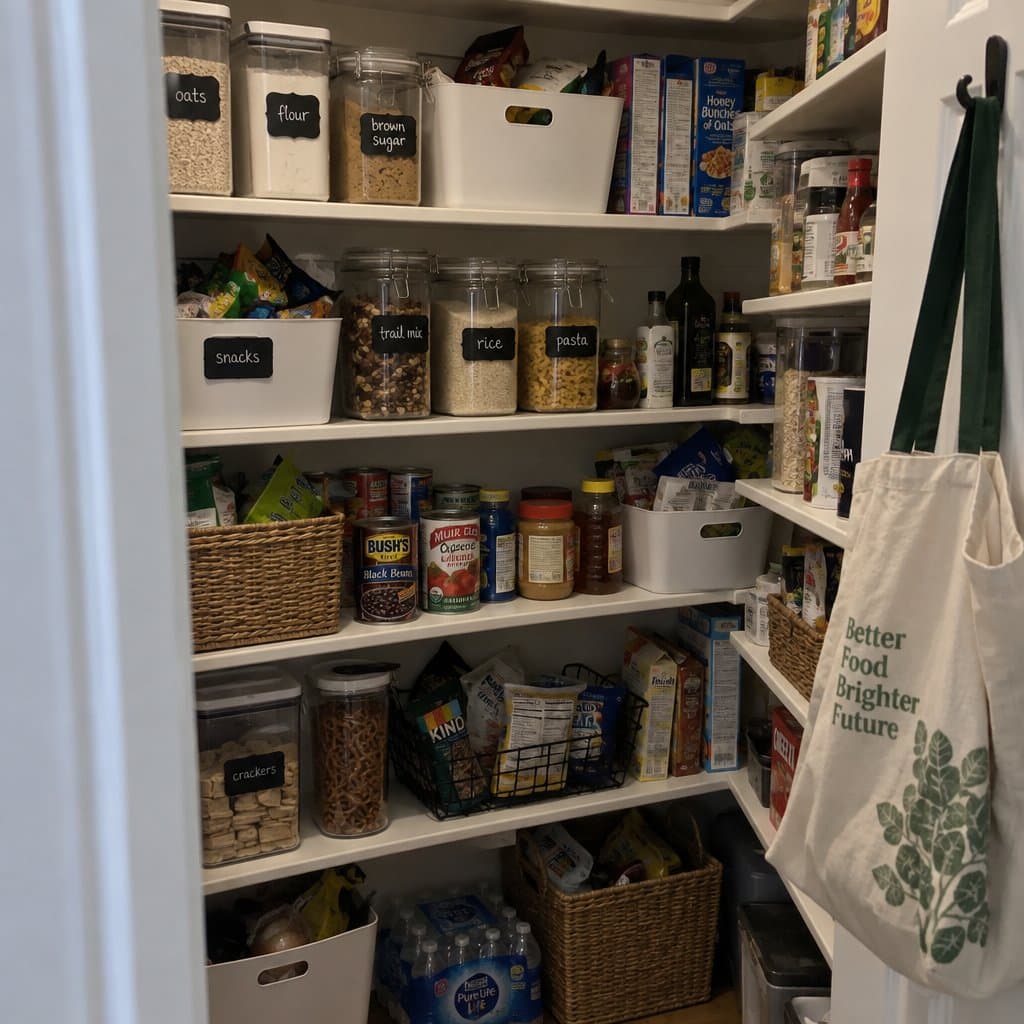
Chalkboard labels — dark backgrounds with handwritten or chalk-pen text — read as intentional, stylish kitchen organization. You’ll find them in farmhouse kitchens, food blogger homes, and home organization features. They do exactly the same job as a clinical label, with none of the stigma attached.
A set of chalkboard labels for pantry bins, spice jars, and cabinet shelves looks like something out of a home organization article — and it is. That’s precisely the point.


Picture Label Stickers for Image-Based Cuing
For some individuals, images work better than text. A small illustrated label showing a fork, a measuring cup, or a can of soup communicates instantly — no reading required. Picture label stickers can be placed on bin fronts, spice jars, or appliance buttons without looking out of place in most kitchens.


A Label Maker Keeps Things Consistent and Clean
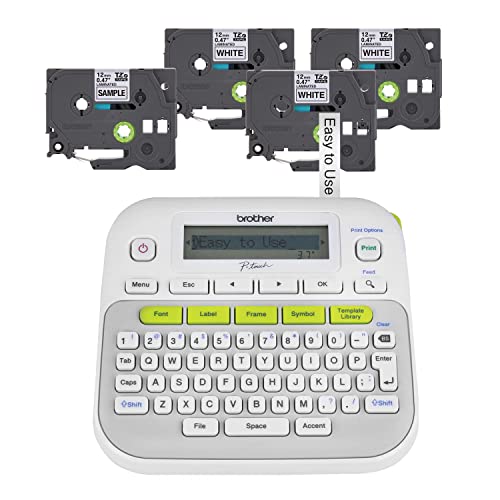
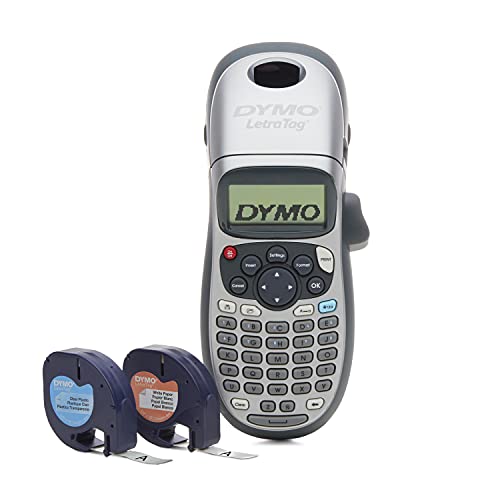
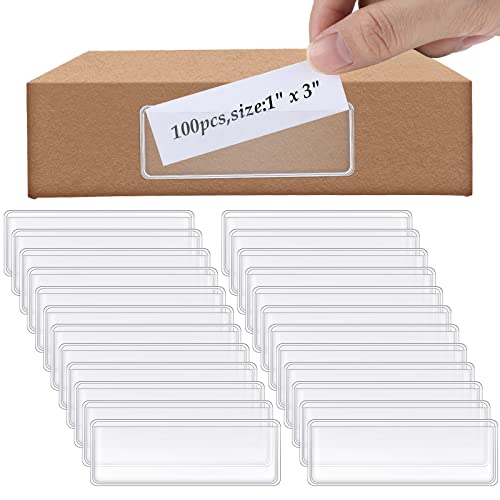
For text-based labeling throughout the kitchen — appliance controls, drawer interiors, pantry shelf edges — a label maker lets you create clean, matching labels quickly. A consistent visual style across the kitchen feels intentional, not scattered, and that consistency actually helps with recognition.





The “Home Organization Blogger” Test
Here’s a quick check before you place any label: would a home organization blogger put this here? If yes, it’s a safe, discreet placement. If it looks like it belongs on a hospital supply cart, reconsider the format or location.
Supporting a parent with memory changes is one of the most tender and demanding roles you’ll ever take on. Each week, I share trusted tools, practical strategies, and honest advice to help you do it well — without losing yourself in the process. Subscribe to our newsletter and get the guidance you need, when you need it.
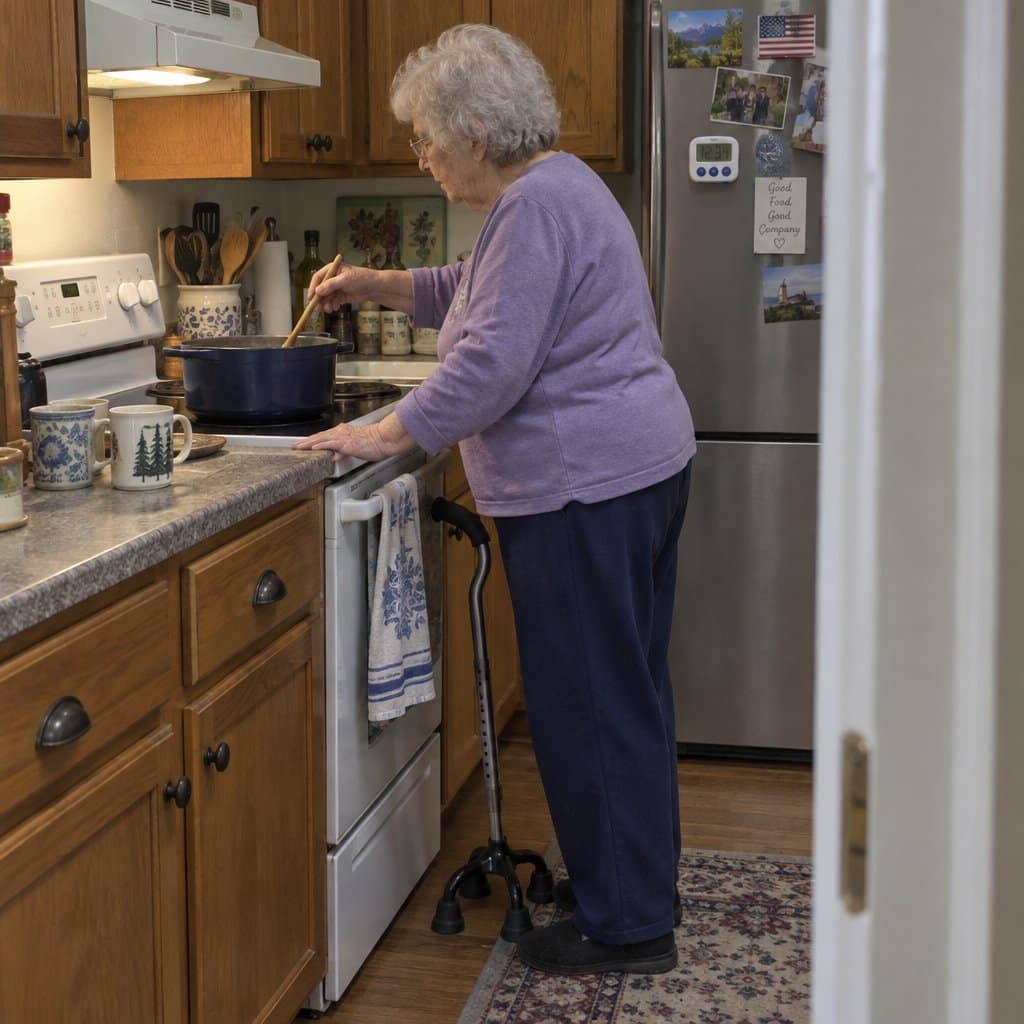
Where to Put Labels in the Kitchen — The Spots That Make the Biggest Difference


Strategic Placement Beats Comprehensive Labeling Every Time
A kitchen covered in tags is overwhelming, not helpful. A few well-placed labels in the right spots do far more than wall-to-wall coverage.
The goal is reducing decision fatigue at the exact moments it’s already happening — not accounting for every spoon and pot lid in the house.
The Four Highest-Value Locations
These are the places where kitchen labeling for memory loss makes the most practical difference:
- Inside the dishwasher door — loading direction, rack assignments, which items go where
- Inside cabinet doors — which shelf holds glasses, plates, or bowls; visible when open, invisible when closed
- Inside the pantry or on bin fronts — grouped categories like “Breakfast,” “Baking,” or “Snacks” so retrieval is visual rather than recalled
- Near appliance controls — a small, clean label maker tag near a stove knob or microwave button that names its function
A well-chosen set of kitchen cabinet labels placed on bin fronts and shelf edges creates a category system that any organized household might have — one that makes the pantry easier to navigate for anyone, but especially for someone whose retrieval has become less reliable.


Start Where the Hesitation Is Already Happening
Spend 15 minutes paying attention to where your parent pauses or searches in the kitchen. Those friction points — the open cabinet door, the moment before the dishwasher — are exactly where labels go first. You don’t need to guess. The hesitation tells you.
This also connects to a broader conversation about reducing hazards and confusion in the home — the same principle that guides fall prevention applies here. You’re modifying the environment to meet your parent where they are, not the other way around.
The Inside Top Edge Trick
One placement worth knowing: a label affixed to the inside top edge of a cabinet door — rather than the inside face — sits at eye level when the door swings fully open, and is completely hidden when closed. It’s the most invisible-when-closed, visible-when-needed placement in the kitchen.
Don’t Just Label the Kitchen — Do It With Your Parent, Not For Them
How You Introduce the System Matters More Than the Labels Themselves
I’ve watched well-meaning caregivers arrive at a parent’s home with a label maker and spend an afternoon transforming the kitchen while their parent sits at the table watching. That image — of control being taken, not support being given — is exactly what you want to avoid.
The most effective memory aid in a kitchen isn’t the label. It’s the familiar, comfortable relationship between a parent and a home they still feel in charge of.
Frame It as a Shared Project
Try this opening: “Mom, I’ve been trying to get more organized in my own kitchen and I thought we could do yours the same way — want to help me figure out the best system?”
That framing is honest. It’s collaborative. And it positions the project as something you’re doing together, not something being done to her. If you’re navigating home safety modifications alongside this, the same collaborative approach works there too.
Invite Input on Style and Placement
Let your parent help choose the label style. Show them a few options — chalkboard, picture-based, clean text — and ask which one they’d prefer. Ask where they find things confusing. Let them help decide where labels go.
A system someone helped design is more familiar and less alarming than one imposed on them. That buy-in is not a small thing — it’s what determines whether the labels stay on the walls or end up in the trash by next Thursday.
When a Parent Resists — And How to Respond
Some parents will push back, and that’s okay. Don’t force it during one visit. Plant the seed, let it sit, and return to it gently. Starting with a low-stakes area — a pantry bin system or a spice organization project — is a neutral entry point before you move to more personal areas like the stove controls or dishwasher.
Caregiving for a parent with memory changes is already a delicate balance between support and autonomy. The labeling conversation is just one version of a larger dynamic — one that resources on products that support independence at home and staying connected from a distance can also help you navigate.
Keep the Tone Light and Practical
During the labeling project itself, keep the conversation focused on the kitchen — not on memory, not on what’s been changing, not on the future. Talk about the spice organization. Ask if she prefers the chalkboard labels or the typed ones. Keep it light.
The goal is a kitchen that still feels like home. That feeling is built in the details — including the tone of the afternoon you spend labeling it together.
Kitchen Labeling for Memory Changes Checklist
Get this step-by-step checklist to discreetly label your parent’s kitchen so they can move through their day with more confidence and independence—without the space looking medicalized or institutional.
A Saturday Afternoon Is All It Takes
Kitchen labeling for memory loss doesn’t require a renovation, a professional, or a hard conversation about diagnosis. It requires a few good labels, a clear sense of where to put them, and an afternoon with your parent.
When you choose the right label types — chalkboard, picture-based, or clean label-maker text — and place them inside cabinets, inside drawers, and inside the dishwasher door, visual cues for short-term memory loss at home become indistinguishable from thoughtful home organization. Any visitor would assume you just have a well-labeled kitchen. Because you do.
And if you’re looking for additional ways to make the home environment safer and more navigable for an aging parent, bathroom safety products and proper lighting throughout the home are two areas worth exploring alongside the kitchen.
This week, pick one spot — the dishwasher door, one cabinet, one pantry bin — and label just that. See how your parent responds. Then share in the comments what worked, what their reaction was, or what you’re trying next. Your experience is exactly what another caregiver reading this at midnight needs to hear.