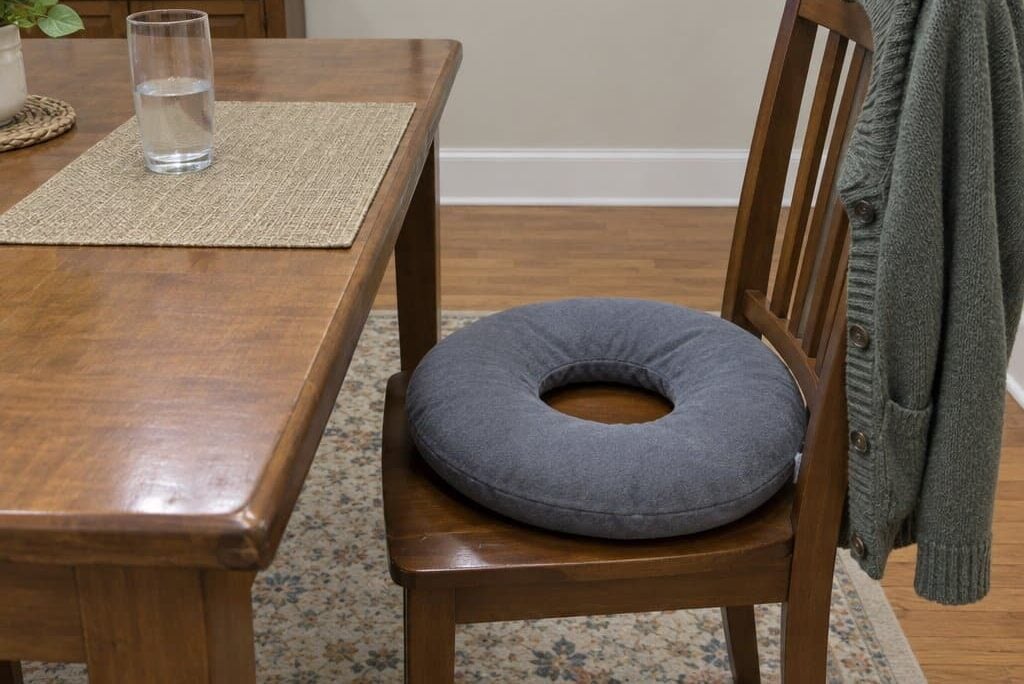
You ordered a seat cushion online — probably the one with the most reviews — used it for a week, and nothing changed. Maybe it even made things worse. Now you’re wondering if seat cushions actually work, or if you just wasted your money.
Here’s what I’ve found after testing dozens of these products: the cushion almost certainly works. It just wasn’t designed for your specific problem.
The shape of a seat cushion is the most important variable — more important than the brand, the price, or the foam type. And once you match the right shape to the right symptom, the difference is immediate. By the end of this article, you’ll know exactly which of the three main seat cushion shapes fits your situation — and which ones to avoid.
The three shapes we’re covering: donut (open-center), wedge, and gel. Each one was built for a different physical problem. Let’s start with why that distinction matters more than anything else.
Seat Cushion Shape Matching Cheat Sheet
Stop guessing which seat cushion will actually help—download this shape-matching cheat sheet to identify the exact cushion type that solves your specific pain or pressure problem in plain language, with no browsing required.
Why Shape Matters More Than Brand, Price, or Foam Type
Most people shop for seat cushions by scrolling through bestseller lists, sorting by price, or picking the one with the most stars. That’s understandable — but it’s also why so many people end up with a cushion that doesn’t help.
The Shoe Analogy That Changes Everything
Think about footwear. A premium running shoe won’t help you on a rocky hiking trail — not because it’s a bad shoe, but because it was designed for a different surface. The same logic applies here.
A donut cushion is engineered to eliminate contact at a single point. A wedge cushion is engineered to correct the angle of your pelvis. A gel cushion is engineered to spread pressure evenly across the entire seating surface. None of those functions are interchangeable.
The Three Problems Cushions Actually Solve
- Concentrated pressure on the tailbone or coccyx — a specific, pinpointed ache right at the center of your seat
- Spinal and pelvic misalignment — pain that radiates from your lower back into your hips or legs
- Full-surface pressure distribution — soreness or skin sensitivity from long hours of sitting without enough repositioning
Once you know which of those three problems you’re solving, the shape almost picks itself. That’s exactly what the sections below will help you do.

The Donut (Open-Center) Cushion — Best for Tailbone Pain and Post-Surgical Recovery


If sitting feels like pressure bearing down on one specific spot — right at the center of your seat — the donut shape was built for exactly that.
How the Open-Center Design Works
The hole in the middle isn’t decorative. It suspends the tailbone (coccyx) and perineal area completely in the air, so your weight shifts to your thighs and the outer edges of your seat bones instead. Zero contact on the painful spot.
That simple geometry makes an enormous difference for anyone whose discomfort lives at that center point.
Who Benefits Most From a Donut Cushion
- People with a bruised, fractured, or chronically irritated tailbone
- Anyone recovering from colorectal, prostate, or perineal surgery
- People managing hemorrhoid discomfort
- Anyone who instinctively shifts to one side or stands up frequently to relieve a sharp, aching pressure at the center of the seat
The Common Mistake With Donut Cushions
Using a donut cushion for sciatica or general lower back pain is one of the most frequent mismatches I see. The open center doesn’t correct spinal alignment — in fact, it can worsen posture for people whose issue is in the lower back or hip rather than the tailbone.
If your pain travels — radiating outward from your back into your hip or down your leg — skip to the wedge section below.
What It Feels Like to Use the Right Cushion
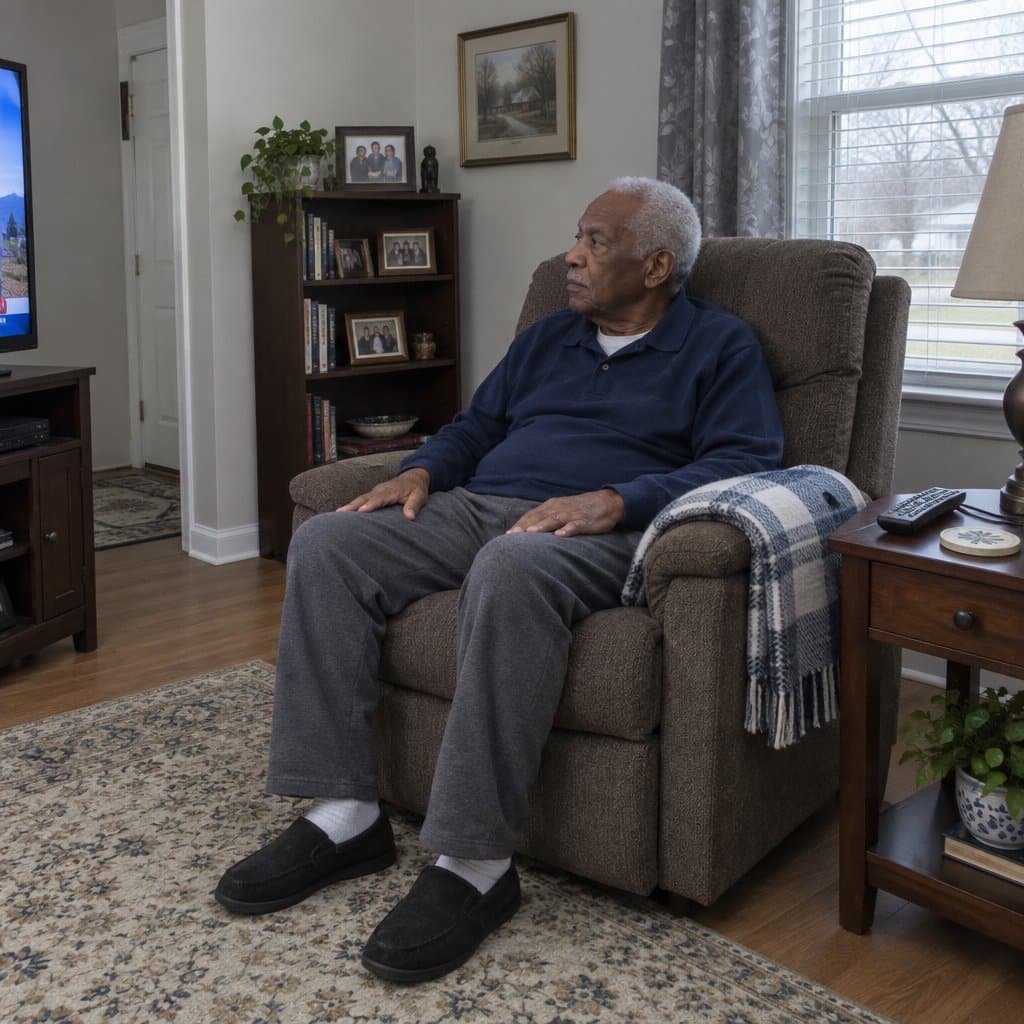
If this shape matches your problem, you’ll recognize the shift immediately. Instead of standing up every 15 minutes to relieve that one spot, you’ll be able to sit through a full meal or a television program without constantly repositioning.
That’s the signal that you’ve matched the shape to the symptom.
What to Look For in a Quality Donut Cushion
A good donut cushion should hold its shape after extended daily use — foam that compresses flat within a week defeats the purpose. Look for a removable, washable cover and a non-slip base that stays put on dining chairs or desk chairs. The opening should be centered and wide enough that it doesn’t transfer pressure back onto the tailbone when you settle in.




The Wedge Cushion — Best for Sciatica, Hip Tightness, and Long Sitting Periods


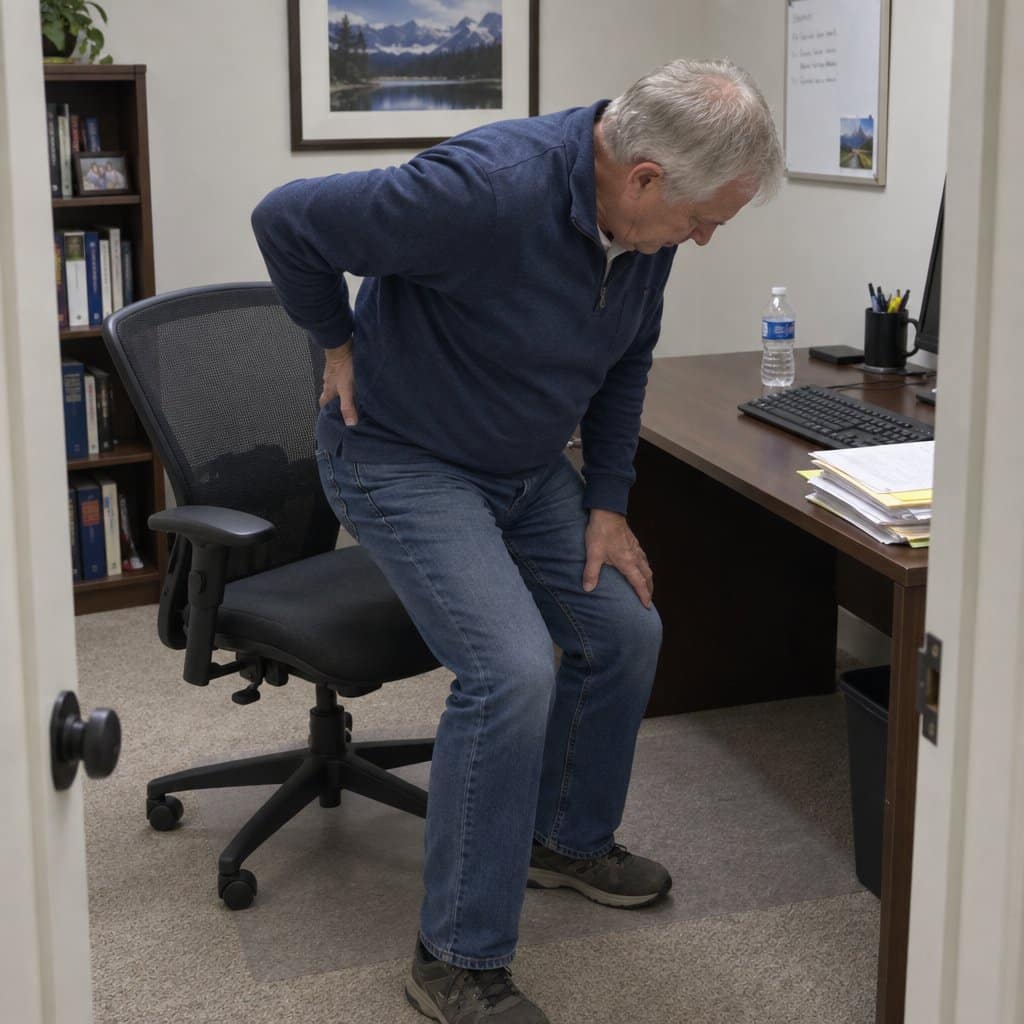
If your pain radiates — from your lower back into your hip, or down into your leg — or if you stand up from a chair feeling stiff and achy in a way that takes a few minutes to shake off, a wedge cushion addresses the root cause of that pattern.
Why Standard Chairs Work Against Your Spine
Most chairs are designed to put you in a slightly reclined position. That backward tilt compresses your lower spine, tightens the hip flexors, and puts the sciatic nerve under sustained pressure. Over the course of an afternoon — or a long car trip — that compression adds up.
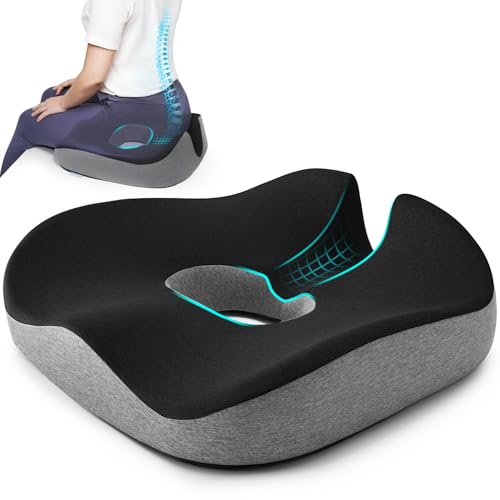
A wedge cushion raises the back edge of your seat, which tips the pelvis slightly forward. That one change opens the hip angle, reduces nerve compression, and takes chronic strain off the lower back.
Who Benefits Most From a Wedge Cushion
- People experiencing sciatica or piriformis syndrome — pain that starts in the lower back or buttock and radiates down the leg
- Anyone who feels hip flexor tightness or lower back stiffness after sitting for more than an hour
- People who spend extended periods at a desk, in a recliner, or on long car rides
- Anyone who feels relief when sitting on the edge of a chair rather than all the way back — that instinct is your body telling you it needs a forward pelvic tilt
The Common Mistake With Wedge Cushions
A wedge puts your weight directly on your tailbone. For anyone recovering from coccyx surgery or managing a tailbone injury, that can make things significantly worse. If your pain is localized to that center point, the donut shape is your option — not the wedge.
The Long Car Ride Moment
Picture stepping out of the car after two hours on the road — hips aching, lower back stiff, legs needing a minute before they feel like they belong to you again. That’s not just fatigue. That’s the cumulative effect of sustained backward pelvic tilt. Correcting that position during the ride — with a wedge — addresses that pattern before it starts, not after.
It’s the same principle that makes sitting comfortably possible for long drives — the right seating geometry changes everything.
What to Look For in a Quality Wedge Cushion
The foam density matters here. A wedge that compresses flat under your weight stops correcting your pelvis and becomes just a soft seat. Look for a firm, high-density foam that maintains its angle under sustained use, a rise of roughly 10–15 degrees, and a surface wide enough to support both thighs fully.


Want more practical comfort and home safety tips delivered straight to your inbox? Subscribe to the Graying With Grace newsletter for expert-tested recommendations designed specifically for older adults and the people who care for them.

The Gel (or Gel-Infused) Cushion — Best for Pressure Prevention and All-Day Sitting Comfort


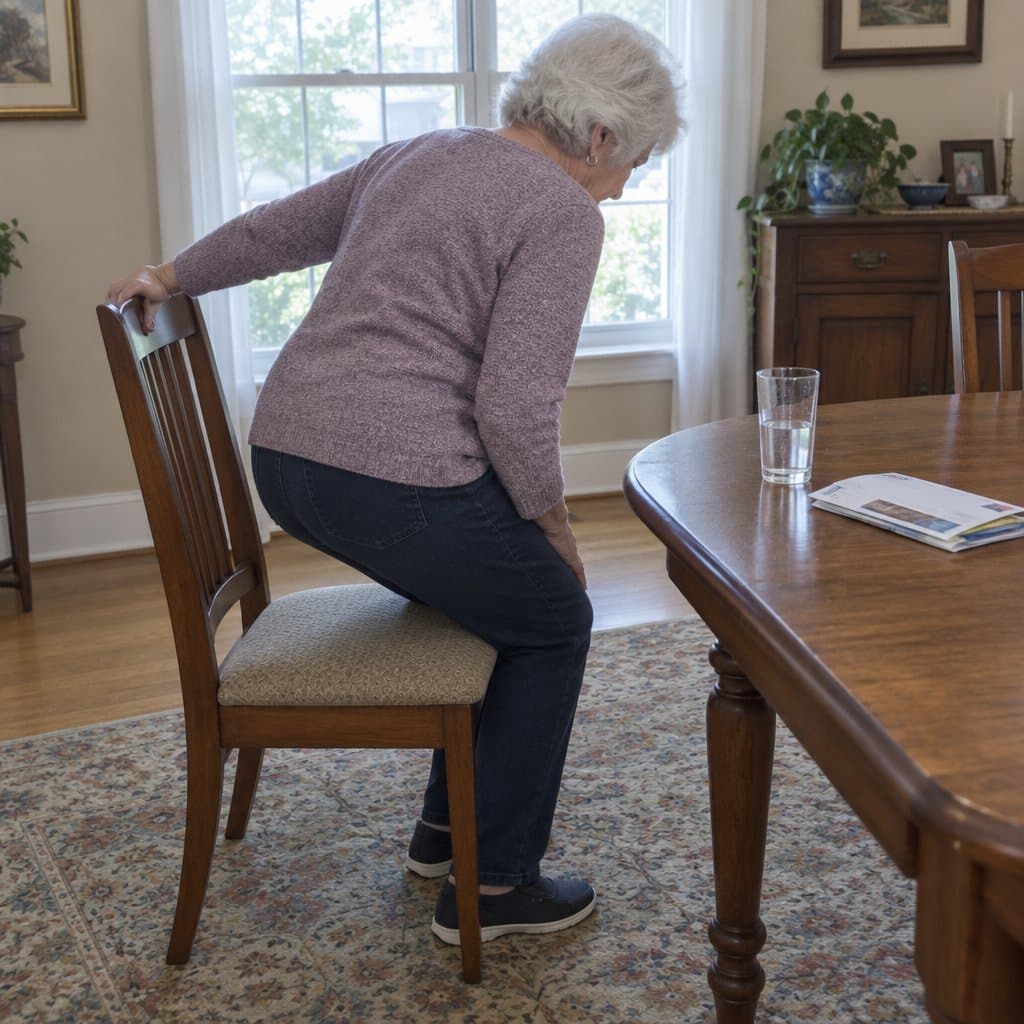
If you or someone you care for sits for most of the day, the problem you’re solving isn’t necessarily acute pain — it’s sustained pressure on skin and tissue that builds up over hours and causes soreness, irritation, or, over time, more serious skin integrity issues.
That’s a different problem than tailbone pain or sciatica. And it calls for a different shape.
How Gel Cushions Work Differently Than Foam
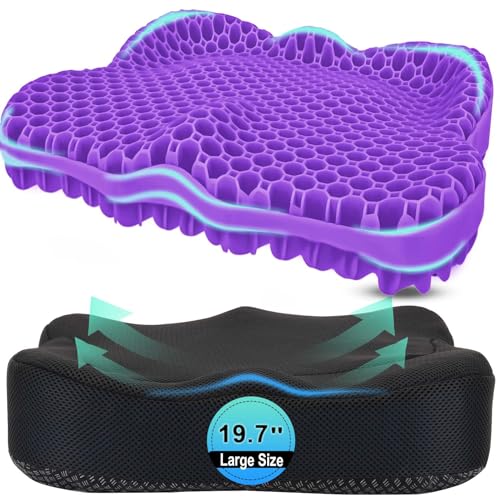
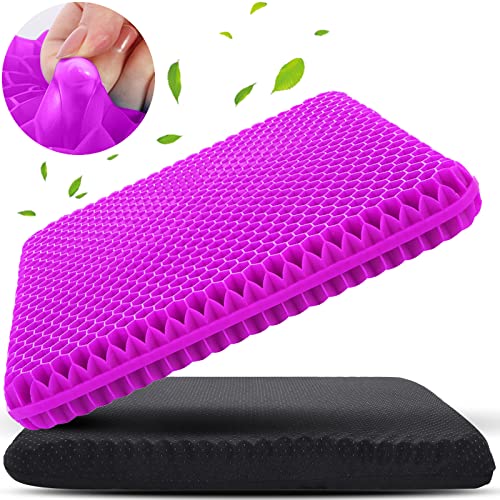
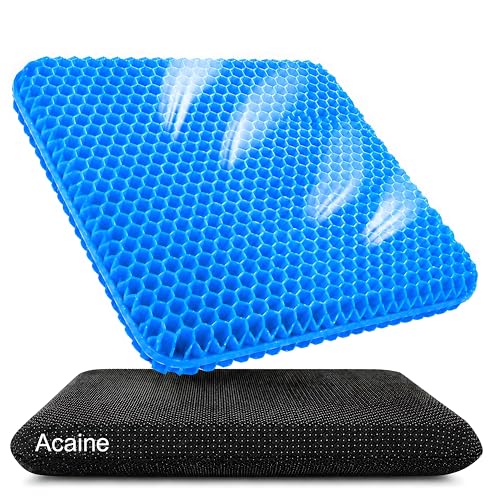
Foam cushions — even good ones — create pressure points at the bony prominences of your seat: the spots where bone comes closest to the skin. Gel conforms to your body’s contours and redistributes that pressure across a much wider surface area, reducing those concentrated hot spots before they cause discomfort.
The result isn’t dramatic pain relief so much as quiet, sustained protection across the whole seating surface.
Gel-Only vs. Gel-Infused Memory Foam
- Gel-only cushions are cooler and more fluid in feel — ideal for people who run warm or who need maximum pressure redistribution
- Gel-infused memory foam combines the contouring pressure relief of gel with more structural support — a good middle ground for people who need both distribution and posture support
Who Benefits Most From a Gel Cushion
- Older adults who are sedentary for extended periods due to mobility challenges
- Wheelchair users who need reliable pressure distribution throughout the day
- Anyone managing existing skin sensitivity or early pressure soreness
- Caregivers shopping for a loved one who has difficulty repositioning independently
For people in this situation, the right approach to home comfort and safety includes thinking proactively — and a gel cushion is exactly that kind of investment.
The Common Mistake With Gel Cushions
Choosing gel simply because it feels soft in the store. Softness alone doesn’t distribute pressure away from bony prominences — the gel layer needs to be thick enough and the cushion structured enough to actually function as a redistributive surface rather than just a comfortable one.
And if your primary concern is posture or sciatica, gel isn’t the right starting point — a wedge is. If it’s targeted tailbone pressure, a donut is.
Prevention Is the Point
The best way to think about gel cushions is as a proactive tool, not a reactive one. Someone who uses a gel cushion before skin irritation begins stays ahead of the problem. Someone who waits until they’re sore is playing catch-up. For anyone who spends more than four hours a day in the same chair, getting there first is the smarter move.
The same thinking applies to other home safety and comfort products — the best ones work before you need them urgently.
What to Look For in a Quality Gel Cushion
Look for a cover that actively wicks heat away from the body — gel can retain warmth over time, and a breathable cover manages that. The base should grip wheelchair surfaces or chair seats without sliding. And the gel layer itself should be thick enough to maintain its shape after a full day of use rather than bottoming out by mid-afternoon.



The Quick-Match Guide — Find Your Shape in 60 Seconds
Before you buy, run through this symptom-to-shape map. It takes less than a minute, and it replaces the guesswork entirely.
Match Your Symptom to Your Shape
- Sharp or aching pressure at the very center of your seat, tailbone injury, post-surgical recovery, or hemorrhoid discomfort → Donut (open-center)
- Pain that radiates from your lower back into your hip or down your leg, hip tightness after sitting, lower back stiffness when you stand up → Wedge
- Extended daily sitting (4+ hours), pressure soreness, sensitive skin, wheelchair use, or proactive prevention → Gel or gel-infused memory foam
- General all-day desk discomfort with mild lower back awareness and no specific injury → Gel-infused memory foam if pressure is the concern, or Wedge if posture and alignment feel like the root issue
When Two Shapes Might Combine
Some situations genuinely call for a hybrid approach. Someone managing sciatica who also sits for most of the day might do well with a gel-infused wedge — one that corrects pelvic tilt while also distributing pressure more evenly than standard foam.
Start with your primary symptom first. Once you’ve addressed that, you can assess whether additional support would help.
A Note on Coccyx-Specific Cushions
Within the open-center category, you’ll often see cushions labeled as coccyx cushions. These are typically memory foam with a more tailored cutout — shaped more like a U or teardrop than a full circle — designed to provide targeted relief for tailbone injuries specifically. If your issue is a diagnosed coccyx fracture or a post-fall tailbone bruise, a coccyx-labeled design may offer more precise relief than a standard round donut.


Give the Right Cushion a Fair Test
One important reminder: if you’ve been sitting uncomfortably for months, even the right cushion takes time to feel like a clear improvement. I always recommend giving the correctly matched shape at least two weeks of consistent use before drawing a conclusion. Your body needs time to adjust to better positioning — especially if the wedge is correcting a pelvic tilt pattern that’s been building for years.
That patience is part of the process — the same way that finding the right supportive footwear or the right mobility aid takes an adjustment period before the full benefit is felt.
Seat Cushion Shape Matching Cheat Sheet
Stop guessing which seat cushion will actually help—download this shape-matching cheat sheet to identify the exact cushion type that solves your specific pain or pressure problem in plain language, with no browsing required.
The Right Shape Changes Everything
The reason so many people are sitting on a cushion that doesn’t help isn’t because cushions don’t work. It’s because they chose by popularity instead of by problem — and those are two entirely different shopping decisions.
You now have something most cushion shoppers don’t: a clear framework. You know the three problems cushions address, you know which shape addresses which problem, and you know when each shape is the wrong choice. That’s enough to make a confident, well-matched decision — without needing to wade through dozens of product listings or guess based on star ratings.
Identify your primary symptom, use the quick-match guide above, and choose the shape that fits the problem you’re actually living with. Then give it the time it needs to work.
Which shape are you going to try — or which one has already worked well for you? Share your experience in the comments. Your insight is exactly the kind of real-world information that helps someone else avoid the wrong purchase and find the right one faster.