

You sit down across from your parent. The TV is off. You’ve already eaten lunch. And you’re looking at each other, neither quite sure what comes next.
If you’ve been there, you know that hollow feeling — wanting so badly to connect, to help, to make the next hour meaningful, but not knowing how to start.
Finding dementia activities for seniors that actually work can feel like guesswork. What brought a smile last Tuesday may land with confusion today. What your neighbor’s parent loves might completely frustrate yours.
The five activities in this article are different. They’re low-frustration, mess-free, and designed for a range of cognitive stages — not a fixed point in time. These aren’t Pinterest projects. They’re simple, dignified approaches you can try at home today.

The Dementia Activity Cheat Sheet: 5 Low-Frustration Activities with At-a-Glance Setup Tips
Get 5 proven, low-frustration activities you can set up in under 5 minutes that let you connect meaningfully with a loved one living with dementia—no special training or expensive supplies required.
Why Most Activity Ideas Fall Short for Dementia Caregivers
Here’s something I want to be honest with you about: most “senior activity” lists aren’t built with dementia in mind.
They assume a level of instruction-following, short-term memory, and frustration tolerance that many people with cognitive decline simply don’t have in the same way anymore. Activities with too many steps, unfamiliar materials, or a clear “right” and “wrong” outcome can quickly trigger withdrawal — or worse, agitation.
What dementia-friendly activities actually need:
- No wrong outcome. The activity should be failure-proof by design.
- Familiar sensory or physical cues that don’t require explanation.
- Flexibility to scale up or down based on where your loved one is today, not where they were six months ago.
This isn’t about keeping your parent busy. It’s about creating small moments of calm, engagement, and connection. Even five minutes of that matters more than you might realize.
Activity #1: Water Painting

Why This One Surprised Me When I First Saw It Work
Water painting is one of the most effective — and genuinely mess-free — activities for seniors with dementia I’ve ever come across.
Here’s how it works: reusable drawing boards or special paper reveal color or patterns when brushed with plain water, then quietly reset as they dry. No ink. No permanent marks. No cleanup stress.
Why it works so well:
- There are no wrong brushstrokes — ever.
- The flowing, repetitive motion of painting is naturally calming.
- It engages fine motor skills and offers gentle sensory stimulation.
- The visual feedback (watching color appear) is quietly satisfying without requiring explanation.
How to Introduce It Without Pressure
Set up a board at the kitchen table. Sit beside your loved one. Dip a brush in water and make a few strokes yourself — then slide it toward them. No instructions needed. Just presence.
If they pick up the brush, wonderful. If they just watch for a while, that’s fine too. Let them lead.
Water painting kits designed specifically for seniors are available online and make a practical, thoughtful gift for any caregiver.



Look for sets with large boards and easy-grip brushes — no dyes or inks required.
You don’t need an activity room or art supplies. This is one of the simplest, most dignified ways to engage someone with memory loss at home.
Activity #2: Music and Memory
The Part of the Brain That Dementia Often Can’t Touch
Music memory is different from other kinds of memory. Research consistently shows that familiar songs — especially from a person’s youth or early adulthood — can reach parts of the brain that remain remarkably intact even in moderate and later stages of dementia.
I’ve seen people who rarely speak begin to mouth the words to a song from their 30s. That moment is a reminder of the person still present inside the illness.
Simple ways to use music:
- Create a playlist of songs from their teens and twenties using a streaming service.
- Play it softly in the background during a meal or quiet time.
- Invite gentle participation: humming, clapping along, moving hands, or simply listening together.
- Don’t worry about getting the “right” songs immediately — watch their face and follow what resonates.
You Don’t Need to Be a Music Therapist
A phone, a portable speaker, and the right playlist can genuinely transform an afternoon. Curated music memory playlist resources for caregivers — including era-based and mood-based options — are available to help you get started without guesswork.



This is one of the most adaptable calming activities for dementia patients across all stages. It requires no setup, no supplies, and no training.
Subscribe to our newsletter for more tips: Join here
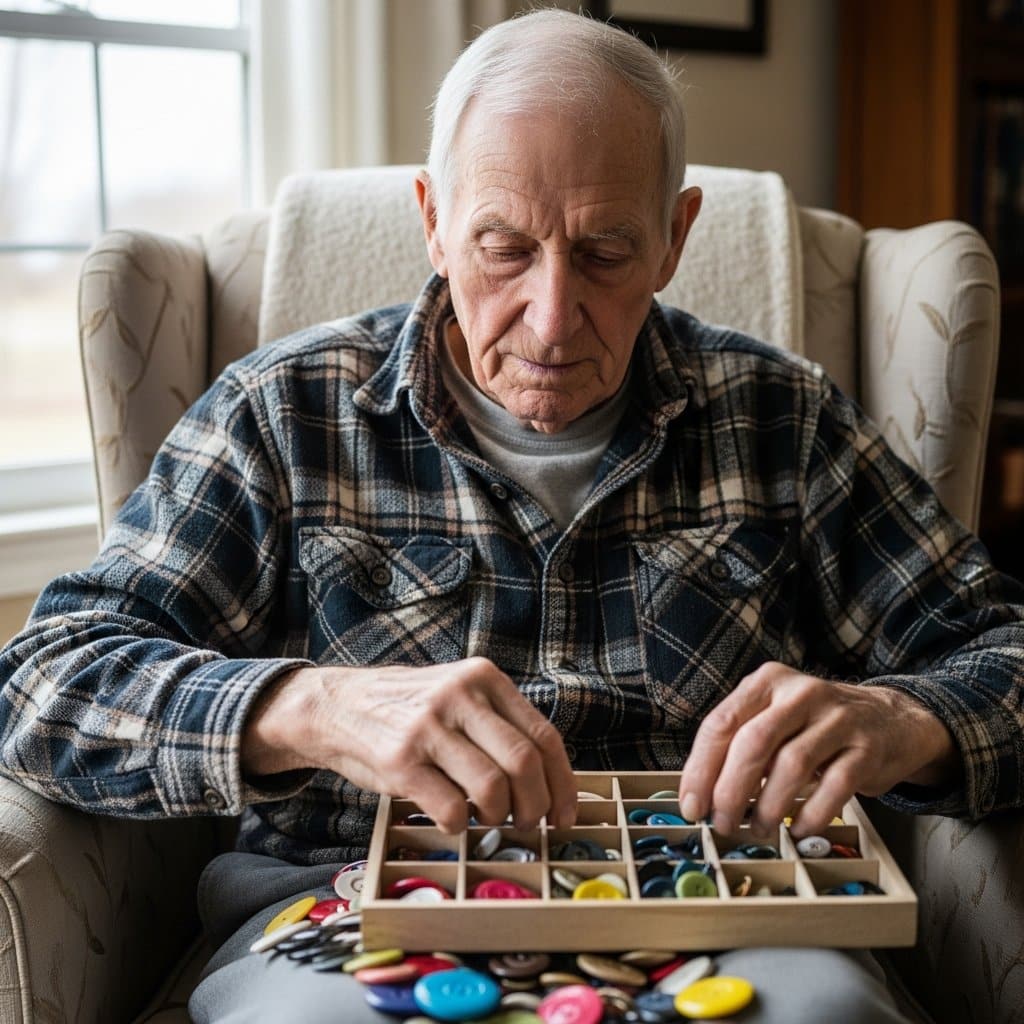
Activity #3: Sorting and Organizing


Purposeful Work That Still Makes Sense
Sorting taps into something deeply ingrained. For many older adults — especially those who spent decades running a household, managing a workshop, or working in an organized trade — the act of sorting familiar objects feels meaningful in a way that’s hard to explain but easy to observe.
There’s no confusion about the goal. There’s no wrong answer. And the repetitive nature of the task is naturally self-directing.
Simple sorting ideas to try:
- Grouping socks by color or size
- Sorting a set of large buttons by color
- Organizing a collection of photos by size
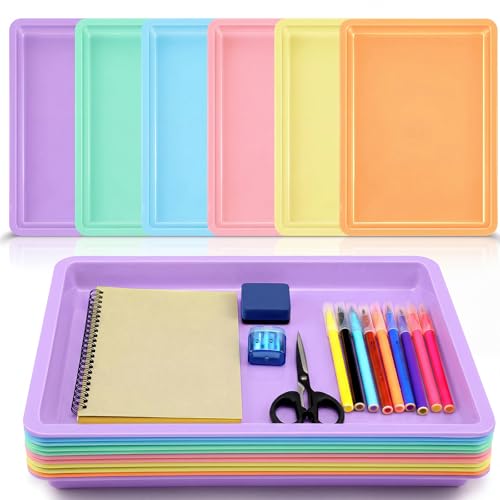
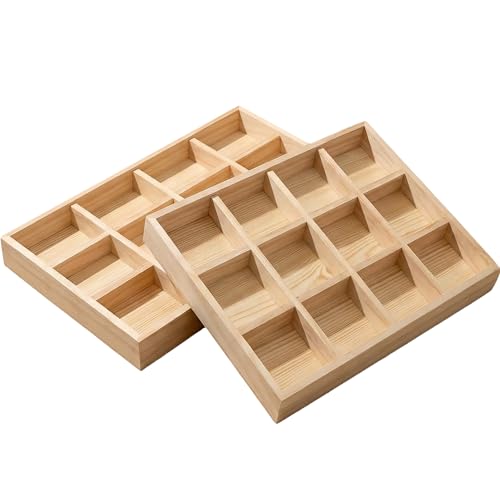
- Separating silverware into a divided tray
Adjusting for Cognitive Stage
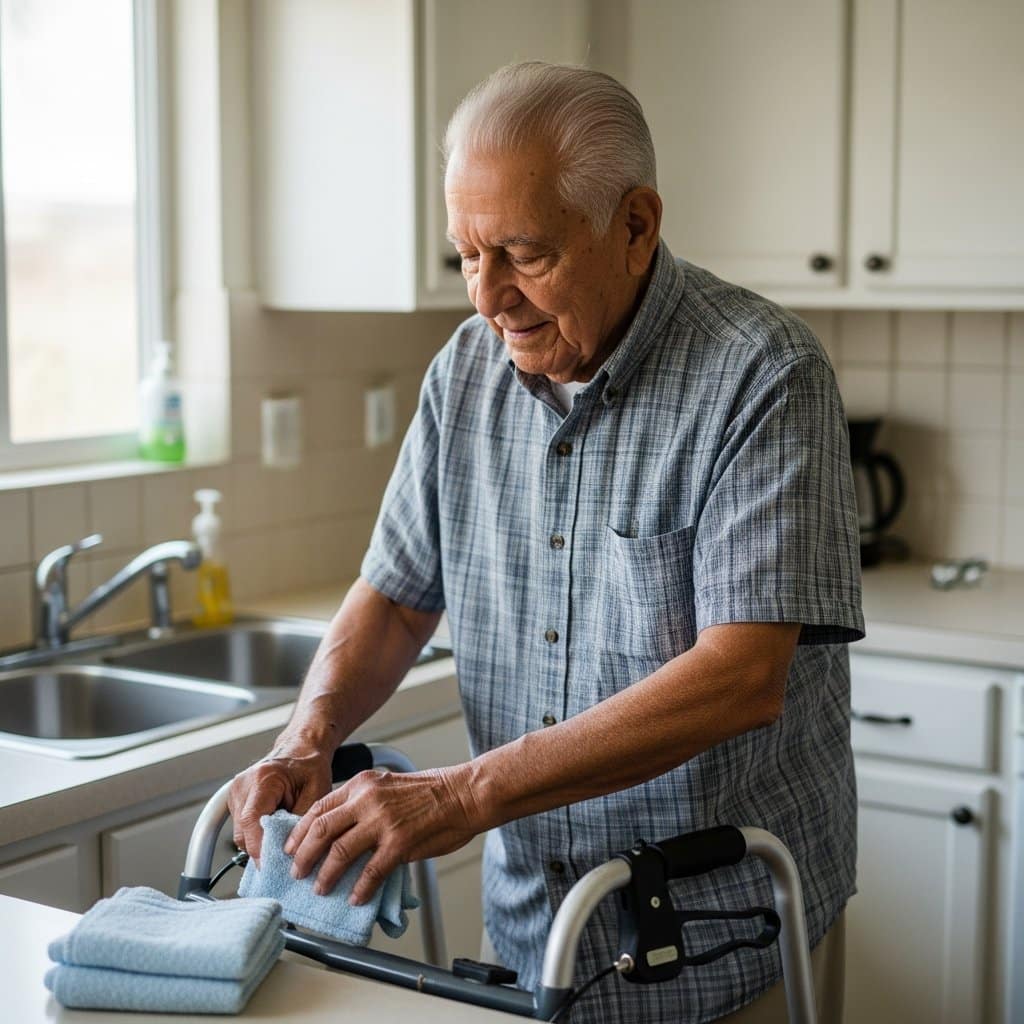
For someone in a later stage of dementia, simplify further: fewer categories, more familiar objects. A parent who spent years doing laundry may find quiet comfort and focus in folding washcloths — familiar work that still makes sense to their hands.
Safety note: Avoid small objects that could be a swallowing hazard for individuals in more advanced stages.
Sorting and organizing activity trays designed for seniors provide clearly divided sections that make this activity easier to set up and more visually manageable for someone with memory loss.




This is not a distraction tactic. For many older adults, purposeful organizing reflects a lifetime of contribution. It restores a quiet dignity.
If you’re also thinking about how to keep your loved one safe while living at home, the Ultimate Fall Prevention Checklist is a helpful companion resource for caregivers managing dementia at home.

Activity #4: Folding and Tactile Tasks
When Hands Remember What the Mind Struggles to Hold
There’s something remarkable about tactile memory. The hands often know how to fold a towel, smooth a piece of fabric, or stack a set of items — even when verbal communication has become difficult.
Simple hands-on tasks like folding napkins or handling familiar textures provide sensory engagement, gentle physical activity, and a comforting sense of routine. They’re particularly valuable during late afternoon, when agitation tends to peak.
Ideas beyond folding:
- Stacking lightweight cups or containers
- Handling smooth river stones or fabric swatches
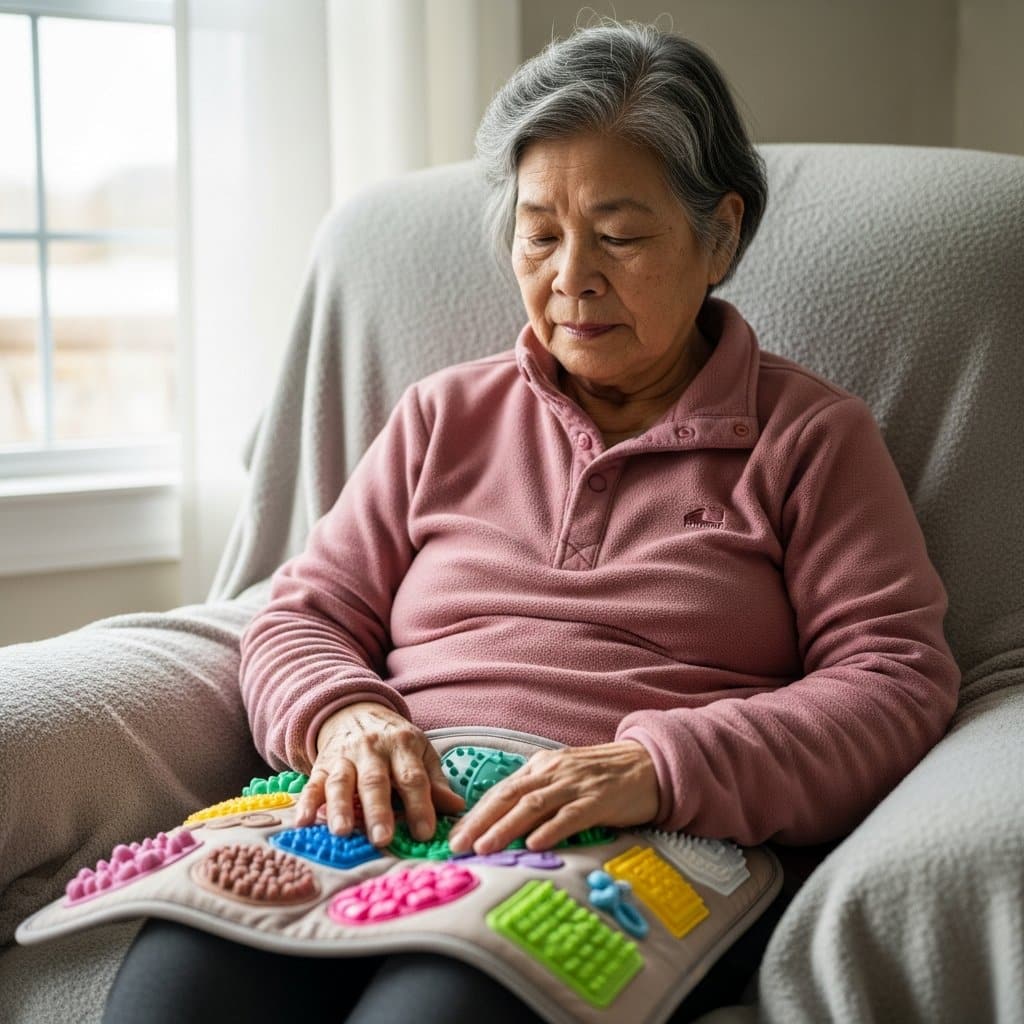
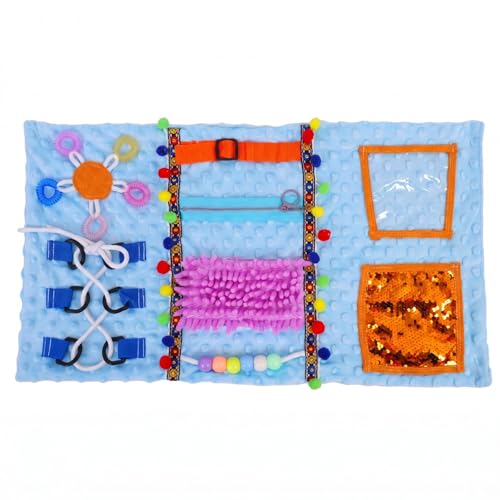
- Exploring a fidget sensory lap pad — a popular tool among both family and professional caregivers
- Feeling different textures in a small fabric swatch collection
Fidget sensory lap pads for dementia are designed specifically to provide tactile stimulation and can fill 10–30 minutes without requiring any communication or complex instruction.




A Scene Worth Imagining
Picture a quiet afternoon: you’re folding laundry, and you hand pieces to your parent one at a time. No pressure. No evaluation. Just shared presence and purposeful motion.
You’re not tricking your loved one into staying calm. You’re giving their hands and mind something familiar and safe to hold onto.
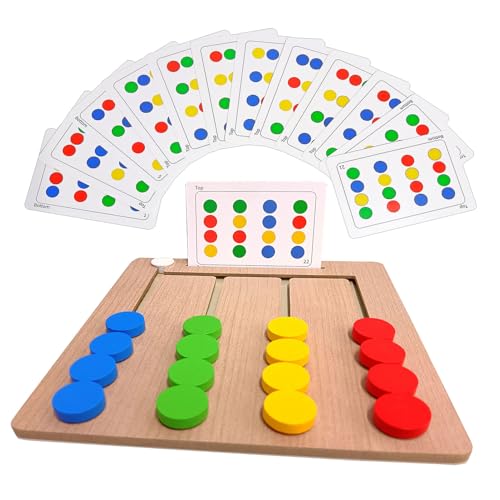
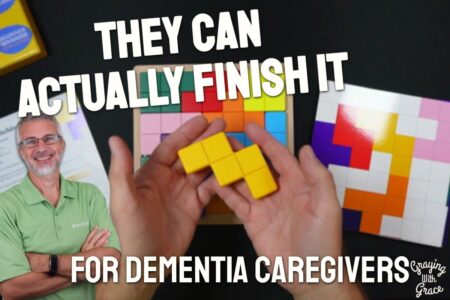
For caregivers managing a parent with more advanced memory loss, simple board games designed for dementia patients can also provide structured, low-pressure engagement during more alert periods of the day.
Activity #5: Reminiscence Activities


Long-Term Memory Often Stays Longer Than We Expect
Short-term memory tends to fade earlier in dementia. But long-term memories — the people, places, and moments from decades past — often remain accessible much longer.
Reminiscence activities gently invite your loved one to revisit what they still hold. And in doing so, they honor the whole person: their history, their relationships, and their identity beyond the diagnosis.
Simple ways to start:
- Sit together with an old photo album and let them point and share.
- Create a small memory box with meaningful objects — a familiar tool, a piece of jewelry, a recipe card.
- Use structured conversation cards with prompts about earlier life experiences.
How to Do This Well
Ask open-ended questions. Follow their lead. Focus on enjoyment rather than accuracy — it’s okay if memories are incomplete or mixed together. The emotional warmth of connection matters far more than factual recall.
Reminiscence photo card sets designed for dementia are available with curated prompts and images organized by era or theme, making it easier to start these conversations without preparation.




For families caring for a parent in the later stages of memory loss, bed alarms and nighttime safety tools can provide additional peace of mind alongside daytime engagement activities.
Reminiscence is not about living in the past. It’s about honoring a life that is still meaningful — and still worth celebrating.
The Dementia Activity Cheat Sheet: 5 Low-Frustration Activities with At-a-Glance Setup Tips
Get 5 proven, low-frustration activities you can set up in under 5 minutes that let you connect meaningfully with a loved one living with dementia—no special training or expensive supplies required.
You’re Already Doing More Than You Know
You don’t need elaborate plans, expensive supplies, or professional training to create meaningful moments for a parent with dementia.
A quick recap of the five activities:
- Water painting — Mess-free, calming, no wrong strokes
- Music and memory — Reaches deep, familiar, adaptable to any stage
- Sorting and organizing — Purposeful, structured, dignity-affirming
- Folding and tactile tasks — Sensory, repetitive, soothing for difficult times of day
- Reminiscence — Honors the whole person, sparks connection through long-term memory
None of these will work perfectly every time. Some days, nothing will. That’s not a reflection of your effort or your loved one’s condition — it’s just the nature of dementia. What matters is that you keep showing up and keep trying.
Sitting beside someone, offering something gentle to do together — that is itself an act of profound care. There is no failure here. There is only presence.
Subscribe to our newsletter for more tips: Join here
This week, try just one of these activities. Then come back and leave a comment telling me which one you tried and how it went — or what your loved one responded to. Other caregivers reading this are walking the same road, and your experience might be exactly what someone else needs to hear today.
For more support on the caregiving journey, explore these trusted caregiving blogs and automatic pill dispensers that can reduce one more layer of daily stress when you’re managing a loved one’s care at home.



![Bubble word search dementia activity 1200 x 800 px[1]](https://www.grayingwithgrace.com/wp-content/uploads/2025/01/bubble-word-search-dementia-activity-1200-x-800-px1-450x300.jpg)


