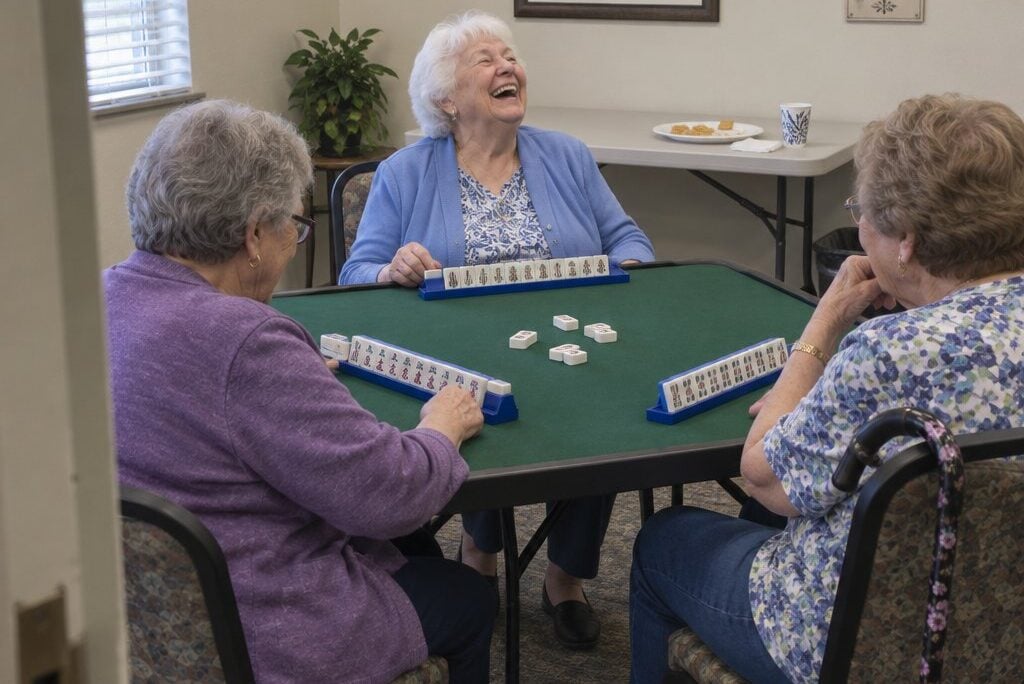
You’ve walked past that empty corner of the common room on Tuesday afternoons more than once. Maybe you’ve overheard a neighbor say, “I’d love to play mahjong if only someone would organize it.” Here’s the thing — that someone could be you, and it’s a lot simpler than it sounds.
Starting a recurring group feels like a bigger lift than it actually is. The first step is almost always the hardest, and it usually comes down to saying “who’s interested?” to a few neighbors.
By the time you finish reading this, you’ll have a clear picture of how to find players, how to get everyone up to speed on American mahjong rules, what equipment your group actually needs, and how to keep things going week after week. Let’s start with the most important ingredient: people.
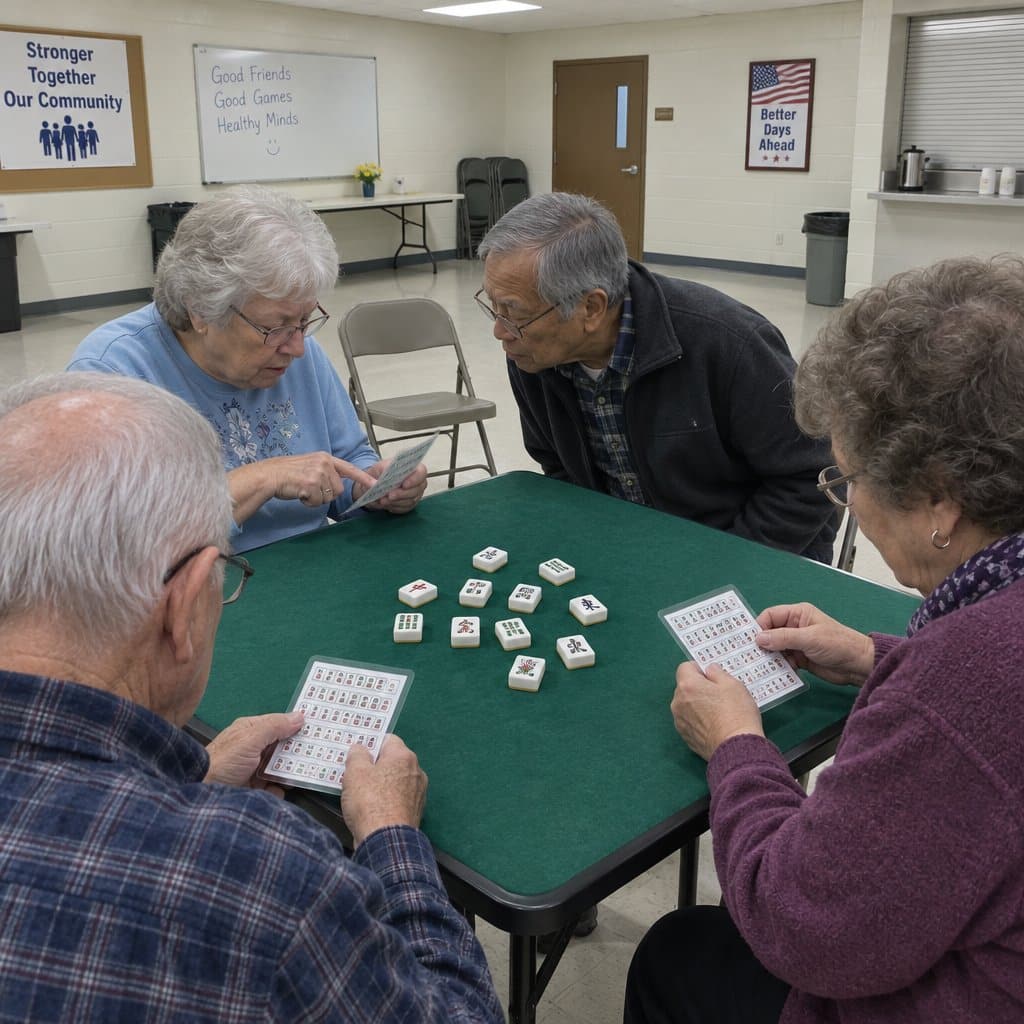
Mahjong Group Starter Checklist
Get the step-by-step checklist that takes you from “I’d love to start a mahjong group” to your first game night—complete with everything you need to recruit players, gather equipment, and launch without the overwhelm.
Step #1 — Find Your Players Before You Buy a Single Tile
You Don’t Need a Full Table to Get Started
Two or three curious neighbors is enough to build from. Momentum takes care of the rest.
American mahjong is played with four players, so your target is a core group of five or six — enough to keep a session running even when someone has a conflict. That extra person or two will save you more times than you’d expect.
How to Find Mahjong Players in a 55+ Community
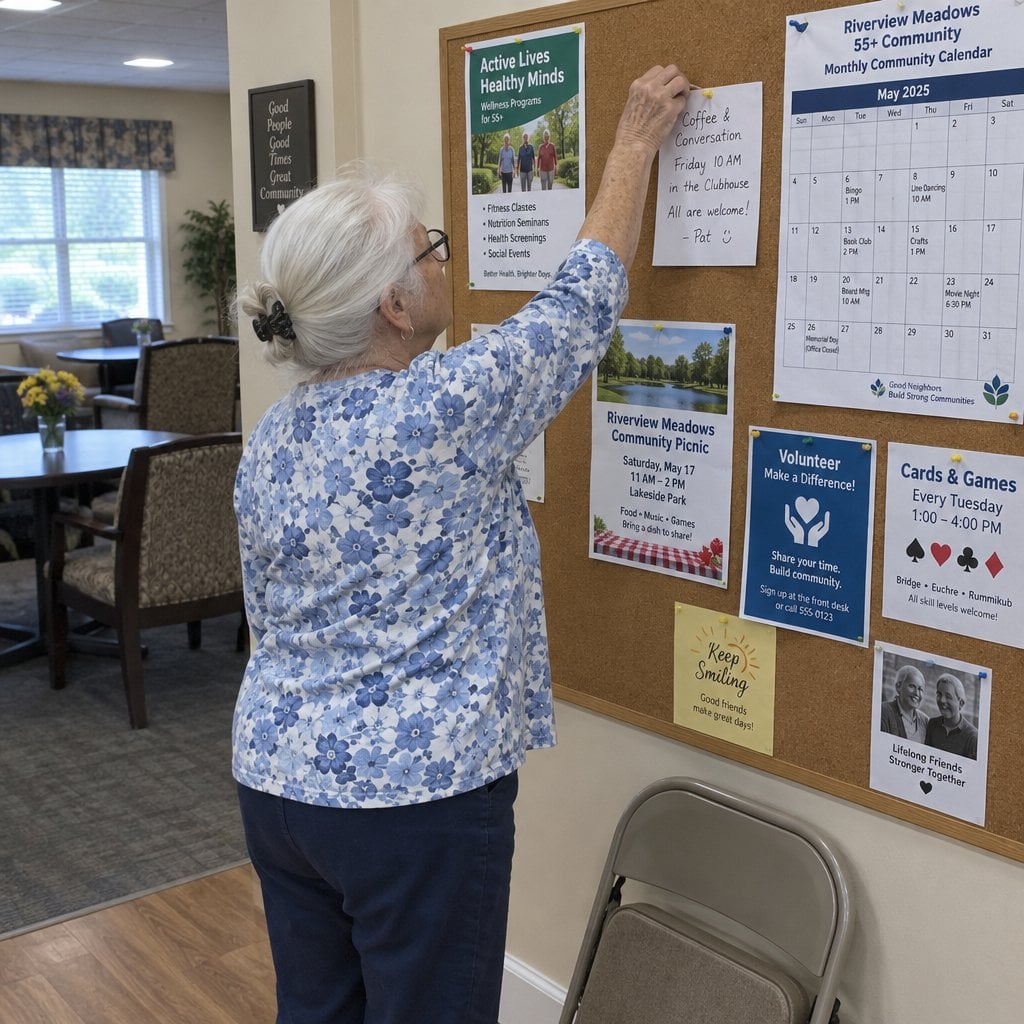
Start informally. A note on the community bulletin board, a mention at another club meeting, or a word to the activity director can surface interested players faster than you’d think. A simple sign-up sheet with your name and a phone number is all it takes.
Consider starting with people you already know. When the social dynamic is comfortable, the learning curve for the game gets much easier. Patience comes naturally when you’re laughing with friends.
How to Frame the Invitation
“Want to learn something new together?” lands better than “I’m starting a mahjong club.” The first feels like an adventure; the second can feel like homework.
The person who posts a casual note on the community board and has four interested neighbors by Friday is almost always ahead of the person who waits until everything is figured out before saying a word.
Your action point: Write three sentences for your community bulletin board this week. Your name, your interest, and a way to reach you. That’s the whole post.

Step #2 — Learn the Basics of American Mahjong Rules Together

American Mahjong vs. Traditional Mahjong: The Key Difference
American mahjong is distinct from the traditional Chinese game in a few important ways. It uses a specific reference card — the National Mah Jongg League (NMJL) card — which lists all valid winning hands for that year. The card changes annually, which means even experienced players are refreshing their knowledge each season.
American mahjong sets contain 152 tiles, including jokers, which are unique to the American version. Knowing this upfront helps when you’re shopping for the right set.
The NMJL Card: Your Group’s Best Friend
The NMJL card lists every legal winning hand, and players reference it throughout the game. There’s nothing to memorize upfront — the card is meant to be in your hand during play. This makes the learning curve far more manageable than people expect.
Order one card for each player before your first session. The NMJL website sells them directly, and they’re inexpensive. Having one per person eliminates the bottleneck of sharing.
How to Teach Friends American Mahjong
Plan the first two or three sessions as practice rounds. Open hands, rules visible, no pressure to win. The goal is pattern recognition and comfort, not competition.
A group that plays open-handed and laughs through the mistakes will outlast a group that tries to go competitive before anyone has their bearings. I’ve seen both, and the outcome is rarely a surprise.
YouTube has solid beginner tutorials. Watch one together at your first meeting — it sets a collaborative tone and gets everyone on the same page before a tile is touched.
Subscribe to our newsletter for more tips on staying active, connected, and engaged: Join here
Your action point: Order the current NMJL card for each player and bookmark one beginner tutorial to watch together at your first session.
Step #3 — Choose the Right Equipment for Your Group
What Equipment Do You Need to Play Mahjong?
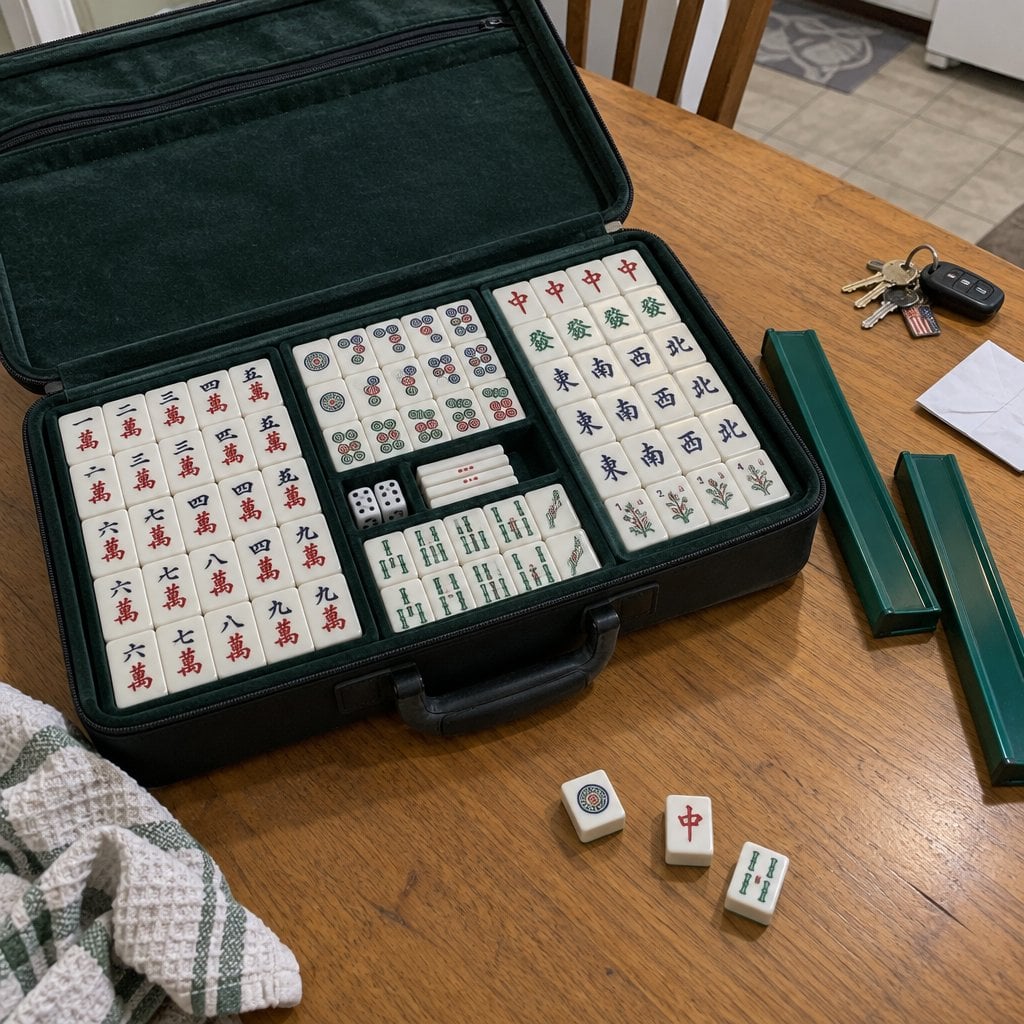
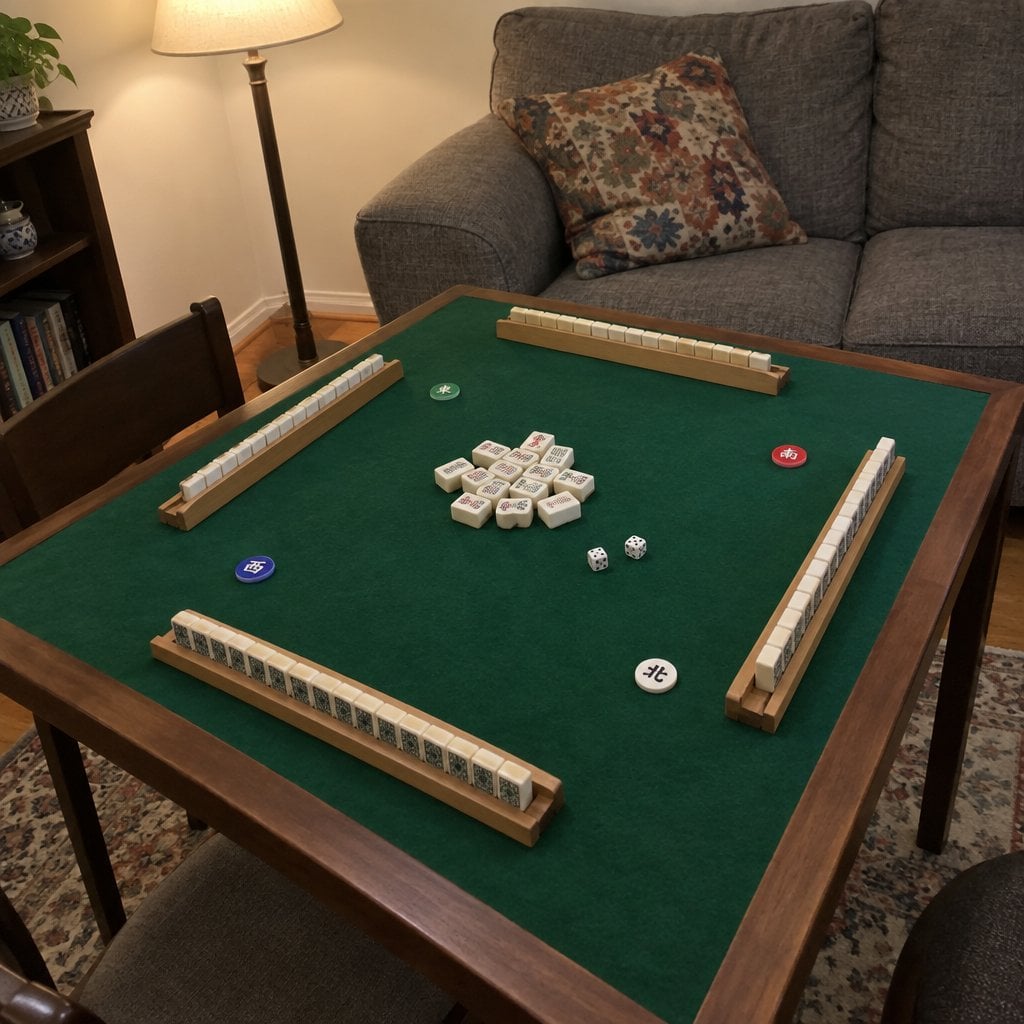
The essentials are straightforward: a complete American mahjong set, a flat playing surface, good lighting, and comfortable seating. That’s it. Everything else is optional.
What to Look for in a Mahjong Set for Beginners
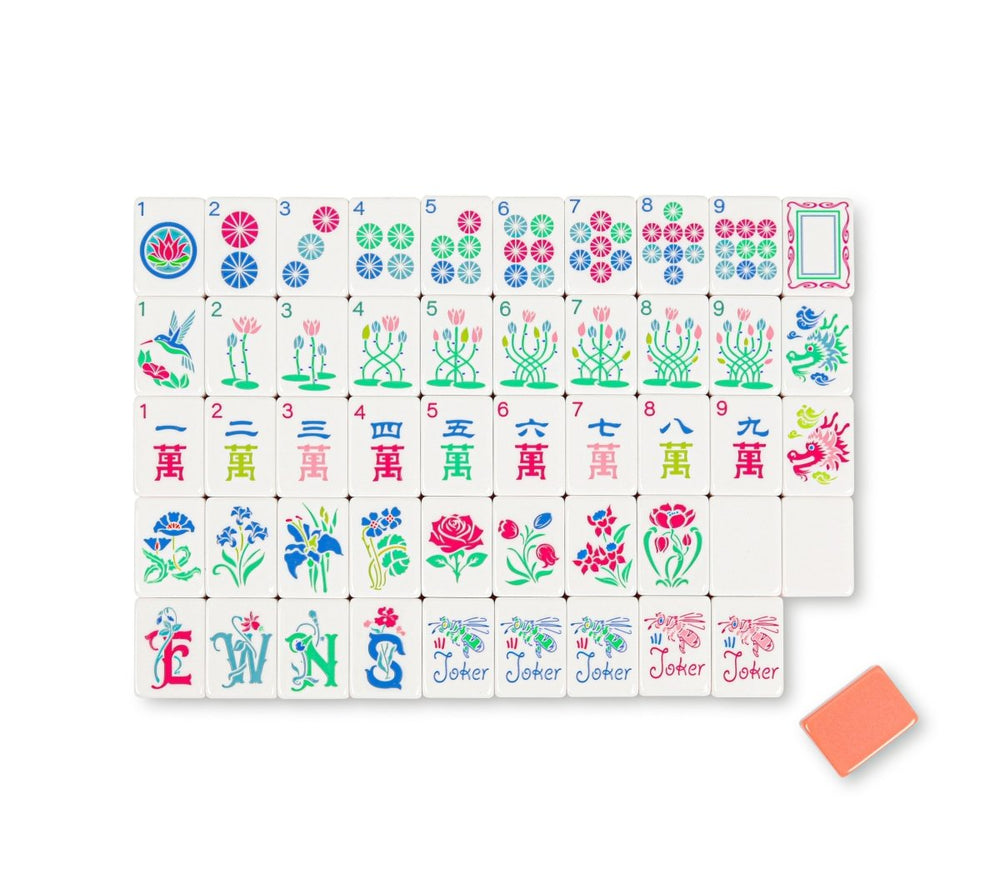
Tile readability matters more than aesthetics. Larger tiles with high-contrast characters reduce eye strain during longer sessions — a meaningful detail when you’re ninety minutes into a game.
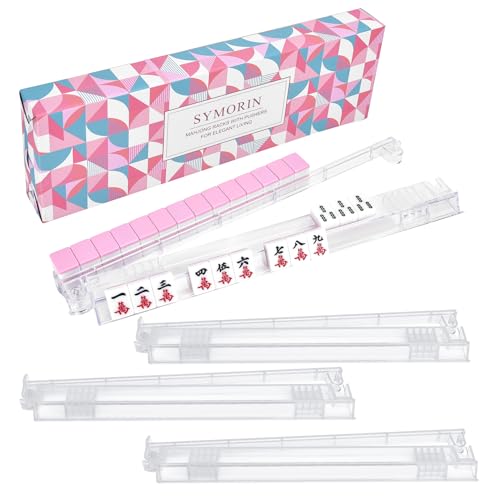
Look for a set that includes racks, dice, and wind markers, and comes in a sturdy carrying case. Portability is essential for a community group — a set that travels easily means anyone can host, and the game can move between rooms without a production.
A good American mahjong set for group play runs between $60 and $80. Split among four players, that’s less than a dinner out. Pooling resources for one shared set is a practical way to start, especially if you’re meeting at a community center.
The set I recommend: the Averill Mahjong Monet’s Garden set. It costs more than the range above, and here is what the extra buys: the markings are engraved rather than printed, so they will not rub off, and the high-contrast tiles stay readable from across the table. Averill sent me this set at no cost so I could show you how it works. GWG readers get 25% off with code GRAYING25.
If you would rather compare lower-priced sets, these are popular options:


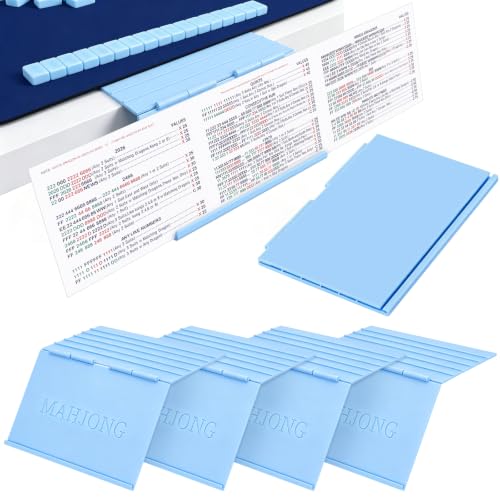
Don’t Overlook the Mahjong Card Holder
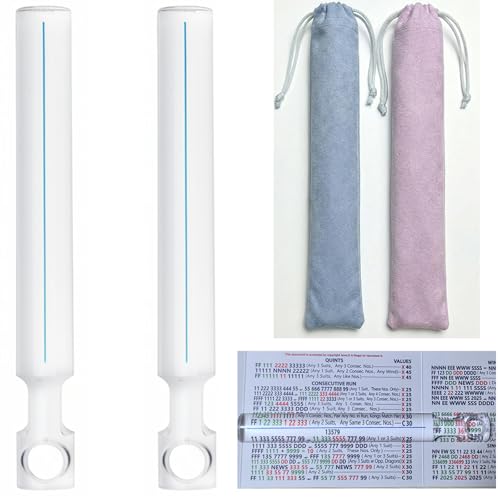
A card holder keeps the NMJL reference card visible and upright without taking up hand space or getting knocked across the table. It’s a small addition that makes a genuine difference during play, especially in early sessions when everyone is still learning the hands.



Your action point: Bring up the shared-set idea at your first player conversation. Four people splitting the cost makes the equipment decision easy.
Step #4 — Set Up Your Space for Comfort and Consistency






Pick a Day, Time, and Location — Then Protect Them
Consistency is what turns one game into a tradition. The same day, the same time, the same spot every week removes the decision fatigue that slowly erodes casual groups. When people know Tuesday at 2:00 p.m. is mahjong, it becomes part of the week’s rhythm.
Reserve a recurring time slot with your community center’s activity director before your first session. Getting on the official calendar signals commitment and prevents the room from disappearing under you.
Table and Seating Considerations
A standard card table works well for four players. A padded or felt surface protects tiles and keeps the sound level reasonable during shuffling — a detail that matters in a shared space.
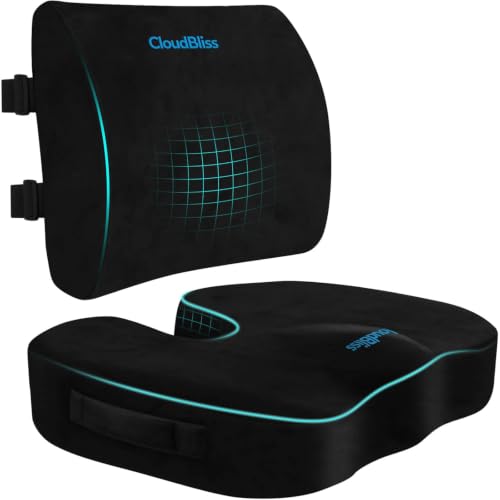
Sessions often run 90 minutes or longer, so seating comfort is worth thinking about. Folding chairs with some padding, or the option to bring a personal cushion, make a longer game much more enjoyable. For ideas on making any seated activity more comfortable, take a look at these seat cushion options — many players with back or hip sensitivity find them genuinely useful.
A well-lit space is non-negotiable. Reading small tile characters and the NMJL card in dim light creates unnecessary strain. If the room’s overhead lighting is insufficient, a simple portable lamp can solve the problem. You might find this guide to choosing the right lighting helpful when evaluating your space.
A Word on Mahjong Group Etiquette
Establish one or two light house rules at the start — phones on silent during active hands, no coaching a player mid-turn — and the group runs itself. Addressing these early prevents the friction that quietly unravels otherwise solid groups.
A shared set with a designated keeper, a consistent location, and two agreed-upon ground rules is all the infrastructure you need.


Your action point: Contact your activity director this week to claim a recurring time slot before your first session.
Step #5 — Keep the Group Going Week After Week
Plan for Absences Before They Happen
Keep a short list of interested substitutes — neighbors who said “maybe” or “let me know when you get started.” A missing player doesn’t have to cancel the session when you have a backup ready to step in.
If the group is meeting at someone’s home, rotate hosting duties. No one should carry the logistical load alone, and rotating keeps everyone invested in the group’s continuation.
Keep the Stakes Low, Especially Early On
Make it clear from the first session that this is about fun and connection. Competitive scoring can come later, once everyone is comfortable. The groups that survive the first few months are almost always the ones that prioritize the experience over the scoreboard.
The social benefit here is real. Staying engaged through shared hobbies is one of the most consistent patterns I’ve observed among older adults who thrive — and a weekly mahjong group is exactly the kind of anchor that keeps social connection consistent rather than occasional.
Build Small Rituals That Create Group Identity
A snack rotation. A quick recap of last week’s best hand. An inside joke about the player who always draws the wrong tile at the worst moment. These small rituals are what separate a group that’s been meeting every Wednesday for two years from one that dissolved after three sessions because logistics felt hard.
A simple group text or email thread to confirm attendance each week is all the coordination you need. Low-tech works perfectly. Five minutes of upfront setup — a thread name, a time, a location — and the organizing practically takes care of itself.
Handle Rule Disagreements Gracefully
Disagreements about rules will happen, especially early on. A quick majority vote and a move-on attitude keeps the game enjoyable. The NMJL card settles most disputes — and for the ones it doesn’t, the house rule that wins is whichever one lets you keep playing.
For anyone thinking about how community engagement connects to broader wellbeing, the evidence is consistent: staying mentally active through games like mahjong supports cognitive health in measurable ways. Card and tile games are among the most accessible and enjoyable ways to keep the mind sharp while staying socially connected.
Your action point: Before the first session, send a simple message to your players with the date, time, location, and one sentence about what to expect. That’s the whole job.
Mahjong Group Starter Checklist
Get the step-by-step checklist that takes you from “I’d love to start a mahjong group” to your first game night—complete with everything you need to recruit players, gather equipment, and launch without the overwhelm.
You Already Have Everything You Need to Start
Starting a mahjong group is one of the most rewarding things an active older adult can do for themselves and their community. It creates consistent social connection, keeps the mind engaged, and gives the week a satisfying, reliable rhythm.
You already have the most important ingredients: curiosity, a community around you, and now a clear plan. The group you start this month could still be meeting in five years — and you’ll be the one who made it happen.
Take one concrete action today. Write that bulletin board note. Text one neighbor. Pull up the NMJL website. You don’t need to be an expert — you just need to be one step ahead, and you already are.
If you’ve started a mahjong group — or if you’re about to — I’d love to hear about it in the comments. Share how it went, ask a question if you hit a snag, or let someone else know they’re not figuring this out alone.