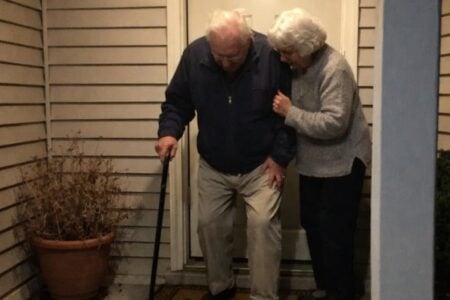
You walk every day. Maybe you lift weights or swim. You’re doing everything right – and then one morning, stepping off the curb, your ankle wobbles and your whole body scrambles to catch up.
That near-miss wasn’t a fitness failure. It was a flexibility gap your general exercise routine never addressed.
Here’s what most active older adults don’t realize: aerobic fitness and strength training don’t automatically protect against the specific tightness and balance deficits that cause most falls. But a targeted 5-minute morning routine does – and it takes less time than brewing your first cup of coffee.
Let me show you the five stretches that fill that gap, why they work, and how to make them stick.
5-Minute Morning Stretch Checklist for Fall Prevention
Download this printable 5-minute morning stretch checklist and build fall-resistant flexibility in the exact areas most routines miss—with chair modifications for every move and a progress tracker to measure real results.
Why This 5-Minute Routine Works Better for Fall Prevention Than an Hour at the Gym
Walking, cycling, and strength training are genuinely valuable. But they don’t target the three specific physical factors behind most senior falls:
- Tight hip flexors that shorten your stride and increase trip risk
- Reduced ankle mobility that slows your balance recovery when your footing shifts
- Limited thoracic rotation that delays your reactive response to unexpected movement
Think of it this way: your general exercise routine builds the engine. This routine trains the steering.
The Concept of “Fall Readiness”
Fall readiness is your body’s ability to recover from an unexpected balance shift before the fall completes. It depends almost entirely on flexibility and proprioception – your body’s sense of where it is in space.
Those don’t improve from walking alone. They improve from targeted range-of-motion work.
Why Morning Timing Matters
Your muscles are at their stiffest after sleep. That’s exactly when this routine delivers the most benefit – addressing peak daily tightness at the moment it’s most likely to cause a problem.
There’s a practical benefit too. Morning routines are harder to displace. Once the afternoon arrives, plans change. This one stays protected.
This isn’t about replacing your current exercise. It’s about filling the specific gap your current routine leaves open.
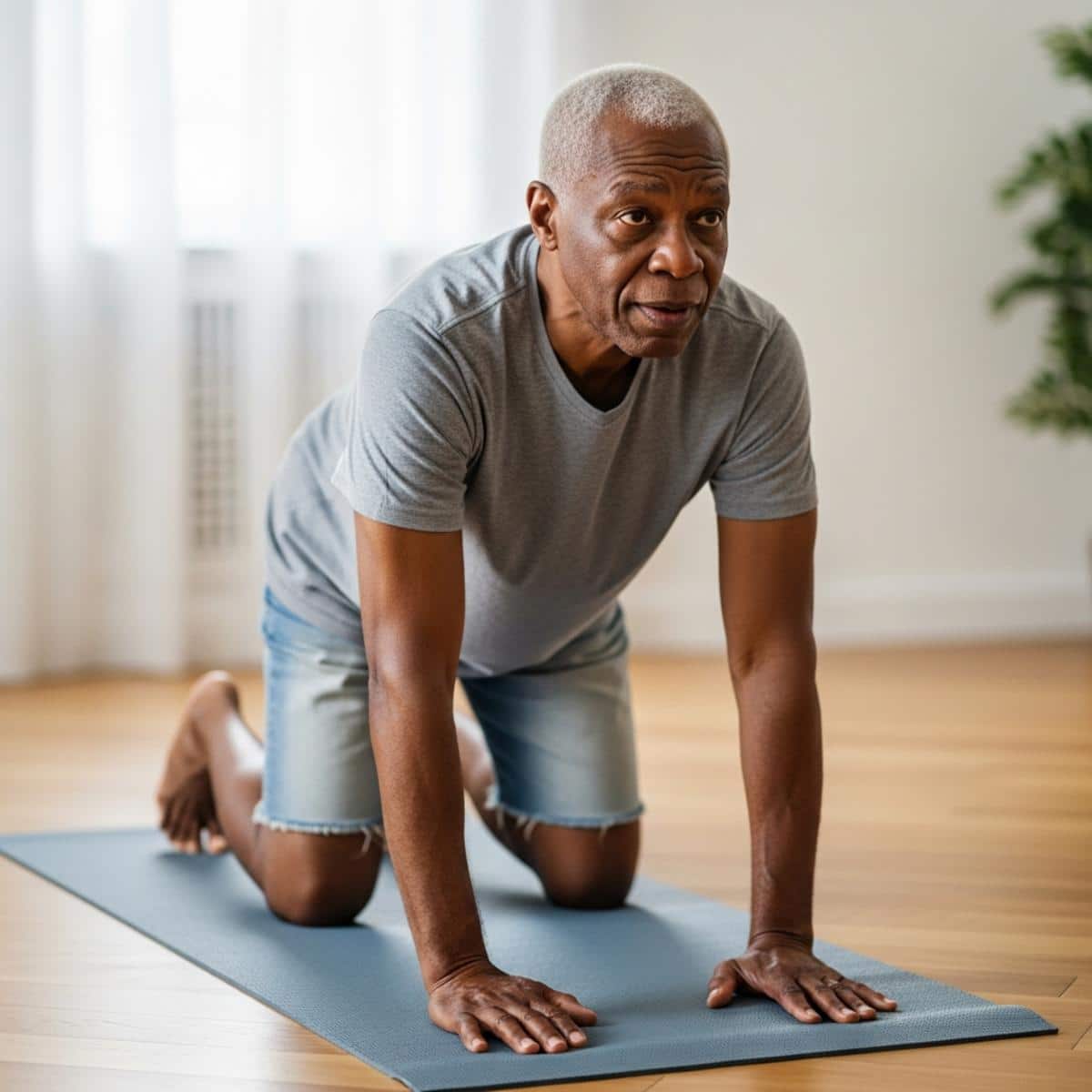
The 5 Stretches That Build Fall-Resistant Flexibility From the Ground Up
Each of these targets a specific link in your balance and stability chain. Understanding why each one matters makes you far more likely to do it consistently.
1. Hip Flexor Stretch
Why it prevents falls: Tight hip flexors shorten your stride and cause a shuffling gait that catches on uneven surfaces and thresholds. Lengthening them directly increases stride clearance.
How to do it: Step one foot forward into a lunge position, lower your back knee to the floor (use a yoga mat with grip texture for cushioning and traction), and gently shift your weight forward until you feel a stretch in the front of your rear hip. Hold 20-30 seconds each side.
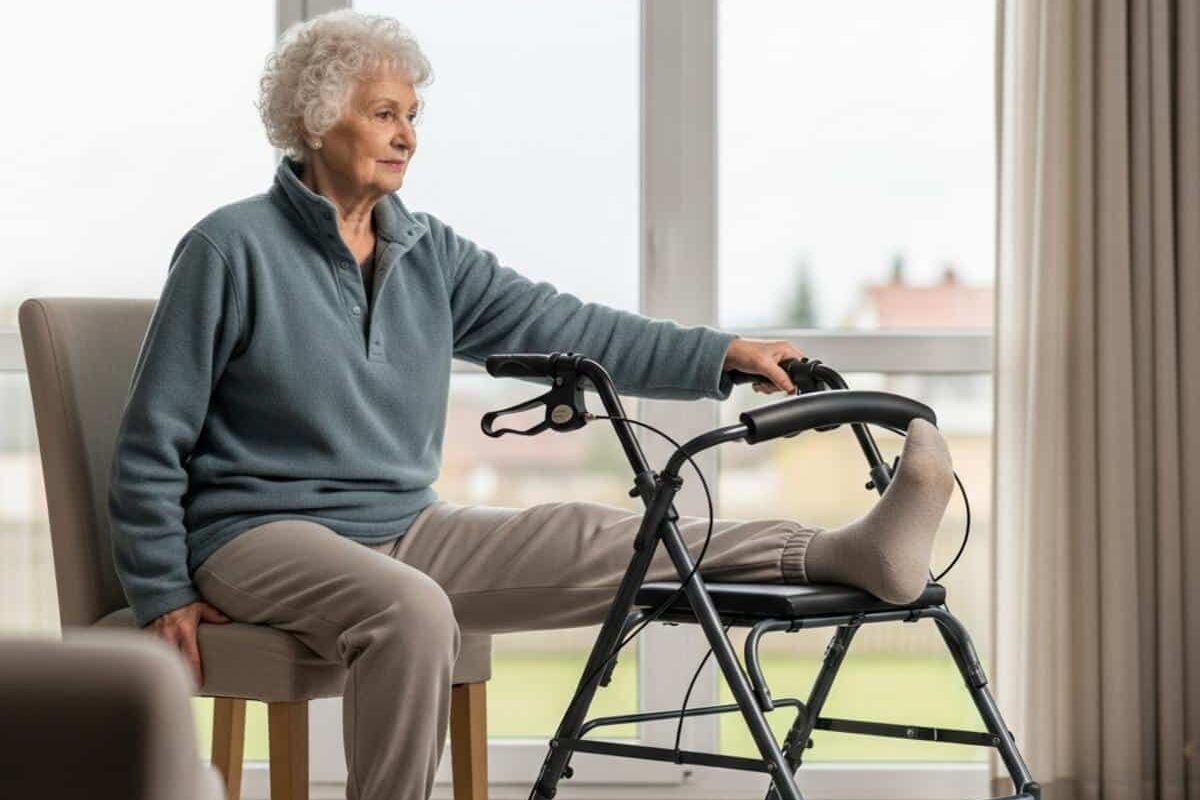
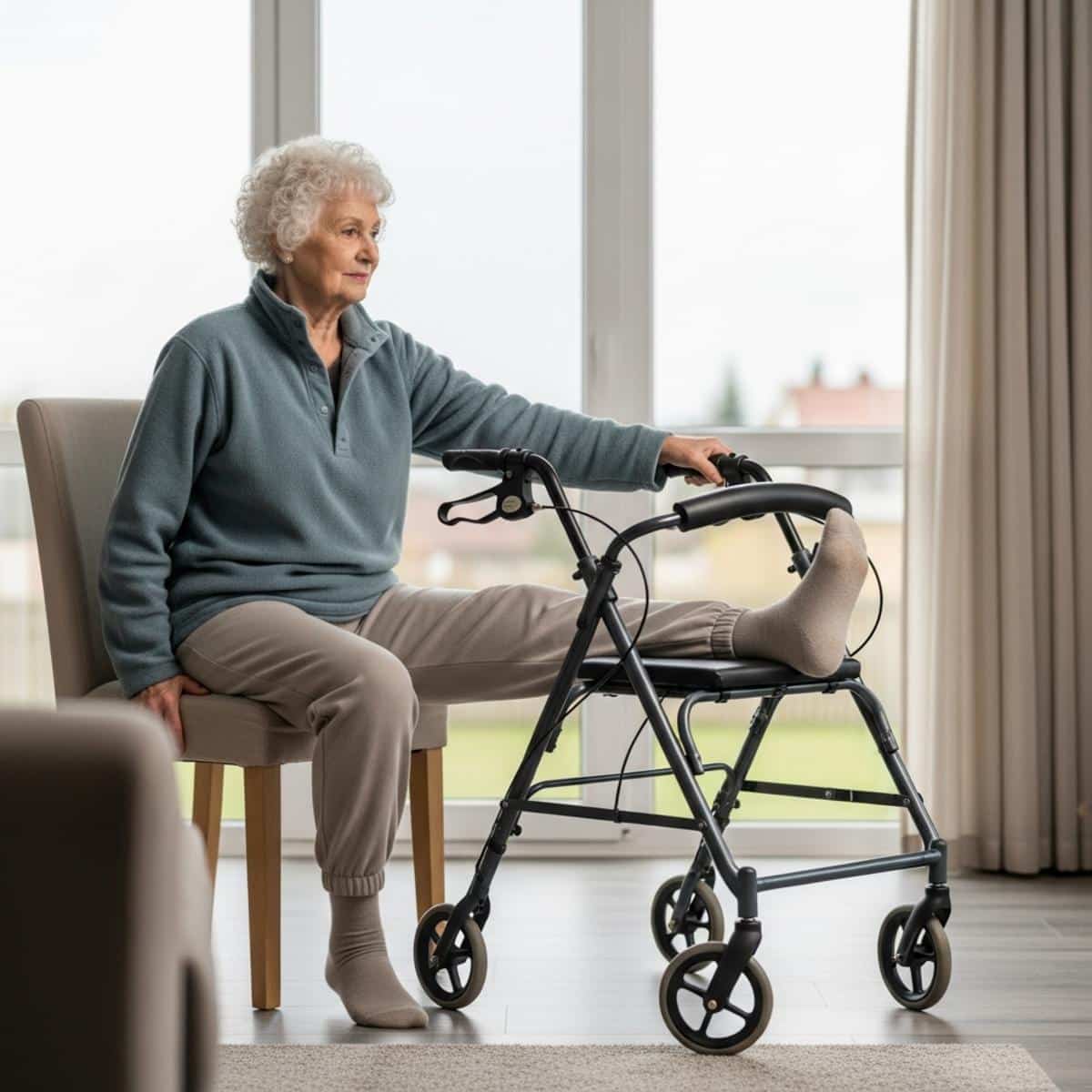
Chair modification: Sit at the edge of a sturdy chair. Slide one foot back as far as comfortable, keeping your back straight. Tilt your pelvis forward gently to feel the stretch.
2. Ankle Mobility Circles
Why it prevents falls: Your ankle is the first joint to respond when your footing shifts. Reduced ankle mobility means slower, less effective balance recovery.
How to do it: Seated or standing with one hand on a wall, lift one foot slightly and trace slow, full circles with your toes – 10 rotations clockwise, 10 counterclockwise. Switch feet.
Chair modification: Perform seated with both feet lifted slightly off the floor – identical benefit, zero balance demand.
3. Thoracic Rotation Stretch
Why it prevents falls: When your balance shifts suddenly, your upper spine needs to rotate quickly to help your body correct. Stiffness here slows that reaction.
How to do it: Seated in a chair, cross your arms over your chest and rotate your upper body slowly left, then right, going only as far as comfortable. Hold briefly at each end. Repeat 5 times per side.
Chair modification: This stretch is already chair-based – simply reduce the rotation range if you feel any discomfort.
4. Standing or Seated Hamstring Stretch
Why it prevents falls: Tight hamstrings pull on your pelvis and create a forward-leaning posture that shifts your center of gravity forward – a direct fall risk.
How to do it: Seated at the edge of a chair, extend one leg straight in front with your heel on the floor. Sit tall and hinge forward slightly from your hips (not your back) until you feel a gentle pull behind your thigh. Hold 20-30 seconds each side.
Active version: For readers who want more intensity, a light resistance band looped around the foot adds controlled load to this stretch without requiring floor work.
5. Calf Raise and Stretch Combo
Why it prevents falls: Your calves are the first muscle group engaged when your balance is disrupted. Strengthening and lengthening them simultaneously builds the reactive power you need.
How to do it: Standing behind a sturdy chair with both hands resting on the back, rise up onto your toes slowly, then lower back down with control. Do 8-10 raises. Then step one foot back and press your heel into the floor for a calf stretch. Hold 20 seconds each side.
Safety note: Grip socks add meaningful traction on smooth floors during standing stretches – a small detail that matters. You can read more about how grip socks reduce fall risk at home if that’s new to you.
Try this first: If five stretches feels like too much today, start with just the ankle circles and hip flexor stretch tomorrow morning. Two stretches is a routine. A routine becomes a habit.
The Simple Trick That Makes This Routine Stick Without Willpower or Discipline
Most morning exercise intentions fail for the same reason: they depend on motivation, which fluctuates. This routine works differently.
Habit-Stacking: Attach the Routine to Something You Already Do
You already make coffee. You already check the news or listen to a podcast. The stretch routine doesn’t replace any of that – it runs alongside it.
While the coffee brews, you do the ankle circles and hip flexors. While the news starts, you do the hamstring and thoracic work. The coffee doesn’t change. The news doesn’t change. Five minutes of movement just joins them.
This is called temptation bundling – pairing a new habit with an existing anchor. It’s one of the most reliably effective behavior-change strategies available.
Set Up Your Environment the Night Before
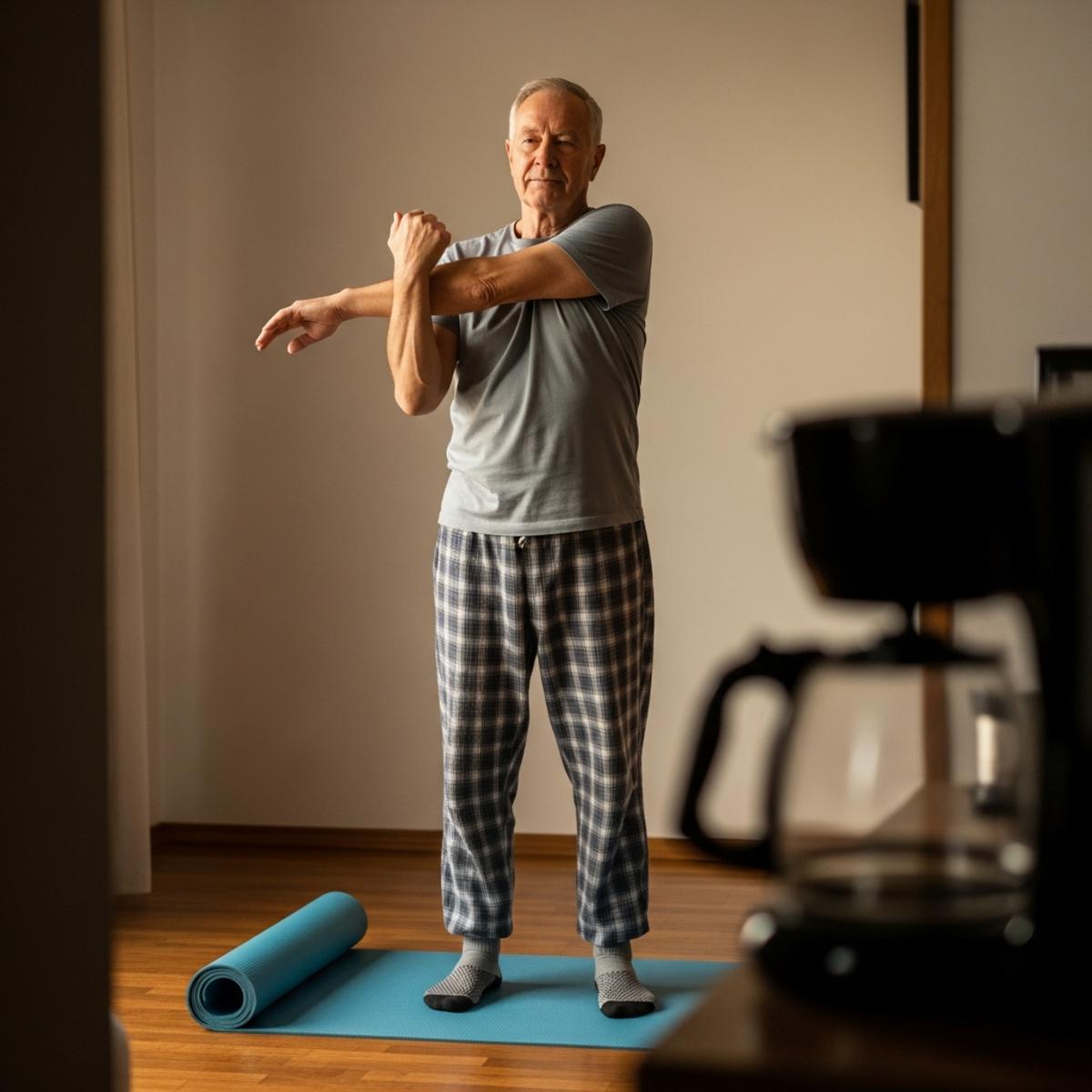
Leave your yoga mat already unrolled near where you watch the morning news. Keep your grip socks on the nightstand. Place a foam roller visibly nearby as both a warm-up tool and a visual cue that your routine is ready and waiting.
When your environment is already set, your brain doesn’t have to decide. It just continues.
Consistency Beats Perfection
A 3-minute version on tired days still maintains the habit and delivers real benefit. Skipping entirely – waiting for the “right” day – is the only version that doesn’t work.
You’re not adding a new obligation. You’re upgrading something you already do.
Want practical, evidence-informed tips like this delivered weekly? Subscribe to the Graying With Grace newsletter for trusted guidance on staying active, independent, and confident as you age.

How to Adapt This Routine Whether You’re Highly Active or Just Getting Started
This routine meets you where you are. Every stretch has a chair-supported modification, and every stretch can be deepened for more active readers.
If You’re Just Getting Started
Use the chair modifications for all five stretches during your first week – regardless of your current fitness level. This builds consistent form before you add range or resistance. Maintaining your independence depends far more on daily consistency than on intensity.
If You’re Already Active
Resistance bands are a natural next step for deepening the hip flexor and hamstring stretches. Loop a light band around your foot during the seated hamstring stretch to add controlled load without floor-level demands.
For readers who complete this routine consistently for 4-6 weeks and want to advance their stability training, a balance board is an excellent progression tool – it directly challenges the proprioceptive response the stretches have been building.
How to Tell the Difference Between Good Tension and a Warning Sign
- Productive stretch: A mild pulling sensation in the belly of the muscle that eases as you hold
- Stop and ease back: Sharp or localized pain, joint-level discomfort, or any sensation that worsens as you hold
Breathing Matters
Breathing steadily through each stretch – rather than holding your breath – amplifies the flexibility response. Slow exhales during the hold deepen the release. This single adjustment improves results more than most people expect.
For anyone managing existing mobility challenges or recovering from an injury, it’s worth reviewing what happens to your balance when daily movement habits aren’t quite right – the connection between body mechanics and home safety is tighter than most people realize.




When Will You Actually Feel the Difference? Here’s What to Expect Week by Week
Results from targeted flexibility work arrive faster than most people expect – but only with consistent morning practice.
Week 1
Reduced morning stiffness. Easier first steps getting out of bed or rising from a chair. Your body is already responding.
Weeks 2-3
Improved stride confidence during walks. Greater ease on stairs and uneven ground. The hip flexor work is paying off in ways you feel before you consciously notice them.
Week 4 and Beyond
Measurable improvements in balance confidence. Reduced hesitation in reactive situations – stepping off curbs, catching yourself on an uneven sidewalk, navigating a crowded space.
There’s a cognitive dimension here too. Knowing your body can respond reduces fear-of-falling anxiety, which itself is a documented fall risk factor. The research connecting mental confidence to physical fall prevention is clear: fear makes falls more likely, not less.
How to Track Your Own Progress
Today, before you start, note your morning stiffness level on a simple 1-10 scale. Check it again after 7 days of the routine. Most people see a meaningful shift in that first week alone.
You can also try a single-leg stand: hold one foot just off the floor and count how long you can balance. Do it again at the end of week 4. That number will tell you exactly how much fall readiness you’ve built.
Your 5 Minutes Starts Tomorrow Morning
Fall prevention doesn’t require a major overhaul of your fitness routine. It requires five intentional minutes every morning targeting the flexibility gaps that general exercise leaves unaddressed.
The hip flexors. The ankles. The thoracic spine. The hamstrings. The calves. Five links in a chain that most exercise programs never touch.
Choosing a smarter, more targeted approach isn’t cutting corners. It’s exactly the kind of strategic thinking that keeps active older adults active longer.
Roll out your mat tomorrow morning before the coffee finishes brewing. Start with the hip flexor stretch and the ankle circles. Just those two.
Then come back here and tell me in the comments: which stretch surprised you most – and which one did you feel immediately?
If you’re thinking about the broader picture of fall prevention beyond your morning routine, the 6-point public safety system for staying safe anywhere is worth your time next.