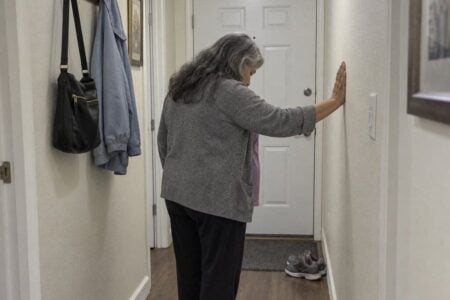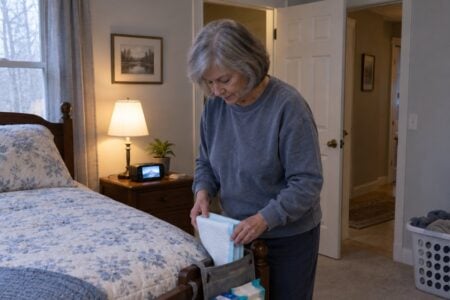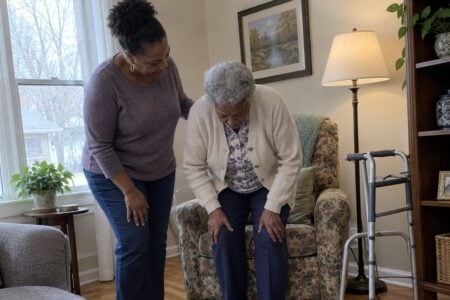
You’re standing in the hallway outside your parent’s room, and you already know: the shower isn’t safe anymore. The tub is out of the question. And they need a bath today.
No one hands you a manual for this moment. The blend of love, awkwardness, and genuine uncertainty about what comes next is something most family caregivers describe the same way — I had no idea how to do this, and I felt terrible about that.
Here’s what I want you to know right now: giving a bed bath at home is a skill you can learn, do well, and eventually turn into a calm and comfortable routine. With the right preparation and the right tools, this doesn’t have to feel overwhelming — and it can become one of the most meaningful parts of caring for someone you love.
Let’s walk through everything you need: what to gather, how to set up the space, the step-by-step bathing sequence, how to wash hair without a tub, and how to make this easier over time.
The Home Bed Bath Checklist: Everything a Family Caregiver Needs to Prepare, Bathe, and Care With Confidence
Download this complete bed bath checklist and transform an overwhelming caregiving task into a clear, step-by-step routine that keeps your parent comfortable, dignified, and safe.
What You Need Before You Start a Bed Bath at Home




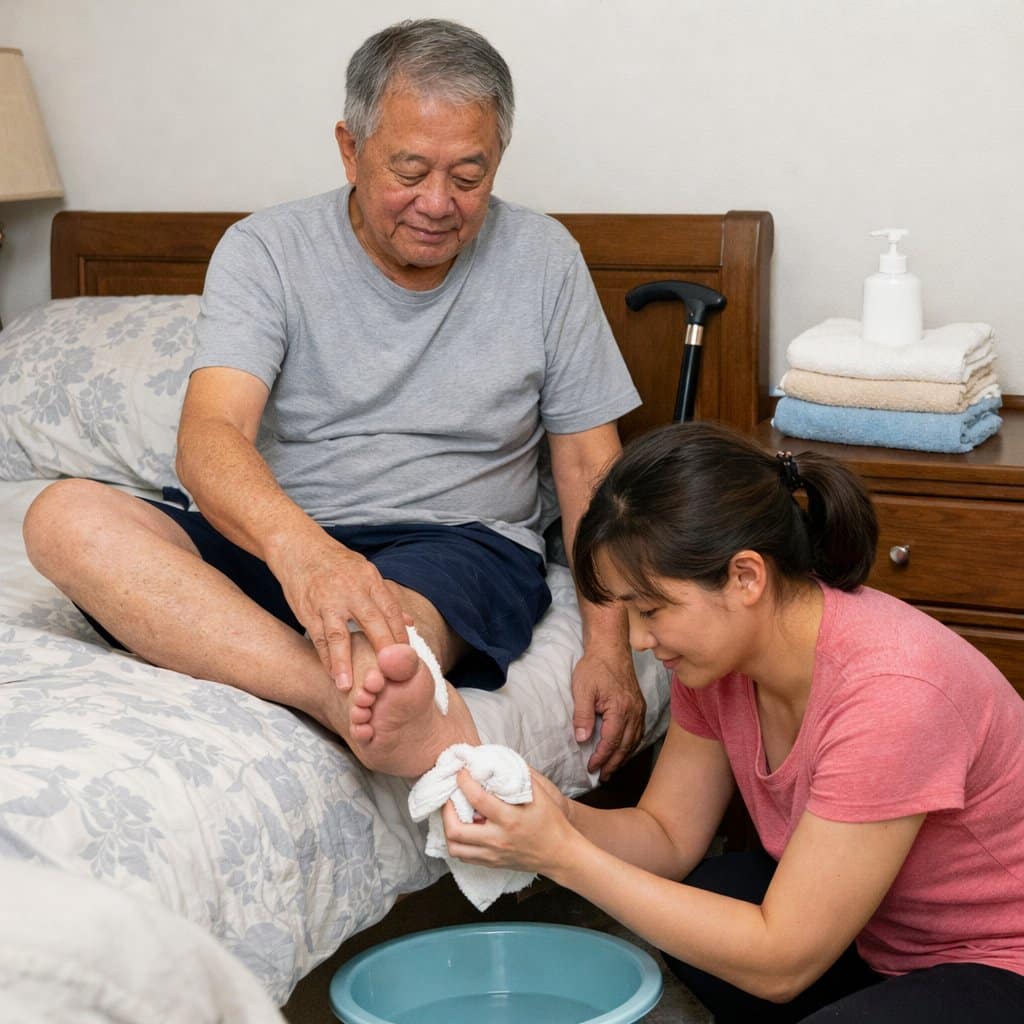
Preparation Is the First Act of Dignity
The difference between a stressful bed bath and a smooth one almost always comes down to preparation. When everything is within arm’s reach before you begin, you don’t have to leave your parent uncovered to search for something you forgot — and that protects both their comfort and their privacy.
Your Bed Bath Supplies Checklist
Gather these before you start:
- Warm water in a basin (if using a damp cloth method)
- Waterproof pad or extra towels to protect the bedding
- Two or three clean bath towels for draping and drying
- Washcloths or disposable cloths
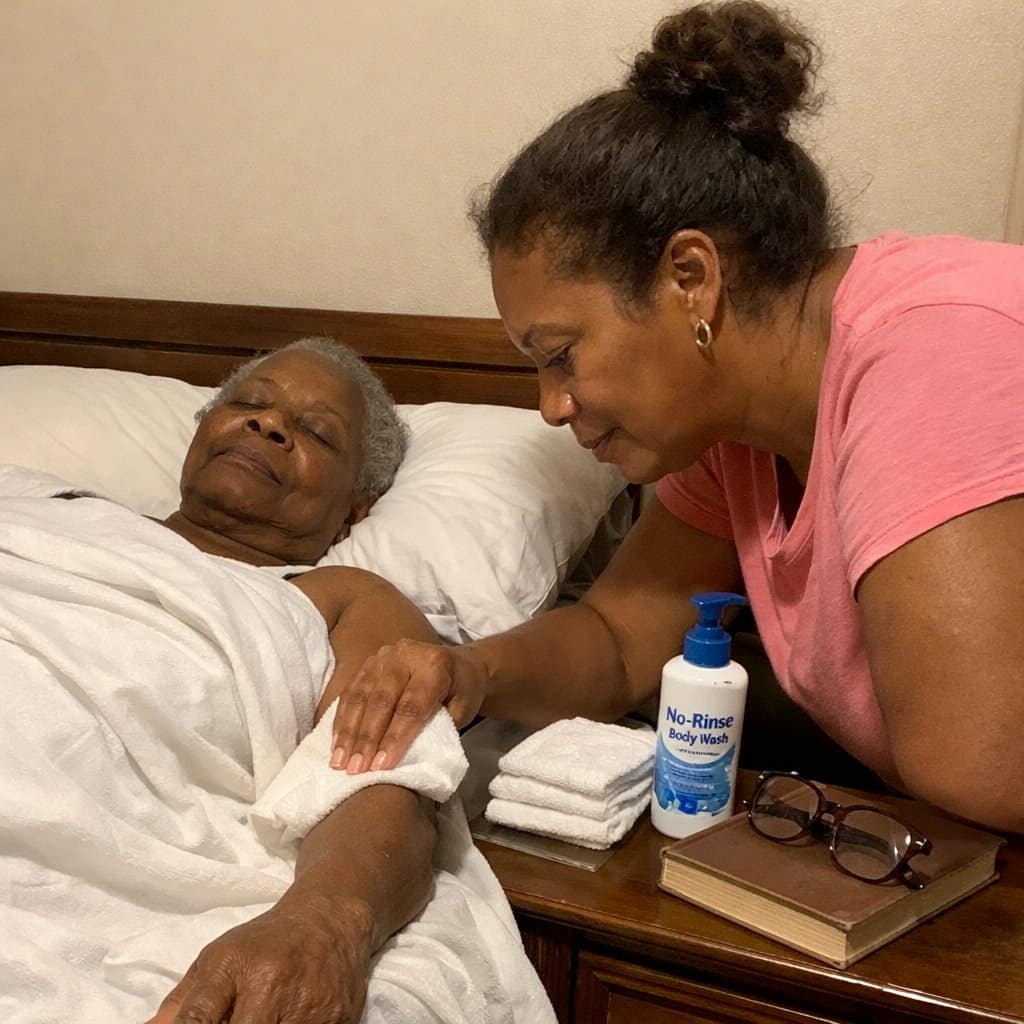
- Mild soap or no-rinse body wash
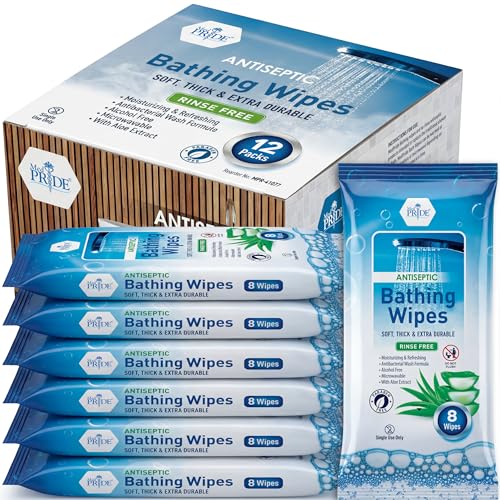
- Adult body wipes (extra-large format — more on this below)
- Clean clothing or a hospital gown for after
- A small basin or bowl for hair washing, if needed
- Waterless shampoo cap or no-rinse shampoo
- Lotion for skin care after drying
How Often Should a Bedridden Elderly Person Be Bathed?
For most bedridden older adults, a full bed bath two to three times per week is appropriate, with spot cleaning of the face, hands, and perineal area done daily. That said, individual skin type, activity level, and your parent’s preferences all factor in — and some people simply feel better with more frequent bathing.
The Case for Adult Body Wipes
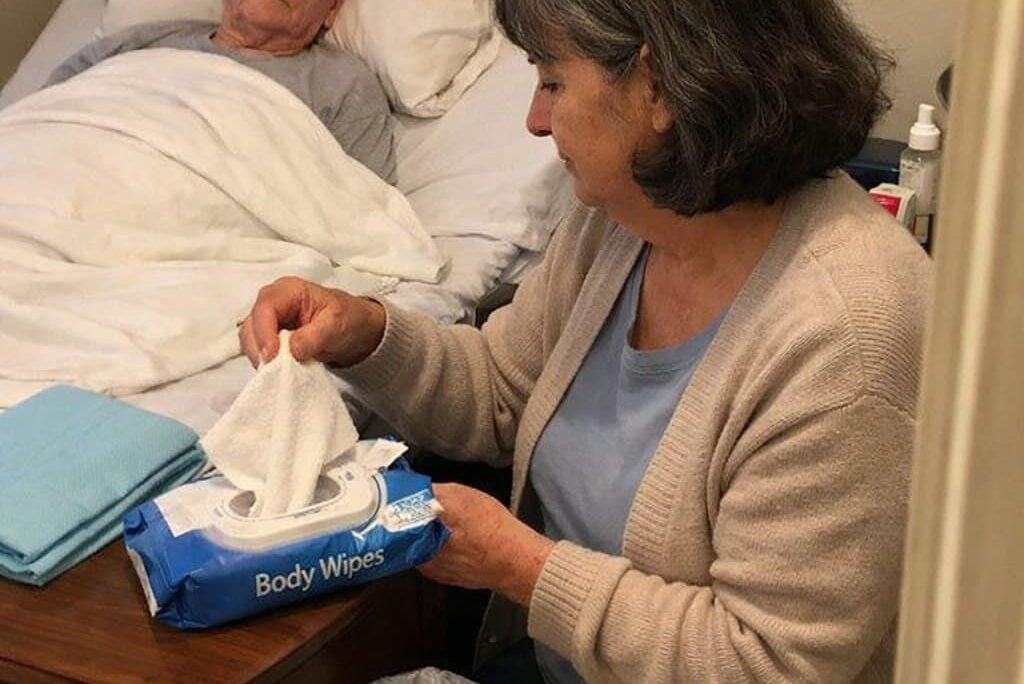
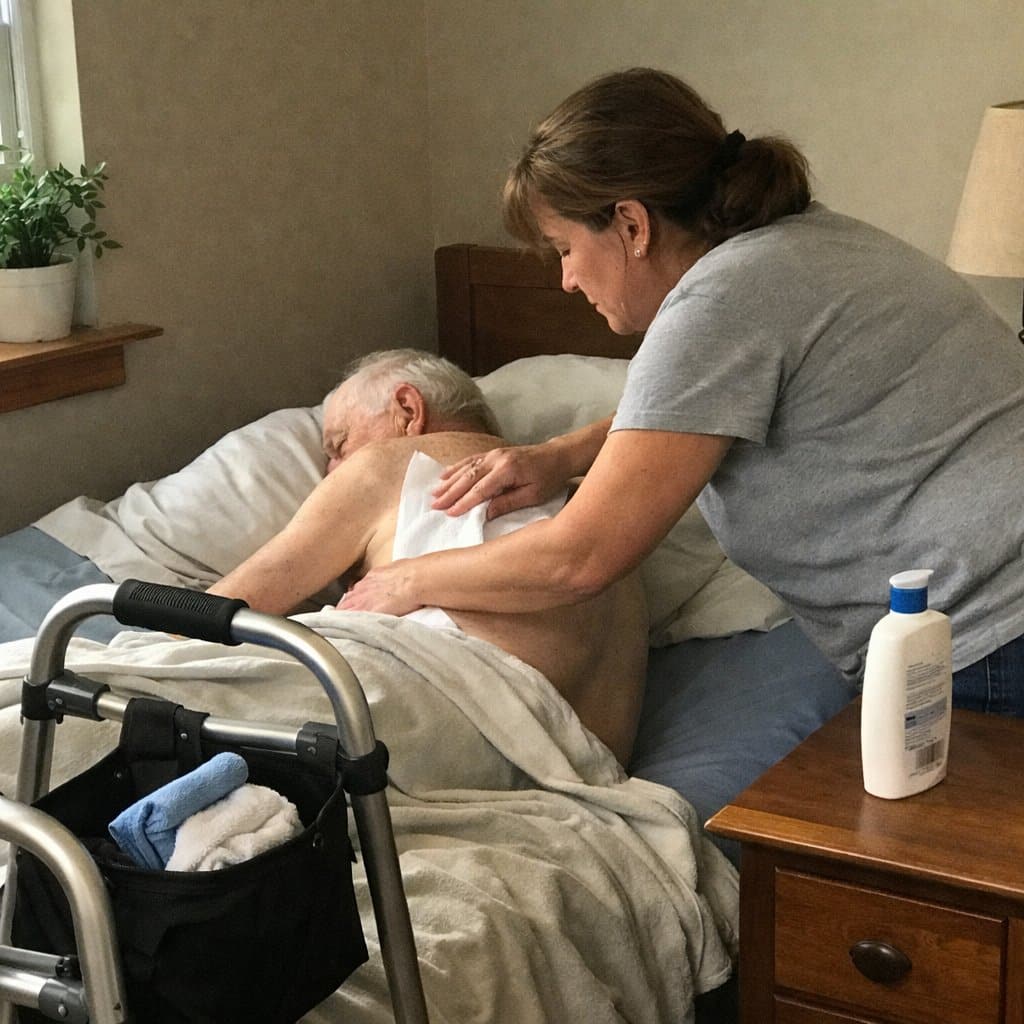
For many family caregivers, extra-large adult body wipes have become the go-to tool for bed bathing at home — and for good reason. They eliminate the need to manage water temperature, prevent dripping on sheets, and allow you to work through the bathing sequence cleanly and efficiently with one hand while using the other to drape and reposition.


If you’d prefer a more traditional approach, a bed bath basin kit gives you everything you need for a warm water sponge bath setup in one organized package.


For caregivers who like the damp cloth method but want to skip rinsing, no-rinse body wash is an excellent middle ground — apply it with a warm cloth, wipe clean, and you’re done.


Set the Room Up for Warmth and Privacy
Close the door. Adjust the thermostat or use a small space heater to warm the room before you begin — an older adult lying still with skin exposed chills quickly. Make sure you won’t be interrupted.

How to Set Up the Bed and Room Before You Begin
Position Your Parent for Comfort and Access
Help your parent lie on their back with their head slightly elevated if they’re comfortable that way. This gives you good access to most areas of the body while keeping them supported.
Slide a waterproof pad or a folded towel under the area you’re working on to protect the mattress and sheets. You can reposition it as you move through the bathing sequence.
Drape First — Always
Cover your parent with a clean sheet or light blanket before you begin, and only uncover one section of the body at a time as you work. This isn’t just about warmth — it’s about dignity. Exposing only what’s necessary at any given moment communicates respect without a single word.
Talk Your Parent Through It
Before you touch anything, explain what you’re doing and what comes next. Something simple works well here:
“Mom, I’m going to help you freshen up this morning. We’ll go slowly, and I’ll keep you covered and warm. Let me know if anything feels uncomfortable.”
If your parent is resistant — if they feel embarrassed, frustrated, or simply don’t want help with this — that’s completely normal. Many older adults struggle with accepting personal care from an adult child. Acknowledge it directly: “I know this feels strange. It feels a little new for me too. But we’ll figure it out together.” Addressing the discomfort out loud often diffuses it faster than trying to work around it.
This kind of gentle communication is especially important if you’re navigating a situation where a parent is refusing bathing altogether. Resistance often comes from embarrassment or fear, not stubbornness — and patience, consistency, and a calm tone go a long way. For more on navigating difficult caregiving conversations, our home safety checklist includes sections on creating a safer, less anxiety-producing daily environment.
The Step-by-Step Bed Bath Routine for Family Caregivers




Follow a Consistent Sequence
A reliable order makes bed bathing faster, more thorough, and more comfortable for your parent. It also means nothing gets missed — and your parent always knows what’s coming next, which reduces anxiety on both sides.
Work in this sequence, from cleanest to least clean:
- Face — Use a soft cloth or wipe with gentle strokes. Avoid the eyes or wipe outward from the inner corner. Pat dry.
- Neck and ears — Easy to overlook, but important. Pay attention to the skin behind the ears and the back of the neck.
- Arms and underarms — Lift each arm gently and be thorough in the underarm area. This is a common spot for odor and skin irritation.
- Chest and abdomen — Work gently, paying extra attention to skin folds, which can trap moisture and become irritated if not dried thoroughly.
- Legs and feet — Feet are often overlooked but matter enormously for circulation and skin health. Dry carefully between the toes.
- Back — Help your parent roll to one side gently, or ask them to do so if they’re able. Support them with a rolled towel if needed.
- Perineal area — Save this for last. Use a fresh wipe or cloth, work front to back, and be thorough but gentle. Your parent may be able to handle this area themselves if you hand them a wipe — offering that option preserves their autonomy.
After each section, re-drape before moving to the next. This keeps your parent warm and covered throughout.
Why Wipes Win for Home Caregivers
Working through this sequence with a basin of water requires constant temperature checking, rinsing, and wringing — and the water cools fast. Extra-large adult body wipes let you move through each step cleanly without any of that. No dripping. No re-warming. No soaking the sheets.


Disposable washcloths are another strong option — particularly useful for caregivers who prefer a slightly more traditional feel but don’t want the hassle of laundering cloths after every bath.




Ready to discover more compassionate, practical strategies for in-home caregiving? Subscribe to our newsletter for more tips: Join here
How to Wash Your Parent’s Hair Without Getting Them Out of Bed

Why Hair Washing Matters More Than You Might Think
In my experience working with family caregivers, hair washing is the step that makes the biggest emotional difference for the person receiving care. More than almost anything else, having clean hair can make your parent feel like themselves again.
It’s also one of the most skipped steps in a home bathing routine — partly because it seems complicated when someone can’t get to a sink or tub.
Two Practical Options for In-Bed Hair Washing
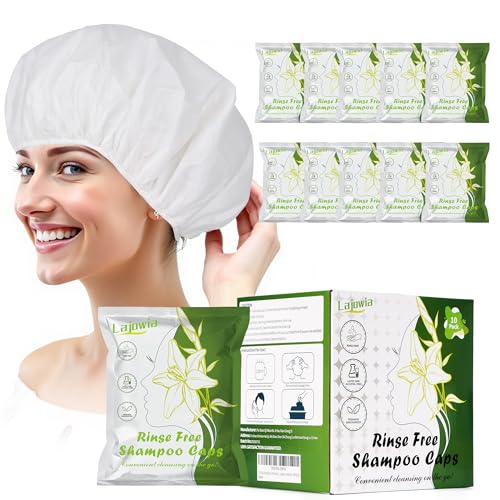
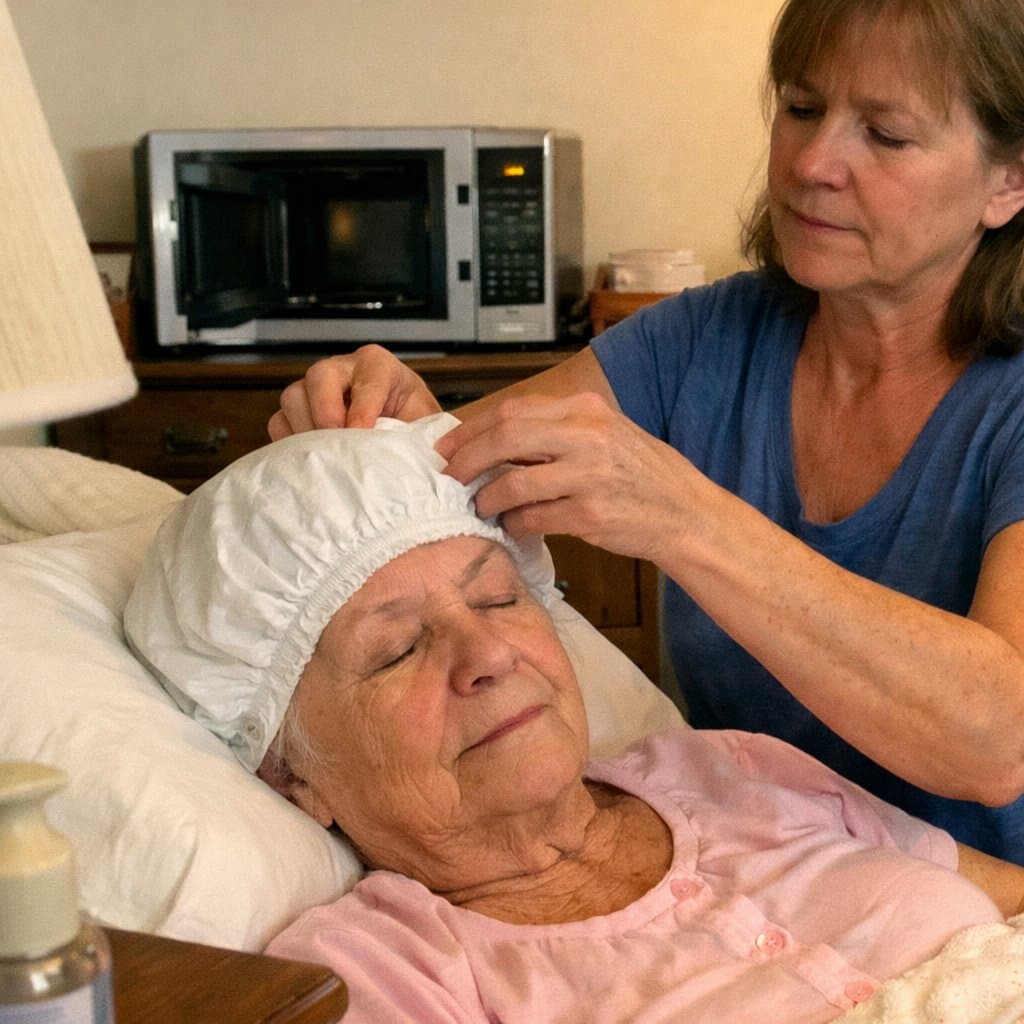
Option 1: Waterless shampoo caps — These are heated in the microwave for a minute or two, then placed on your parent’s head like a shower cap. The built-in no-rinse formula cleanses the scalp as you massage gently through the cap, and then you simply remove it and towel dry. For most caregivers, this is the easiest, most dignified approach — no water, no dripping, no mess.


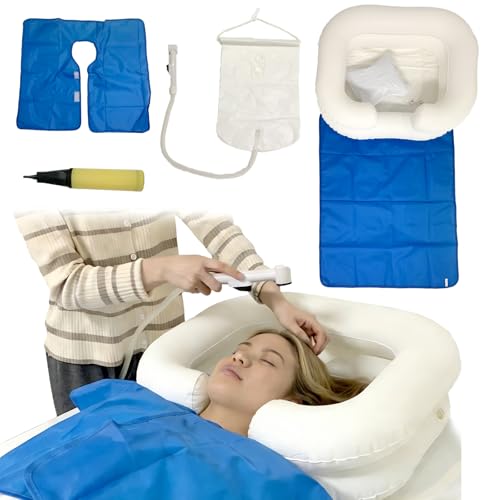
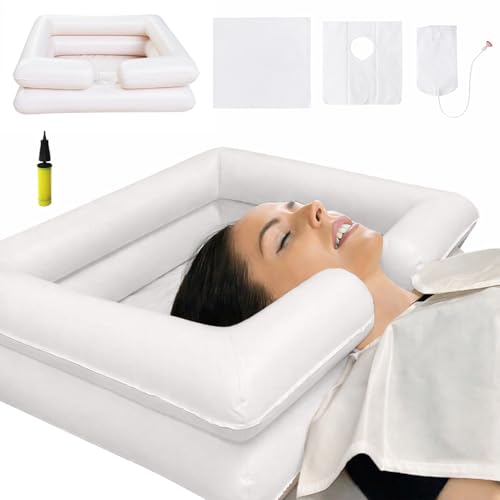
Option 2: Basin shampooing with a neck rest — Place an inflatable shampoo basin under your parent’s head and neck, tilt their head back slightly, and use a pitcher to wet and rinse the hair over the basin. This takes more setup but delivers a more thorough wash for longer hair or heavier buildup. Use no-rinse shampoo to minimize the amount of water needed.
After the Wash: Managing Hair With Care
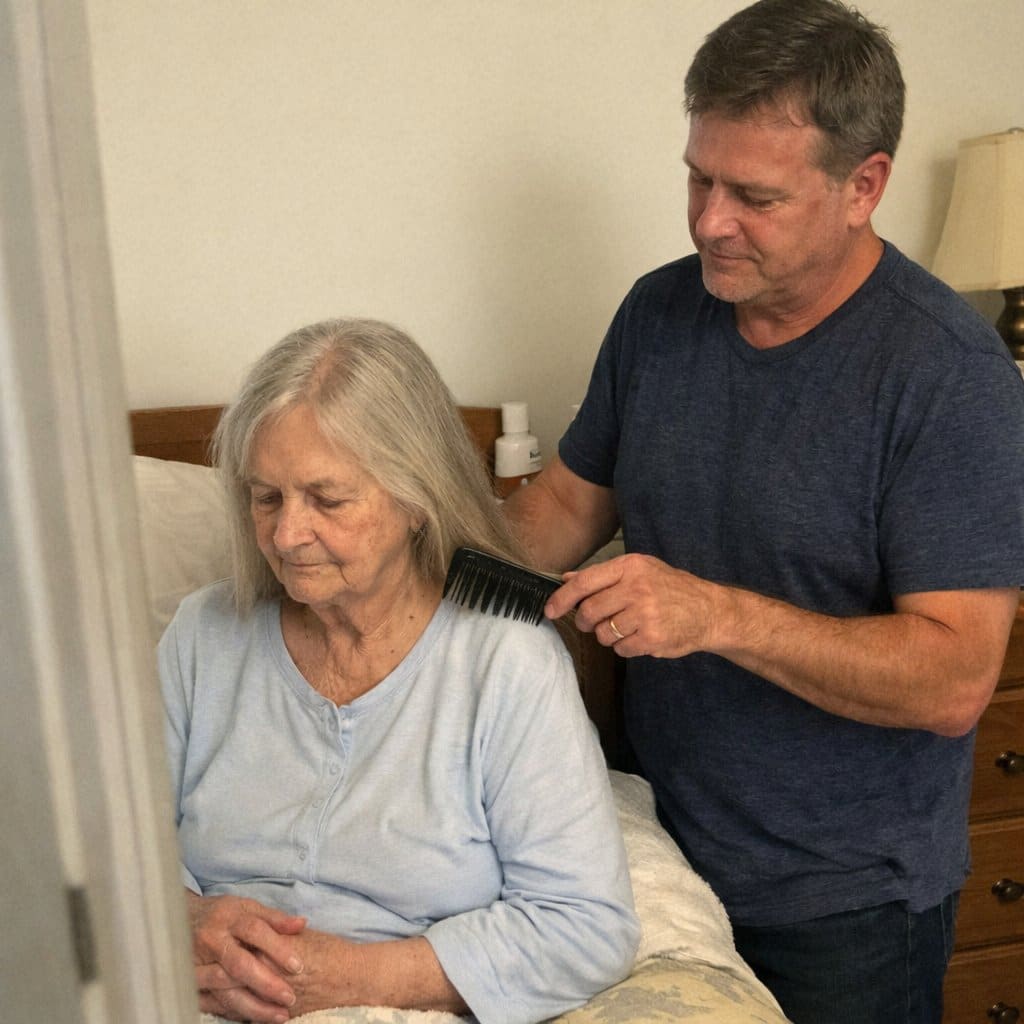
Towel dry gently — don’t rub. If your parent has longer hair, use a wide-tooth comb to detangle carefully, starting at the ends and working up. A loose braid can help keep longer hair tidy and tangle-free between washes.
For most bedridden older adults, hair washing once or twice a week is realistic and sufficient. Waterless shampoo caps make it easy enough that you don’t have to save it for a “big bath day.”
Tips for Making the Home Bathing Routine Easier — and More Comfortable for Both of You


Consistency Is Your Best Friend
Set a regular schedule — the same time of day, the same days of the week. Predictability reduces resistance from your parent and reduces the mental load for you. Over time, the routine becomes its own kind of comfort.
Keep Your Supplies Organized and Close
Store everything in a dedicated basket or caddy near the bed. When setup takes two minutes instead of ten, the whole experience feels more manageable.
Involve Your Parent as Much as Possible
Hand them a wipe and ask if they want to wash their own face. Let them choose whether they’d like the window open or closed. Ask if they’re warm enough. These small moments of choice preserve autonomy and dignity in a situation where your parent may feel they have very little control.
Is No-Rinse Bathing Safe for Elderly Skin?
Yes — quality no-rinse products are specifically formulated for sensitive, aging skin. They’re widely used in professional home care and nursing settings because they’re effective, gentle, and far less drying than soap and water. If you’re seeing redness, unusual dryness, pressure sores, or skin breakdown during bathing, those are signs to flag with your parent’s healthcare provider sooner rather than later. Bathroom safety products and the right mattress can also help reduce skin pressure between baths.
Give Yourself Grace
Caregiver fatigue is real, and the emotional weight of providing intimate care for a parent doesn’t disappear just because the routine gets smoother. If this task feels heavy some days, that’s not weakness — that’s love doing hard work. You’re allowed to feel that.
For support beyond the bathing routine, our resources on finding live-in caregiver help and must-have products for aging in place can help lighten the overall load.
The Home Bed Bath Checklist: Everything a Family Caregiver Needs to Prepare, Bathe, and Care With Confidence
Download this complete bed bath checklist and transform an overwhelming caregiving task into a clear, step-by-step routine that keeps your parent comfortable, dignified, and safe.
You Can Do This — and Do It Well
Giving a bed bath at home is a skill, and like any skill, it gets easier with practice. The first time might feel uncertain. The fifth time will feel routine. The twentieth time might even feel like one of the quieter, more connected moments in your week together.
You showed up. You searched for help. You’re learning. That effort matters more than you know — and your parent is fortunate to have someone who cares this much.
Have questions about the bed bathing process, or something that’s worked well in your own routine? Share it in the comments below. Your experience might be exactly what another caregiver needs to hear today.
And if you’re also thinking about broader home safety for your parent, our fall prevention checklist is a great next step — because a safer home makes every part of caregiving a little easier.