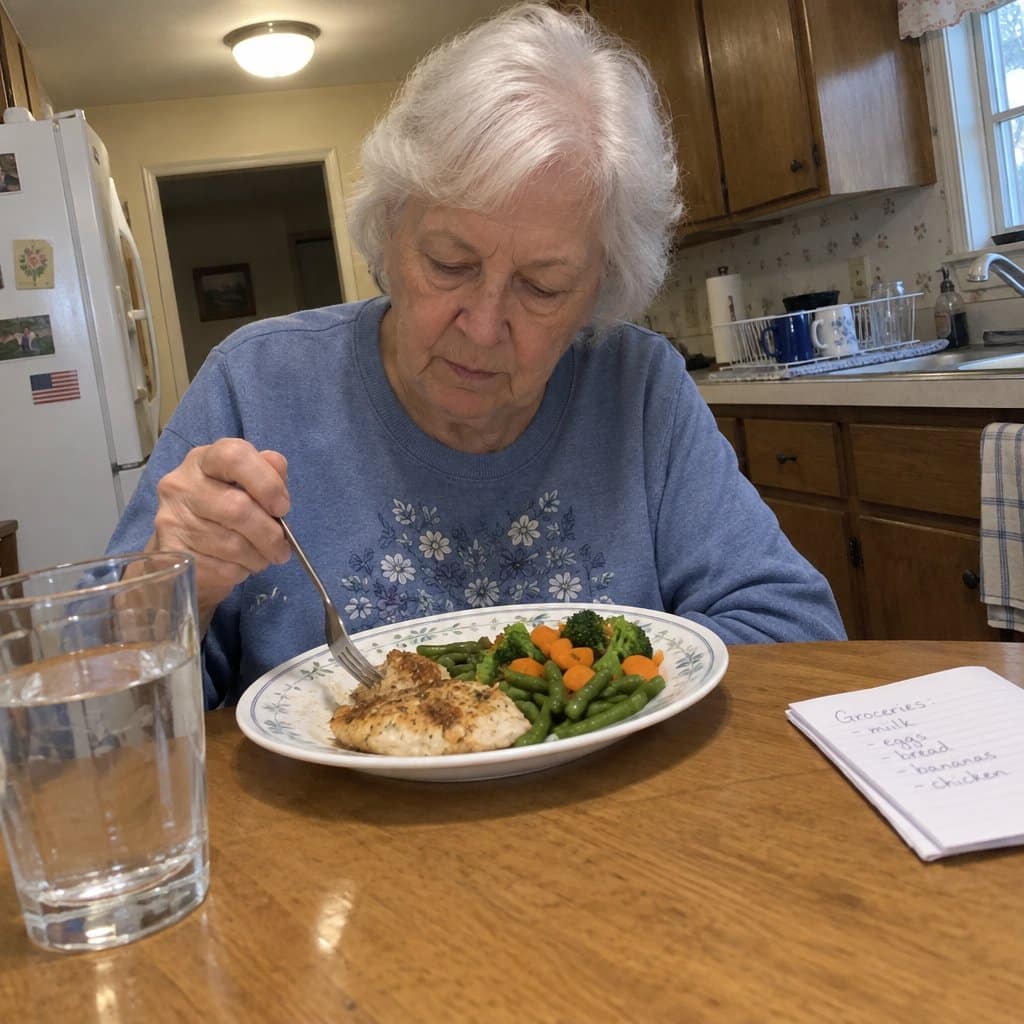
It’s 3:15 in the afternoon. You’ve been on since 7 a.m.
Dinner still needs to be coordinated, medications need sorting, and there’s at least one more conversation ahead that will require patience you’re not sure you have left.
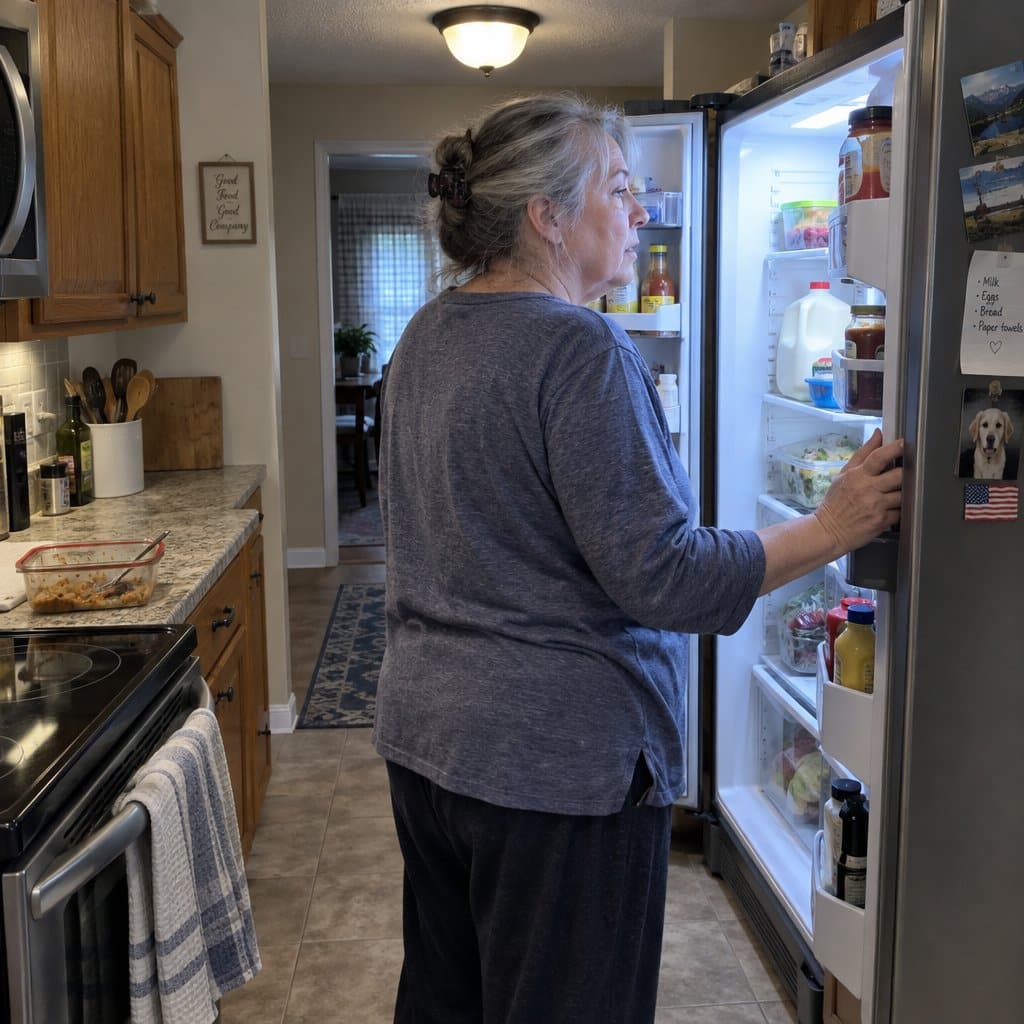
Your hand reaches for whatever is closest — another coffee, or one of those canned energy drinks someone left in the fridge.
That moment is real, and it happens to almost every caregiver I’ve worked with over the past 20 years. The 3 o’clock wall isn’t a personal failing. It’s a predictable pattern — and predictable patterns can be planned around.
There are lighter options that can carry you through the afternoon without spiking your blood sugar, without leaving you crashing right when you need to be most present, and without requiring any complicated prep.
Caregiver Afternoon Slump Cheat Sheet
Get a practical, low-sugar plan to beat the 3 o’clock energy crash—complete with a caffeine tracker, real alternatives, and two-minute resets you can use today—so you can stay present and alert when your loved one needs you most.
Why the 3 O’Clock Slump Hits Caregivers Harder
The afternoon energy dip is biological. Your circadian rhythm naturally dips in the early-to-mid afternoon — this is normal human physiology, not a sign of weakness or poor discipline.
But caregiving amplifies that dip in specific ways.
Fragmented Sleep Makes It Worse
Short or interrupted sleep — which is common among caregivers — makes the afternoon dip more pronounced and harder to push through. The body never fully recovered from the night before, so the afternoon trough lands harder.
Emotional Labor Drains in Ways Sleep Can’t Fully Fix
Caregiving isn’t just physically demanding. The constant vigilance, the decision-making, the emotional presence required — all of it depletes mental energy in ways that a full night’s sleep doesn’t entirely restore. By 3 p.m., you may have already given more than most people give in a full day.
Skipping or Rushing Lunch Removes the Fuel
Caregivers regularly skip lunch or grab something fast and high-carb. When stable fuel doesn’t go in at noon, the afternoon dip has nothing to cushion it.
Once you understand why it happens, the fix becomes less about willpower and more about what you reach for.
The Problem With What Most Caregivers Reach For
Sugary energy drinks and extra coffee provide a short lift followed by a harder crash — a cycle that compounds across the day and across the week.
How High-Sugar Energy Drinks Work Against You
A sugary drink causes a quick glucose spike, which triggers an insulin response, which often drops blood sugar lower than it was before you drank anything. The crash from this cycle tends to land right when you need to be most present — dinner, medications, evening routines. The timing couldn’t be worse.
The Caffeine Math Most Caregivers Aren’t Tracking
A morning coffee. A midday coffee. An afternoon energy drink. Maybe an evening tea. Those amounts add up quietly. Most health guidelines reference 400 mg as the daily limit for healthy adults. It’s easier than you’d think to edge past that without noticing, especially when every drink feels justified in the moment.
Caffeine also has a half-life of roughly 5 to 6 hours. An afternoon drink at 3 p.m. still has half its caffeine in your system at 8 or 9 p.m. For caregivers already dealing with fragmented sleep, that matters.
Caffeine Isn’t the Enemy
The issue isn’t caffeine itself. It’s untracked accumulation and the sugar that often comes along for the ride. The goal isn’t to give up caffeine — it’s to be more intentional about how much is coming in and what it’s attached to.
Some caregivers keep a simple tally using their phone’s notes app or a small notepad near the coffee maker — nothing elaborate, just a rough count of what went in and when. It takes about ten seconds and changes the picture quickly.



Low-Sugar Ways to Get Through the Afternoon
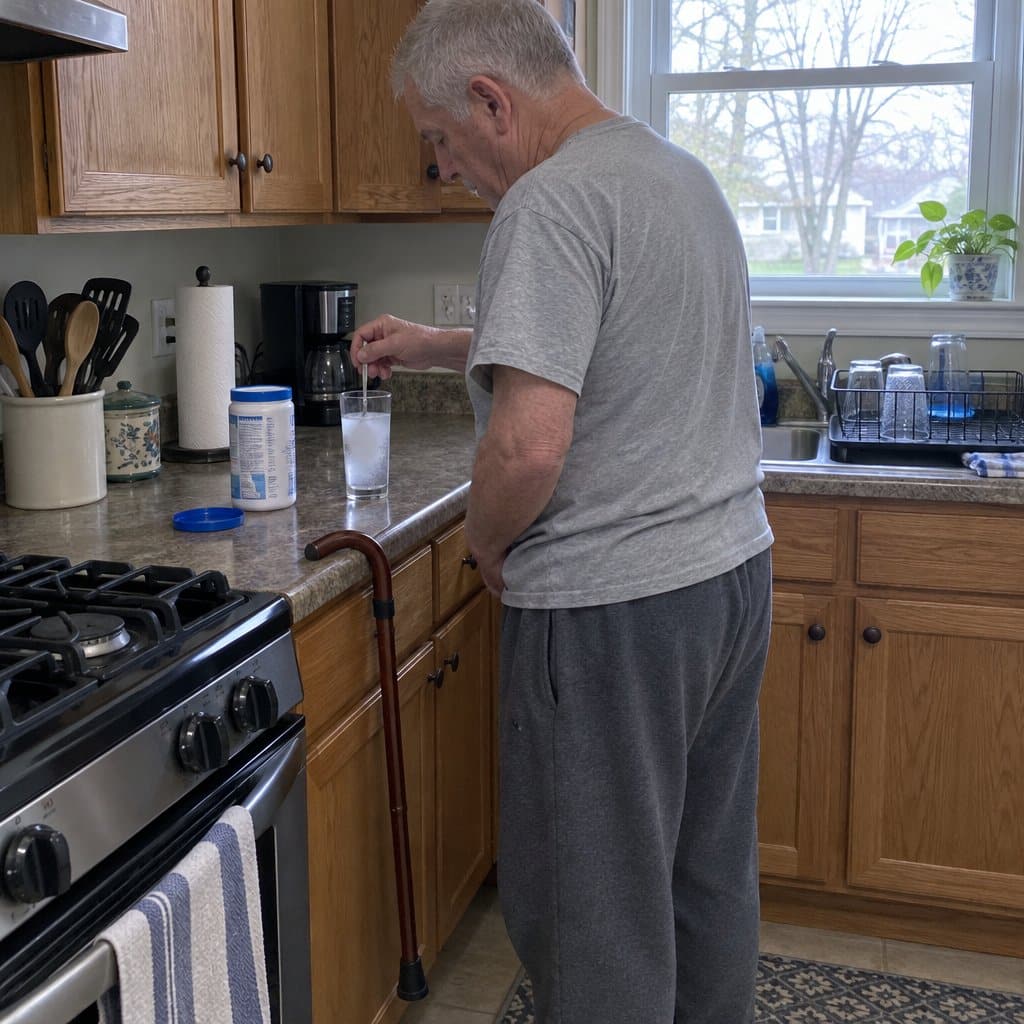
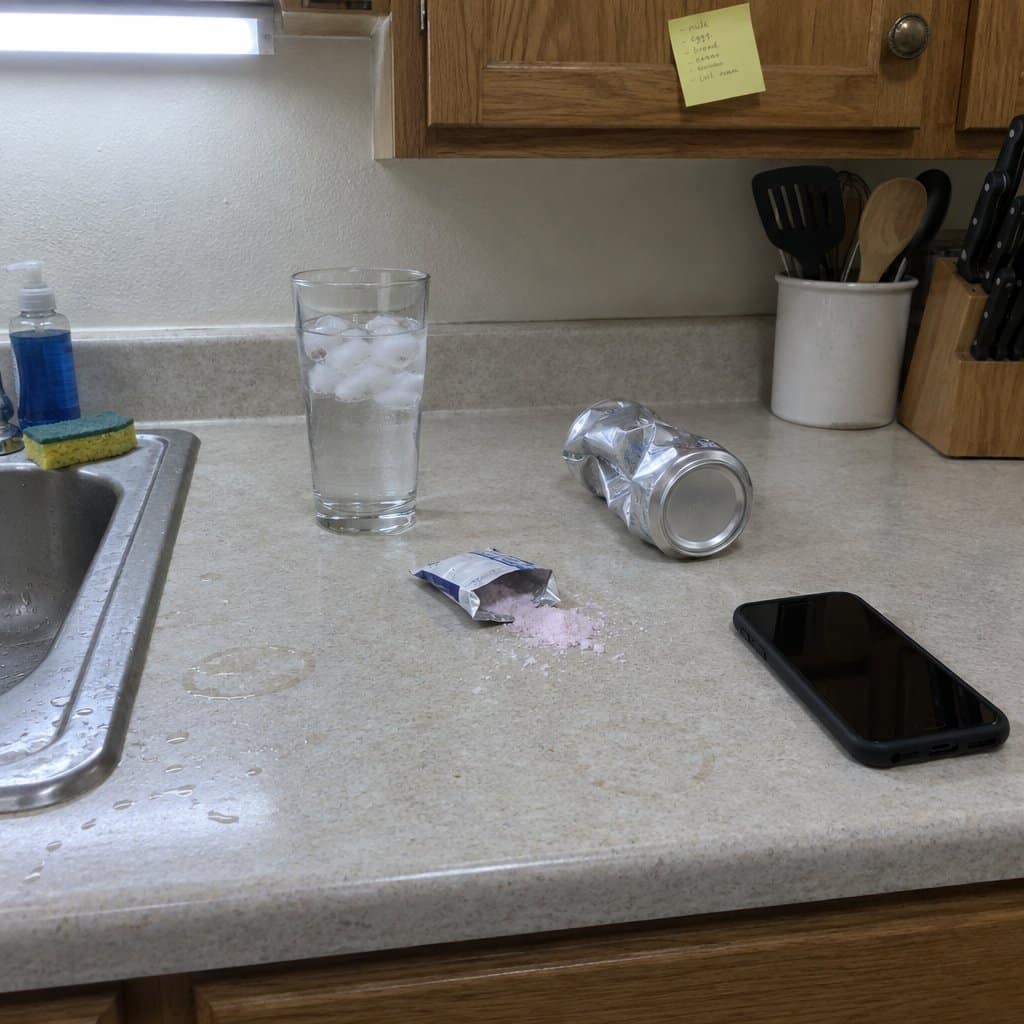
There are several practical, lower-sugar options that can provide a genuine afternoon lift without the crash. Some of them are easier to use than a can from the vending machine.
Tea-Based Energy Drink Mixes
Green tea and other tea-based drink mixes typically contain moderate caffeine alongside L-theanine, a compound that tends to produce a smoother, more focused lift than straight caffeine alone. Many are formulated to be low in sugar or sugar-free, which sidesteps the spike-and-crash cycle entirely.
They come in powder or packet form, mix into water, and require no machine and no prep. Easy to keep in a caregiver bag or a client’s kitchen drawer.

Green Tea Powder
Traditional matcha or green tea powder offers a similar caffeine-plus-L-theanine combination in a form that stirs into water or milk. It typically runs lower in caffeine than coffee, which makes daily totals easier to manage. Available in both sweetened and unsweetened versions, so you can control the sugar load.


Low-Calorie Ready-to-Drink Options
For caregivers who want the convenience of a can without the sugar, some brands offer low-calorie or zero-sugar versions of familiar energy drinks. Worth checking the label before you buy — some low-calorie versions still run 150 to 200 mg of caffeine per can, which is worth knowing if you’ve already had coffee earlier in the day.


One Honest Caveat
None of these are magic. They work best alongside a real lunch and a glass of water — two things caregivers regularly skip. A lower-sugar drink mix paired with an empty stomach and no hydration is still a limited solution.
Looking for more practical tips to support your energy, your health, and the person in your care? Subscribe to our newsletter for more tips: Join here
How to Keep Track of the Caffeine Adding Up


Most caregivers aren’t overcaffeinating on purpose. They’re just not counting. A simple awareness habit changes that pattern without requiring any real effort.
A Rough Reference for Common Drinks
- Drip coffee: approximately 95 mg per 8 oz
- Espresso: approximately 63 mg per shot
- Black tea: approximately 47 mg per 8 oz
- Green tea: approximately 28 mg per 8 oz
- Common energy drinks: 80 to 200 mg per can, depending on brand and size
The commonly cited daily limit is 400 mg for most healthy adults. It’s a useful reference point — not a hard cliff, but a number worth knowing when things are stacking up.
The Cutoff Window Concept
Because caffeine’s half-life runs roughly 5 to 6 hours, an afternoon drink at 3 p.m. still has meaningful caffeine in your system at bedtime. For caregivers already managing fragmented sleep, that can quietly make the next day’s slump worse — which leads to reaching for more caffeine the next afternoon, and so on.
A Three-Day Tally
Try keeping one simple running total for just three days. Note what you had and approximately when. No judgment, no goal — just information. Most people are surprised by what a typical day actually looks like once they see it written down.
This isn’t about restriction. It’s about understanding the tool so it works for you instead of against you.
A Few More Things That Help at 3 O’Clock


Drink choices are one lever. A few other quick habits can meaningfully change how the afternoon feels — and none of them require extra time you don’t have.
Hydration First
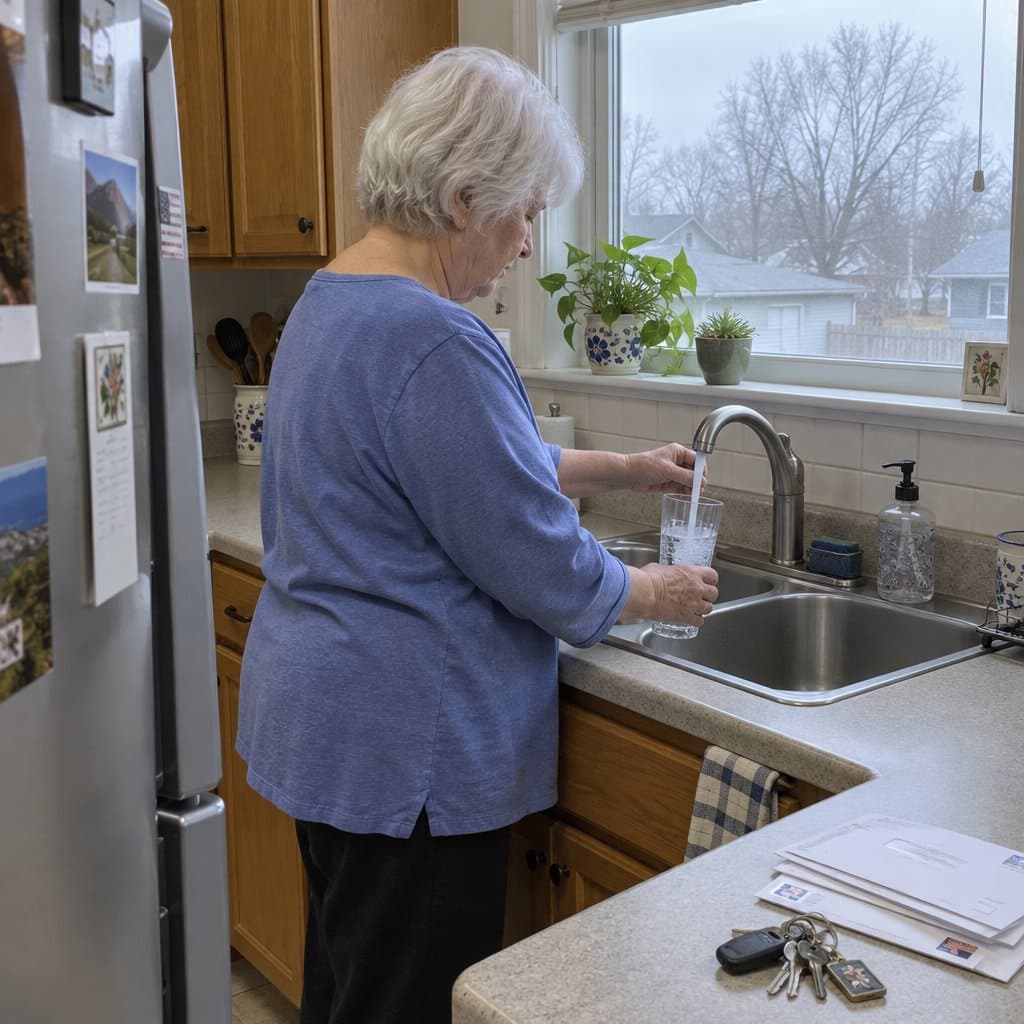
Afternoon fatigue is frequently mild dehydration wearing a convincing disguise. A full glass of water before reaching for caffeine often takes the edge off enough to matter. It takes about 30 seconds and costs nothing.
A Real Lunch When Possible
Blood sugar stability through the afternoon starts with what happened at noon. A lunch with protein and fat — even something simple — slows the afternoon dip noticeably compared to skipping or grabbing something fast and high-carb. This is worth protecting when you can.
If mobility and nutrition for the person in your care are already on your radar, you might also find the guide to easy-to-swallow foods for elderly adults useful — the same thinking about stable, nourishing options applies to caregivers too.
A Short Change of Scene
Even two minutes outside — or just stepping into a different room — can interrupt the fatigue loop. Caregivers often forget they’re allowed to do this. You don’t need to take a walk. You just need to move your eyes off the same four walls for a moment.
Light Movement
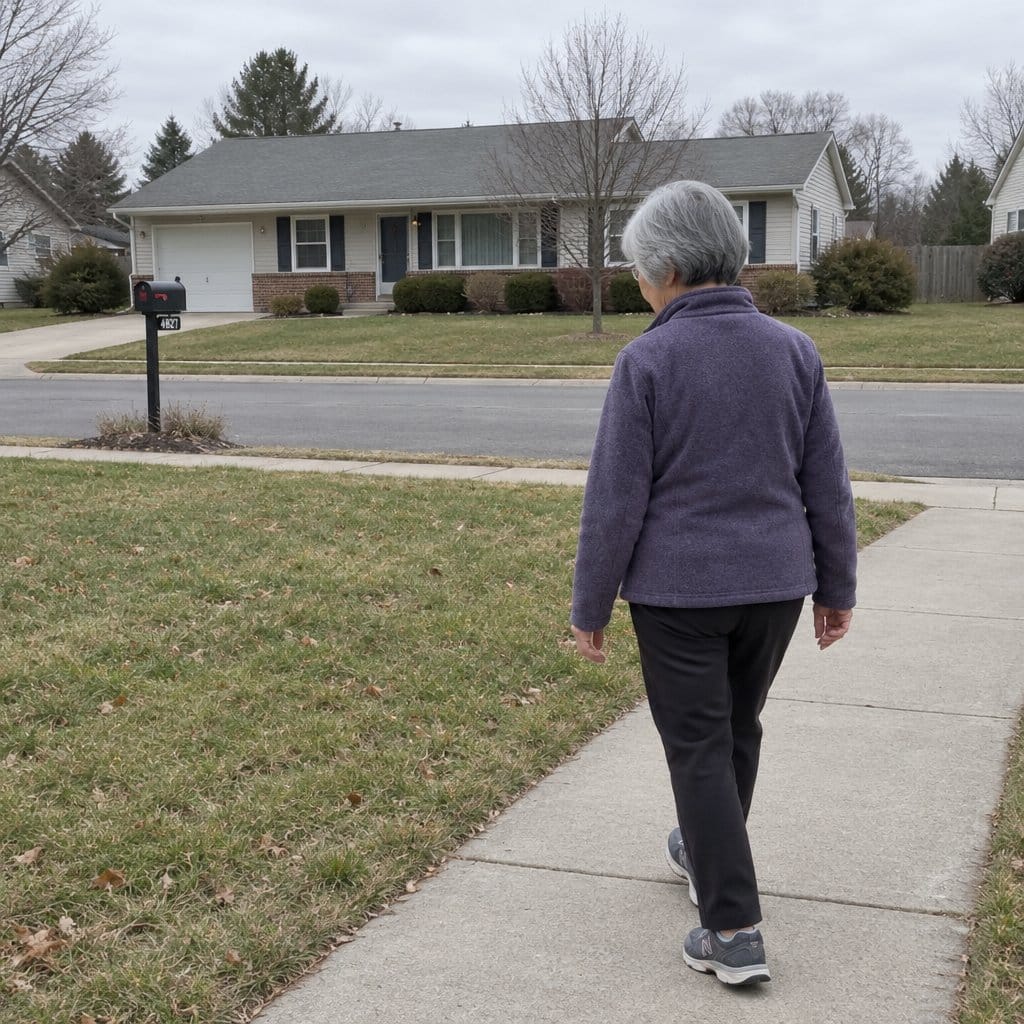
A brief walk to the mailbox or a short stretch in the hallway raises heart rate and circulation just enough to shift alertness. It doesn’t have to look like exercise. It just has to break the stillness. If staying active is something you’re thinking about more broadly, low-impact pedal exercisers are one option that works well for short movement breaks without leaving the room.
None of These Require Extra Time
They require redirecting two or three minutes that are already being spent staring at a phone or the inside of the fridge. That’s a different kind of ask — and a more honest one.
Caregiver Afternoon Slump Cheat Sheet
Get a practical, low-sugar plan to beat the 3 o’clock energy crash—complete with a caffeine tracker, real alternatives, and two-minute resets you can use today—so you can stay present and alert when your loved one needs you most.
The Afternoon Gets Easier When You Plan for It
The 3 o’clock slump is real. It hits caregivers harder than most, and it makes sense that you’ve been reaching for whatever works fastest. But sugary energy drinks and untracked caffeine create a cycle that makes the next day harder — not easier.
Swapping in a lower-sugar option, drinking a glass of water first, and doing a rough three-day caffeine tally are small changes. But small changes made consistently are exactly what sustainable caregiving looks like.
You don’t have to overhaul anything. You just have to reach for something slightly better than what’s been in your hand.
If you’ve found something that genuinely helps you get through the afternoon without the crash, share it in the comments. The caregivers reading this could use the idea — and honestly, so could I.
And if caregiver fatigue is something you’re navigating more broadly, the list of caregiving blogs worth bookmarking is a good place to find people who understand what you’re carrying. You’re not alone in this.